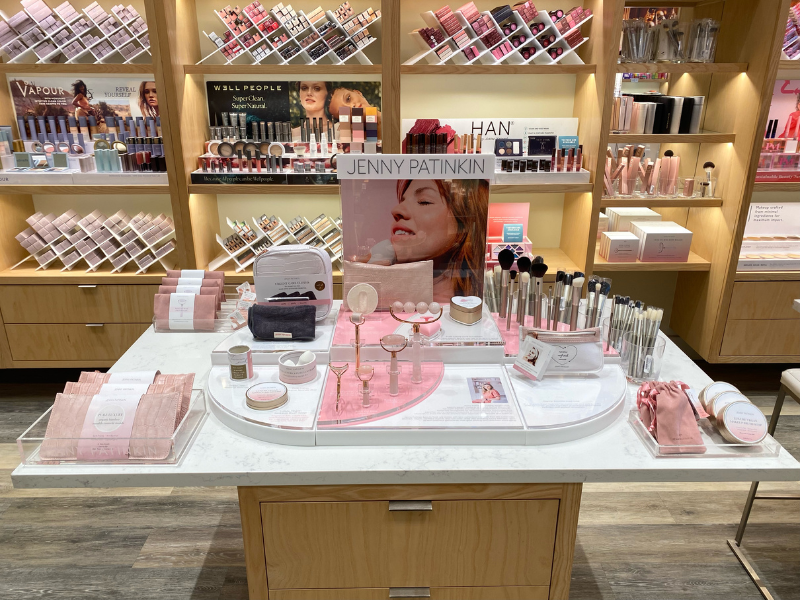
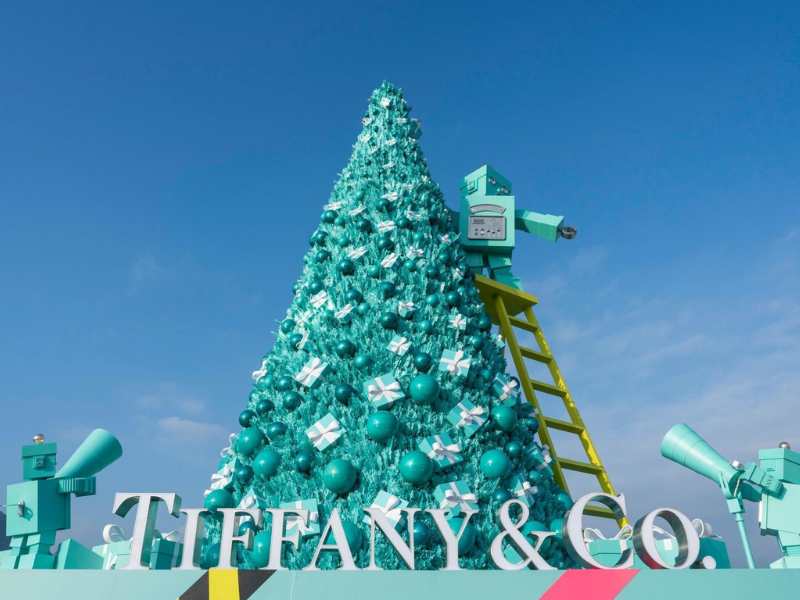
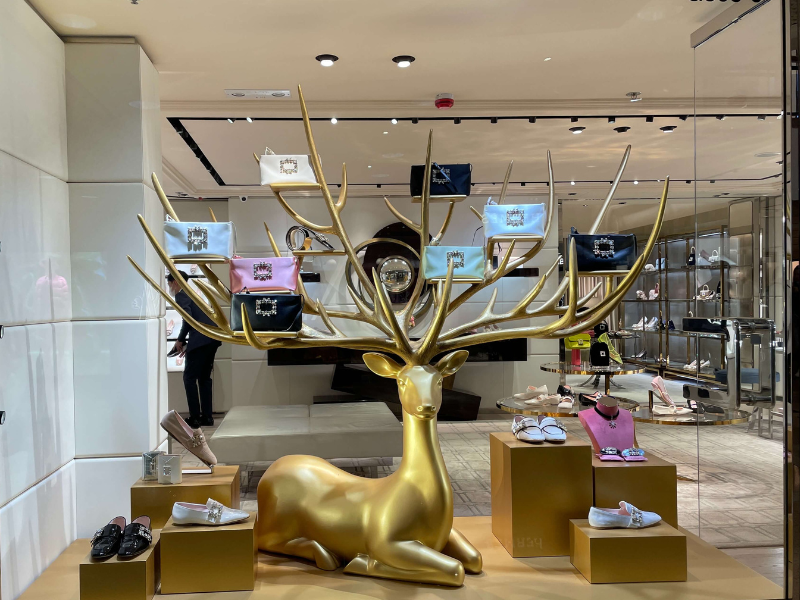
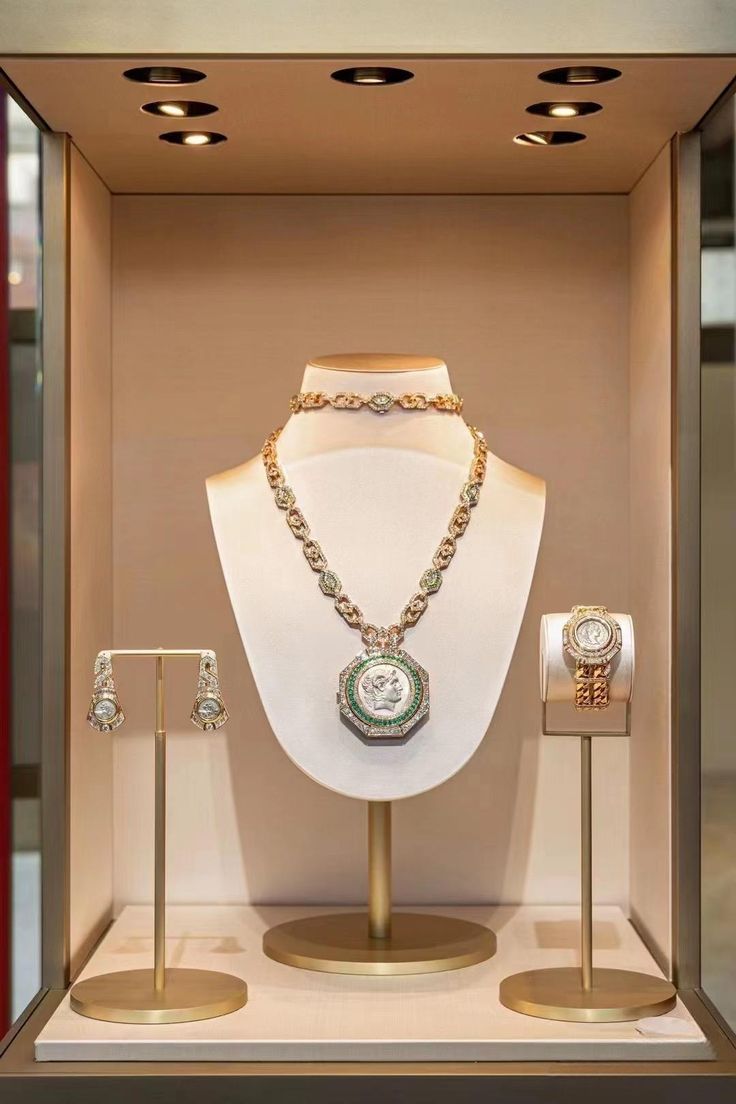
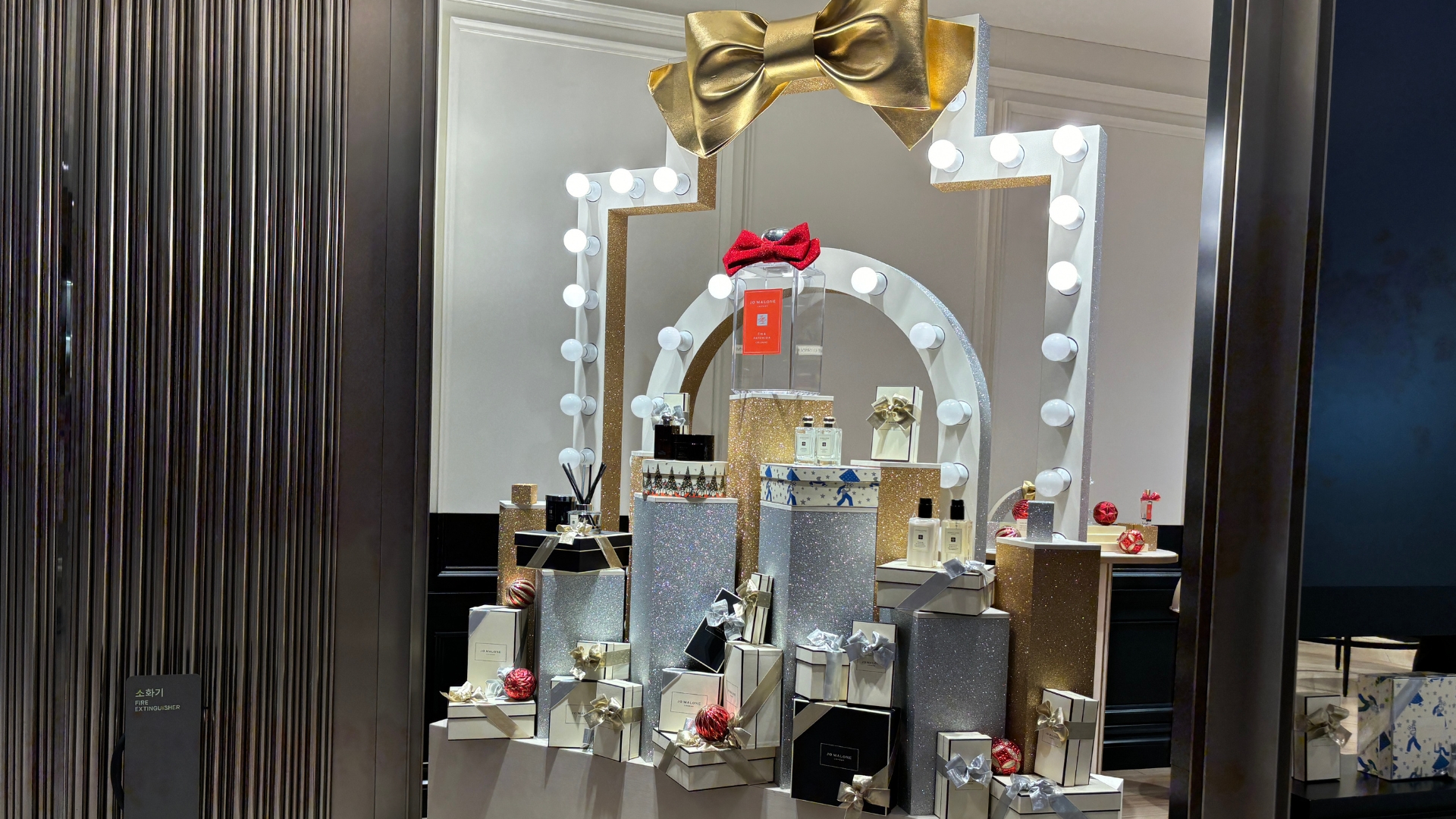
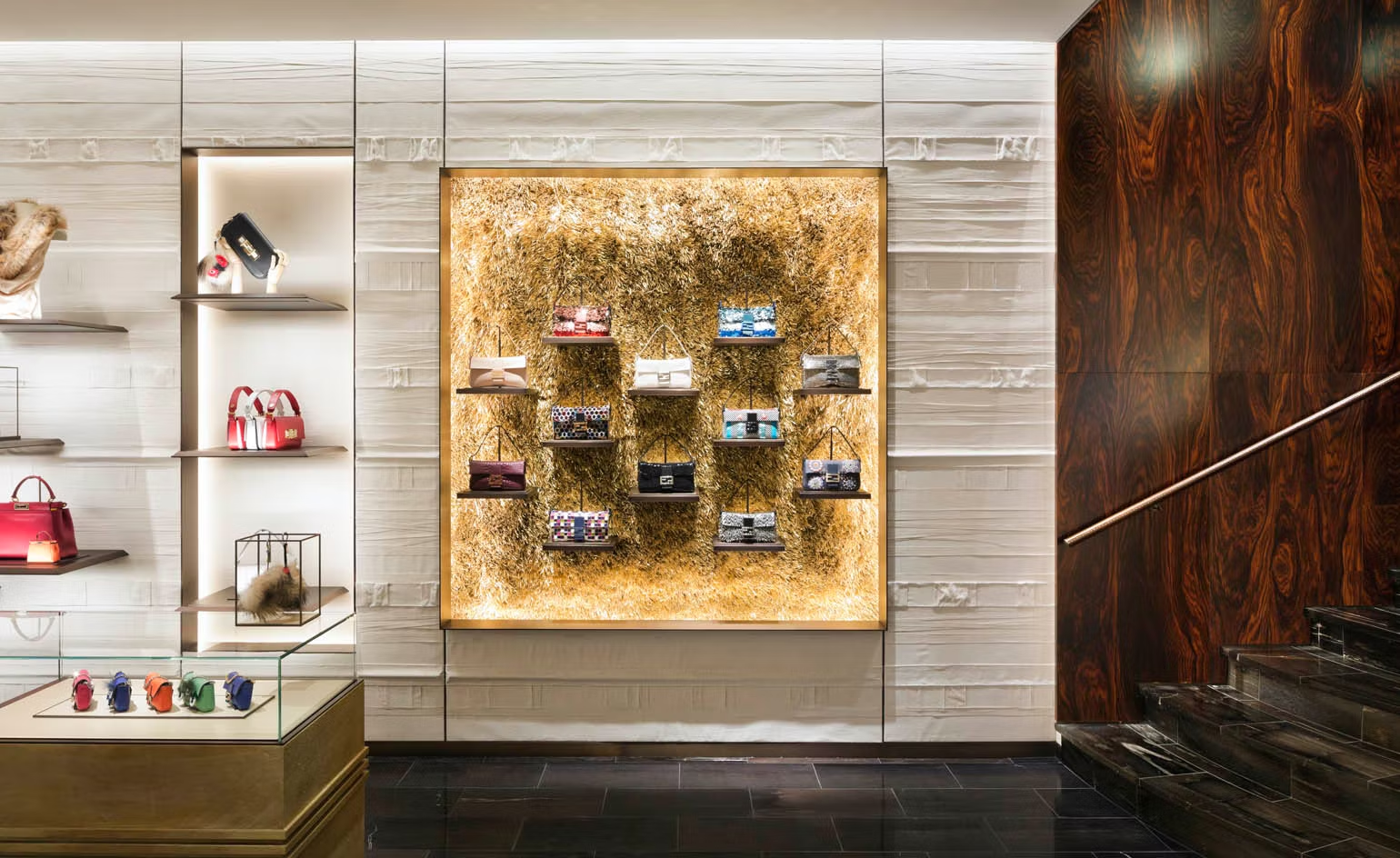
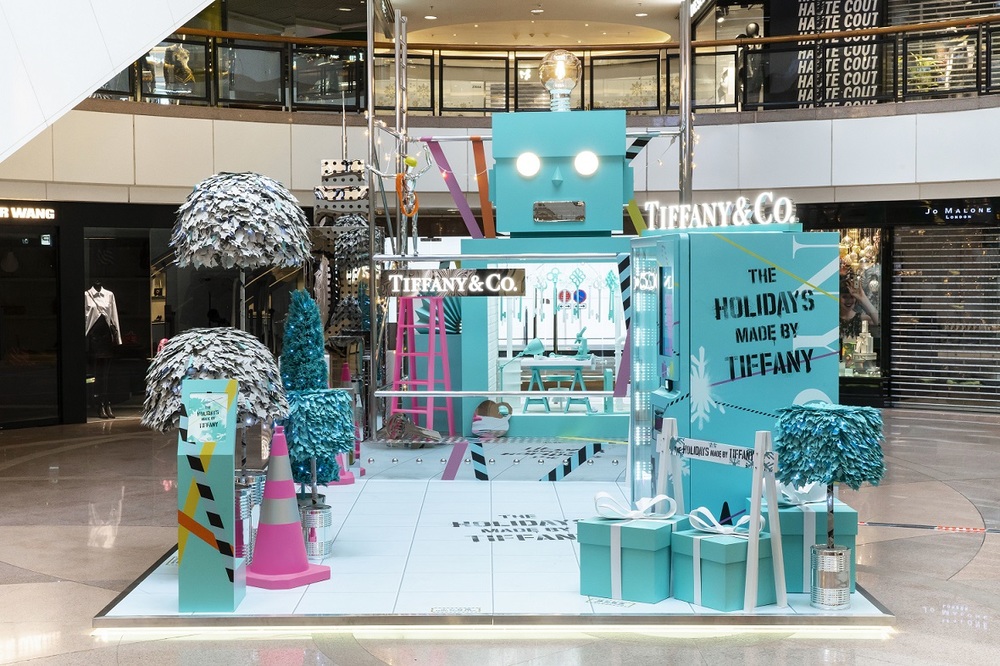
Samtop produces custom retail displays for retail campaigns, product launches, window displays, pop-up shops, and branded visual merchandising projects. We work from approved drawings, renderings, reference photos, or campaign briefs, and review production details before sampling or manufacturing.
Before sampling or manufacturing, we review structure, materials, finish, lighting, packing, delivery, and local setup needs in real life.
Engineering Review
We check structure, size, material thickness, load, fixing method, assembly, packing size, and setup risks before production starts.
Multi-material Production
Acrylic, metal, MDF, resin, fiberglass, foam, LED, printing, painting, and finishing can be coordinated under one workflow.
Prototype & Finish Control
Samples, color references, lighting tests, and finish checks help reduce the gap between the rendering and the final display.
QC Before Shipment
We check dimensions, surface finish, logo position, lighting, assembly, labels, packing, and carton information before shipment.
Export Packing
Packing is planned around product size, surface finish, fragile parts, lighting components, split structure, and shipping method.
Local Setup Preparation
For overseas projects, we can prepare numbered parts, hardware bags, wiring labels, packing lists, trial assembly photos, and setup references.
Custom Retail Display Production Examples
A finished display photo does not show the decisions made before production. These examples show how structure, material choice, finish control, packing, and timing affect the final retail display.
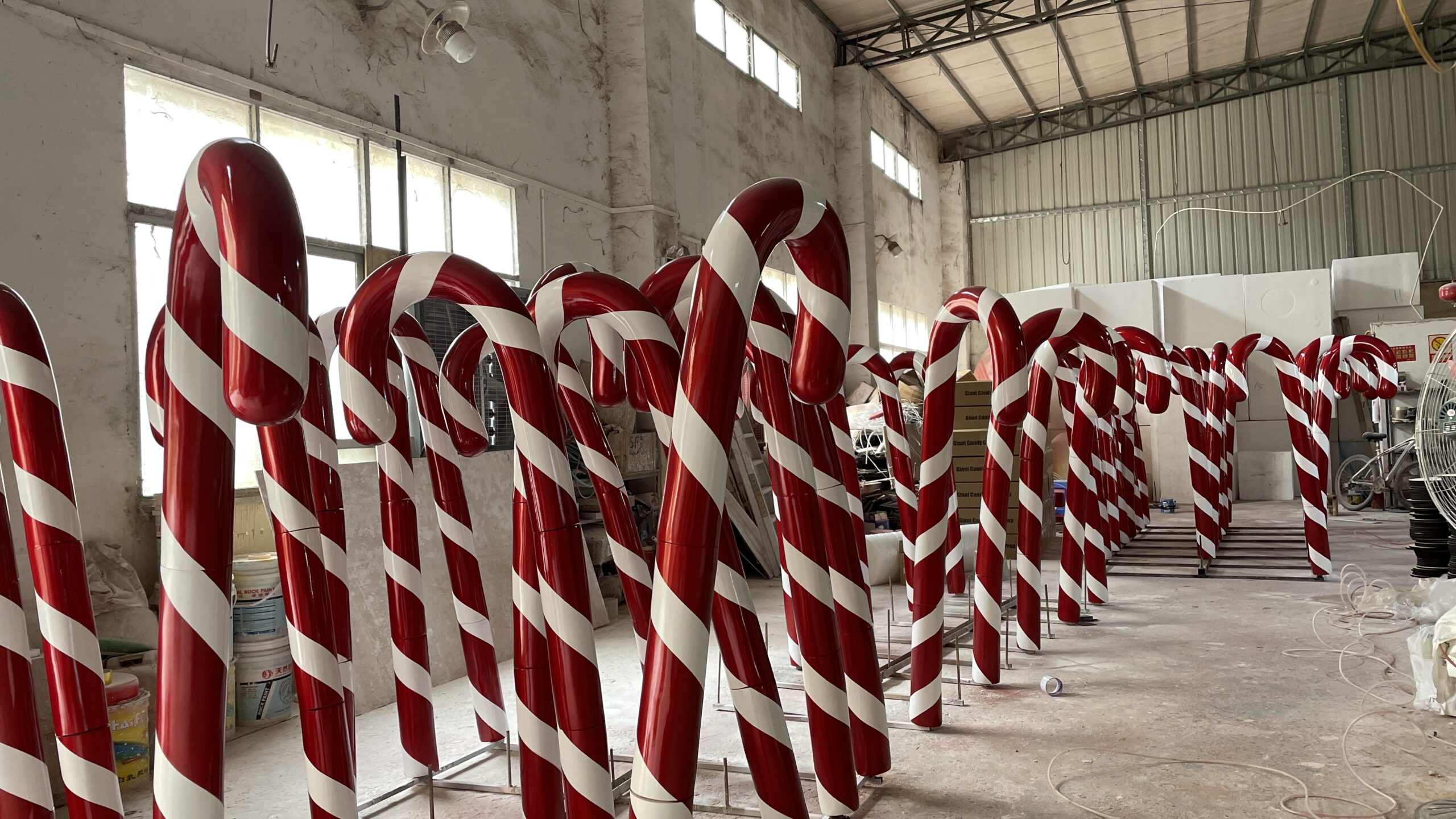
Christmas Candy Cane Display Props
For one Christmas display project, the client needed 789 candy cane props in two sizes, 1.5m and 1.2m high. The props had to arrive in the United States by early November. We used hardened foam for the main shape and split the structure into sections for packing and shipping. This helped reduce freight cost and made local setup easier. The full batch was completed within one month.
Production decision: The props were made with hardened foam and split into sections to reduce shipping volume and make local setup easier.
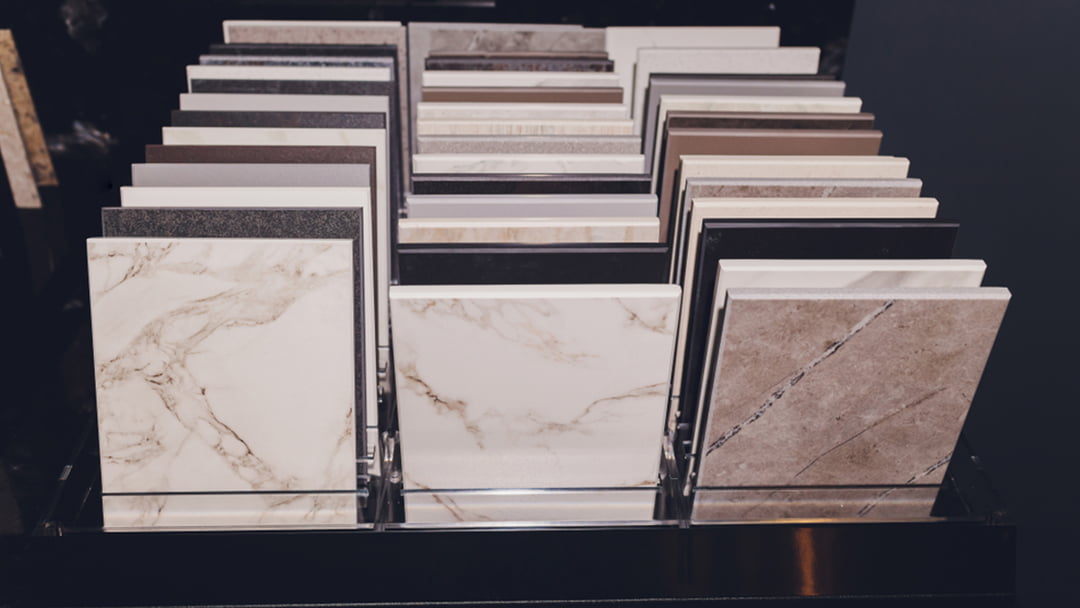
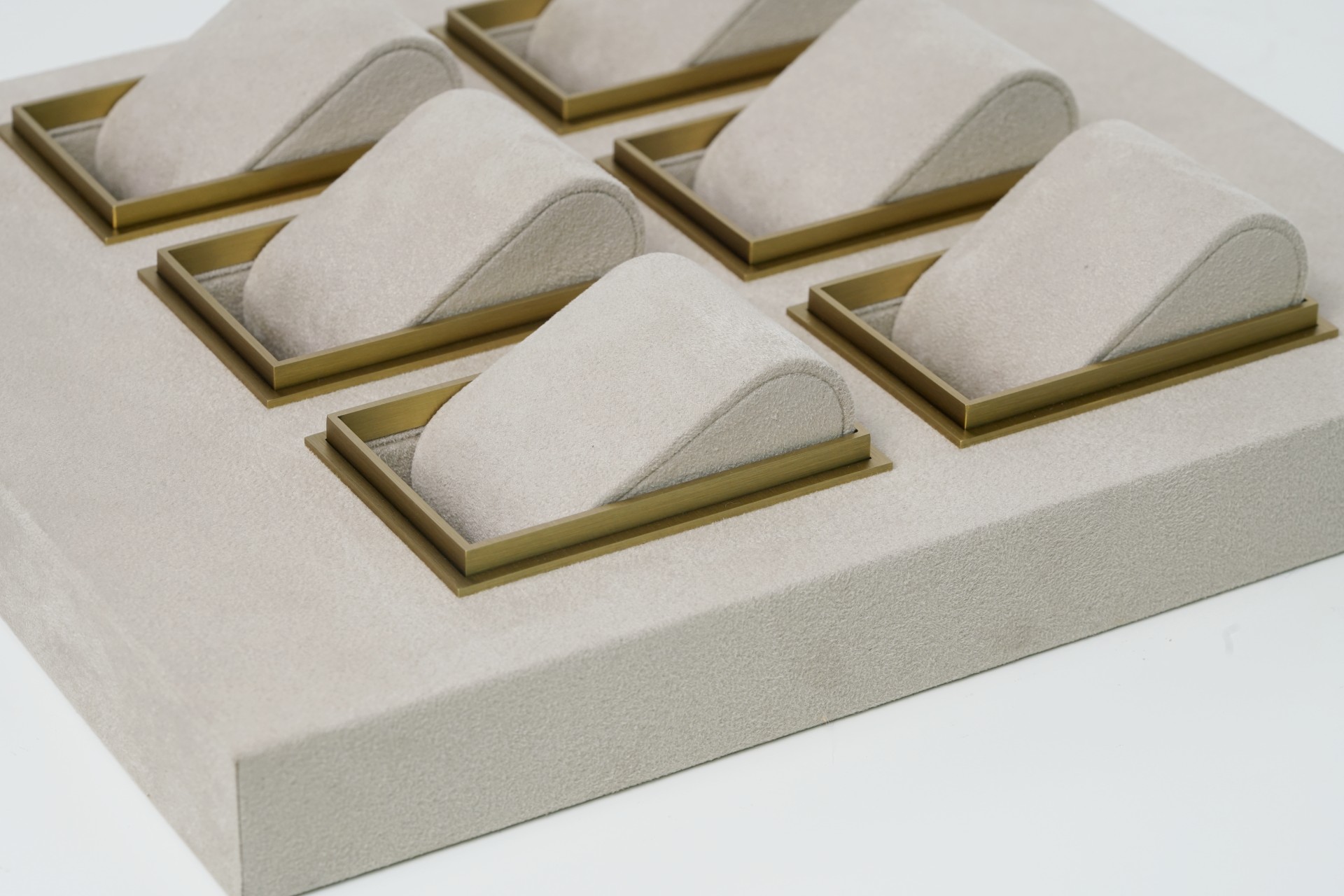
For a watch display base, the client wanted real marble. A solid marble base looked premium, but one piece would weigh around 1kg, which created handling and safety concerns. Instead of making it solid, we changed the structure to a hollow base using 45-degree joined marble panels. Skilled workers polished the joints carefully, so the final base kept a clean marble look with less weight.
Production decision: A hollow 45-degree joined marble structure was used to reduce weight while keeping the real marble appearance.
Watch Display BaseReal MarbleHollow StructureWeight Control
Brushed Electroplated Metal Logo
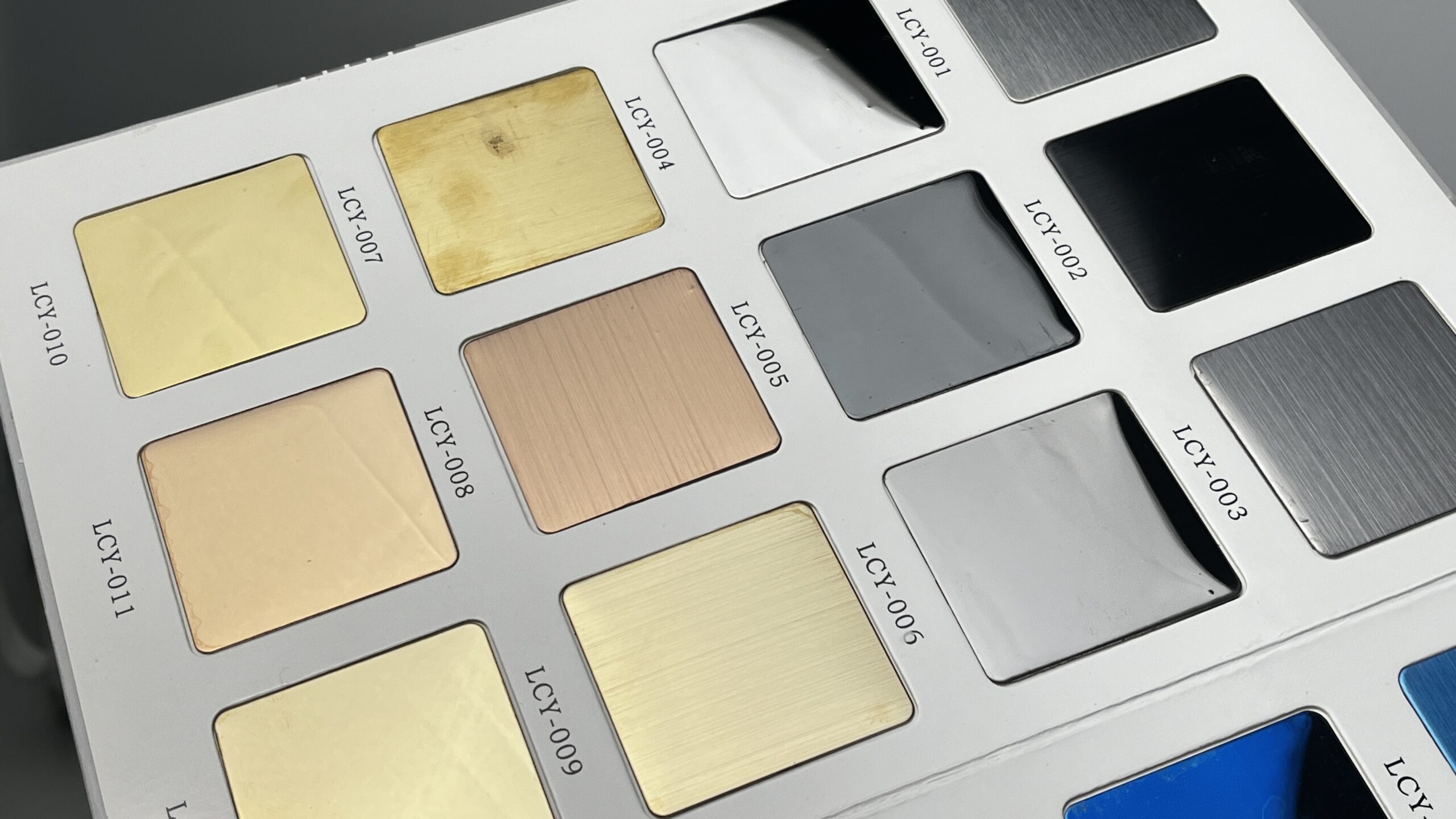
For one in-store display project, the logo had to use electroplated metal with a fine brushed texture. The client did not want color coating, and the 90-degree connection had to stay clean with no visible welding marks. We reviewed the plating effect, brushed direction, and connection details before production to keep the final logo looking clean and premium.
Production decision: The electroplated metal logo was reviewed for brushed direction, 90-degree connection, and visible welding marks before production.
Electroplated Metal LogoBrushed Metal SignageIn-store Display Detail
A Retail Display Production Partner
Samtop is a China-based engineering-led custom retail display manufacturer and production partner for brands, creative agencies, VM teams, retail design companies, and sourcing teams. We support engineering review, mixed-material production, surface finishing, sampling, QC, trial assembly, export packing, and delivery preparation.
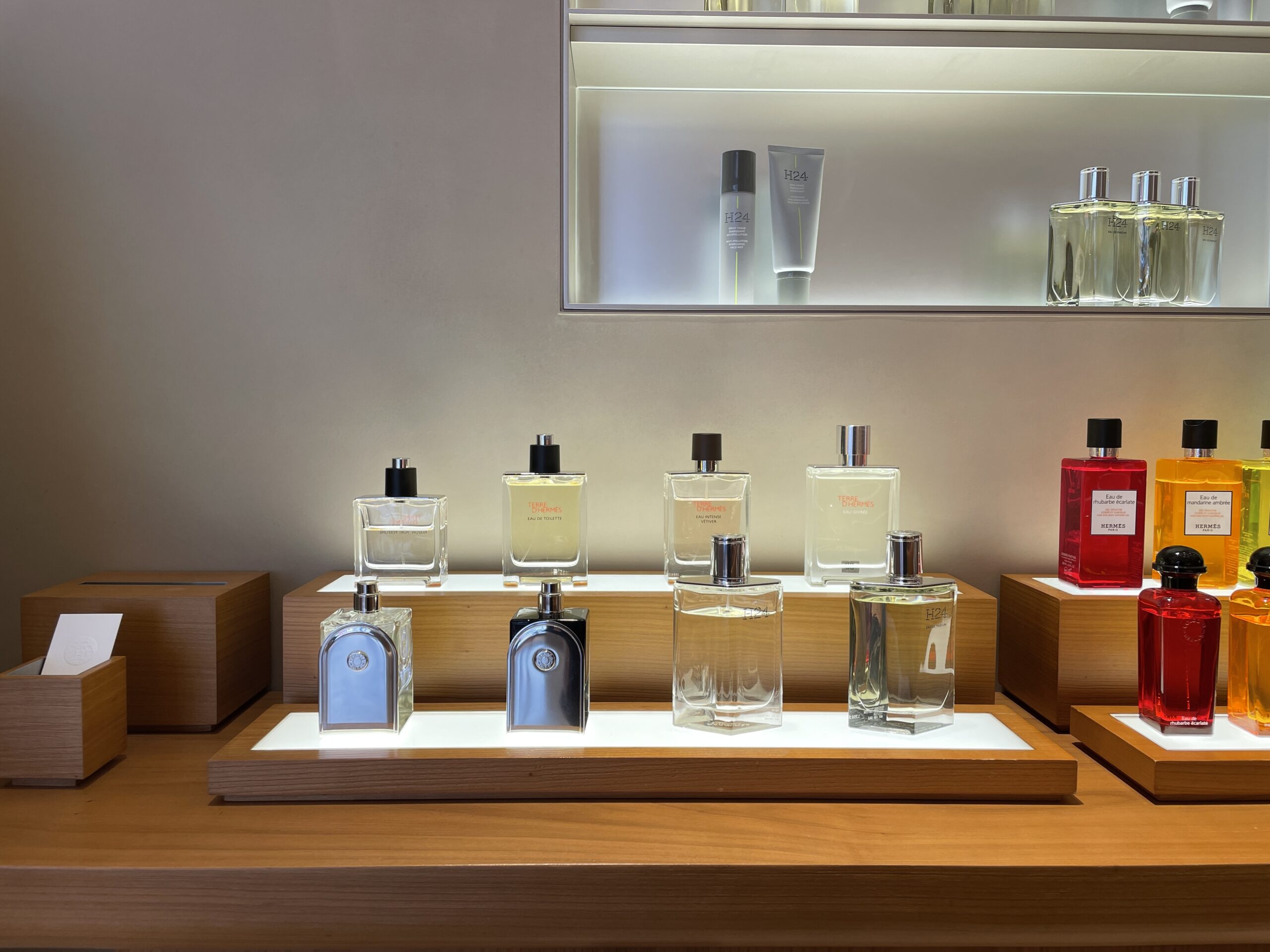
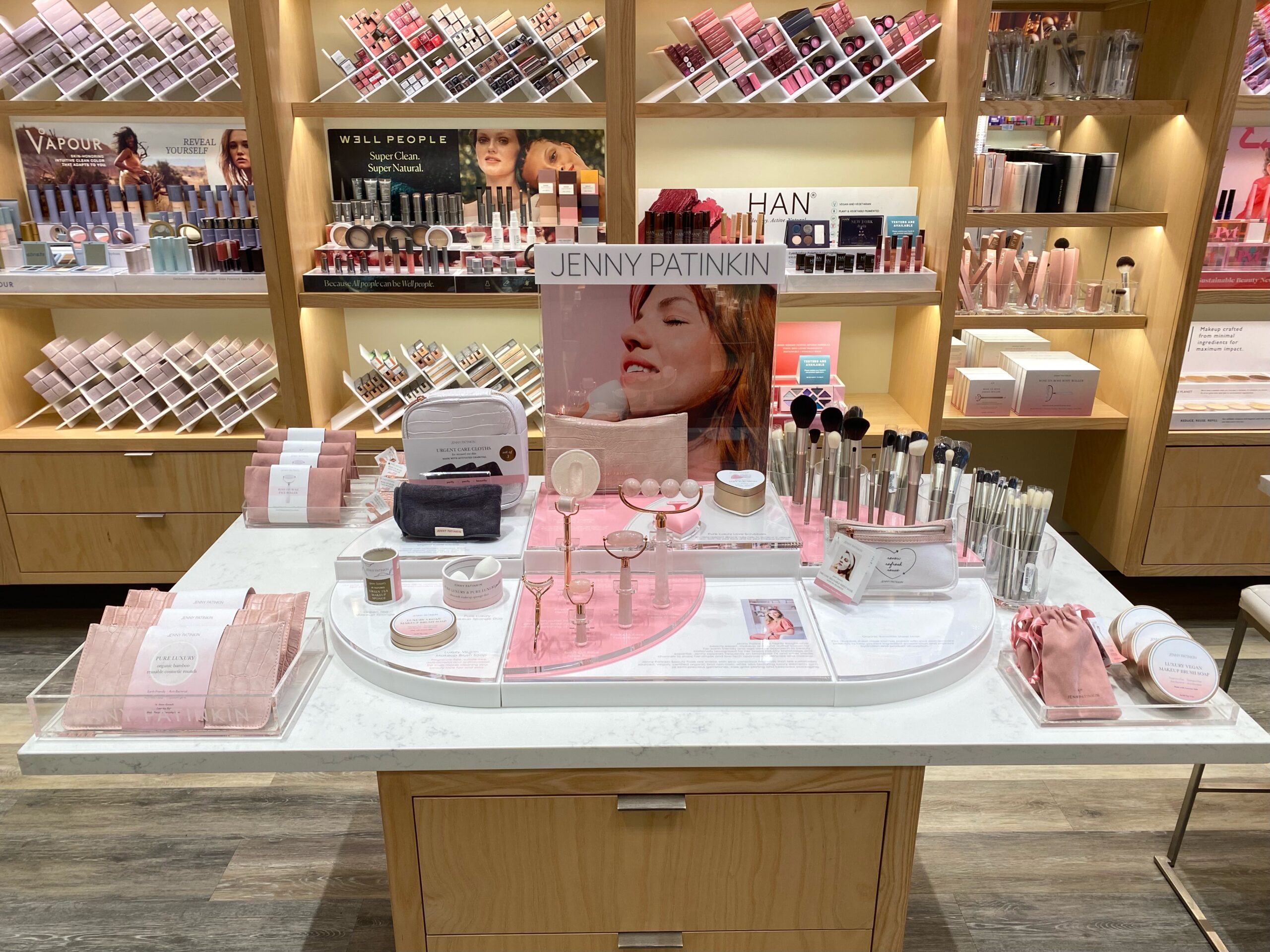
Our production scope covers custom display props, POP displays, window display elements, perfume displays, cosmetic displays, in-store displays, retail fixtures, signage, light boxes, and pop-up shop display elements for retail campaigns and branded environments.
20+ Years of Display Manufacturing Experience
Supporting international retail display projects, visual merchandising programs, product launches, pop-up shops, department store campaigns, and branded retail environments.
Multi-material Production Capability
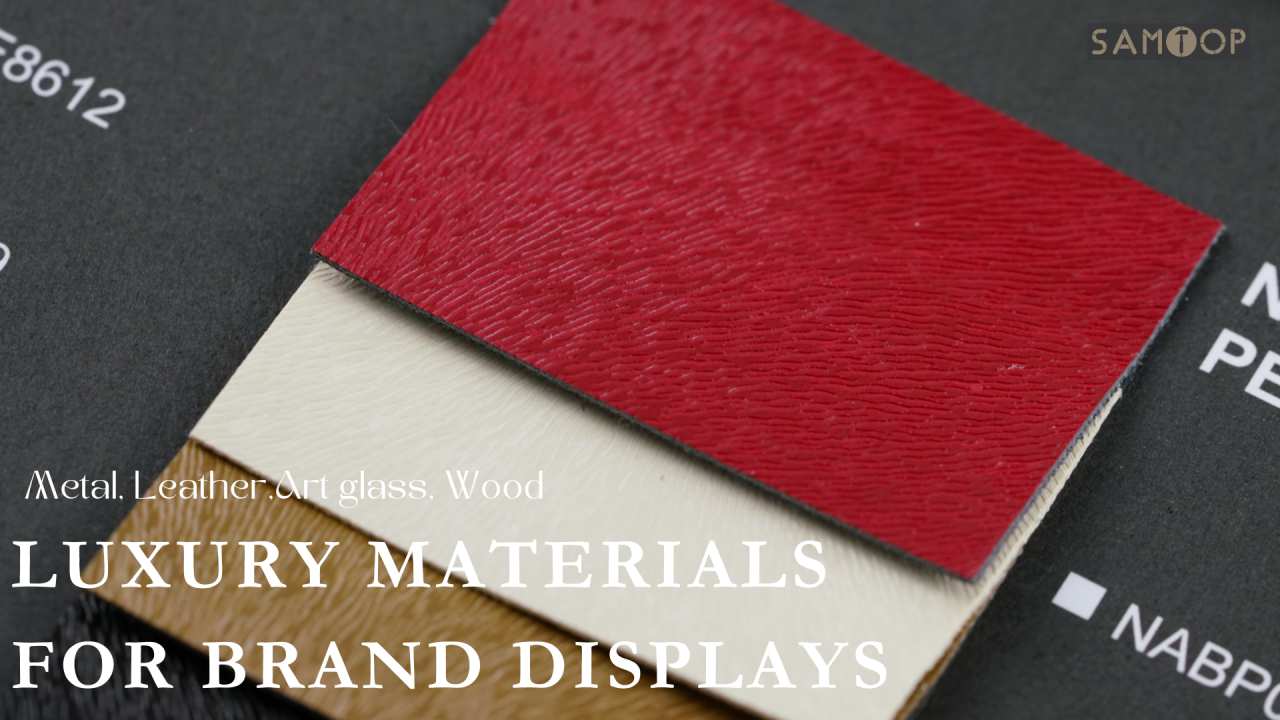
Acrylic, metal, wood, MDF, resin, fiberglass, foam, LED, printing, painting, electroplating, wrapping, faux marble, leather, microfiber, and surface finishing can be coordinated by project.
Export Packing Experience
Packing and delivery preparation for overseas display projects, fragile parts, lighting elements, oversized props, split structures, and multi-part display systems.
Supplier Documents and NDA Support
Supplier documents can be prepared for project review when needed. For confidential fragrance, beauty, luxury retail, or VM projects, we can sign an NDA before receiving sensitive files.
Engineering review, material preparation, surface finishing, assembly, QC, export packing, and shipment preparation
From Approved Design to Production
Once we receive your brief, the first step is to check how the display should be made, packed, and delivered. Here is how a project usually moves from brief to shipment.
1
Send Your Project Files
Send approved drawings, renderings, 3D files, reference photos, size, quantity, finish requirements, timeline, and delivery country.
2
Production Feasibility Review
We check structure, materials, finish, lighting, weight, product load, packing size, shipping risk, and local setup needs.
3
Engineering & Quotation
Our team reviews the production method, material options, estimated lead time, packing approach, and cost direction.
4
Sample or Finish Confirmation
When needed, samples, mockups, material samples, color samples, or finish tests are made to confirm details.
5
Manufacturing & QC
Approved displays move into production, finishing, assembly, lighting tests, size checks, finish checks, and packing inspection.
6
Export Packing & Delivery Preparation
Finished displays are packed, labeled, grouped, and prepared for international delivery or local installation teams.
Multi-material Manufacturing for Custom Retail Displays
Custom retail displays often need more than one material. A single project may combine acrylic, metal, MDF, resin, fiberglass, foam, faux marble, leather, fabric, LED lighting, printing, painting, or metallic finishes. Samtop reviews material choices based on size, structure, visual effect, weight, finish, budget, packing, and shipping method.
Acrylic
Metal
Wood / MDF
Resin
Fiberglass
Foam & Hardened Coating
Marble / Faux Marble
Paper / Cardboard
Leather / Microfiber
Fabric
LED Lighting
Printing & Finishing
Sustainability & Compliance Awareness
Retail display projects may need more than a finished product. Brands and sourcing teams may also need material information, lower-impact finish options, packing considerations, and supplier documents. Samtop can review these requirements early when they are part of the project brief.
FSC Material
For wood or MDF parts, FSC-certified material and document requirements.
Lower-impact Finish Options
Water-based paint, low-odor finishes, and alternative material choices can be reviewed by project.
Smarter Export Packing
Balance surface protection, packing volume, shipping cost, and material use.
Supplier Documents
Supplier documents can be prepared for project review when required.
Industries We Support
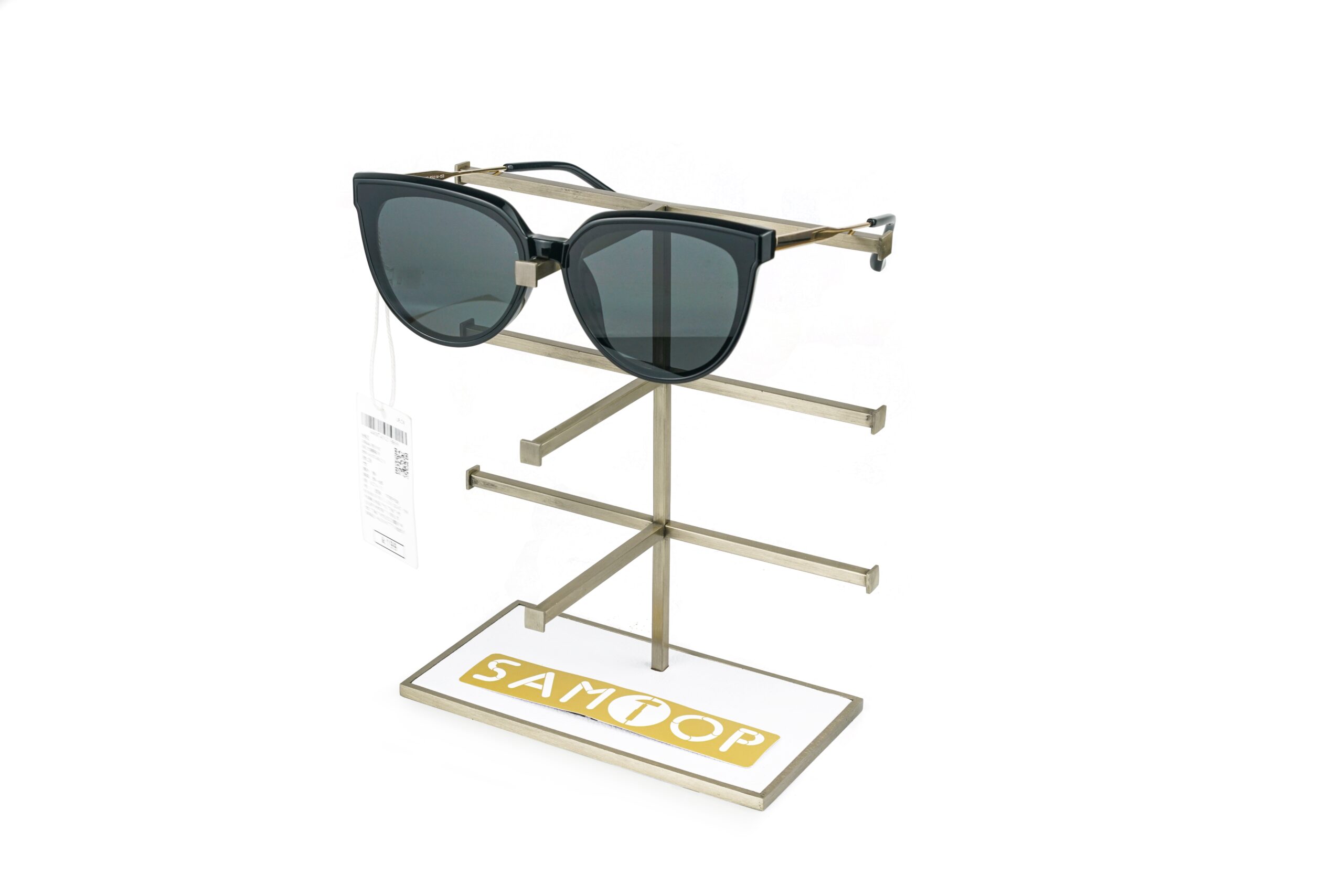
We support fragrance, beauty, watch, jewelry, fashion, department store, pop-up, and luxury retail display projects for brands, VM teams, creative agencies, retail design companies, sourcing teams, and project managers.
Perfume & Fragrance
Cosmetics & Skincare
Eyewear
Watch
Jewelry
Fashion & Accessories
Department Stores
Luxury Retail
Pop-up & Events
What Project Partners Say About Working With Samtop
"Samtop developed a replaceable artwork structure for our display frame. We could update the seasonal artwork without rebuilding the whole display, which made future campaigns much easier."
Visual Merchandising Agency
"We did not have drawings when the project started. After receiving our new perfume bottle sample, Samtop made a 3D printed model the next day. Their response was fast, and it helped us move the project forward quickly."
Sourcing Manager
"Our artwork had to be UV printed on a specific light grey acrylic sheet. The color looked different from printing on normal acrylic, so it needed an experienced technician to adjust the machine. Samtop handled it well, and the final result matched what we needed."
Retail Project Partner
Experience Across Branded Retail Display Projects
Many fragrance, beauty, watch, jewelry, fashion, department store, and luxury retail projects are protected by NDA. We only share detailed brand information when permitted. What we can show is how we manage production details: engineering review, material selection, surface finish control, QC, export packing, and local setup preparation.
Samtop supports custom retail display production for brands, agencies, VM teams, retail design companies, and sourcing teams. We produce POP displays, window display props, retail fixtures, custom display props, perfume displays, cosmetic displays, signage, light boxes, and pop-up shop display elements based on approved drawings, renderings, reference images, or campaign briefs.
What makes Samtop different from a normal retail display supplier?
Many custom display projects are not standard products. They need engineering review, structure development, material selection, surface finish control, trial assembly, protective packing, and export preparation. Samtop focuses on these design-to-production details, especially for mixed-material retail display projects.
Can you work without full technical drawings?
Yes. Full drawings are helpful, but not every project starts that way. Some clients send a rendering, a product sample, a sketch, or even a reference photo first. If the idea is clear enough, we can review the structure and materials to find a good production method. After that, we can move on to shop drawings, prototypes or pricing.
Can you help change the structure before production?
Yes. This is often where we add value. For example, a large prop may need hidden split lines for shipping. A marble base may need a hollow structure to reduce weight. A seasonal display may need replaceable artwork panels. Small structure changes before production can save a lot of trouble later.
Do you produce POP and point of purchase displays?
Yes. Samtop produces custom POP displays and point of purchase displays for product launches, retail campaigns, perfume and cosmetic promotions, and branded in-store merchandising. These may include counter POP displays, floor-standing POP displays, tester display units, product glorifiers, lighted POP displays, and branded retail display units.
Can you make samples or one-off displays?
Yes. We can make samples, prototypes, one-off displays, and small batches. We choose the right production method by looking at your order size, the type of the finish you want, your timeline and your budget limits. If you just need a quick prototype, running it on a CNC router or using 3D printing often works best. For larger quantities, molding, vacuum forming, or other production methods may be considered.
What materials can be used for custom retail displays?
Common materials include acrylic, metal, wood, MDF, resin, fiberglass, foam, PVC, PETG, faux marble finish, leather, microfiber, fabric, art glass, LED lighting, printing materials, and mixed materials. The right material depends on display size, structure, visual effect, product load, weight, finish, budget, quantity, packing, and shipping method.
How do you reduce damage during shipping?
We plan packing before production is finished, not only after the display is completed. For complex display systems, we can prepare 3D packing layouts, foam protection, wooden crates, part labels, packing sequence, hardware lists, and packing photos. This helps protect the display during shipping and makes local setup easier.
Do you provide overseas onsite installation?
No. We do not provide overseas onsite installation. Our role is production and export preparation. We can support the local installation team with trial assembly, numbered parts, labels, hardware bags, wiring labels, packing lists, assembly photos, and setup references.
Do you support visual merchandising display production?
Yes. Samtop supports visual merchandising display production for brands, VM teams, creative agencies, and retail design companies. We work from approved renderings, drawings, reference images, or campaign briefs, and help produce window props, custom display props, retail fixtures, perfume displays, cosmetic displays, pop-up shop elements, and branded retail display materials.
Need Production Support for Your Custom Retail Display Project?
Share your project with Samtop. Our team will review the production details and get back to you.