Introduction: Maximizing Retail Impact with Smart Point-of-Purchase Strategies
In today’s retail environment, POP displays (Point-of-Purchase displays) are much more than simple decorative pieces. They are powerful tools designed to drive conversions, increase brand visibility, and maximize ROI. Trade marketing teams can leverage POP displays as part of a larger retail strategy, where smart design and strategic placement translate directly into sales.
Table of Contents
How can trade marketing teams effectively use POP displays to influence retail partners and end consumers, while driving measurable ROI? Let’s explore how trade marketers can use POP displays to their advantage, from design to execution to optimization.
Quick Answer: How Do Trade Marketing Teams Use POP Displays for ROI?
POP displays do more than grab attention; they are critical to achieving business objectives like:
- Drawing attention at the last mile, making products stand out in-store.
- Differentiating your brand from the clutter on the shelf.
- Supporting sell-in to retail partners with ready-to-use kits.
- Delivering measurable ROI through visibility, engagement, and sales uplift.
At Samtop, we specialize in helping trade marketing teams turn POP displays into performance channels by focusing on creative design, efficient execution, and data-driven optimization.
1. Understand What Trade Marketing Really Needs from POP
Trade marketing teams have specific objectives when it comes to POP displays. Each display must fulfill a role within the overall marketing strategy, whether it’s boosting sales, supporting retail partners, or promoting a time-sensitive campaign. Here’s how POP displays meet those needs:
| Objective | How POP Helps |
|---|---|
| Sell-through | Increases impulse buys, drives trial |
| Sell-in (B2B) | Provides retailers with ready-to-install assets |
| Visibility Boost | Makes products stand out in competitive environments |
| Education & Awareness | Communicates product benefits and brand positioning |
| Time-bound Activations | Supports launches, holidays, regional promotions |
📌 Your POP must serve both retail partners and end shoppers, balancing visibility, functionality, and engagement.
2. Choose POP Formats That Align with Your Channel Strategy
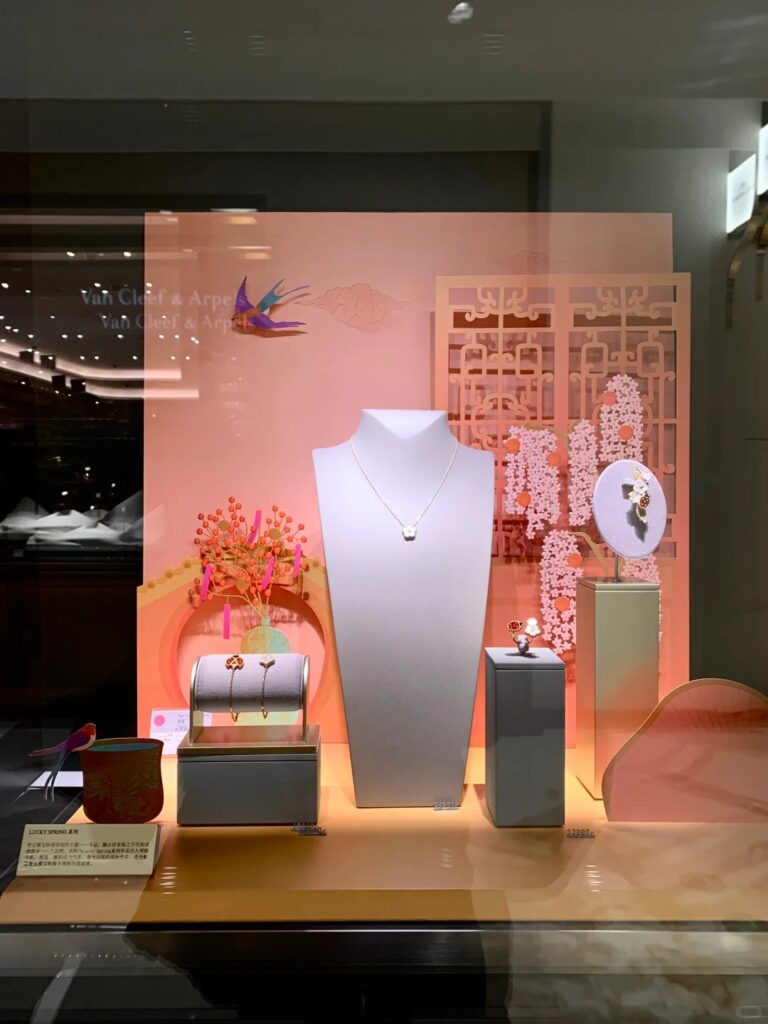
Choosing the right POP format is crucial to aligning with your trade marketing goals and ensuring the display performs effectively across different retail environments. Here are some POP formats and where they work best:
| Format | Best For | Placement |
|---|---|---|
| Counter Display (FSDU) | Beauty, electronics, snacks | Checkout zones, front desk |
| Floor-Standing Display | Seasonal SKUs, high-margin items | Store entrance, aisle ends |
| Shelf-Talkers / Wobblers | Promotions, bundles, new launches | Existing gondolas |
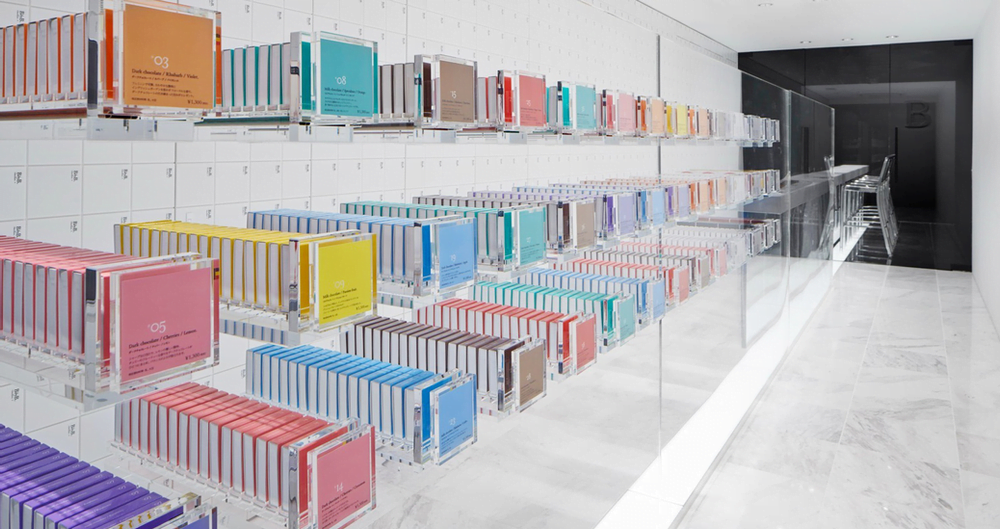
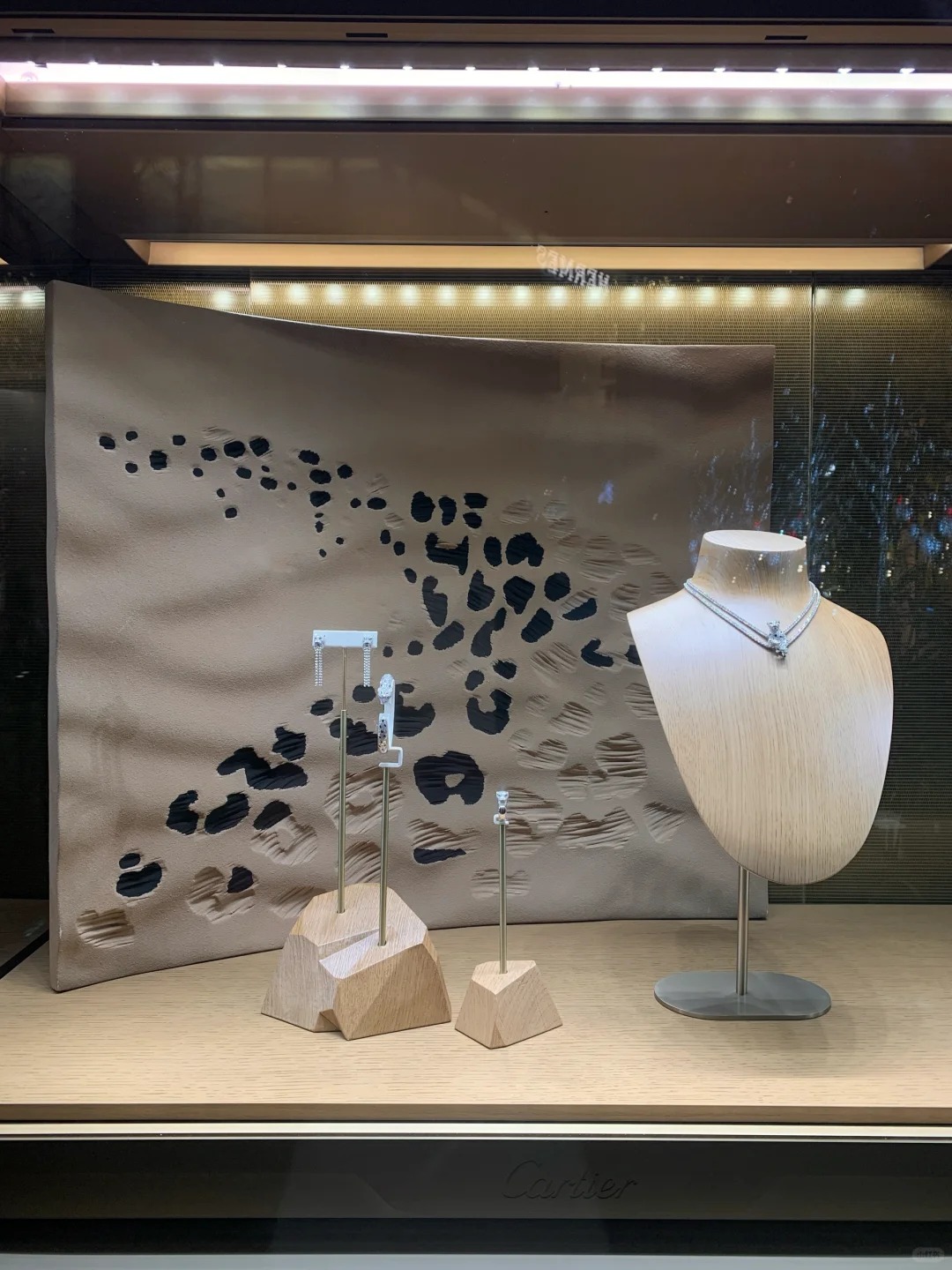
| Modular Glorifiers | Gifting, luxury, limited edition | Boutique counters, beauty walls |
| Inline Trays or Risers | Controlled shelf zones | On-shelf blocking |
✅ Ensure that each POP format is retailer-compliant and easy to deploy.
3. Use POP to Influence Retail Partners
POP displays also play a critical role in influencing retail partners. A well-executed POP display is a value proposition for trade buyers and retailers, offering solutions that streamline installation and increase product visibility. Here are a few tactics to maximize POP’s impact on retail partners:
| Tactic | Effect |
|---|---|
| Offer Co-branded Displays | Strengthens retailer-brand collaboration |
| Include Signage + Training Kits | Increases product visibility and staff engagement |
| Flat-Pack Display Kits | Lowers handling costs and eases in-store rollout |
| Customized for Store Layout | Makes it easy to work with retailers (vs. “plug & pray”) |
📌 When POP increases retail staff confidence, products sell faster.
4. Track ROI: From Design to Sell-through
To justify the investment in POP displays, it’s crucial to track ROI. Measuring the impact of your POP displays involves tracking key metrics from design to execution. Here’s what to track:
| Measurement Focus | What to Track |
|---|---|
| Sales Uplift | Compare POS sales pre/post POP installation |
| Foot Traffic or Interaction | Use motion sensors or staff feedback |
| Conversion Rate | Analyze best-performing display types |
| Display Lifespan & Damage Rate | Track to reduce replenishment costs |
| Retailer Feedback | Gather qualitative notes on POP setup and usability |
✅ Build a simple reporting dashboard to correlate POP placement with sales velocity and overall performance.
5. Best Practices for Trade Marketers Working with POP Suppliers
When working with POP suppliers, clear communication and efficient processes are essential for ensuring the final product meets expectations. Here are some best practices:
- Share retailer specs + photos: Prevents rework and rejected units.
- Provide sell-in brief early: Helps the supplier align visual and functional goals.
- Ask for rollout kits with instructions: Reduces friction in store installation.
- Test material samples + finishes: Ensures the display aligns with the category tone.
- Build in flexibility: Modular elements allow last-minute campaign edits.
📌 Tip: Work with suppliers who offer 3D mockups, visual renders, and retailer-specific adaptation to ensure smooth execution.
FAQ: Your POP Display Questions Answered
Q: Is there a standard budget % for POP in trade marketing?
- ✅ Typically, 5–15% of trade activation budgets are allocated to POP displays, depending on category and campaign duration.
Q: How fast can a campaign-ready POP be delivered?
- ✅ From brief to production:
- 3–5 days for concept
- 10–14 days for sampling
- 25–40 days for mass production and shipment
Q: What makes POP high-performing?
- ✅ Placement, clear message, clean structure, visual hierarchy, and easy product access are all key to a high-performing POP display.
Conclusion: POP is Your Retail Battlefield Advantage
- ✔️ POP displays are your silent sales team in the field.
- ✔️ Strategic displays unlock both sell-in leverage and sell-through growth.
- ✔️ ROI is optimized when design, logistics, and reporting are aligned.
- ✔️ Work with flexible suppliers who speak both brand and retail.
At Samtop, we support trade marketing teams in turning display investments into measurable impact.
Need Help Optimizing Your POP Strategy?
We provide:
- 🧱 Custom display kits per channel
- 🧾 Retailer-fit compliance guides
- 📦 Flat-pack rollout systems
- 📊 ROI tracking setup + training materials