

Ensuring Consistency and Quality in Global Manufacturing
By Yan Luo | Samtop Display
Ensuring design integrity in global manufacturing requires precise communication, clear design documentation, consistent quality control, and reliable suppliers. Cultural differences, material availability, and production techniques can all cause inconsistencies—but with the right systems in place, you can achieve consistent, brand-aligned outcomes worldwide.
At Samtop, we specialize in helping brands manage design integrity from concept to production across borders, ensuring every retail display meets the original vision.
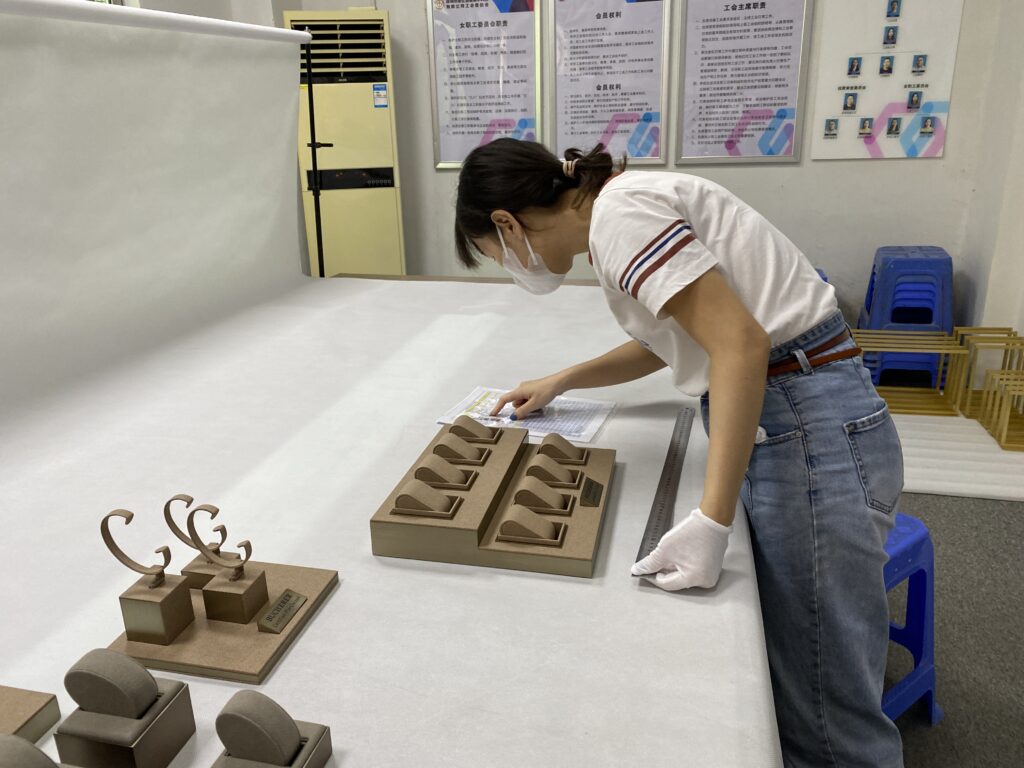
When producing displays across multiple countries, inconsistencies in design execution can lead to mismatched materials, color deviations, or functional issues.
These inconsistencies damage your brand reputation and waste valuable time and money due to rework, missed deadlines, and rejected shipments.
By creating detailed specs, using modern collaboration tools, and working with experienced international partners, brands can maintain design integrity and deliver high-quality displays globally.
🌍 Challenges of Maintaining Design Integrity in Global Manufacturing
1. Cultural & Operational Differences
Different countries interpret design briefs through local lenses. Variations in craftsmanship, communication style, and material access can lead to unexpected results.
Key Issues:
- Misinterpretation of branding or finish expectations
- Substitution of unavailable materials
- Unfamiliar production techniques impacting the final look
Tip: Involve your design team in local adaptations to preserve brand vision while accommodating local capabilities.
2. Supply Chain Complexity & Delays
Cross-border logistics bring longer lead times, material variations, and handling inconsistencies that impact final quality.
Common Challenges:
- Customs delays and freight damage
- Uneven material quality between regions
- Assembly misalignment due to varied processes
Tip: Use experienced global logistics partners and inspect materials at key shipping checkpoints.
📝Best Practices to Maintain Design Integrity in Global Manufacturing
1. Build a Comprehensive Design Toolkit
Create a universal design language with CAD files, Pantone swatches, and physical prototypes.
What to Include:
- Branded color and material standards
- Finish guidelines (glossy, matte, textured)
- Interactive or mechanical instructions (e.g., LED placements)
- Assembly diagrams and 3D mockups
Tool Tip: Use platforms like SketchUp, Figma, or Rhino to collaborate in real-time with global teams.
2. Define Communication Protocols Across Borders
Effective collaboration means keeping everyone on the same page—from headquarters to factory floors.
Set Clear Systems:
- Bi-weekly project calls (with translators if needed)
- Use Slack or Asana for project updates
- Approve all changes with visual mockups and side-by-side comparisons
Tip: Assign one brand-side and one factory-side lead for fast decision-making.