

A Comprehensive Guide to Streamlining Your Sourcing and Logistics Process
By Yan Luo | Samtop Display
Supply chain optimization for display units from China is essential for reducing costs, improving efficiency, and ensuring timely delivery. By refining sourcing, logistics, and inventory, brands can streamline imports and improve performance.
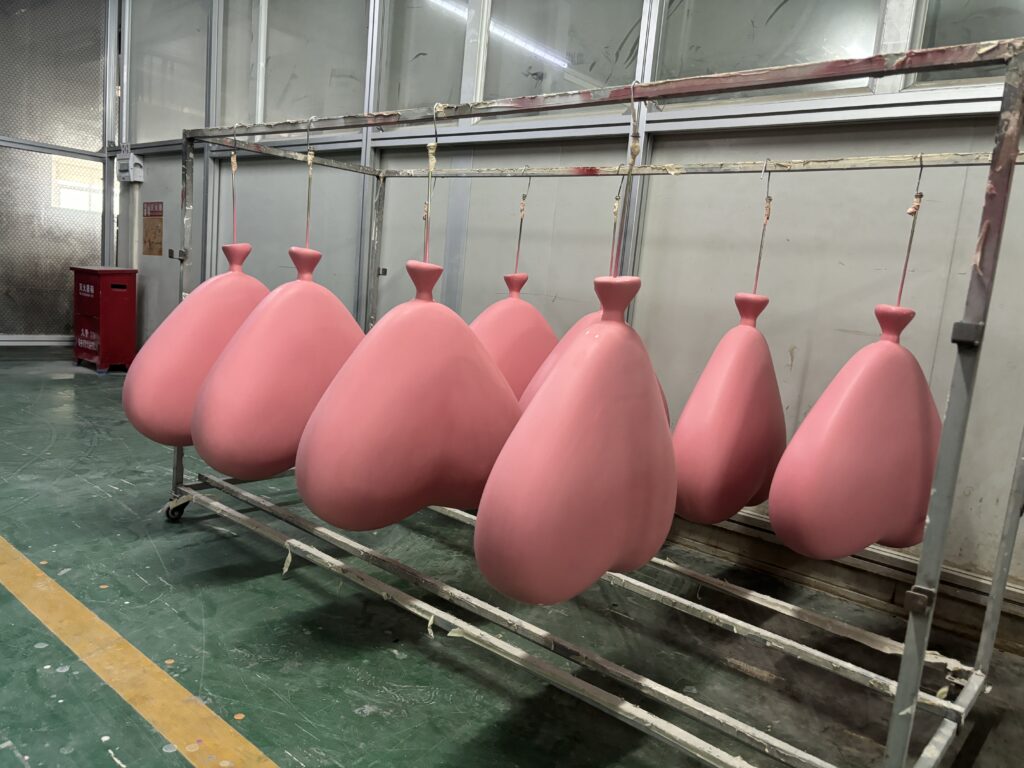
At Samtop, we help brands streamline their supply chains by optimizing sourcing, production, shipping logistics, and inventory management to ensure a seamless import process.
1. How to Optimize the Supply Chain for Display Units from China?
Importing display units from China presents multiple challenges. Managing sourcing, logistics, and inventory while ensuring cost-effectiveness and timely delivery can be overwhelming. Without careful planning, delays, overstocking, and higher costs could disrupt your retail operations.
2. The Complexity of Global Supply Chain Management
From choosing the right suppliers to managing customs clearance and logistics, optimizing the supply chain for display units sourced from China involves intricate coordination. Poor supplier selection, inefficient shipping methods, or incorrect inventory management can lead to delays, excess stock, or quality issues—costing time and money.
3. Streamline Your Supply Chain with Strategic Planning
By refining your sourcing, shipping, inventory control, and logistics management, you can create a seamless supply chain that reduces costs, prevents delays, and ensures that your display units are delivered on time and in perfect condition. Let's explore the key steps to achieve this.
📊Supply Chain Optimization for Display Units from China: Key Steps
1. Supplier Selection and Qualification
The foundation of an efficient supply chain starts with choosing the right suppliers. Selecting reliable suppliers in China who can meet your quality standards, production timelines, and pricing expectations is crucial for smooth operations.
Key Supplier Selection Criteria:
- Production Capacity: Ensure that the supplier can handle your order volume and scale production as needed.
- Quality Control: Work with suppliers who have robust quality control systems in place and can deliver consistent, high-quality display units.
- Reliability: Evaluate a supplier’s track record in meeting deadlines and providing excellent customer service.
- Certifications and Compliance: Verify that the supplier holds relevant certifications (e.g., ISO certification) and complies with necessary quality standards.
Tip:
Request samples to verify product quality before committing to a larger order. This helps ensure that the supplier’s products meet your expectations.
2. Streamlining Order Management
Efficient order management ensures that you place the right orders with suppliers, track progress, and maintain a constant flow of materials for production.
Key Practices for Efficient Order Management:
- Automate Order Tracking: Use an order management system (OMS) to track the status of orders, delivery schedules, and inventory levels.
- Establish Clear Communication: Set up a communication plan with your suppliers to ensure they understand your expectations for lead times, quality, and delivery.
- Set Production Milestones: Break down large orders into milestones (e.g., initial design, production, quality check, shipment) and track progress to ensure the project stays on schedule.
Tip:
Maintain regular communication with suppliers to track production progress and address any potential issues early in the process.
3. Optimizing Shipping and Freight Management
Shipping display units from China to your location can significantly impact both costs and timelines. By optimizing your shipping process, you can reduce delays and control costs.
Key Steps for Optimizing Shipping:
- Choose the Right Shipping Method: Consider the trade-off between air freight (faster but more expensive) and sea freight (slower but more cost-effective). Choose based on urgency and cost-effectiveness.
- Negotiate Freight Rates: Work with freight forwarders or logistics providers to negotiate better shipping rates based on order volume or long-term partnerships.
- Pre-Plan Shipping Routes: Ensure that your shipments are optimized by planning the most efficient and cost-effective routes, whether it’s direct shipping or multi-modal transport.
Tip:
Consolidate shipments if possible, to reduce shipping costs.
4. Effective Inventory Management
Maintaining optimal inventory levels is essential for minimizing costs while avoiding stockouts or overstocking.
Best Practices for Inventory Management:
- Forecast Demand: Use historical sales data and seasonal trends to predict demand for your display units and avoid excess inventory.
- Monitor Stock Levels: Implement a real-time inventory tracking system to help you monitor stock levels at all times and reorder when necessary.
- Establish Safety Stock Levels: Keep a buffer stock of display units to account for any delays in shipping or unexpected demand spikes.
Tip:
Just-In-Time (JIT) inventory methods can help you maintain minimal stock and reduce warehouse costs while still ensuring you have the products when needed.