
Sustainability isn’t a trend anymore — it’s a requirement. Retail brands across beauty, fashion, and lifestyle now face strict expectations around sustainable materials for retail fixtures, VOC compliance, recyclability, and responsible disposal. Yet many displays are still designed for short-term use and long-term waste.
To design responsibly, sustainability must be built in from the beginning — from material sourcing, to in-store use, to teardown, to end-of-life. At Samtop, we help brands choose sustainable materials for retail fixtures and plan full lifecycles that balance beauty, durability, and environmental responsibility.
To choose sustainable materials for retail fixtures, brands must evaluate FSC-certified inputs, rPET plastics, low-VOC coatings, recyclable structures, and disassembly logic. A lifecycle mindset ensures displays look premium while reducing landfill waste and meeting global sustainability standards.
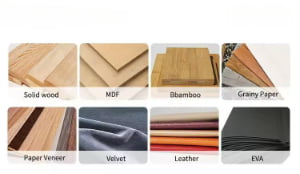
🌱 1. Why Sustainable Materials Matter in Retail Fixtures
Sustainable materials aren’t just about “being green.” They directly influence:
-
Compliance with EU + US VOC and recycling policies
-
Brand reputation and customer trust
-
Store-level safety for staff and shoppers
-
Waste reduction during global rollouts
-
Longevity and reusability of POP and fixture systems
If a display looks premium but can’t be recycled, it becomes expensive waste.
🌍 2. What Is a Retail Fixture Lifecycle?
Every component of your display goes through four stages. Sustainability must apply to each.
| Stage | Key Questions |
|---|---|
| 🏭 Production | Is the material FSC-certified? Low-VOC? Energy-efficient? |
| 🏬 In-Use | Can it survive cleaning? Will it last multiple rollouts? |
| 📦 Disassembly | Can store teams separate materials without tools? |
| 🗑️ End-of-Life | Recyclable? Reusable? Compostable? |
At Samtop, we evaluate fixtures across all four before engineering begins.
🌿 3. Best Sustainable Materials for Retail Fixtures
Premium design and sustainability can coexist — if you choose the right materials.
| Material | Sustainable Benefit |
|---|---|
| Bamboo Ply | Fast-growing, biodegradable, durable |
| rPET Panels | Made from recycled bottles, fully recyclable |
| FSC-Certified MDF | Renewable wood source, recyclable when uncoated |
| Water-Based PU Coating | Low-VOC, safer for stores and workers |
| FENIX Laminate | Long lifespan, scratch-resistant, reduces replacement waste |
| Molded Pulp | Compostable — ideal for short-term displays |
Pro Tip: Avoid mixing materials permanently. A recyclable material becomes non-recyclable once glued to another substrate.
💨 4. Low-VOC Finishes for Sustainable Fixtures
Coatings often determine whether a fixture is compliant or toxic.
| Finish | VOC Level | Ideal Use |
|---|---|---|
| ❌ Solvent-Based PU | High VOC | Avoid — hazardous fumes |
| ✅ Water-Based PU | Low VOC | Beauty counters, skincare tables |
| ✅ UV-Cured Acrylic | Near-zero VOC | Logo print, panel finishing |
| ✅ Natural Wax / Oil | Biodegradable | Boutique or craft-style displays |
Always request MSDS + RoHS/REACH compliance before approving a sample.
🔧 5. Design Features That Enable Responsible Disposal
A display is only recyclable if it’s easy to take apart.
Smart sustainable design includes:
-
Mechanical fasteners (cam-locks, bolts, magnets)
-
Labels printed directly on materials (“Recycle: PET / FSC MDF”)
-
Zero permanent bonding between wood + acrylic
-
Flat-pack return options
-
QR-coded teardown videos for stores
If a store team can’t disassemble it easily, it will not be recycled — no matter how “green” the materials are.
🔍 6. Real Case: Modular Skincare Counter with 74% Waste Reduction
Before Samtop:
-
PVC wrap bonded to MDF