
Custom Display Props for Retail Windows, Pop-ups & Brand Campaigns
Send us your rendering, sketch, product photo, or reference image. We help turn the idea into a custom display prop with the right shape, scale, material, and finish for real retail use.
- From renderings, sketches, or reference images
- Oversized, sculptural, acrylic, resin, foam, and mixed-material props
- Made for retail windows, pop-ups, counters, and campaign displays
- Production review before sampling starts
Custom Display Props We Make
From small product glorifiers to oversized window installations, we produce objects based on your project brief, approved concept, or reference design.
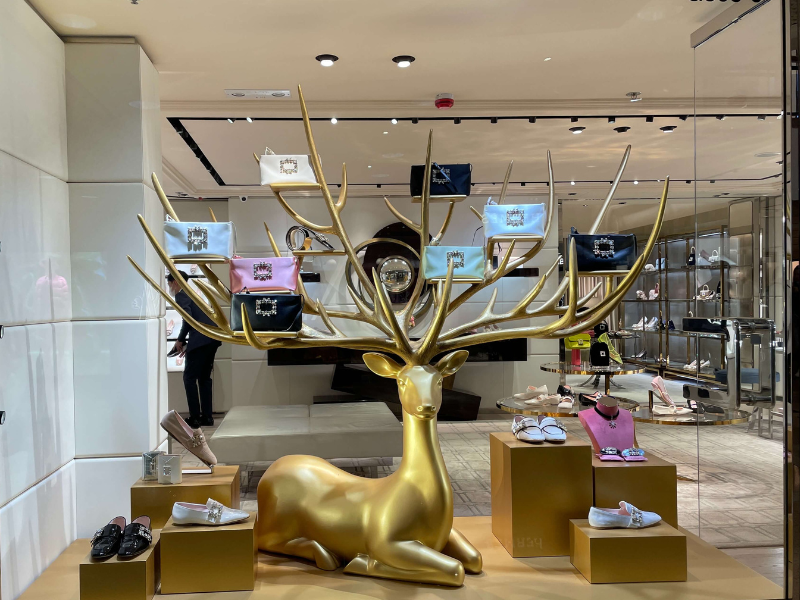
Window Display Props
Include oversized product replicas, sculptural forms, decorative objects, color-themed props, and campaign display elements.
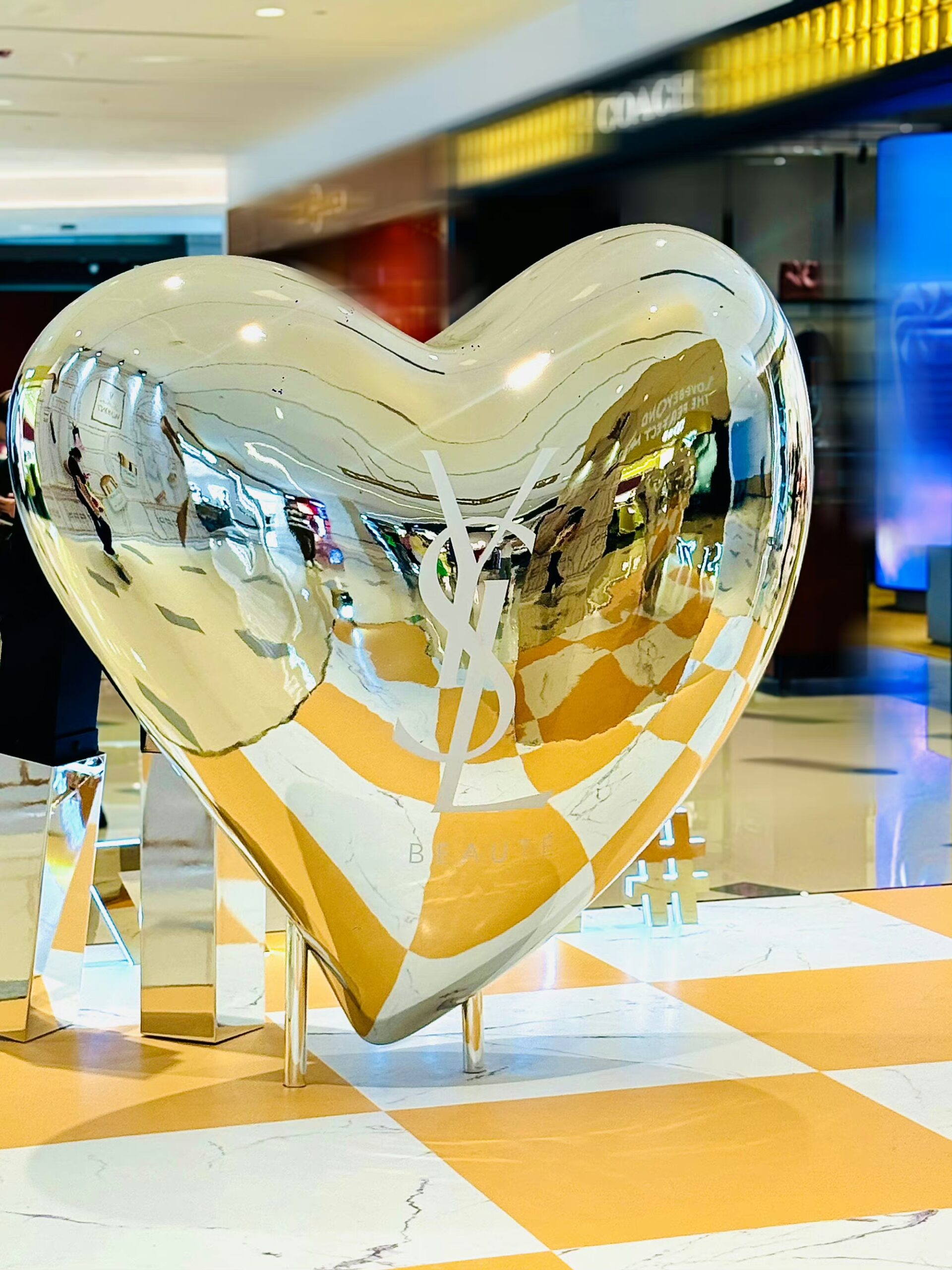
Oversized Display Props
Giant perfume bottles, gift boxes, bows, animals, sculptures, and large visual props for strong brand impact.
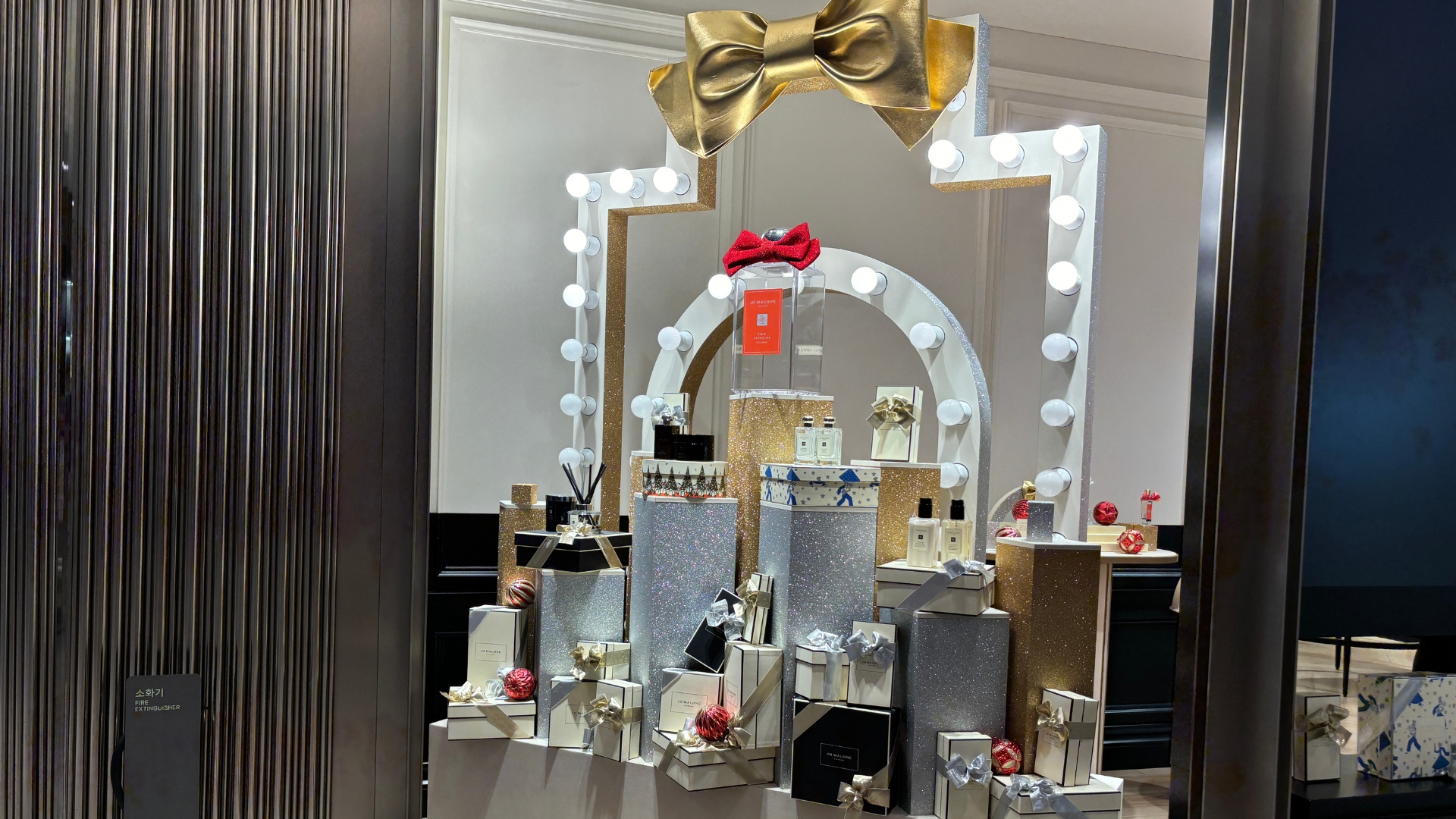
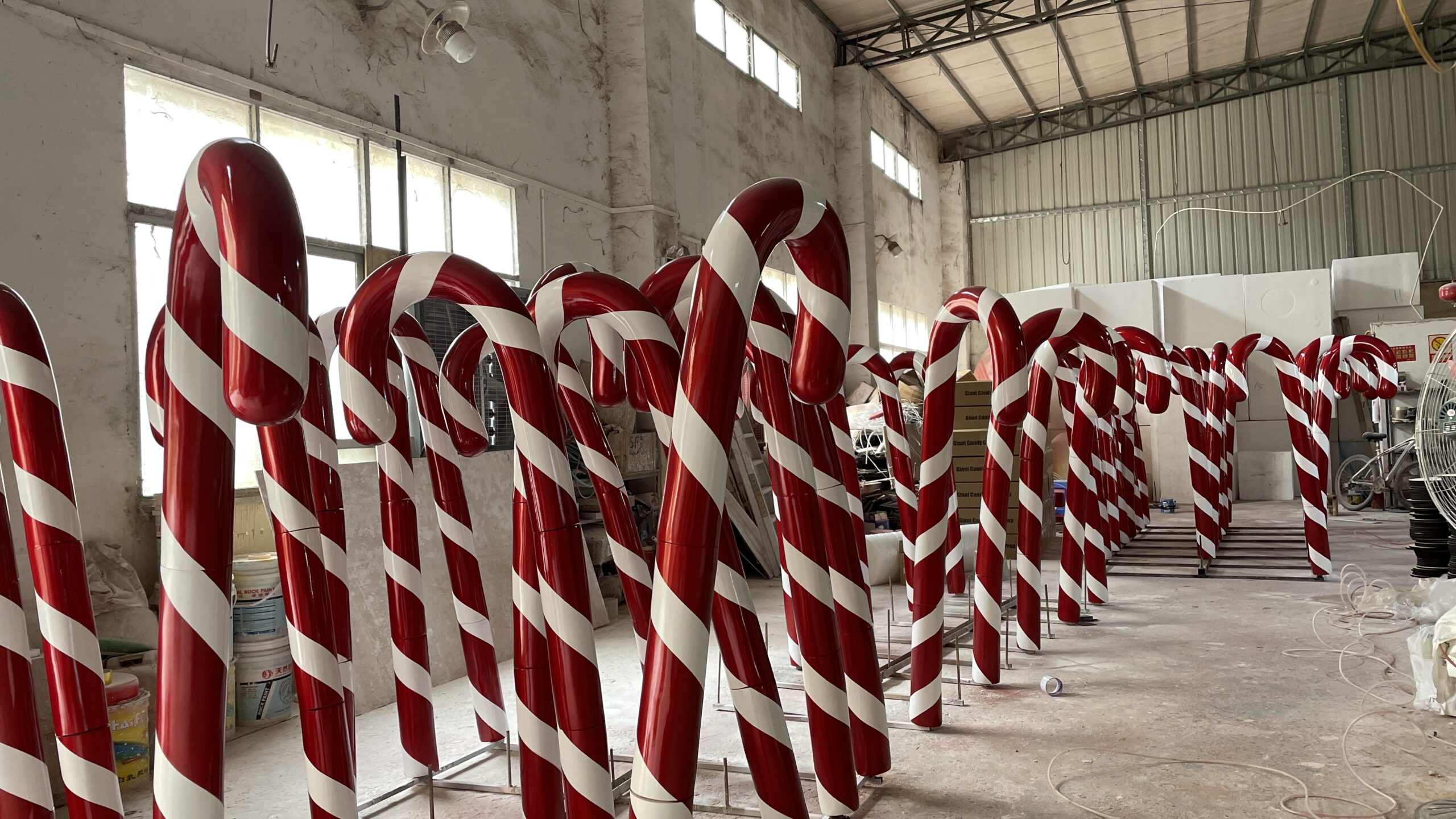
Seasonal & Holiday Props
Christmas displays, Valentine's Day props, Mother's Day displays, festive retail decorations with lightweight structures and vibrant themes.
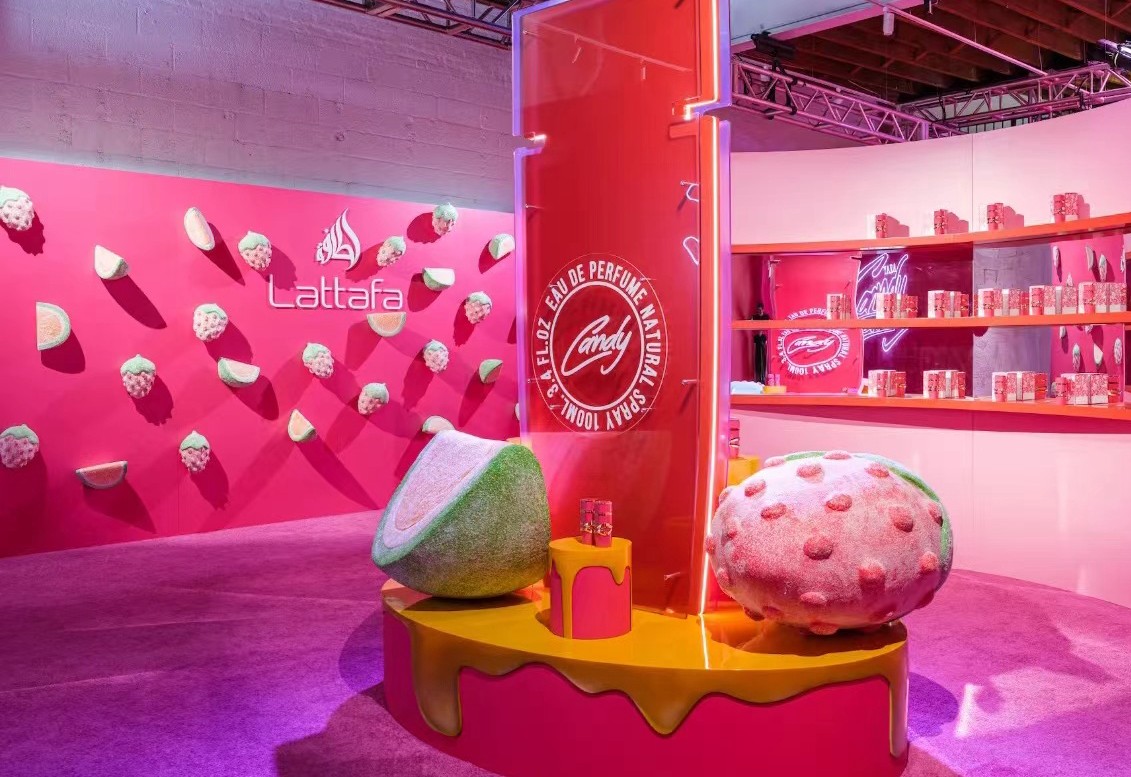
Pop-up & Event Display Props
Temporary branded props for pop-up stores, product launches, roadshows, campaign events, and retail activations.

Product Glorifiers & Counter Props
Small to medium-sized props used around perfume, cosmetics, watches, jewelry, and luxury products to enhance presentation.

POP / POS Display Props
Promotional display props, countertop displays, floor displays, and in-store marketing display elements for retail environments.
Custom Display Props Project
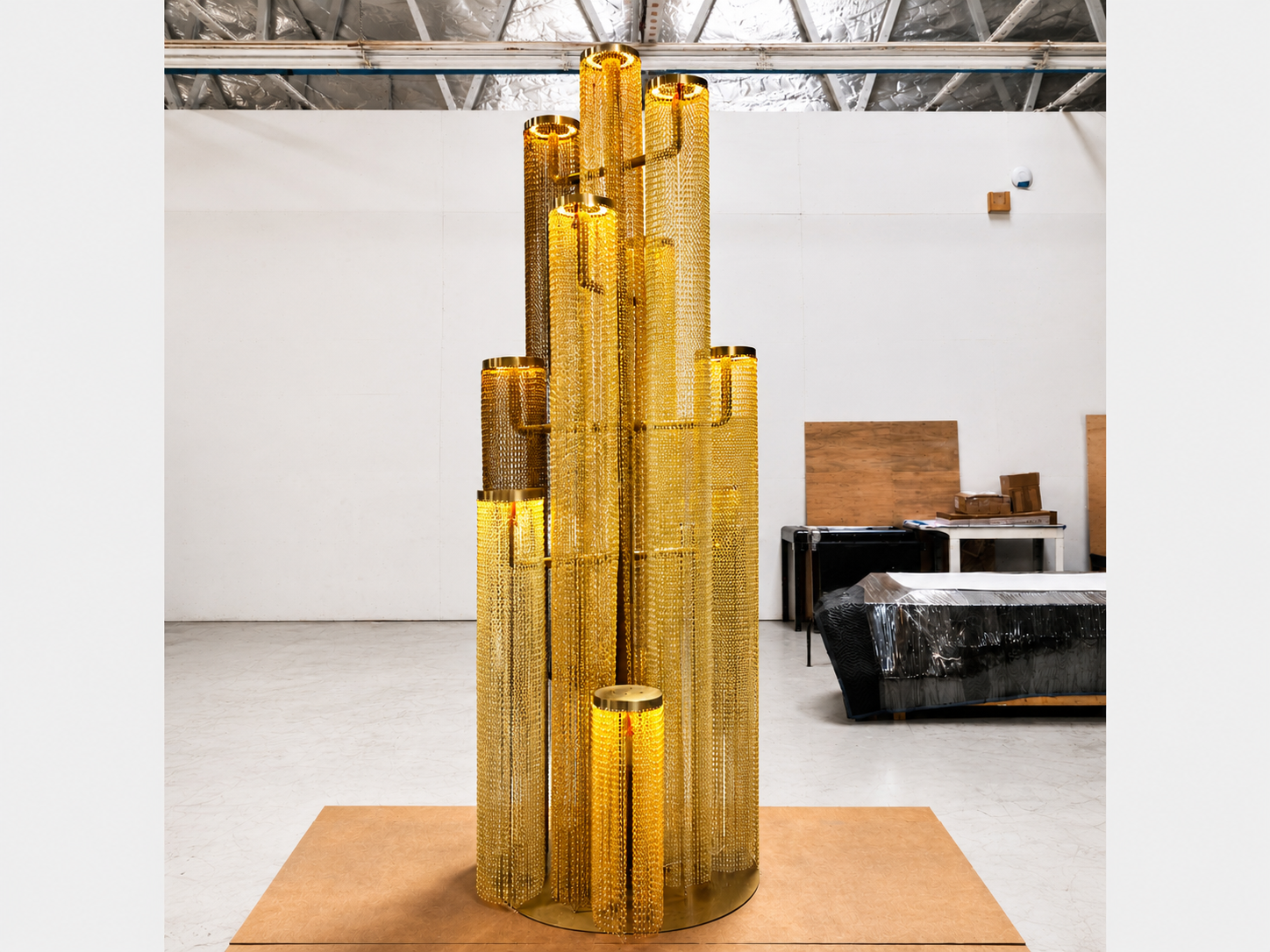
Metal Lighting Sculpture for a Window Display
A window display needed a metal lighting sculpture with hanging branches and decorative lights. The difficult part was not only the metal shape, but how the local team would install it.
We hid the wiring in advance, grouped the chains by height, packed the branches separately, and labeled each part by setup order. After pre-assembly checks, two people could finish the installation in about one hour, with a clean final look.

Wall-Mounted Acrylic Diamond Props
A boutique needed colored acrylic diamond props for a wall display. The main difficulty was not the shape, but the details: different acrylic colors had different transparency, each diamond needed clean cut edges, and the glued areas could not show bubbles or overflow.
Wall clips had to be positioned early, and each polished piece needed separated protection to avoid scratches. The finished wall looked colorful, light-catching, and clean.
Why Work With Samtop
On custom props, the small things are usually where problems show. Acrylic edges need to stay clean. Suitcase corners need the right radius. Lighting props need hidden wiring, not cables showing after setup.
For multi-part pieces, we check assembly, label parts, and group them in the order the local team will use them. It saves time on site and keeps the final display looking clean.
Materials & Finishes Chosen Around the Final Look
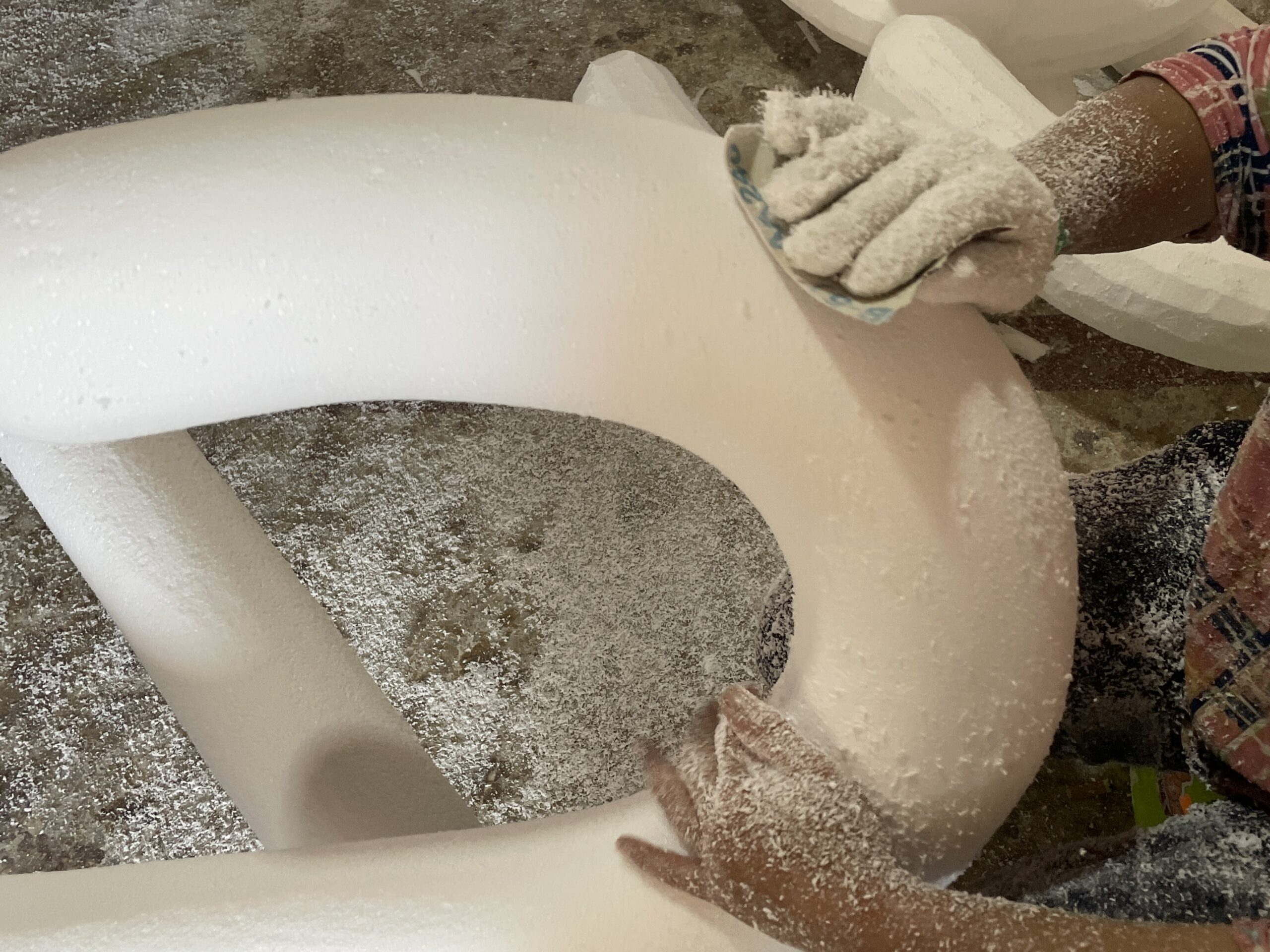
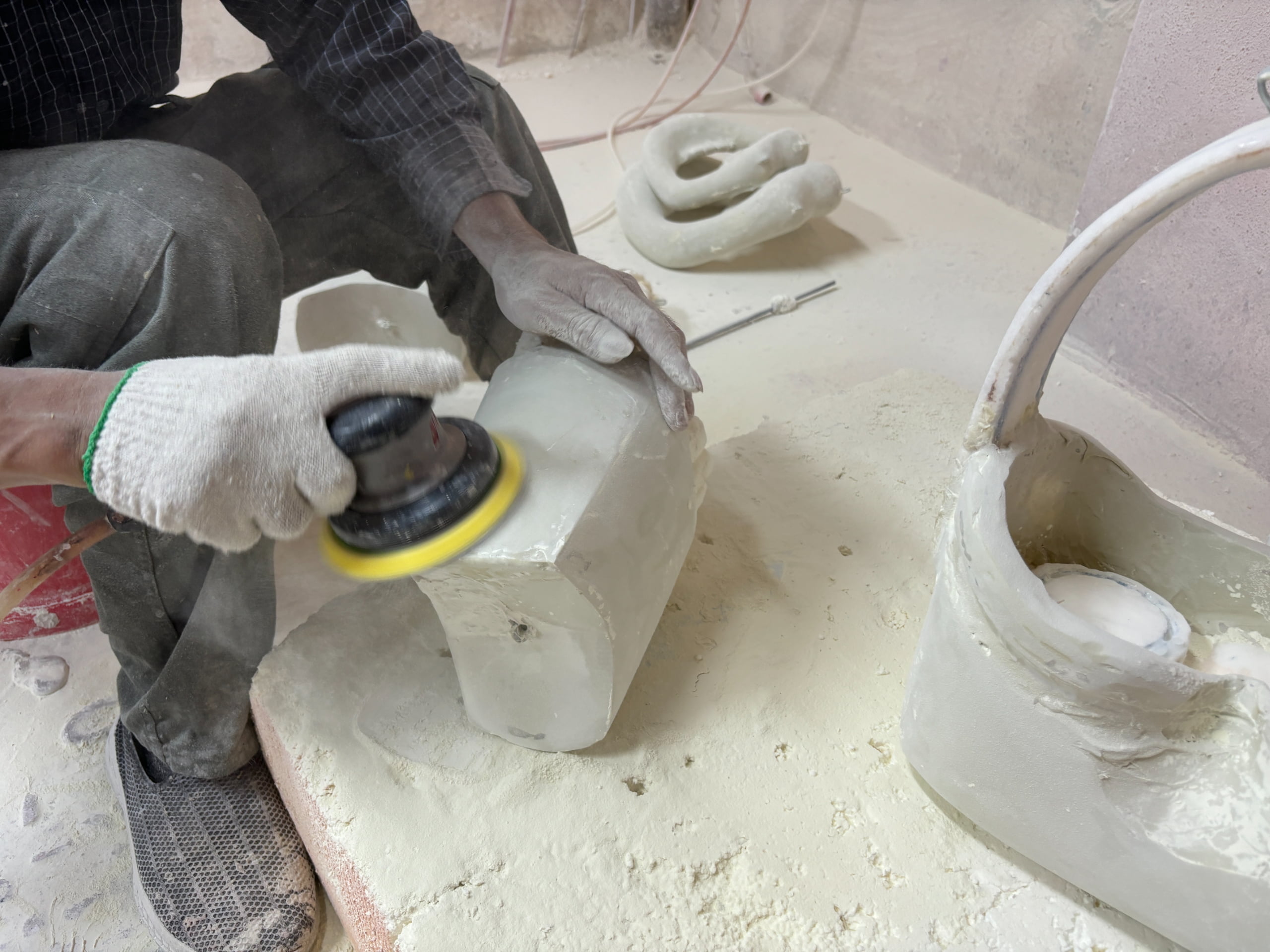
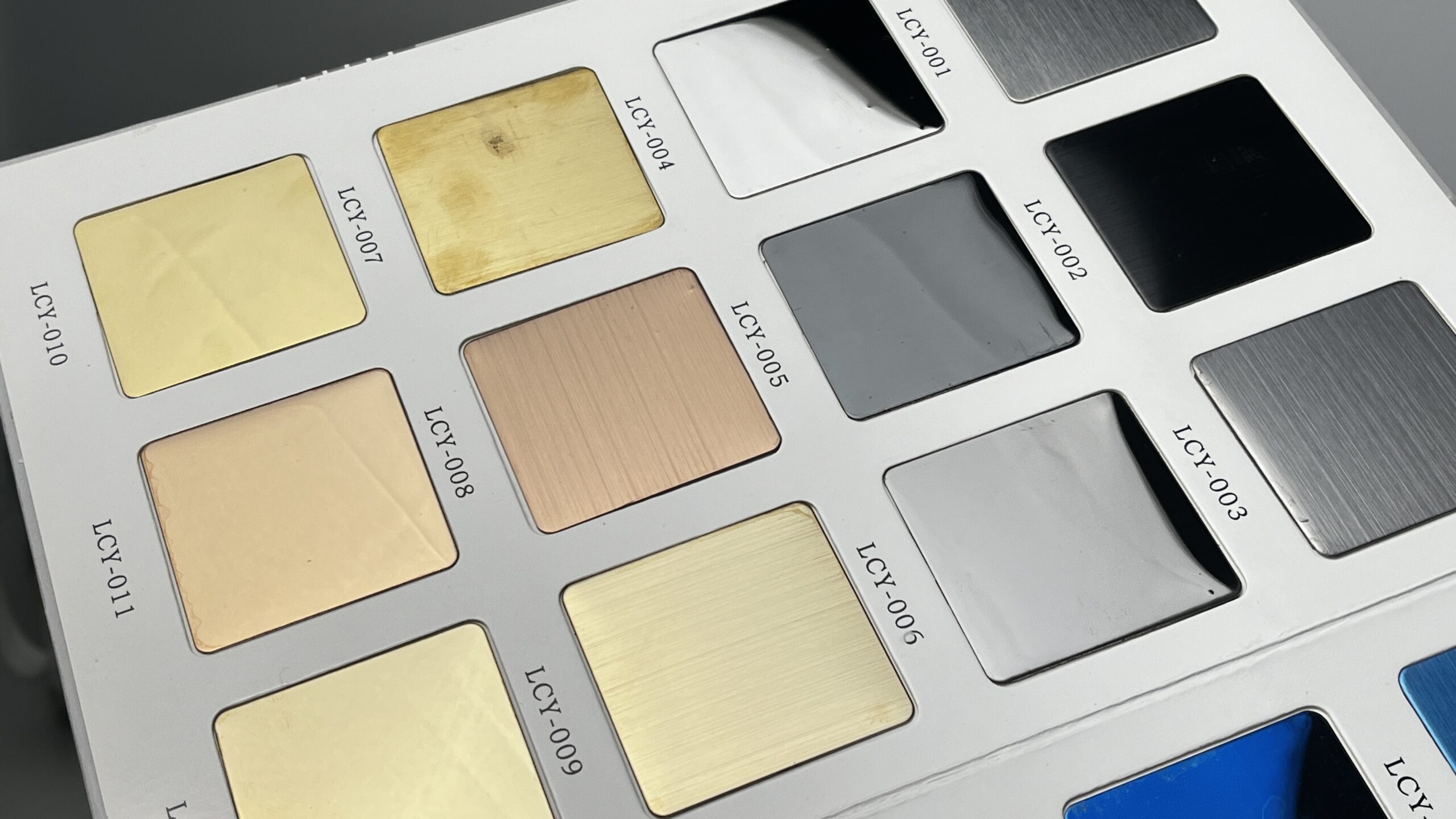
A wall-mounted acrylic prop, an oversized suitcase, and a metal lighting sculpture do not start from the same material logic. We choose materials and finishes based on shape, scale, lighting, viewing distance, and the final retail feeling.
Materials We Commonly Use


Finish Options
- Matte & High Gloss Paint
- Chrome Effect
- Metallic Coating
- Brushed Finish
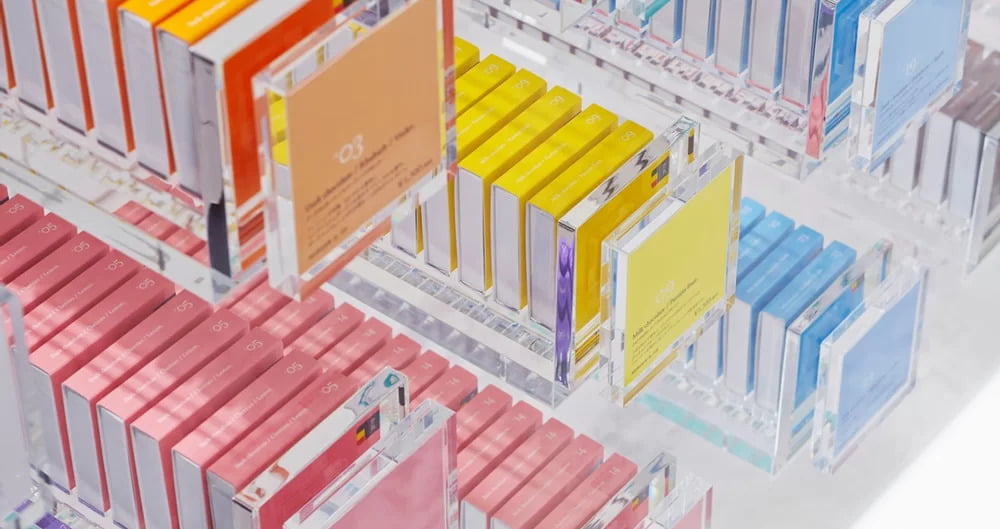
- Translucent Acrylic
- Faux Marble
- Leather Wrapping
- Fabric Wrapping
- UV Printing
- Silk Screen Logo
- Gradient Color
- Textured Coating
The Real Feedback From Our Client

"Samtop helped us turn a rough window concept into a workable display prop. They understood which visual details mattered and suggested a better production plan before sampling."

"We had several color acrylic pieces for a retail wall display. The team helped us control the color, edge finish, and overall layout so the final props looked clean and premium."

"The oversized prop needed to look close to the rendering but still be practical to produce. Samtop gave useful advice on material, finish, and structure before production started."
Custom Display Props FAQ
What if the prop looks good in the rendering but may not work in real production?
How do you avoid the finished prop looking cheaper than the concept?
Can you make props with irregular shapes, curves, or sculptural forms?
How do you choose the right material for a custom display prop?
Do small-batch props need molds?
Can you help make a complex prop easier for local installation?
How do you handle custom display props with lighting?
What should be confirmed during the sample stage?
How do you balance visual impact and production cost?
Can you produce props that combine metal, acrylic, lighting, resin, or fabric?
How to Turn a Custom Display Prop Concept Into a Real Retail Display
Most custom display prop projects do not start with a finished technical drawing. They start with a rendering, a sketch, a product photo, a mood board, or a reference image from a campaign deck. That is normal. At the early stage, the question is not only, "Can you make this?" A better question is: what needs to stay true to the idea, and what can change so the piece can actually be produced? A fixture usually needs to hold products. A prop needs to create a feeling. That is why the work is different.
Start With the Display Job
Before talking about material, it helps to ask what the prop is supposed to do. Some props stop people outside a window. Some make a small product feel more important. Some build a seasonal mood. Others become a background for product launches, photos, or pop-up campaigns.
A wall of colored acrylic diamond props is a good example. It is not just decoration. The color rhythm, polished edges, spacing, and reflection decide whether the wall feels premium. If the edges are rough or the colors look flat, the jewel-like effect disappears.
An oversized suitcase has another job. It creates scale and helps tell a travel story. But it only works if the shape feels right. The body thickness, handle size, corner radius, seam line, and surface finish all matter. If those details are too simple, it quickly looks like a large storage box.
The first question should be simple: what should people notice first?
Keep What People See, Change What They Don't
Renderings are made to show an idea. They do not always explain how the object should be built. Some details need to stay close to the concept. Others can be adjusted. The trick is knowing which is which.
For the suitcase prop, the front silhouette, handle feeling, corner shape, color tone, and surface texture are part of the visual identity. Those details need care. The inner structure, back side, wall thickness, or fixing method can often change if they are not visible from the main viewing angle.
For acrylic diamond wall props, the front view matters most: color clarity, edge polish, faceted shape, reflection, and layout. The fixing method should disappear as much as possible. If customers see messy screws, shadows, glue marks, or cloudy bonding areas, the premium feeling drops immediately. This is especially true with transparent acrylic. Small mistakes are hard to hide.
Pick the Process After Seeing the Shape
Different display props should not be made the same way. Acrylic diamond wall props need clean cutting, polished edges, controlled bonding, and a fixing method that does not disturb the front view. An oversized suitcase needs proportion control first: body thickness, corner radius, handle size, seam detail, and surface finish. A metal lighting sculpture needs a different kind of planning: branch direction, chain height, wiring route, and pre-assembly before it leaves the factory.
For a one-off window prop, opening a mold is not always necessary. For repeated campaign pieces, a template, fixture, or mold may make more sense. The decision should come from the shape, quantity, visible details, and finish standard. Not from habit.
Material Comes After the Visual Problem
Material should not be chosen too early. A rendering may look simple, but the real question is usually more specific. Does the prop need to look light, sharp, soft, glossy, transparent, sculptural, or solid?
A wall of acrylic diamond props may sound simple because the material is acrylic. In production, the real work is more detailed. Different color sheets can have different transparency. Each diamond has cutting faces and edge angles. The glue area cannot show bubbles, overflow, or cloudy marks. Wall clips also need to be positioned early, or the layout may look untidy after installation.
An oversized suitcase has a different problem. The material choice depends on how large it is, how close people will stand to it, and which details need to stay realistic.
A metal lighting sculpture has another logic again. The key is not only the metal finish. Branch direction, chain height, hidden wiring, lighting position, and pre-assembly all affect whether the finished piece looks clean in the window.
So the better question is not "Which material is best?" It is "What visual problem does this prop need to solve?"
Finish Is Usually Where Cheapness Shows
A prop can have the right shape and still feel wrong if the finish is off. For acrylic diamond props, the surface has to stay clean. Every bubble, scratch, glue mark, or rough edge becomes visible under retail lighting. For an oversized suitcase, the paint finish and surface texture decide whether it feels like a branded travel object or just a large display box. For a metal lighting sculpture, the finish has to work with the light, not fight against it.
This is why finish should be discussed before production starts. Surface standard, edge treatment, lighting condition, and viewing distance all need to be clear before the prop is fully made.
Samples Are Not Just for Approval Photos
For custom display props, a sample sets the production standard. A sample can show whether the color is too strong, whether the corner shape feels right, whether the acrylic edge is clean, whether the surface looks premium enough, or whether the logo position works from the viewing angle.
For acrylic diamond props, a sample may confirm thickness, color, polish, reflection, spacing, and bonding quality. For a suitcase prop, a partial sample may be enough to check the handle, seam, corner radius, and finish. For a metal lighting sculpture, pre-assembly can confirm branch direction, chain height, wiring path, and part grouping.
Once the sample or finish reference is approved, it becomes the standard. That is much clearer than trying to judge everything by saying, "It should feel like the rendering."
Some Props Need to Be Prepared Before They Reach the Store
Not every prop needs special setup planning. Lighting props, hanging props, wall-mounted pieces, and multi-part sculptures often do.
One metal lighting sculpture we worked on had branches, different chain heights, decorative lighting parts, and hidden wiring. The metal work was only part of the job. The piece also had to arrive in a way that made sense for the local team. The chains were grouped by height. The branches were packed by section. The wiring was hidden before delivery. Parts were labeled according to the setup sequence. With that preparation, two people could complete the installation in about one hour.
That kind of result comes from thinking about the prop as a finished retail piece, not just a fabricated object.
Put the Budget Where People Actually Look
Custom props are usually made for a campaign, window, pop-up, counter area, or seasonal scene. The budget should go into the parts customers actually see. Front-facing shape, color, finish, edge line, logo position, light effect, and product relationship usually matter most. Hidden backs, inner supports, or low-visibility areas can often be simplified without changing the final look. That is not cutting corners. It is choosing where the work matters.
Whether the project is a wall of acrylic diamonds, an oversized suitcase, a metal lighting sculpture, a giant product replica, or a sculptural seasonal prop, the goal is the same: make the creative idea work as a real display prop, with the right shape, finish, and presence in store.
Tell Us About Your Custom Display Props Project
Send us your drawings, sketches, reference images, or project brief. Our team can review the structure, materials, finishes, quantity, timeline, and delivery needs before quotation.
Please include:
- Product type
- Size and structure
- Materials and finishes
- Quantity and budget
- Usage scenario
- Timeline and delivery location
Get feedback in 24 hours -- avoid costly production mistakes.