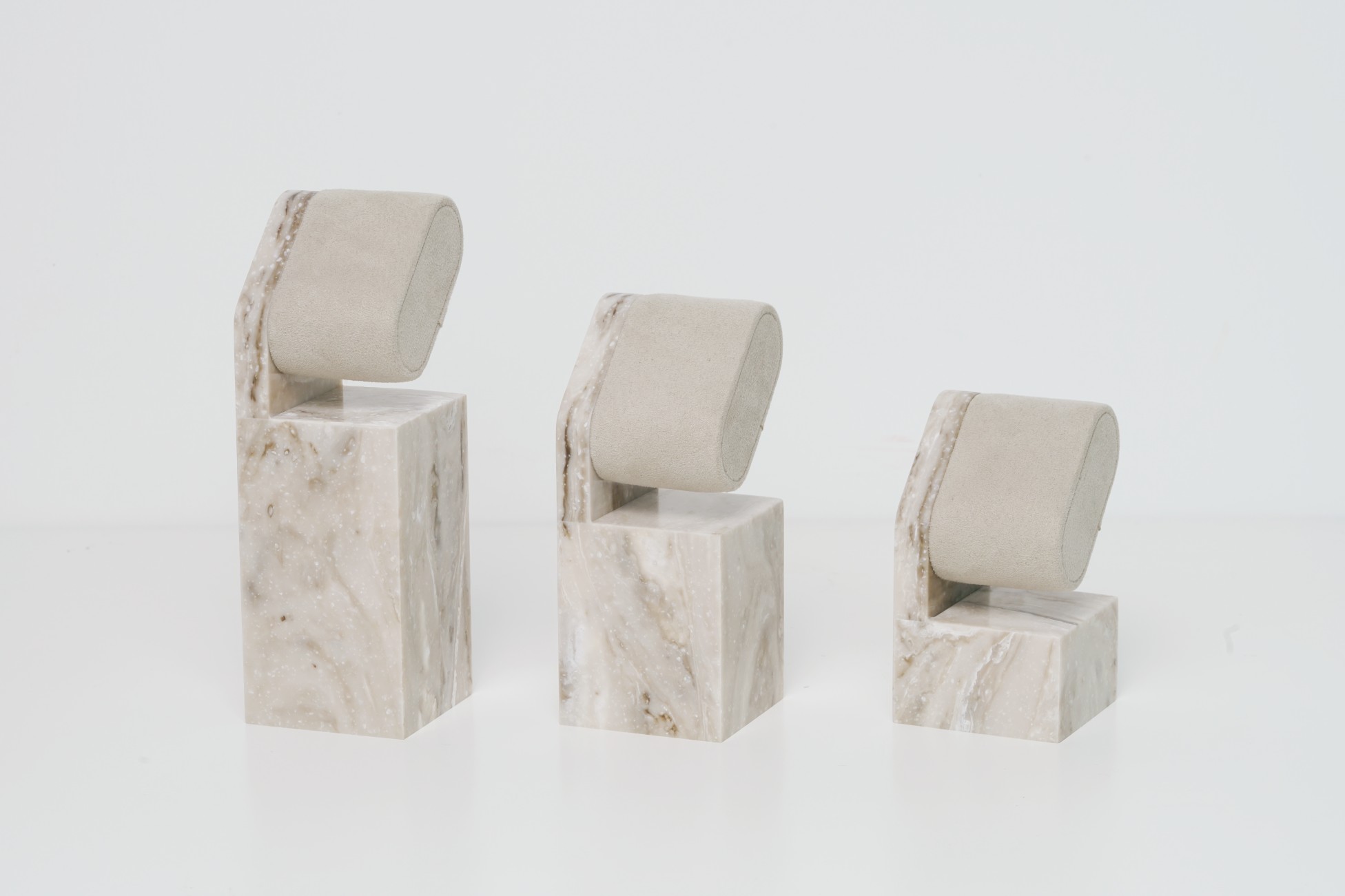
Application of 3D printing in window display
When it comes to disruptive technologies, 3D printing undoubtedly stands out as a remarkable game-changer, especially in the realm of window displays and retail displays. With its infinite possibilities and astonishing practicality, it has sparked a revolution in the manufacturing industry and design field, enabling the creation of stunning and attention-grabbing showcases. Here are some specific applications:
1. Creative Art Installations
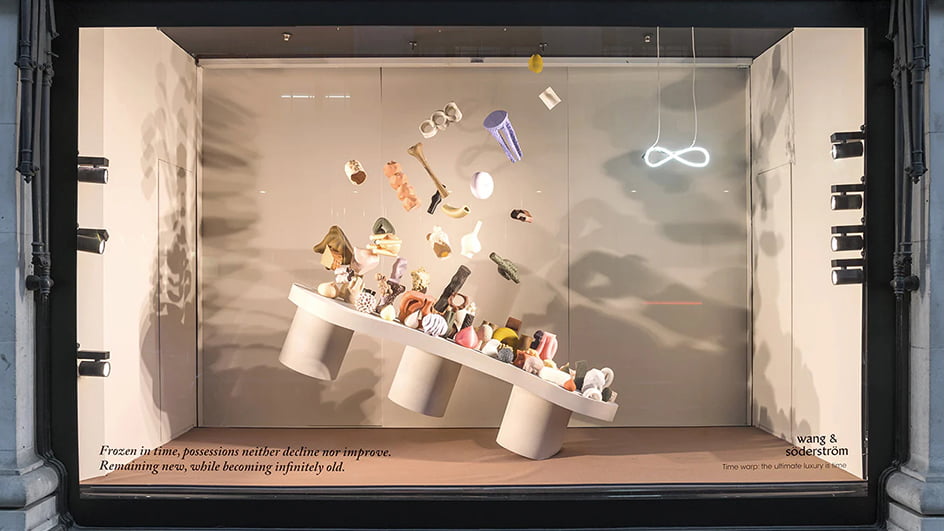
Through 3D printing technology, we can directly create a wide range of unique art installations for window displays, such as abstract shapes, artistic sculptures, or realistic models of animals and plants. These art installations become the focal point of window displays, providing potential customers with a visually captivating experience.
2. Customized Product Displays
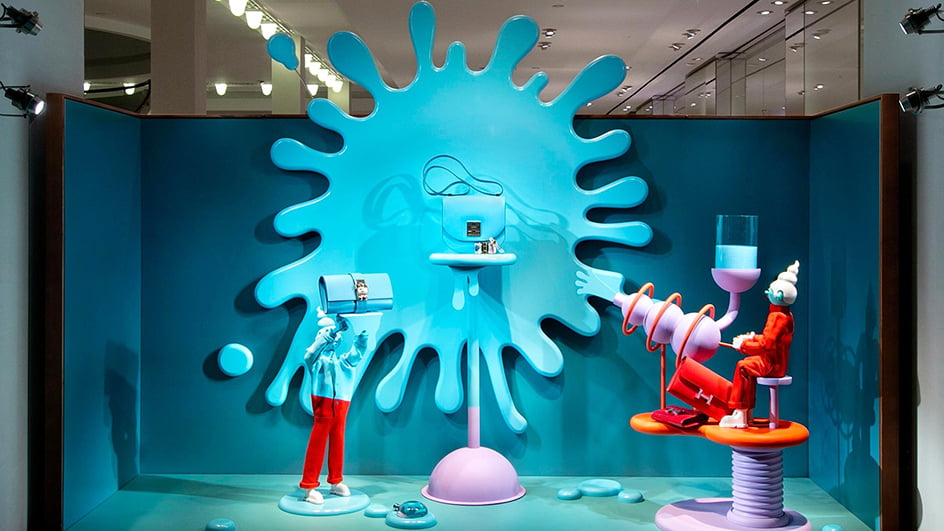
Using 3D printing technology, we can customize display stands based on the specific shapes of products, highlighting their features and advantages with creative touches, maximizing their visibility to customers. Compared to traditional manufacturing methods, 3D printing can achieve complex internal structures and hollow designs, reducing the weight of objects while maintaining sufficient strength and stability. The lightweight design facilitates transportation and arrangement, while reducing the load on the window structure.
3. Displaying Product Prototypes on Windows
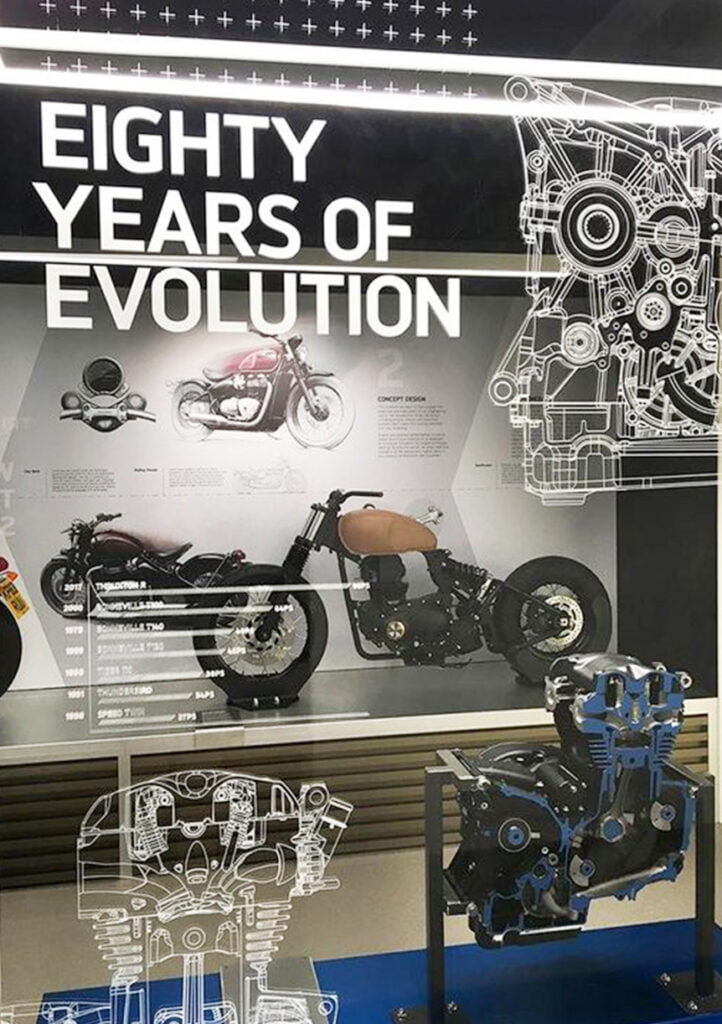
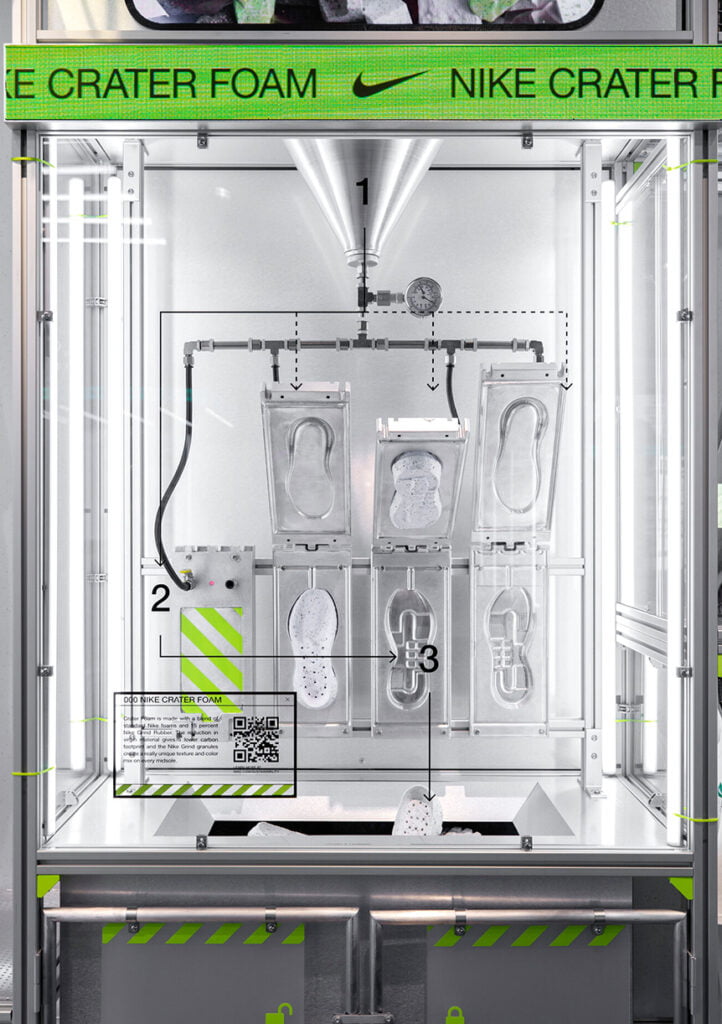
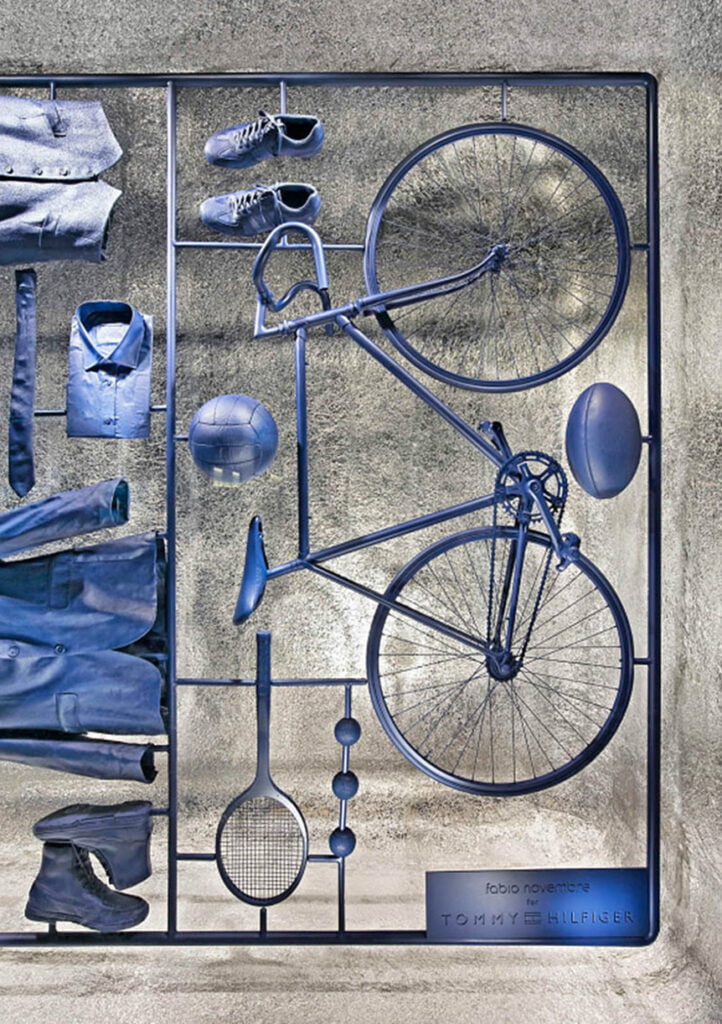
Displaying product prototypes in the window can enhance the realism and visual effect of the showcase. Through 3D printing technology, we can enlarge the products to showcase their appearance to the audience, or use disassembled product models to help viewers better understand complex principles, functionalities, and design features.
4. Dynamic Window Displays
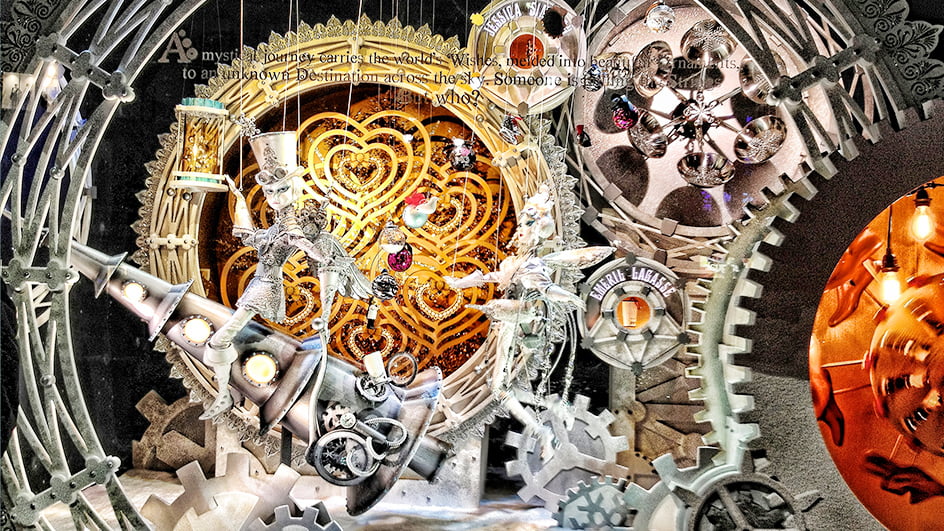
Combining 3D printing with other components such as electronic elements or motion devices, we can create adjustable connectors or movable parts that offer morphological changes, resulting in displays with varying appearances and effects. For instance, in window displays, large rotating gear models or blinking LED lighting effects can be created, producing dynamic and attention-grabbing showcases that dispel any sense of monotony.
5. Signage and Branding Displays
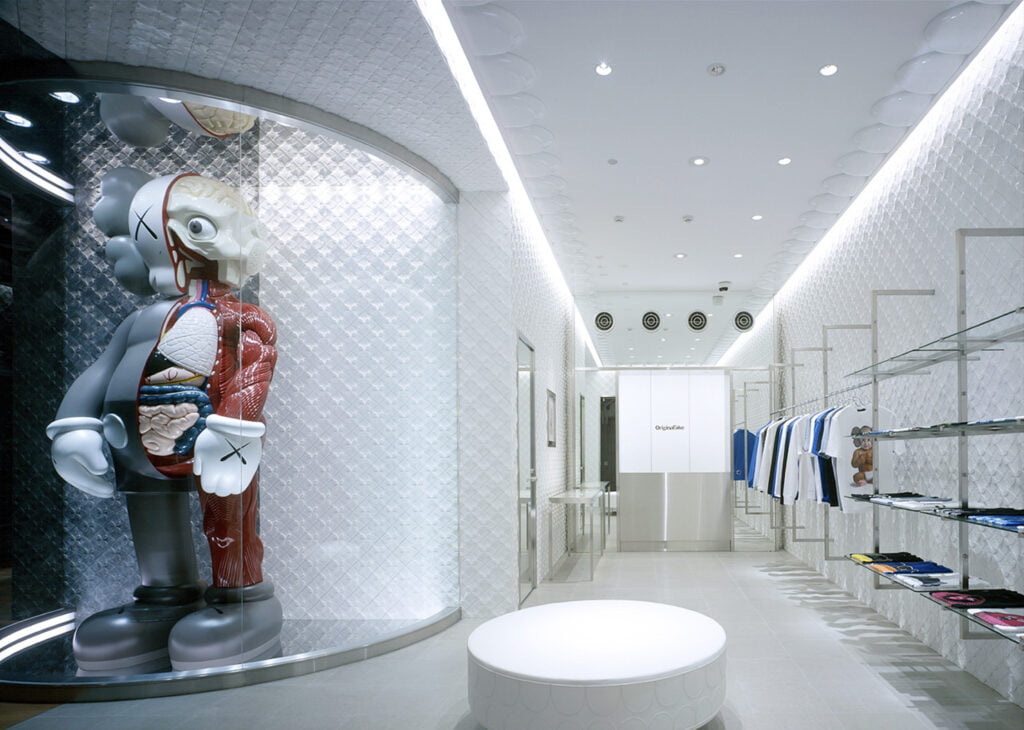
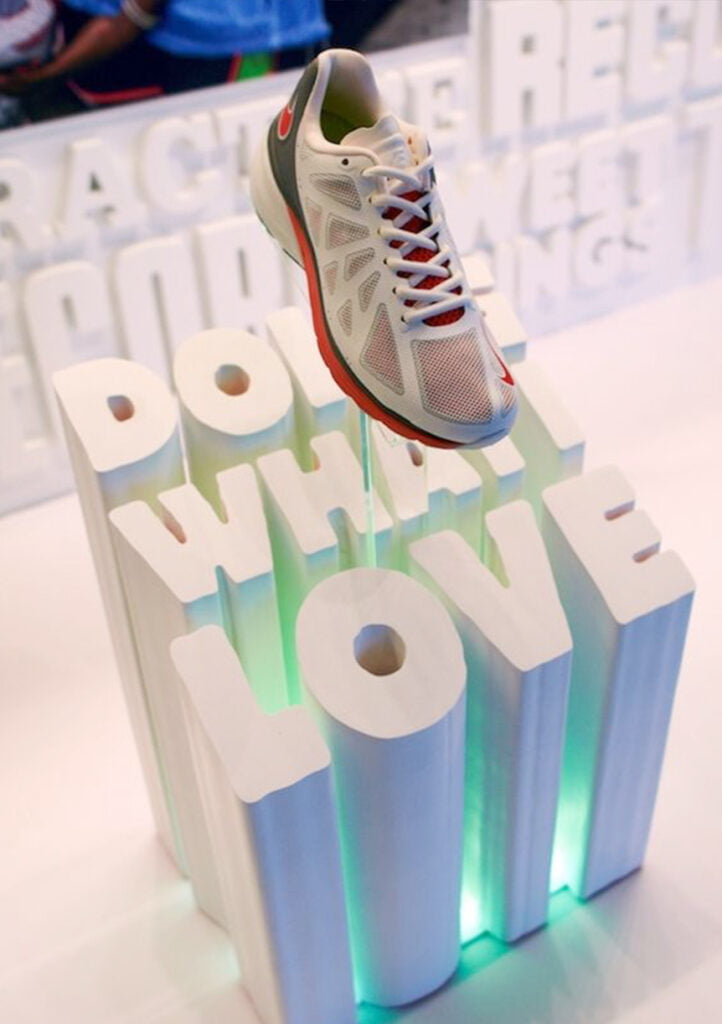
Settings 3D printing technology enables the creation of signage, brand identities, or even brand mascots with complex shapes and intricate details. These unique elements add personalization and enhance brand recognition in retail displays.
6. Thematic Decorations in Windows Displays
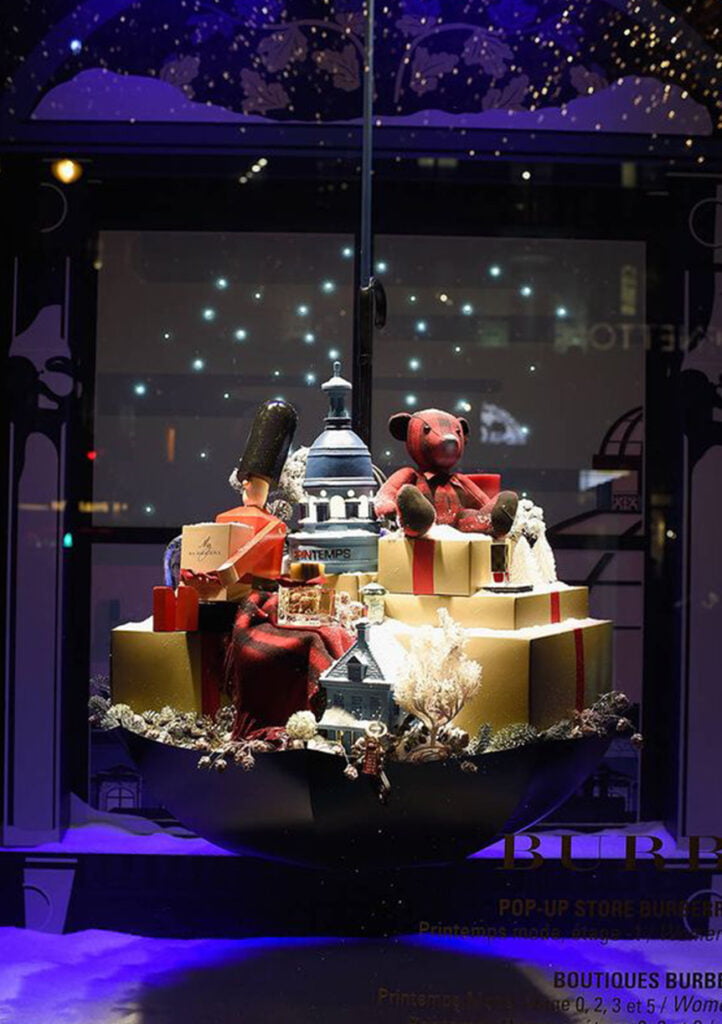

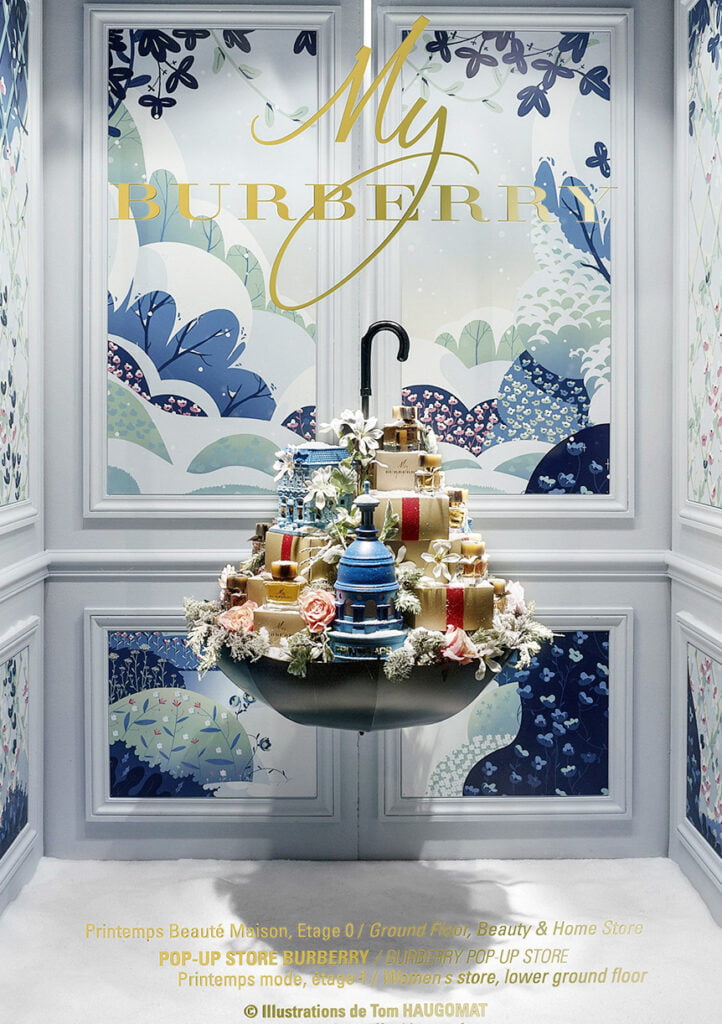
Using 3D printing technology, we can produce thematic decorations tailored to specific occasions or seasons. This allows for quick adjustments and updates to window and retail displays, enabling retailers to create immersive environments that attract customer interest, particularly during festive seasons.
7. Interactive and Personalized Retail Displays
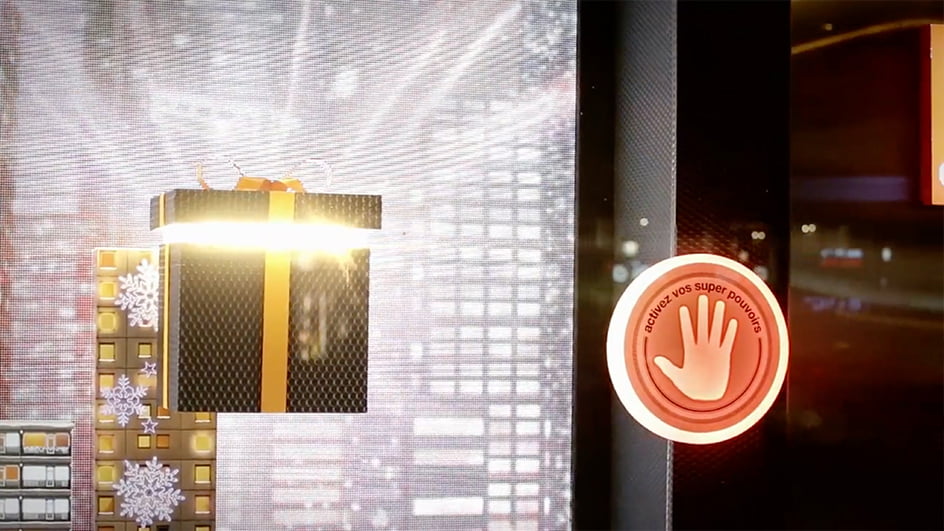
By combining 3D printed objects with sensors, lighting, and sound effects, we can create interactive and personalized retail displays. Incorporating sensor technology, interactive and touch-sensitive 3D printed display items allow customers to engage with the displays, increasing their involvement and leaving a lasting impression. Additionally, by integrating physical 3D printed objects with Virtual Reality (VR) or Augmented Reality (AR) technologies, a whole new level of interactive experience can be brought to retail displays. Customers can interact with the 3D printed display objects through VR headsets or AR applications, exploring additional dimensions of content and information, gaining a deeper understanding of product features, and stimulating their desire to make a purchase.
8.Sustainable Design and Eco-friendly Materials for Retail Displays
By utilizing renewable or biodegradable materials in 3D printing, retailers can create sustainable and environmentally-friendly retail displays. This design approach appeals to environmentally-conscious consumers and conveys the brand's commitment to sustainable development.
The process of 3D printing application in window display
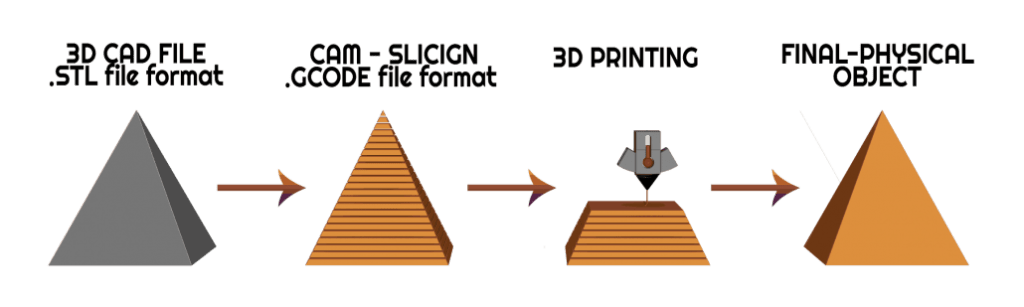
If you're eager to leverage 3D technology to create a brand new window or retail display, the following detailed step-by-step guide will help you bring the charm of your window and retail displays to life:
1. Needs Analysis for Window Displays
We begin by conducting a thorough analysis of the design, functionality, and requirements of the window and retail displays. This includes understanding the dimensions, shapes, colors, materials, and branding elements that align with your brand image and marketing goals.