What to Review, Confirm, and Sign Off to Avoid Surprise […]
What to Review, Confirm, and Sign Off to Avoid Surprises Later
A QC checklist before mass production helps confirm structure, color, branding, lighting, and packaging against the approved sample. It serves as the last safeguard to prevent costly mistakes, color mismatches, and rollout delays before retail displays enter mass manufacturing.
Mass production is where a great display concept becomes a real retail asset—or a costly mistake. Even with a strong prototype in hand, things can still go wrong: a Pantone shade shifts under warm lighting, branding prints softer than expected, or packaging protection proves insufficient during transit.
This is exactly why every brand needs a QC checklist before mass production. It is your final safeguard, ensuring the production line follows the approved materials, structure, finishes, and brand details with absolute accuracy.
Below is the complete, field-tested checklist we use at Samtop when managing international VM rollouts for premium brands.
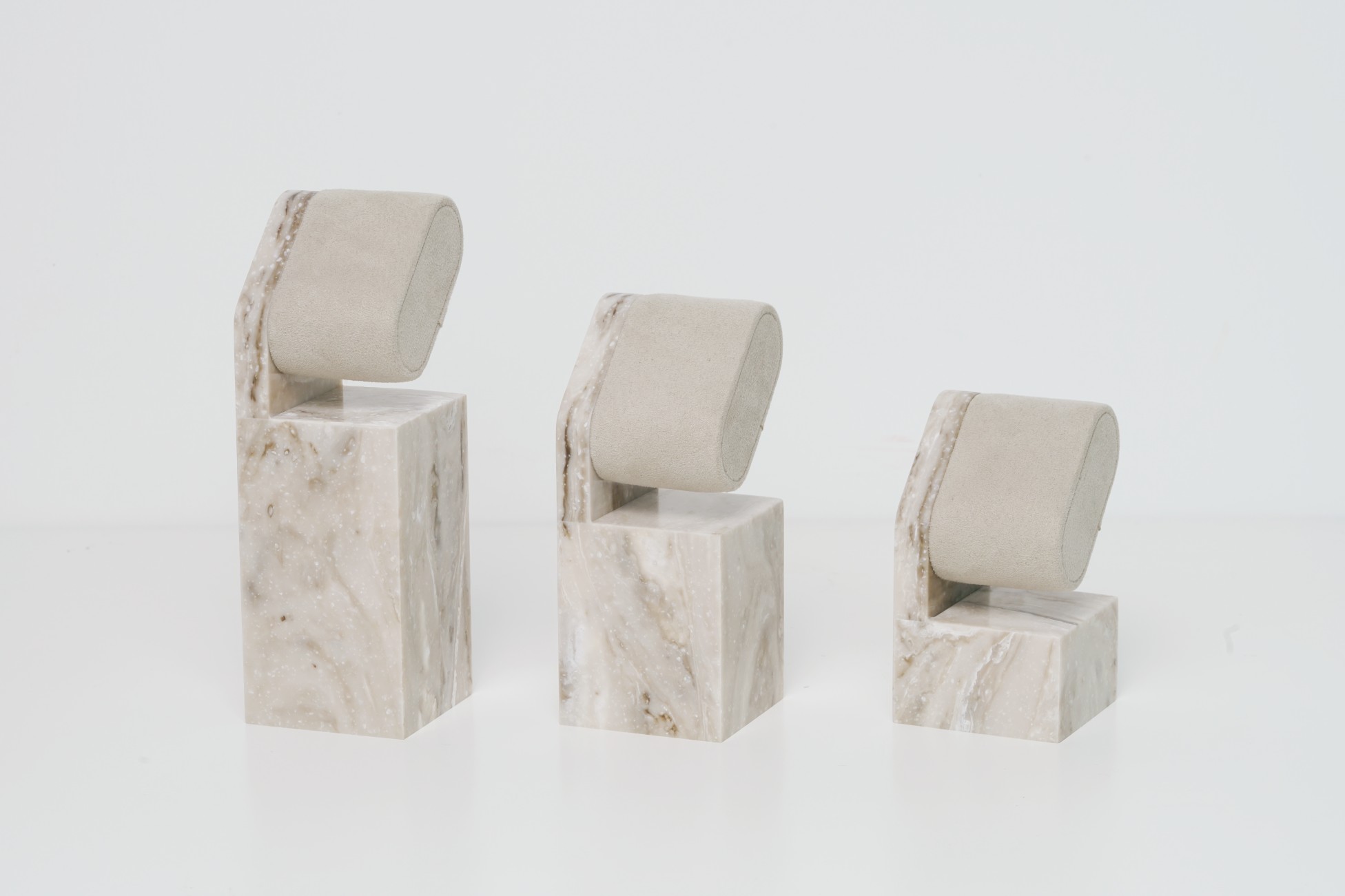
Side-by-side Pantone and final finish under retail light
1. When Should the QC Checklist Be Used?
The pre-production QC phase sits between two critical milestones:
After Prototype Approval
The factory builds a “Final Pre-production Unit” (FPU) using the exact materials, logos, finishes, and packaging intended for mass production.
Before Mass Production Starts
This is the decision point: approve the FPU or request refinements. Once production begins, changes become expensive and time-consuming.
This stage is also known as:
FAI — First Article Inspection
Golden Sample Review
Both terms describe the same purpose: verifying that the factory can replicate the approved sample at scale.
2. Structure & Dimensions
Structural consistency is the backbone of any VM fixture.
Dimensions match drawings within ±2 mm
Stable footing; no wobbling or leaning
All joinery tight and flush
Assembly method matches the brief (tool-free or labeled hardware)
A 1–2 mm misplacement might go unnoticed in the factory but becomes obvious in-store.
5. Materials & Construction
Every element must match the Bill of Materials (BOM).
MDF vs plywood vs acrylic thickness verified
Edges clean and consistent
No visible glue residue
Hardware materials match spec (steel grade, finish type)
Most QC failures happen because the factory substitutes a material “that looks similar.” Never skip BOM cross-checking.
6. Lighting System (If Applicable)
LED elements require their own set of checks.
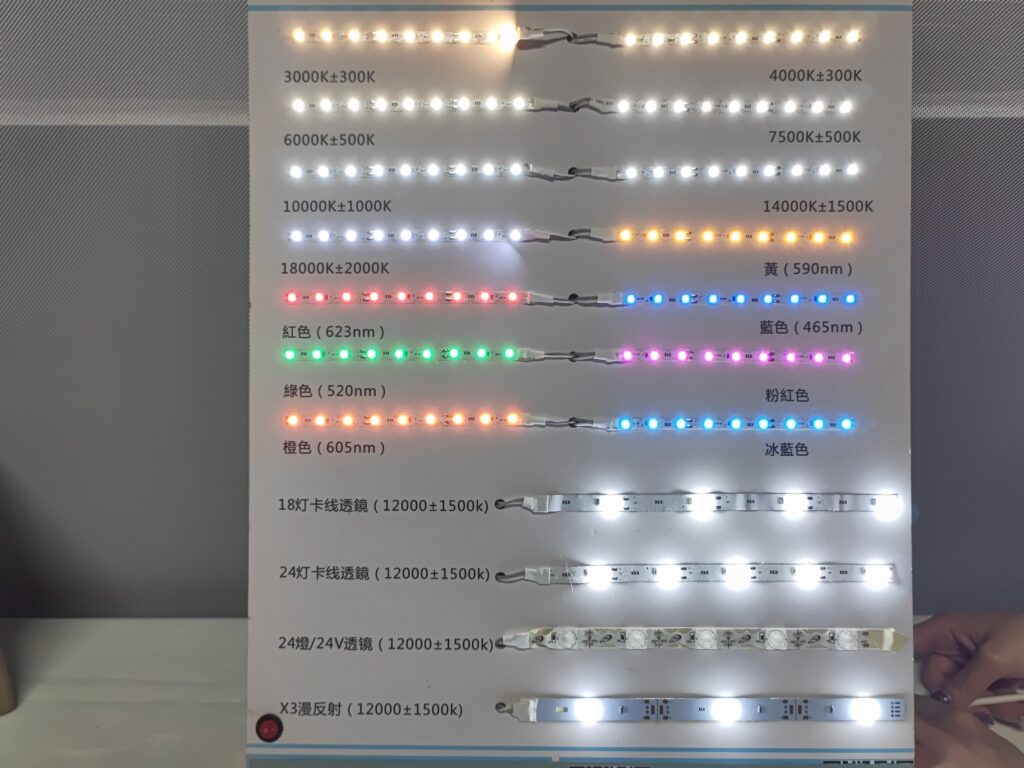
Brightness uniform across all strips or modules
Visual Merchandising Solutions
Transform your retail space with custom POP displays, window decorations, and luxury merchandising solutions. Get expert consultation and premium manufacturing services.
✓ 20+ Years Experience • ✓ Global Shipping • ✓ Custom Manufacturing
No flicker when filmed on phone camera
Color temperature exactly matches spec (e.g., 3000K warm white)
Cable routing hidden or tied neatly
Power access stable, safe, and accessible
Request a video demo showing lighting under ambient conditions.
7. Packaging & Protection
Packaging determines whether your display arrives ready to install—or damaged.
Foam density and thickness match approved sample
All components separated with board dividers
Outer carton shows correct labeling + orientation
QR code or printed instruction included
Drop test passed if shipping long distances
Also request: A complete unboxing photo sequence from factory staff.
8. Final Visual Consistency
The FPU must match three references:
Approved render
Prototype sample
Material sample board
Verify consistency across:
Sight lines
Brand hierarchy
Left-right symmetry
Overall balance and proportions
This step prevents subtle “visual drift” when units are displayed side-by-side in retail stores.
Real Case: How a QC Checklist Prevented a Failed Rollout
A European beauty brand required strict adherence to Pantone and logo placement. Samtop delivered:
Macro photos of branding
Pantone comparison under two lighting temperatures
20-photo QC report
Unboxing + assembly + lighting videos
Result: The client approved remotely—no factory visit needed. Mass production began the next day.
This is the value of a strong QC system: confidence without travel.
FAQ — QC Checklist Before Mass Production
Q1: Can QC be approved remotely?
Yes. With well-lit photos, Pantone comparisons, detail shots, and videos, remote QC is reliable and widely used.
Q2: Who should sign off the QC?
Brand team: color + logo
VM team: structure + layout
Procurement team: packaging + compliance
Q3: Can major changes be made after QC approval?
Minor fixes are possible. Major changes cause delays—this is why pre-production QC is the final safety net.
Q4: What is the most overlooked QC detail?
Lighting consistency and packaging protection—both crucial for global shipping.
Conclusion: QC Is Not the Last Step — It’s the Safety Net
A thorough QC checklist ensures that what you approved is exactly what your stores receive.
✔ Verify structure, finish, branding, lighting, packaging ✔ Approve with visual evidence, not assumptions ✔ Align across design, VM, and procurement ✔ Avoid costly mistakes before they multiply
A strong QC process saves money, protects brand consistency, and accelerates global rollout.
Hi, I’m Bob, the funder of SamTop.com, Our company makes visual merchandising props, retail display stands and window display decoration for many years now, and the purpose of this article is to share with you the knowledge related to retail displays from a Chinese supplier’s perspective.