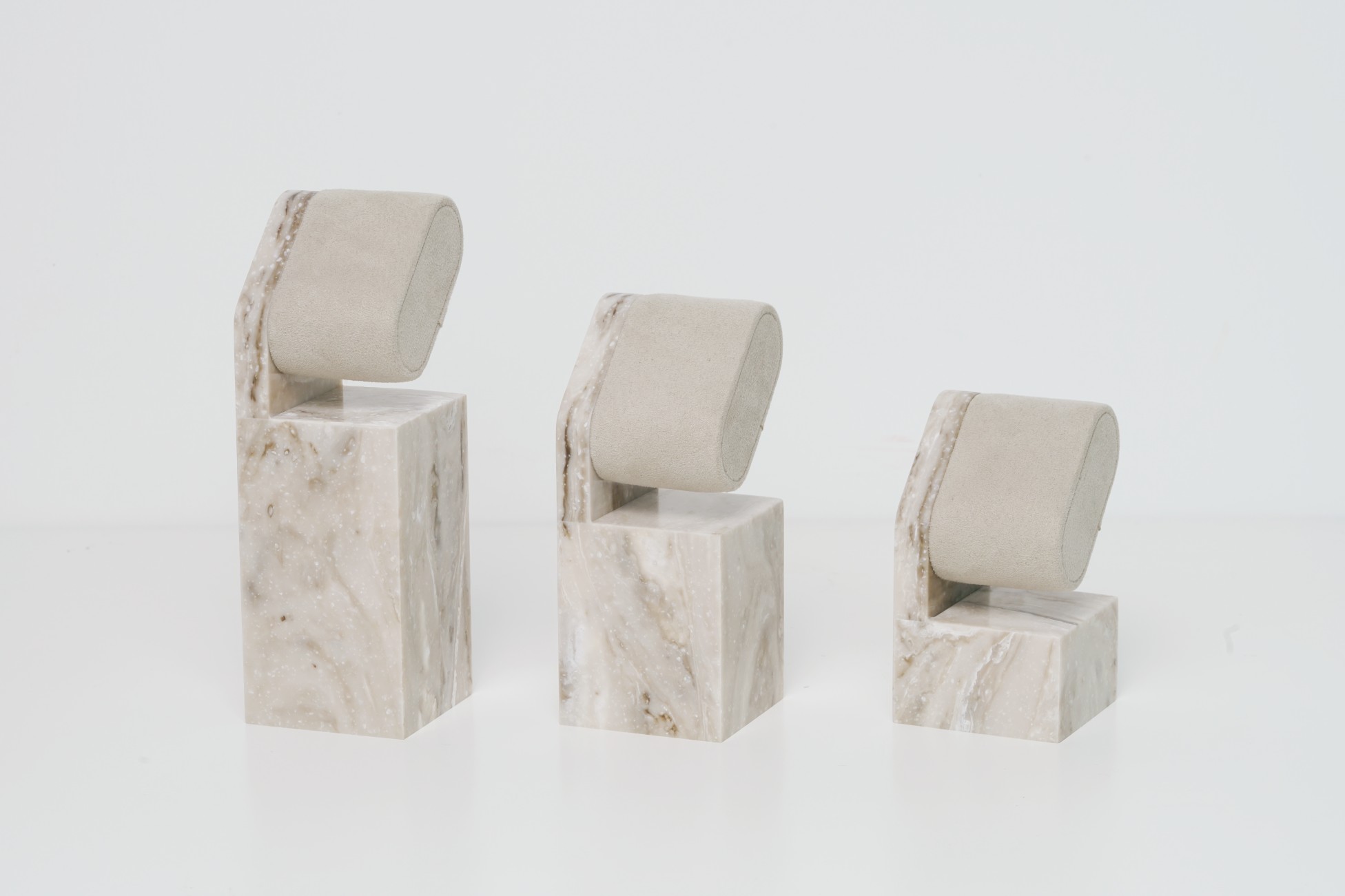

A Clear, Complete Brief Leads to Faster Quotes and Better Supplier Matches
By Yan Luo | Samtop Display
A well-structured RFP for custom display projects helps brands get accurate quotes, match with the right suppliers, and avoid costly delays. This guide covers every section your request for proposal should include — from visuals and materials to quantities, packaging, and timelines — so you can launch your retail display on time and on brand.
Most brands struggle to get comparable quotes because their display briefs are vague, incomplete, or overly aesthetic-focused.
Suppliers either underquote, overquote, or miss the mark entirely. Timeline delays, misused materials, and rushed sampling become inevitable.
An effective RFP covers visuals, specs, materials, quantities, timeline, and approval steps — so you can get faster, more relevant proposals and launch without surprises.
📋 What Is an RFP in the Context of POP Displays?
A Request for Proposal (RFP) is a document used to communicate your custom display needs clearly to multiple suppliers. It typically includes:
- Project goals and campaign background
- Visual mockups or moodboards
- Technical requirements
- Quantity by region
- Timeline and deliverables
- Packaging and logistics needs
💡 The more you clarify upfront, the fewer assumptions (and risks) down the line.
🧩 RFP Checklist for Display Projects
1. Project Overview
| Element | Description |
|---|---|
| Campaign Name | What the display is supporting |
| Display Type | Glorifier, tester tray, window set, shelf system, etc. |
| Usage Location | Counter, gondola, wall, in-window, etc. |
| Market(s) | Which regions the display will launch in |
| Shelf Life | Seasonal (4–6 weeks) or permanent |
| VM Objective | Brand impact, interaction, education, conversion |
2. Visual & Concept References
- Moodboards with brand tone, colors, materials
- Past campaign photos
- Sketches or rough renderings
- Example displays (from your brand or others)
- Packaging visuals if critical
📎 Formats: JPG, PDF, Keynote, AI
💡 Tip: You don’t need finalized renders — direction and references are enough.
3. Quantity & Distribution
| Detail | What to Share |
|---|---|
| Total Quantity | For global or regional launch |
| Per-Region Breakdown | E.g., 100 US / 300 EU / 50 Asia |
| Store Format Type | Flagship, boutique, airport kiosk, etc. |
| Rollout Method | All-at-once, phased, pilot-only |
| Modular Components? | If units are shared or adapted |
4. Technical & Material Requirements
| Category | Examples / Options |
|---|---|
| Core Material | MDF, acrylic, steel, fabric, glass |
| Finish | Matte, gloss, brushed metal, soft-touch PU |
| Lighting | LED strips, edge-lit panels, battery or plug-in |
| Branding | UV print, laser etch, 3D letters, removable plaque |
| Safety | Fire-rated, REACH, child-safe corners |
| Eco/Compliance | FSC wood, no PVC, EPR-ready packaging |
📎 Optional: Attach 3D CADs, dielines, STEP/IGES files if available.
5. Packaging Requirements
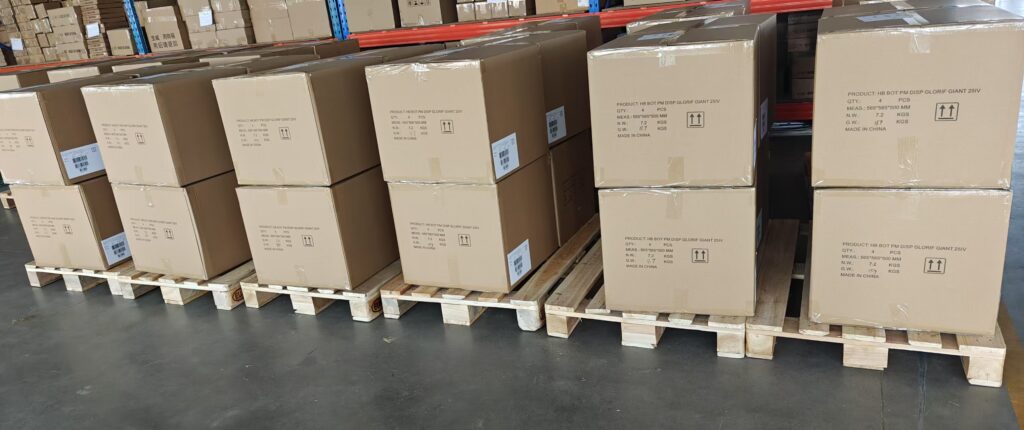
- Grouped vs. individual carton
- Palletized or bulk?
- Foam insert, molded pulp, EPE wrap
- Labeling (QR code, install guide)
- Drop test required?
💡 Tip: Ask suppliers to include packaging photos in quote response.
6. Timeline Table (Editable Example)
| Stage | Date |
|---|---|
| RFP Submission | May 10 |
| Quotes Due | May 17 |
| Sample Production | May 24 |
| Mass Production Start | June 3 |
| Shipping | June 17 |
| In-Store Launch | July 1 |
✅ Flag fixed vs. flexible dates.