A Practical Framework for Cost-Efficient Custom POP &am […]
A Practical Framework for Cost-Efficient Custom POP & Visual Merchandising Displays
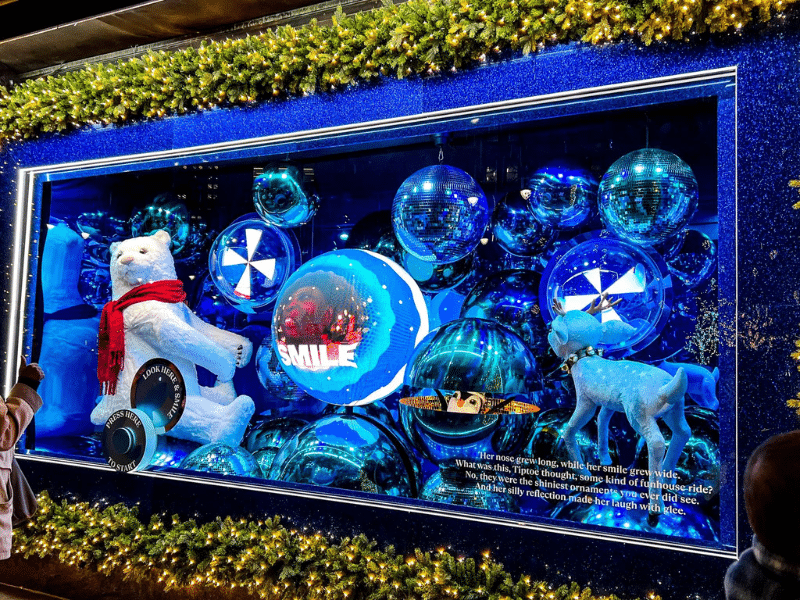
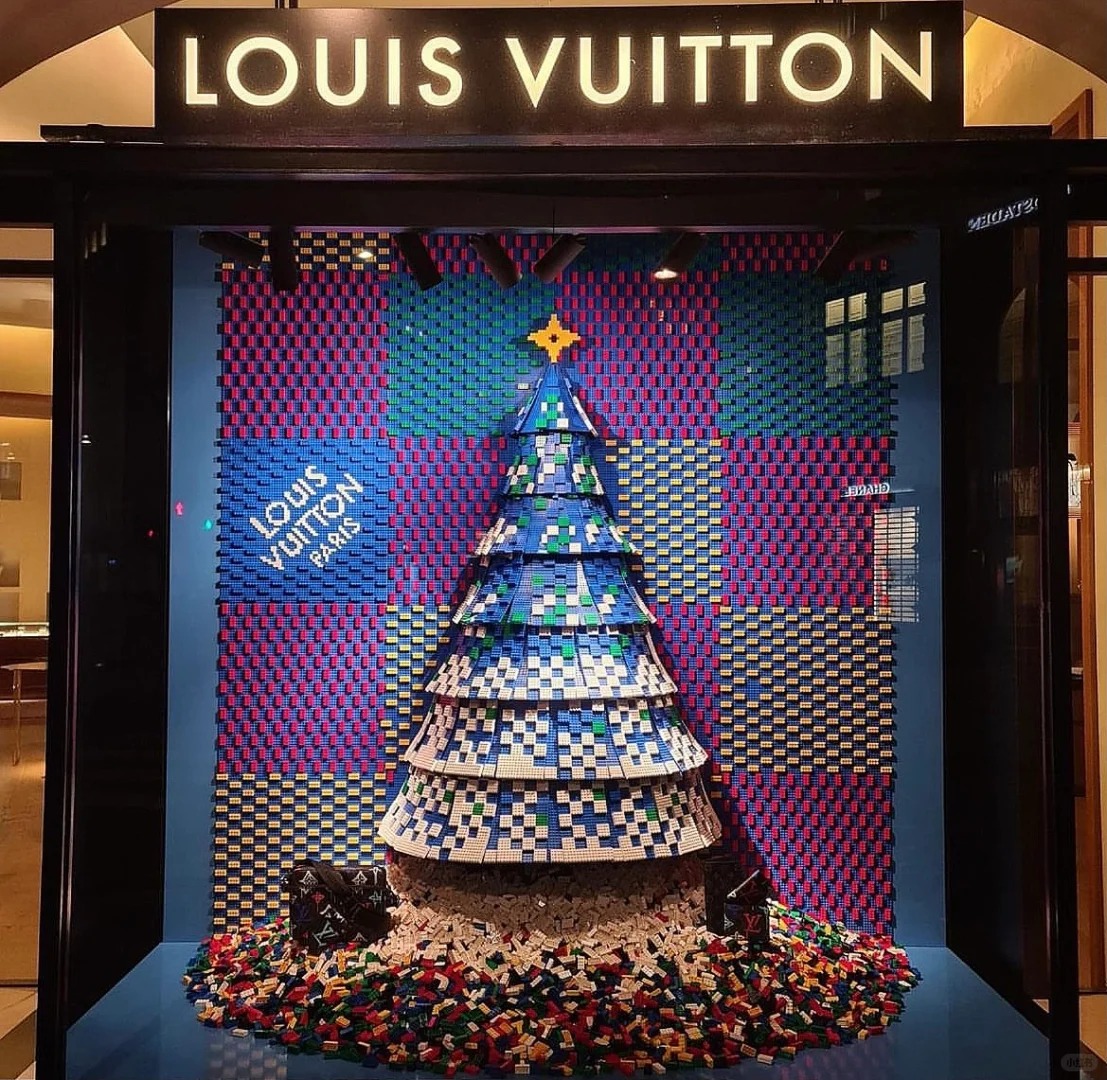
Yes — cost-efficient custom pop displays are absolutely possible. With smart engineering, the right material choices, and supplier alignment, brands can reduce 15–40% of your POP display budget without compromising visual impact or premium brand aesthetics.
This guide shares 7 proven, field-tested strategies used by US and European brands to build cost-effective POP displays while maintaining brand integrity.
budget custom display
🎯 Practical Strategies for Budget-Smart Custom Display Projects
A common misconception in the US/EU market is that premium visuals require premium materials. In most cases, the surface effect matters more than the core material.
4. Optimize Packaging to Reduce Freight & Breakage
Freight often accounts for 15–30% of total project cost in US/EU supply chains.
Best practices:
Flat-pack design
Molded foam reinforcement
Shared master cartons
Lighter material selection for air shipments
Consistent carton dimensions for EU warehousing
5. Batch Materials Across SKUs
Ideal for beauty brands, FMCG, and travel retail.
Benefits:
Visual Merchandising Solutions
Transform your retail space with custom POP displays, window decorations, and luxury merchandising solutions. Get expert consultation and premium manufacturing services.
✓ 20+ Years Experience • ✓ Global Shipping • ✓ Custom Manufacturing
Shared base plates
Unified structural frames
Common logo plaques
Streamlined QC
6. Design for Logistic Compatibility (US/EU Standard)
Avoid designs that require:
Oversized pallets
Special handling fees
Custom store access routes
Non-standard warehouse storage
Preferred by EU & US retailers: Modular merchandising systems assembled on-site.
7. Share Budget Targets Early
US and EU procurement teams prefer early visibility on:
Target cost range
Expected volume
Required certifications
Material preferences
WHY? It allows the supplier to engineer the design toward the budget, instead of cutting back later.
📊 Application Scenarios (US/EU Optimized Table)
Scenario
Recommended Strategy
Savings
Accepted By (US/EU)
Perfume light display
Mirror film instead of LED
-32%
Beauty brands
Counter display
Veneered MDF instead of solid wood
-28%
Airports / department stores
Window prop installation
Acrylic domes + no lighting
-40% freight
Fashion & luxury
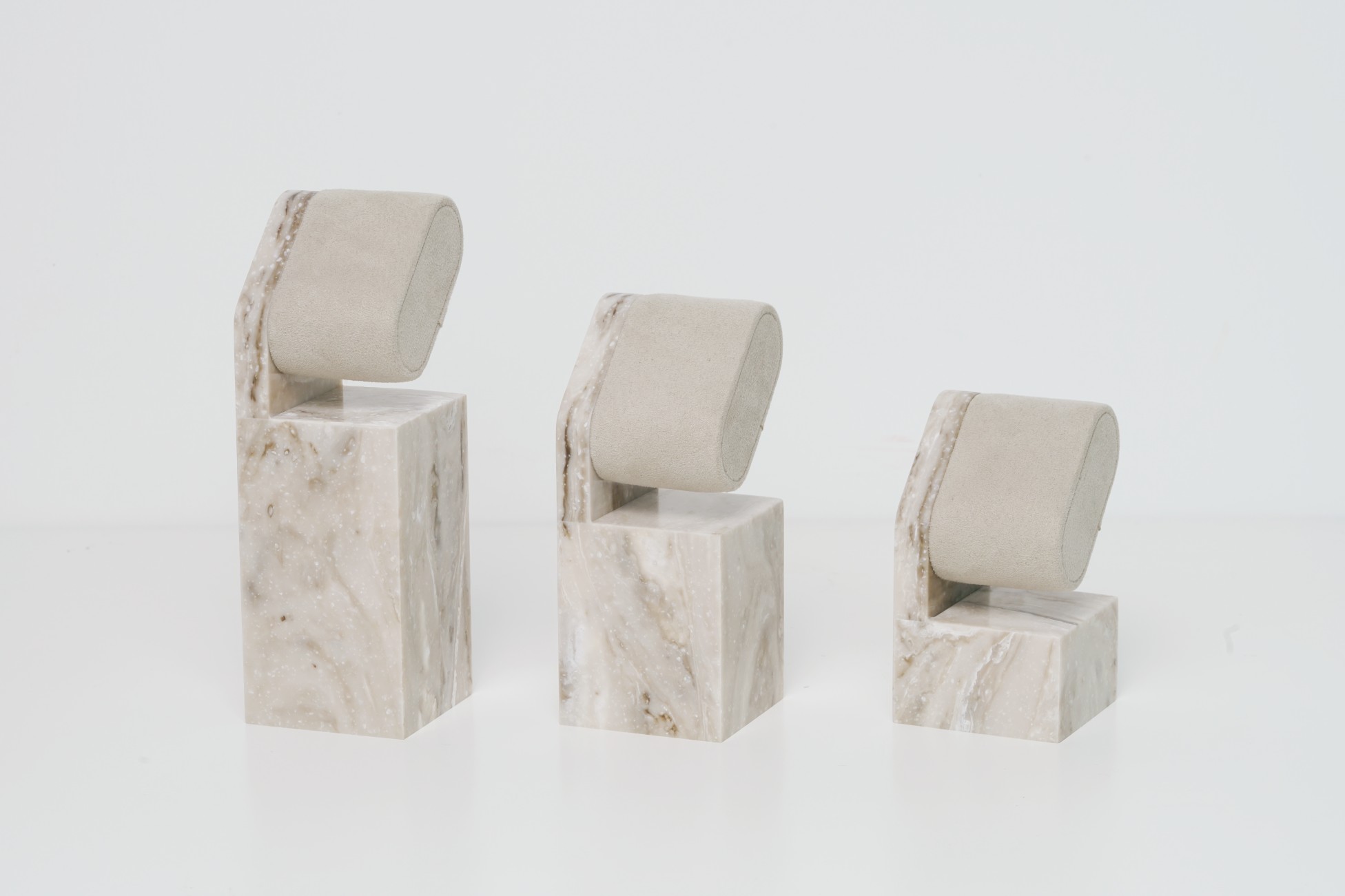
Jewelry glorifier
Chrome-effect MDF
-26%
Retail chains / boutiques
🧪 Real Project Example (Global Brand)
Client: European FMCG Brand Problem: High material cost + heavy structure + long QC cycles Original Build: Glass dome + LED + chrome metal Optimization:
Hard-coated acrylic
Wallpaper with MDF instead of stone
Results:
32% cost reduction
40% weight reduction (air freight)
Identical visual impact
➡ Keywords: case study, cost engineering, display optimization
FAQ (US/EU Procurement Language)
1. How can I lower display cost without affecting quality?
Use engineered material swaps, simplify structure, and batch components when possible.
2. Are LEDs necessary r premium visuals?
Not always. Reflective surfaces often provide sufficient impact for retail environments.
3. What packaging works best for fragile props?
Custom foam inserts and flat-pack configurations reduce breakage and freight cost.
4. When should I disclose budget to a supplier?
At the very beginning. It speeds up engineering alignment and prevents over-design.
5. Can Samtop help redesign to meet cost targets?
Yes — we provide multiple engineered alternatives for every brief.
About Bob
Hi, I’m Bob, the funder of SamTop.com, Our company makes visual merchandising props, retail display stands and window display decoration for many years now, and the purpose of this article is to share with you the knowledge related to retail displays from a Chinese supplier’s perspective.