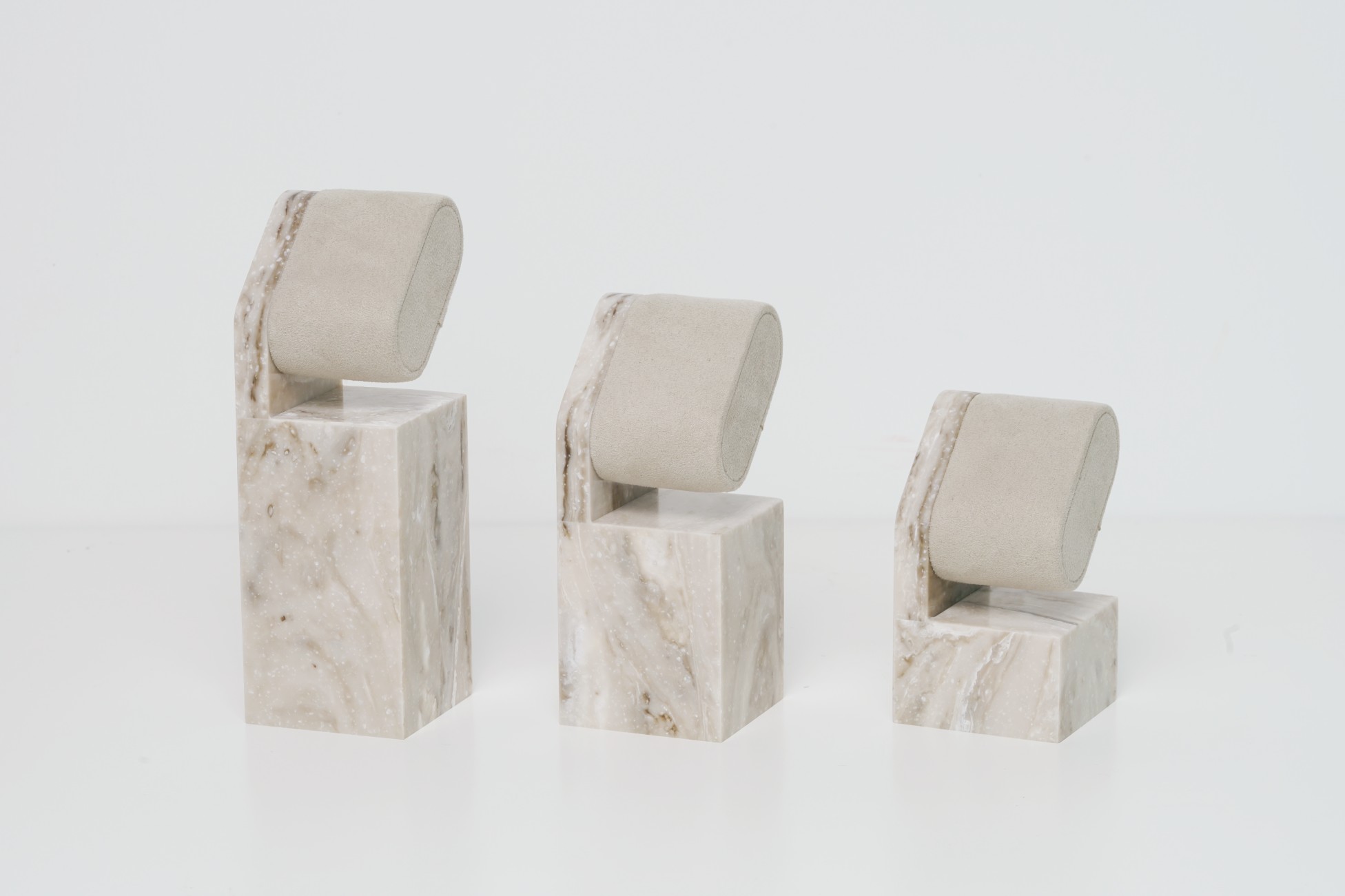
Retail brands often underestimate one critical engineering factor: retail display riser weight capacity. A beautiful display can fail onsite if the base cannot support product load, leading to wobbling, sagging, or safety risks. Choosing the right riser or plinth is not just about aesthetics—it’s a structural decision that determines durability, visual hierarchy, and long-term reliability across stores.
In this guide, you'll learn how to classify fixture weight, choose the right materials, engineer strong structures, and prevent real-world retail failures.

Why Weight Capacity Matters in Retail Display Engineering
A display base is more than a platform—it is the foundation of visual storytelling. The right retail display riser must support weight, maintain stability, and deliver premium visual cues.
| Structural Role | Why It Matters |
|---|---|
| Load bearing | Prevents sagging & collapse |
| Balance & stability | Protects customers & products |
| Visual hierarchy | Tiered heights shape premium storytelling |
| Longevity | Withstands daily store pressure & humidity |
| Rollout consistency | Performs the same across 100+ stores |
📌 If weight capacity fails, the display fails—no matter how expensive the materials look.
Weight Class Guide: Choosing the Right Riser or Plinth
Retail Display Riser Weight Capacity by Product Type
Understanding retail display riser weight capacity starts with accurate product classification.
| Weight Class | Typical Product | Recommended Base Type |
|---|---|---|
| 🟢 Light (0–3 kg) | Lipsticks, testers, small jewelry | MDF riser with PU/PET surface |
| 🟡 Medium (3–10 kg) | Skincare, watches, perfume bottles | Plywood plinth + acrylic or laminate top |
| 🔴 Heavy (10kg–25 kg+) | Hair tools, gift boxes, home scent units | Steel-core plinth with HPL or stone finish |
📌 Rule of thumb:
A riser must support at least 1.5× the planned product load.
Structural Options Based on Weight Capacity
1. MDF Risers (Best for Light Loads – 0–3 kg)
-
Cost-efficient
-
Smooth CNC finish
-
Good for testers & small trays
-
Low compression resistance → not for heavy items
Max reliable capacity: 3–4 kg when reinforced
2. Plywood Plinths (Medium Loads – up to 10 kg)
-
Strong internal bonding
-
Superior edge durability
-
Works for multi-bottle fragrance trays or watch displays
Max reliable capacity: 8–12 kg with internal ribs
3. Steel-Core Plinths (Heavy Loads – 10 kg+)
-
Zero sag
-
Excellent lateral stability
-
Survives global logistics & store traffic
Max reliable capacity: 20–40 kg depending on frame thickness
📌 Used commonly for:
Flagship hero units, hair tools, luxury home scent machines, oversized gift packs.
Engineering Principles That Improve Weight Capacity
Add Internal Ribs
Ideal for 3–10 kg loads
-
Prevent bowing
-
Support distributed weight
-
Stabilize wide tops
Use T-Bar or Box Steel Frames
Mandatory for heavy products
-
Allows thin skins (MDF, acrylic) while keeping plinth strong
-
Eliminates long-term sagging
Implement Anti-Slip Base Pads
-
Prevents sliding on glossy shelves