
A Breakdown of the Costs Associated with 3D Printing and Traditional Manufacturing for Retail Displays
By Yan Luo | Samtop Display
Understanding the 3D printing cost for retail displays is key to making the right production choice. For small runs and custom designs, 3D printing offers rapid, budget-friendly solutions. For large-scale rollouts, traditional methods like injection molding may be more cost-effective. At Samtop, we guide brands to balance cost efficiency with design flexibility. Learn more in our retail display solutions or explore McKinsey’s insights on agile retail design.
🌍 Why 3D Printing Cost Matters in Retail Display Production
In the retail industry, cost control is crucial. Every custom display must not only align with the brand’s aesthetic but also stay within budget. Traditional manufacturing methods have long been the go-to for producing displays, but as the need for customization, low-volume production, and quick turnaround times grows, 3D printing is increasingly seen as a cost-effective alternative. Understanding how costs differ between 3D printing and traditional manufacturing helps you make the best choice for your retail display project.
🧪 3D Printing Cost Breakdown: How It Helps Achieve Efficiency
1. Material Costs
3D printing’s material costs vary depending on the type of material you choose. Basic materials like PLA or ABS can be affordable for small runs, but specialty materials such as carbon fiber composites or metals can increase costs significantly.
| Material | Price Range per kg | Best Use Case |
|---|---|---|
| PLA | $20 - $50 | Eco-friendly displays, low-cost materials |
| ABS | $20 - $50 | Standard retail displays |
| Nylon | $50 - $100 | High-strength, durable displays |
| Carbon Fiber | $50 - $200 | Premium, high-durability displays |
Example:
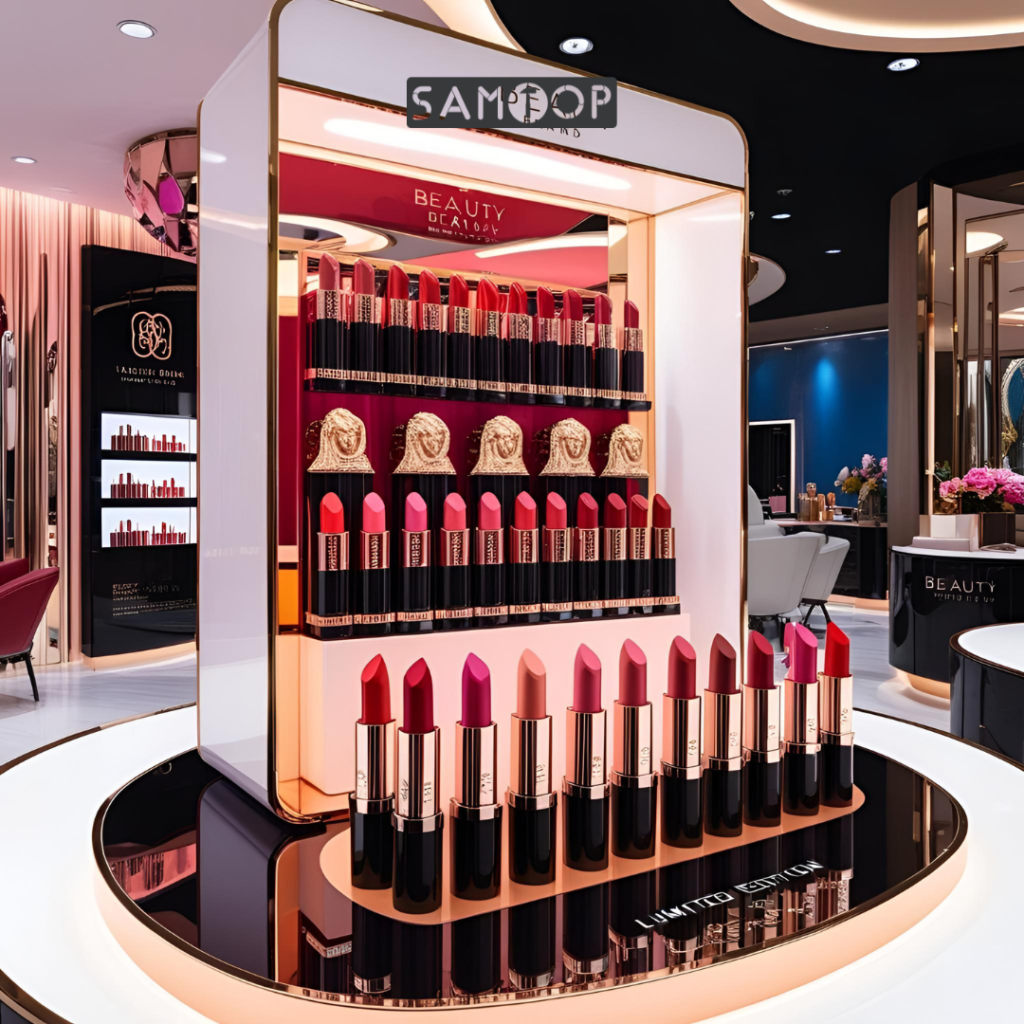
A luxury cosmetics brand uses high-strength nylon for a custom display stand to maintain a premium aesthetic while ensuring durability.

2. Setup and Design Costs
Unlike traditional manufacturing, 3D printing eliminates the need for expensive molds or tooling. However, the design process still requires CAD (Computer-Aided Design) expertise, and specialized post-processing may be necessary.
| Cost Element | Price Range | Considerations |
|---|---|---|
| CAD Design Fees | $50 - $150 per hour | Custom designs, branding alignment |
| Post-Processing | $10 - $50 per unit | Sanding, painting, coating |
Example:
A fashion brand hires a designer for a custom pop-up display, with design costs ranging from $500 - $1,000 depending on complexity.
3. Production Time
3D printing allows for rapid prototyping, which means quick turnaround times. For time-sensitive campaigns, 3D printing can produce custom displays in hours to days, while traditional methods may take weeks or even months.
| Production Method | Timeframe | Best Use Case |
|---|---|---|
| 3D Printing | Hours to Days | Rapid prototyping, small runs |
| Traditional Molding | Weeks to Months | Large runs, standardized displays |
Example:
A cosmetics brand uses 3D printing for limited-edition product launches, reducing production time and meeting tight deadlines.
🧪 Comparing Traditional Manufacturing Costs
1. Material Costs (Injection Molding, CNC Machining)
Traditional methods like injection molding require significant upfront costs for tooling. Injection molds can range from $5,000 to $50,000, which must be amortized over a large production run to make it cost-effective.
| Material | Setup Cost | Cost per Unit |
|---|---|---|
| Injection Molding | $5,000 - $50,000 | $1 - $5 per unit |
| CNC Machining | High setup costs | $10 - $50 per unit |
Example:
A retail chain needs thousands of uniform display fixtures and opts for injection molding, benefiting from low per-unit costs after initial tooling is amortized.