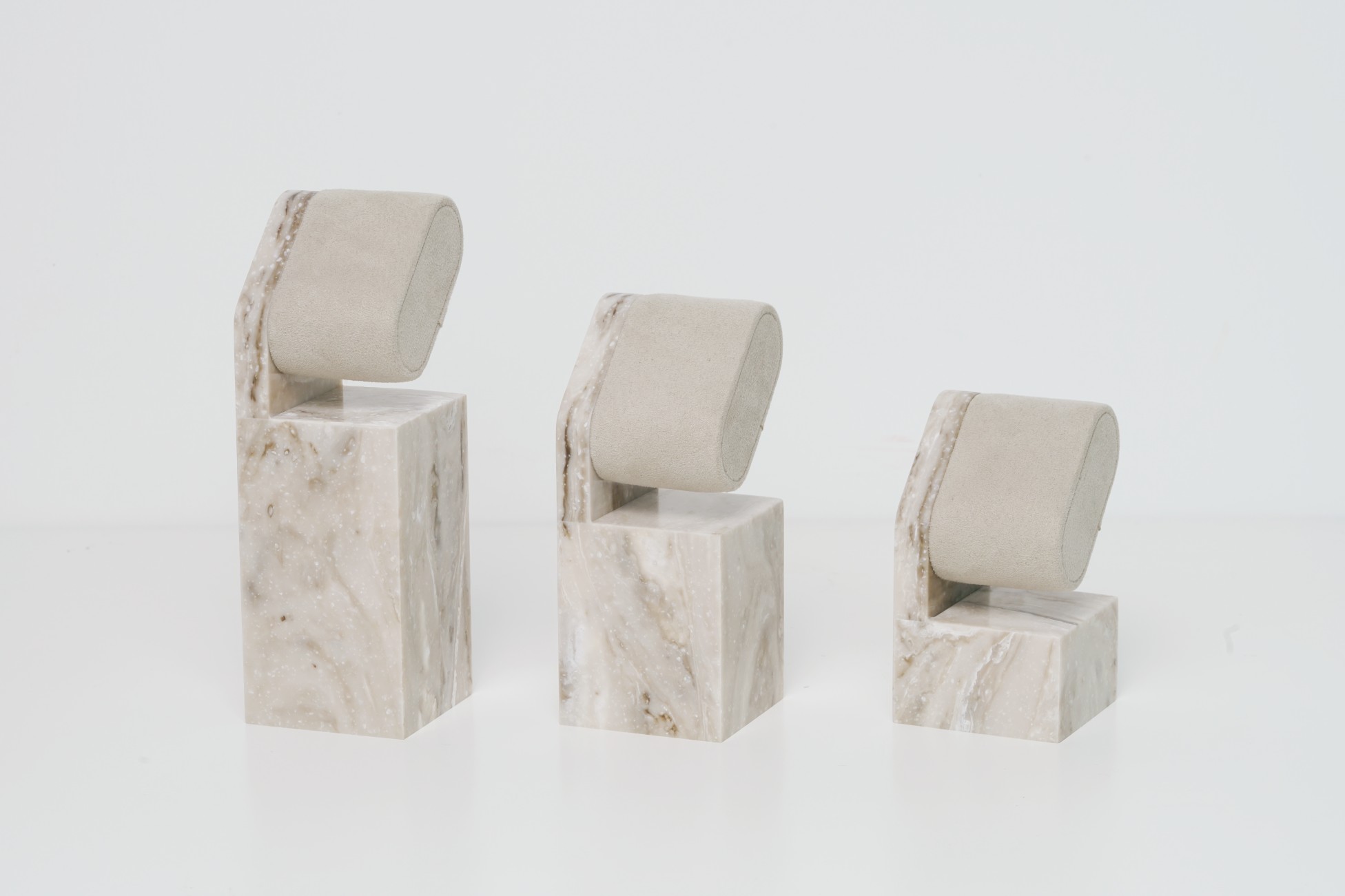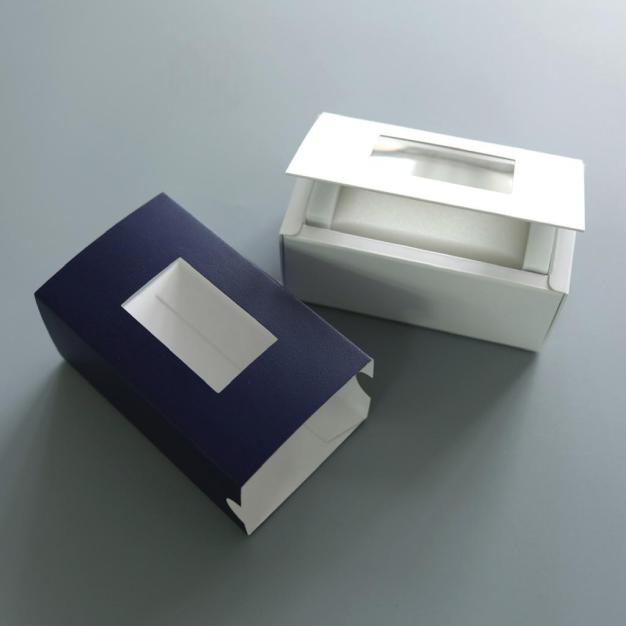

Custom luxury watch boxes are developed through a structured process that bridges design, materials, prototyping, and mass production.
To ensure premium quality and consistency, brands must align their visual concept with engineering feasibility, select suitable materials, validate designs through prototyping, and implement strict quality control during production. By addressing these steps early, companies can avoid costly manufacturing issues and ensure their packaging reflects true luxury standards at scale.
When you work on a new luxury watch launch, you know that the gap between a beautiful design render and a mass-produced box is often the biggest bottleneck. Usually, a prototype looks perfect in the studio, but if the manufacturing logic isn't aligned, the bulk production fails to reflect your brand's premium positioning.
Inconsistent watch packaging ruins the customer's first impression and weakens your brand's market competitiveness before the sale even happens. This guide shows you how to custom luxury watch boxes step by step, based on real production experience, to help you reduce sourcing risks and improve brand consistency.
1. Align Your Brand Story with Technical Reality
A luxury watch box is not just a piece of visual art; it must be a manufacturable engineering solution. Many brands focus heavily on aesthetic design but often ignore the underlying engineering feasibility, which leads to a costly gap between concept and production.
To avoid this, you need to :
- Clearly define your brand positioning
- Share design intent with your supplier
- Confirm structure and production feasibility early
By checking the technical details early on, we make sure your creative designs are actually ready for mass production without any surprises.
2. Material Selection: The Foundation of Premium Custom Packaging
The material you choose is the primary carrier of your brand’s tactile identity, and it directly affects how "luxury" your product feels to the touch. While many brands choose materials based only on their visual appearance, unsuitable materials can lead to serious risks during global shipping.
Usually, cheap leather might crack after long-distance transit, and weak MDF base structures often deform under pressure in humid environments. To help you improve your product's durability and brand image, you should consider the following material logic:
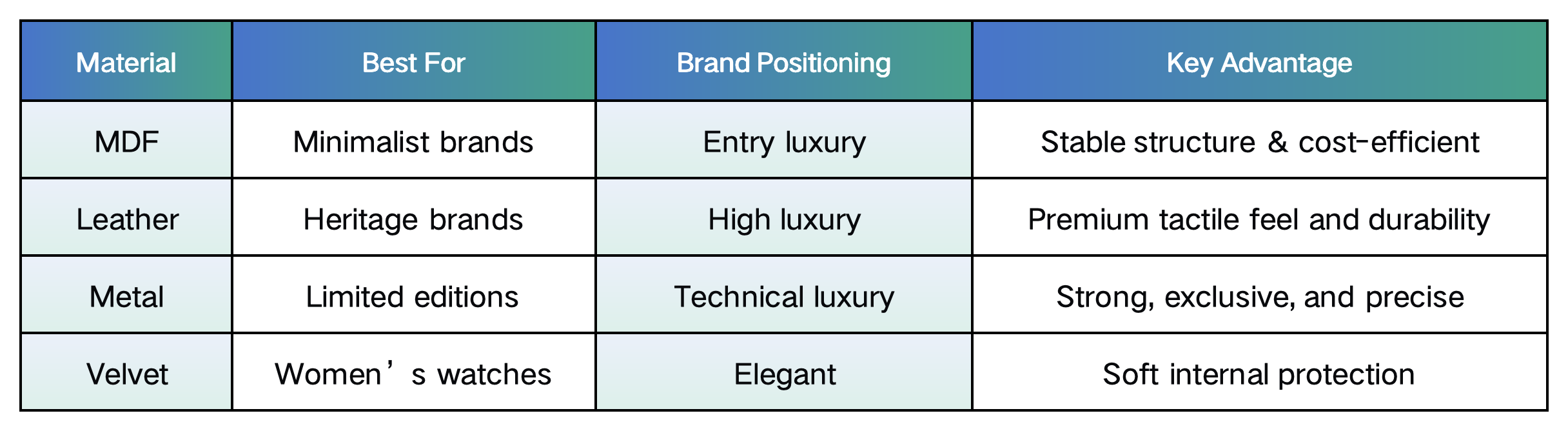
To be honest, we’ve found that the best material isn't always the trendiest one. It’s really about finding what actually 'clicks' with your specific market and the environment where your watch will be displayed.
3. Finishing Details: Turning Boxes into Visual Assets
A watch box should be treated as a core part of your visual merchandising strategy, acting as a silent salesman in a retail window. In luxury environments, packaging must catch the customer's attention and communicate brand value within seconds.
Many brands underestimate the power of finishing details, but usually, customers judge the quality of a watch based on the texture of its box. We help you utilize specific techniques to enhance this impact:
Foil Stamping: Adds a metallic luster to highlight your logo against dark textures.
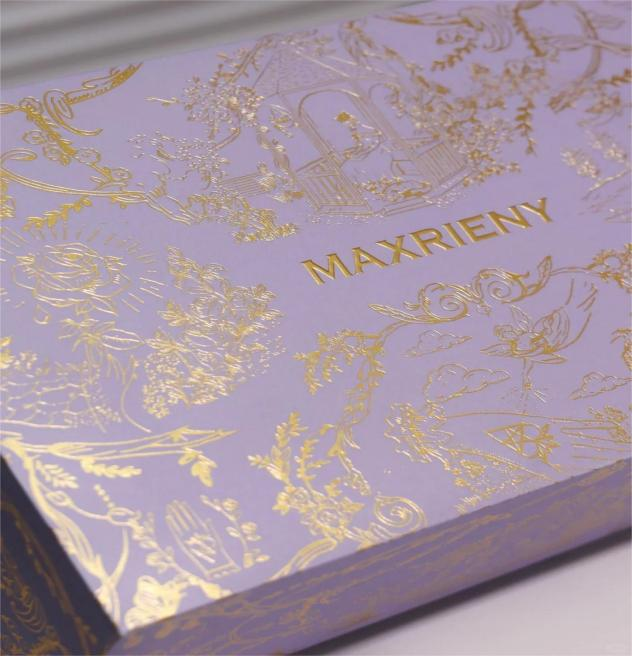
Embossing: Creates physical depth that encourages the customer to touch the packaging.
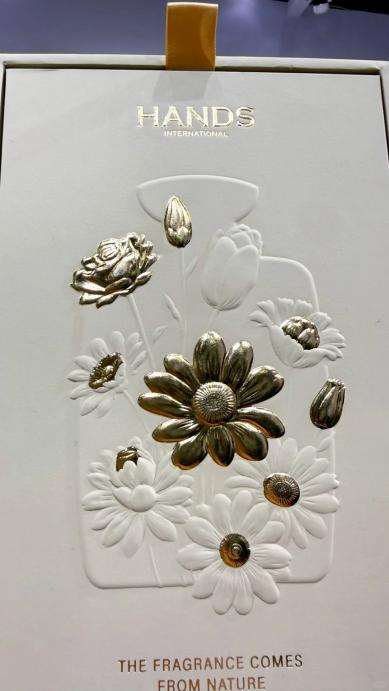
Soft-touch Coating: Offers an elegant matte finish that feels sophisticated and modern.
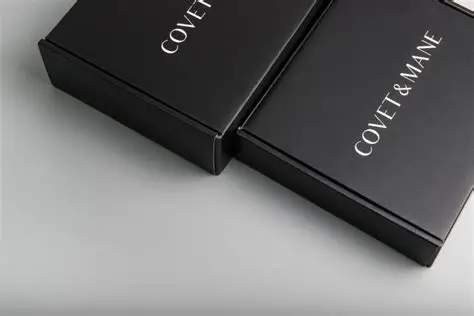
Flocking: Protects the timepiece while elevating the interior's visual softness.
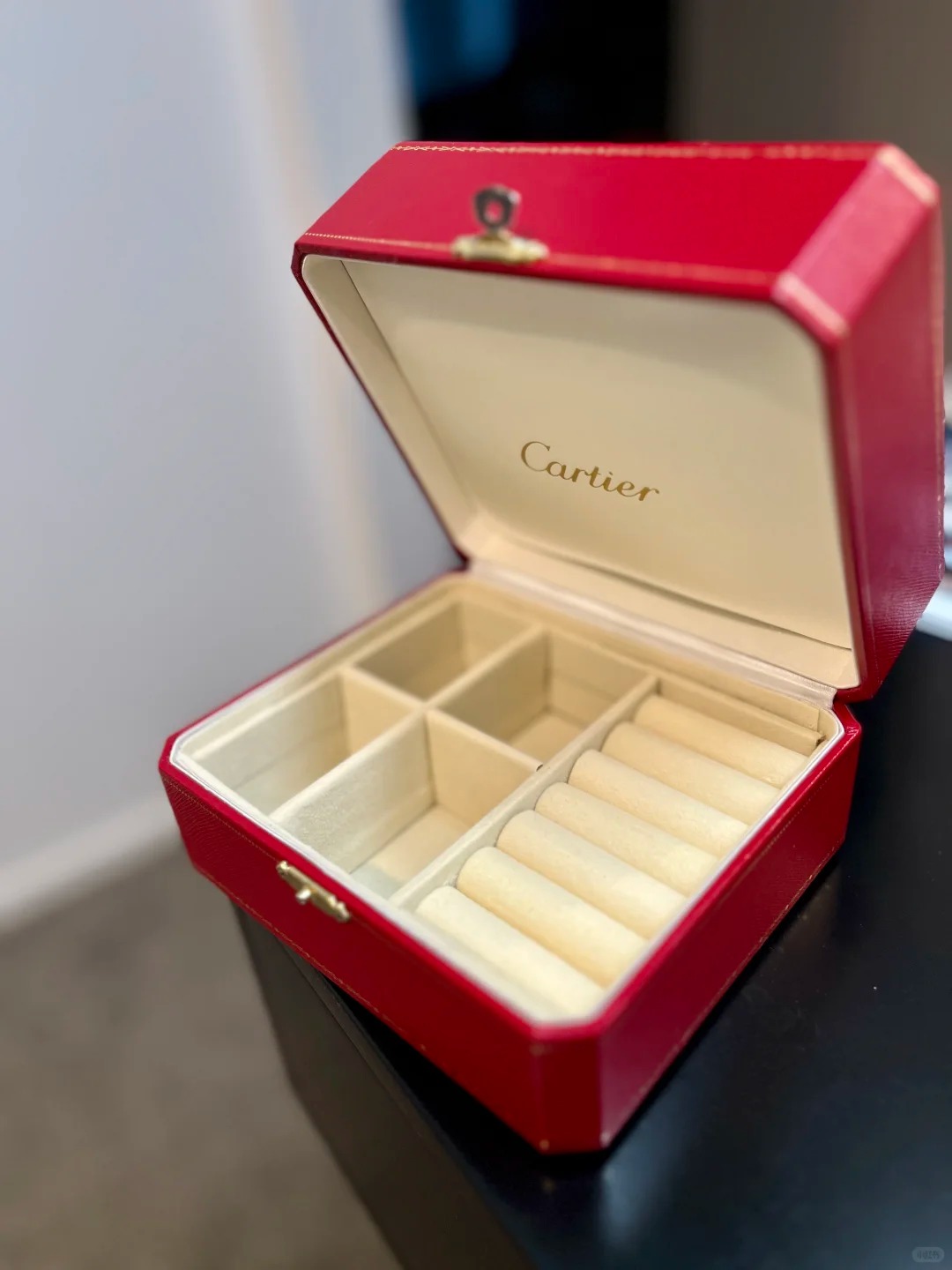
4. Prototyping: The Critical Path to Consistency
Skipping proper sampling is one of the biggest risks in custom watch box production, as it leaves no room for error correction. Without testing, you may face structure instability, Finishing mismatch or color inconsistencies that only appear once the bulk production has started.
Prototyping is where most manufacturing problems are solved. It allows you to validate design accuracy, test materials and finishes and identify production risks before you commit to a large order.
We use our 20+ years of engineering know-how to get your samples done fast and right. By testing multi-material structures early on, we make sure your design is 100% ready for the factory floor without any surprises.
5.Ensuring Consistency in Multi-Material Production
When working with multi-material designs, consistency in mass production is often where many projects fall apart. Different materials react differently in structure, finishing, and color - which can lead to unexpected issues when scaling.
That’s why we always approach it from an engineering perspective first. Through rapid prototyping and multi-material testing, we help identify potential risks early - before they become costly problems in production.
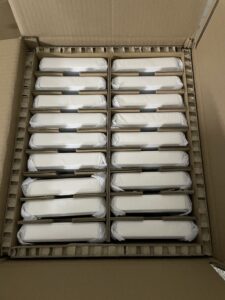
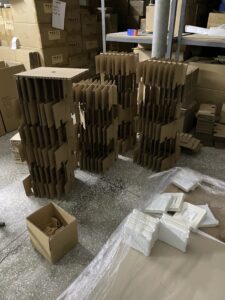
From there, we standardize each process and control assembly through clear procedures, ensuring that every unit remains consistent across batches. Combined with strict color control and pre-production validation, this allows us to deliver results that match both the design intent and brand expectations.
This is also why many clients choose to involve us early - so we can help ensure their designs are not only creative, but fully production-ready.
6. Scaling Up: Mass Production and Quality Control
Consistency is the single biggest concern for global brands with multiple retail locations. Even a small variation in color or hinge tension can affect your brand image across different regions.