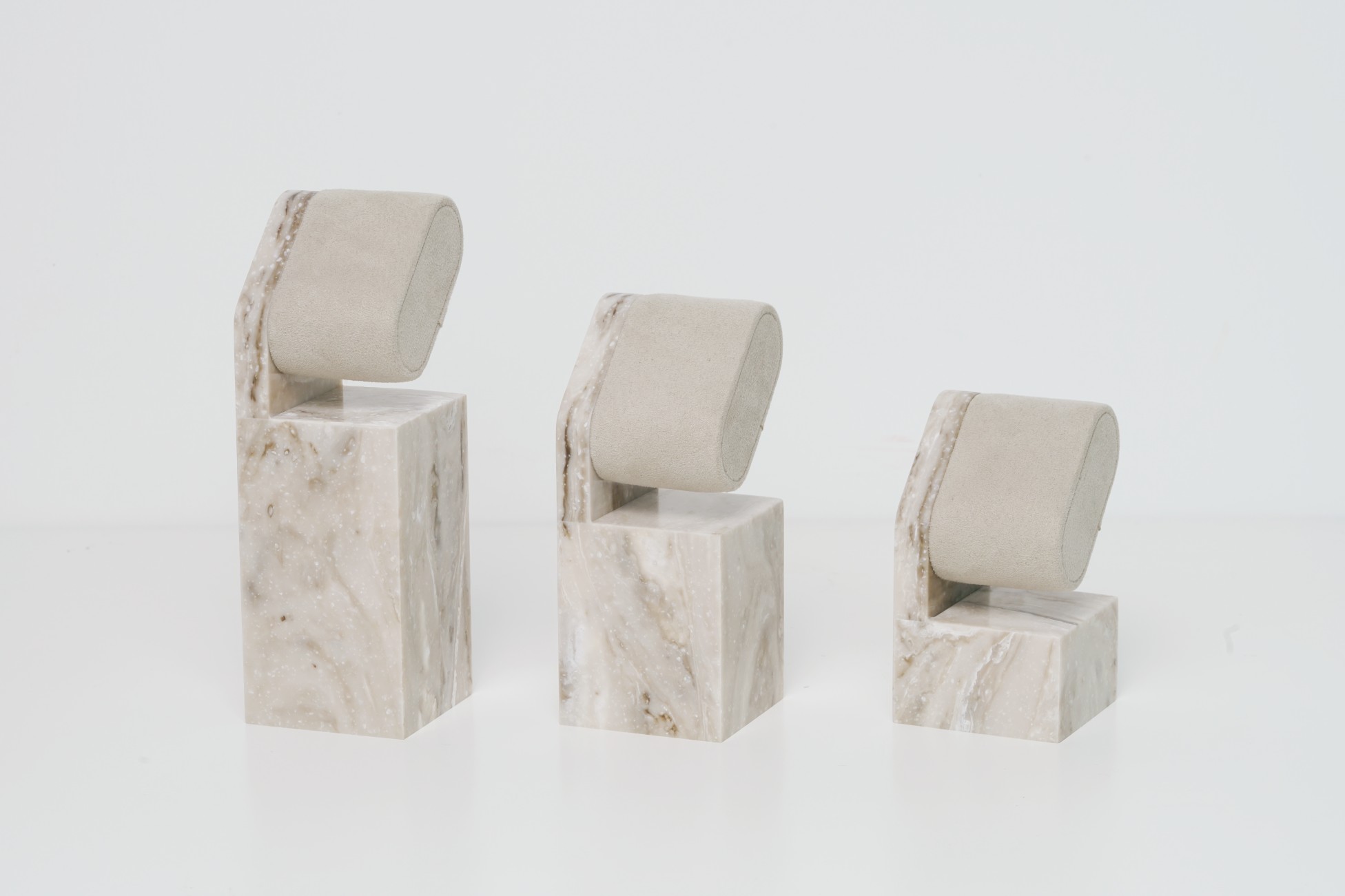

Custom retail displays for brand identity are essential tools for creating a consistent and compelling in-store experience. Whether you’re a luxury fashion house, a sustainable label, or a modern tech innovator, your displays must reflect your brand personality. At Samtop, we design retail fixtures that capture your core values and ensure every customer interaction reinforces your identity.
Why Custom Retail Displays Matter for Brand Identity
Your retail displays are more than just fixtures; they are extensions of your brand's personality. How your store looks, feels, and communicates with customers significantly influences their perception of your brand. Whether it's the luxurious finishes, interactive elements, or eco-friendly materials, each aspect of the display should speak to your brand’s values, mission, and vision.
Having a cohesive brand identity in retail builds trust, improves customer loyalty, and elevates sales by ensuring a consistent experience that speaks directly to your target audience.
📊 Generic Displays vs. Custom Retail Displays
| Criteria | Generic Displays | Custom Retail Displays |
|---|---|---|
| Brand Alignment | Limited | Fully aligned with brand identity |
| Material Options | Standard | Luxury metals, eco-materials, acrylic, glass |
| Design Flexibility | Restricted by catalog | Bespoke to brand values |
| Customer Experience | Generic | Immersive, engaging |
| Consistency Across Stores | Hard to maintain | Modular + scalable |
Ways Custom Retail Displays Reinforce Brand Identity
1. Tailor Your Design to Reflect Your Brand Personality
Your brand personality is the foundation of your identity. Custom retail displays should reflect this through every design detail. For example:
- Luxury Brands: Use sleek, high-end materials like brass, marble, or polished metals, paired with minimalist designs that focus on elegance and refinement.
- Modern Brands: Opt for materials like glass, acrylic, or matte finishes to create a clean, innovative aesthetic.
- Eco-Conscious Brands: Choose natural materials like wood, bamboo, or recycled plastics to reflect your brand’s commitment to sustainability.
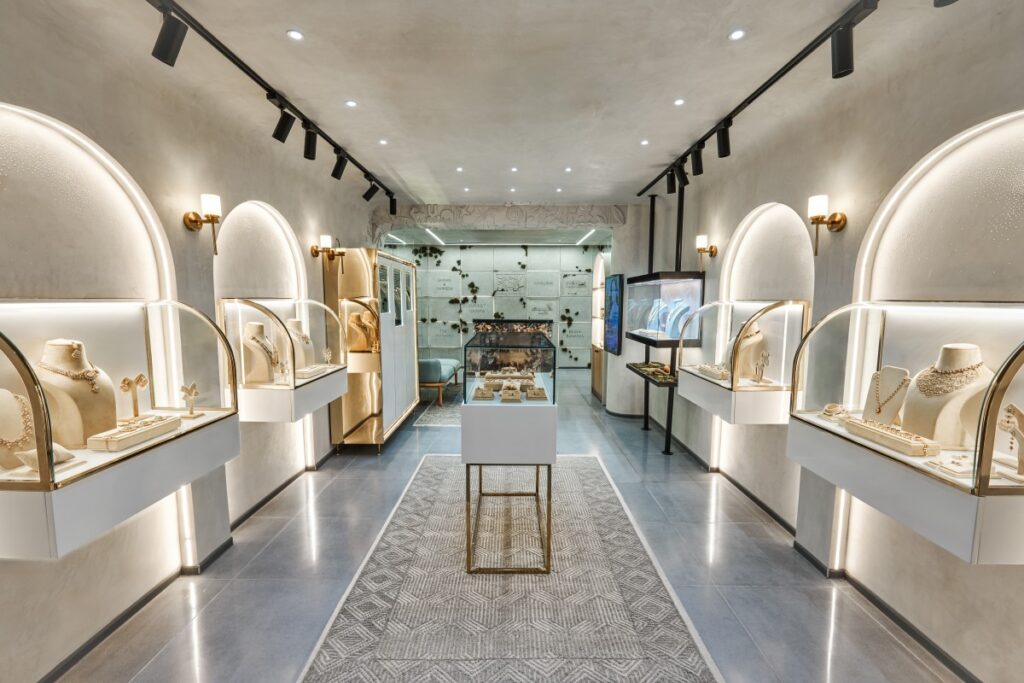
A luxury fashion brand creates a display with brass fixtures, velvety textures, and elegant lighting, signaling exclusivity and refinement in their retail store.
2. Use Materials that Align with Your Brand Values
The materials used in your custom retail displays are just as important as the design. The material choice will communicate your brand’s values directly to your customers. Here’s how different materials align with certain brand identities:
- Metal: Ideal for luxury and industrial brands. Metals like brass, stainless steel, and copper lend an elegant, high-end feel.
- Wood: Perfect for eco-conscious brands. Wood signifies warmth, natural beauty, and sustainability.
- Acrylic and Glass: Ideal for modern and tech-driven brands, offering sleek, clean lines and contemporary aesthetics.
- Recycled Materials: For sustainable brands, using recycled plastics or upcycled wood aligns with eco-conscious values.
Example:
An eco-friendly home goods brand uses recycled PET plastics for their retail displays, showcasing their commitment to sustainability while offering a visually striking design.
3. Incorporate Brand Colors and Visual Elements
Consistently using your brand colors and visual elements in your retail displays ensures brand recognition and coherence across all touchpoints. Whether it's the colors, fonts, or graphics, ensure that your physical displays mirror your brand’s visual language.
- Luxury Brands: Opt for deep, rich colors like gold, burgundy, or black to evoke sophistication and timelessness.
- Modern Brands: Consider bold, vibrant colors like neon, monochrome, or bright blues to create an energetic and innovative atmosphere.
- Eco-Brands: Use earthy tones like greens, browns, and muted pastels to reflect your brand’s natural and sustainable identity.
Example:
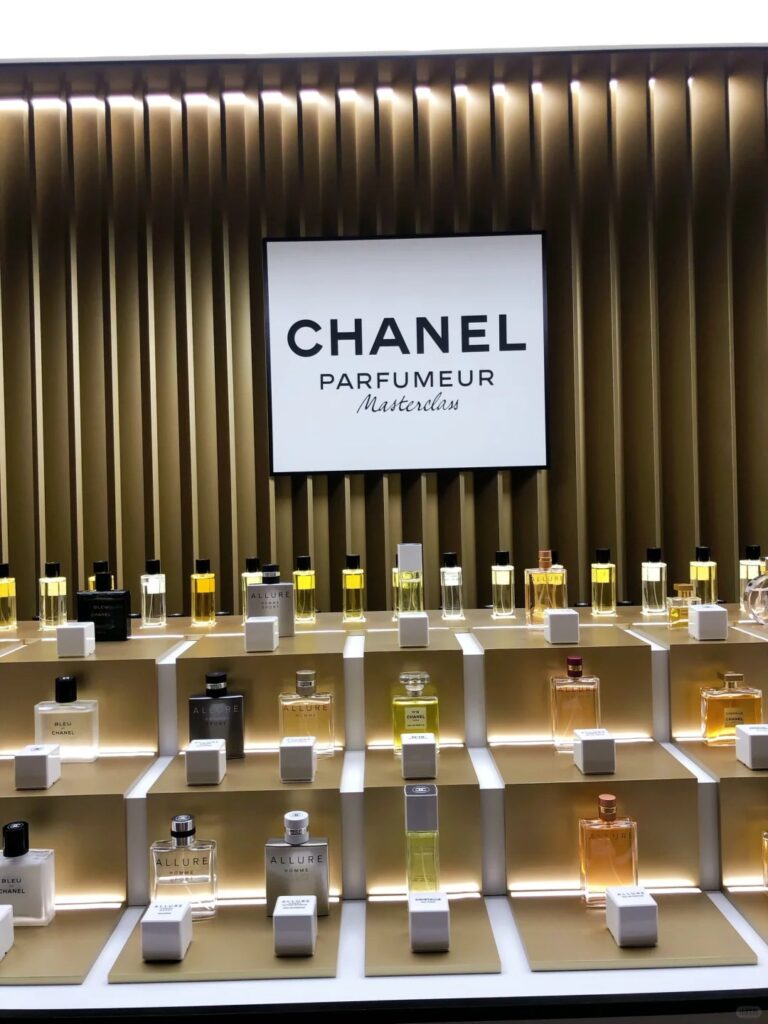
A luxury perfume brand uses gold accents, marble finishes, and plum and navy colors in their displays to create a premium, inviting atmosphere.
4. Interactive Features for Enhanced Engagement
Today’s customers expect more than just static displays. Adding interactive elements enhances engagement and creates a personalized experience for customers. Consider integrating:
- Tech Brands: Touchscreens, QR codes, or motion sensors can offer more product details or virtual try-ons.
- Luxury Brands: Interactive lighting or digital displays can help highlight special product features.
- Eco-Conscious Brands: Use solar-powered lighting or explain the environmental impact of materials through interactive features.
Example:
A technology brand uses motion sensors in their displays, activating product information when customers walk by, creating an engaging, tech-savvy retail experience.