The Global Retail Guide to Modular, Scalable & Cost-Optimized Display System
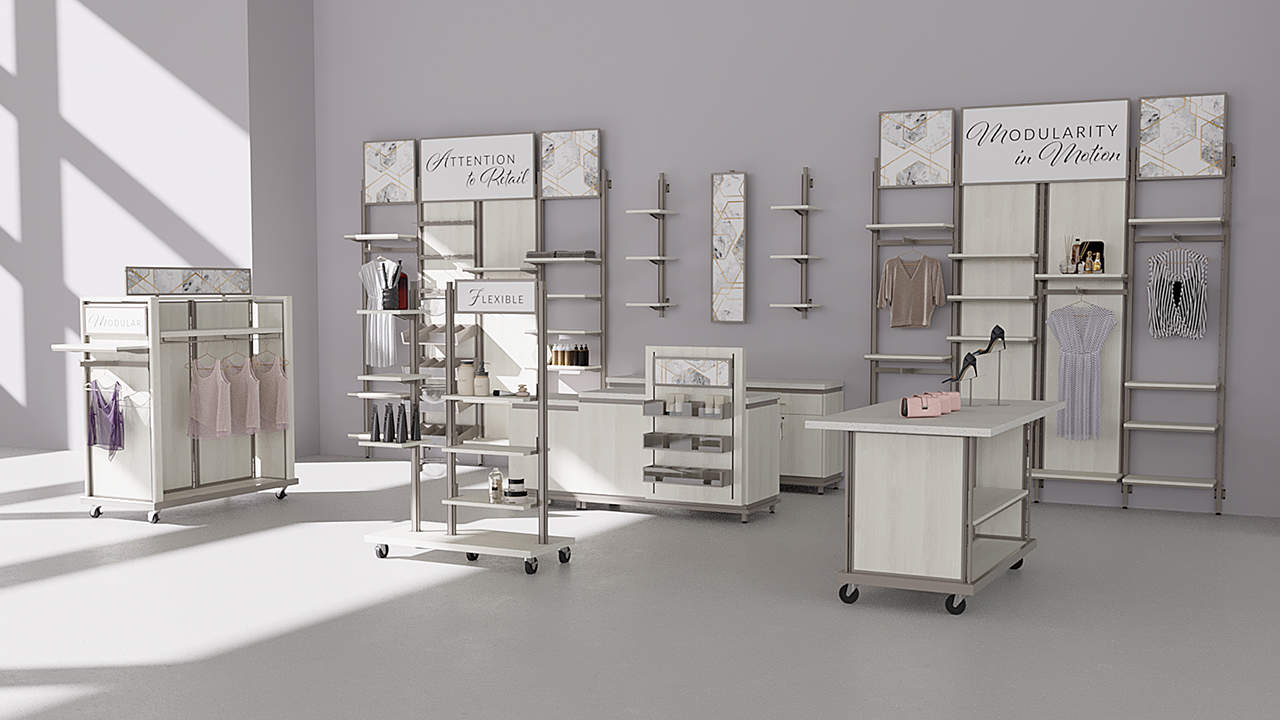
The most effective retail display strategy for multi-market rollouts is a hybrid system: standardize the core structure and customize regional elements such as trays, signage, and graphics. This modular approach provides global brand consistency while allowing local flexibility—and typically reduces total cost by 25–40%.
You’re launching displays across 30, 50, or even 100+ stores. Each region has different SKUs, store sizes, languages, and regulations.
-
If you build everything custom → costs explode.
-
If you force full standardization → local marketing teams push back.
-
If you skip modular planning → logistics become a nightmare.
Global visual consistency collapses.
Budgets exceed forecasts.
Stores receive displays they cannot use.
Timelines delay across markets.
The result?
Your campaign rollout becomes chaotic instead of coordinated.
Top global brands now use modular hybrid display systems—a structure Samtop has engineered for 20 years.
The method:
Standardize the core. Localize the details.
This approach keeps branding unified, cuts costs by 25–40%, and maintains flexibility across regions.
1. Why Standard vs Custom Matters in Global Retail
Global retail rollout challenges include:
-
Multiple countries & languages
-
Different tester counts
-
Changing planograms
-
Local regulations (height, lighting, materials)
-
Logistics complexity
Choosing between custom and standardized displays directly affects cost, consistency, speed, and brand perception.
Samtop’s manufacturing data shows:
-
Pure custom = inconsistent + expensive
-
Pure standardized = inflexible + unlocalizable
-
Hybrid modular = best ROI
2. The Case for Standardized Store Displays
Why Standardization Works
| Advantage | Why It Matters |
|---|---|
| 🔁 Brand consistency | Ensures unified global identity |
| 💰 Lower cost per unit | Shared tooling + bulk production |
| 📦 Simplified logistics | One carton spec reduces freight complexity |
| 🛠️ Faster production | One main setup = fewer variations |
| 📐 Predictable quality | Controlled specs → fewer QC risks |
Best used for:
-
Tester trays
-
Glorifiers
-
Countertop risers
-
Refillable tester blocks
Standardization gives you global cohesion and cost stability.
3. When Customization Is Necessary
Custom elements support local market realities.
When You Must Customize
| Need | When It Applies |
|---|---|
| 🧱 Different store formats | Flagships, travel retail, stand-alone, kiosks |
| 🧴 SKU variation | Market A: 3 testers / Market B: 6 testers |
| 🏷️ Regulatory differences | Height rules, placement rules, materials |
| 📣 Localized messaging | Languages, seasonal campaigns |
| 🧲 Shopper behavior | Some markets prefer brand; others need functional cues |
👉 Custom ≠ redesign everything
It often means localized overlays or swappable inserts.
4. The Samtop Hybrid Strategy: Standard Core + Custom Overlay
The 80/20 Modular Framework
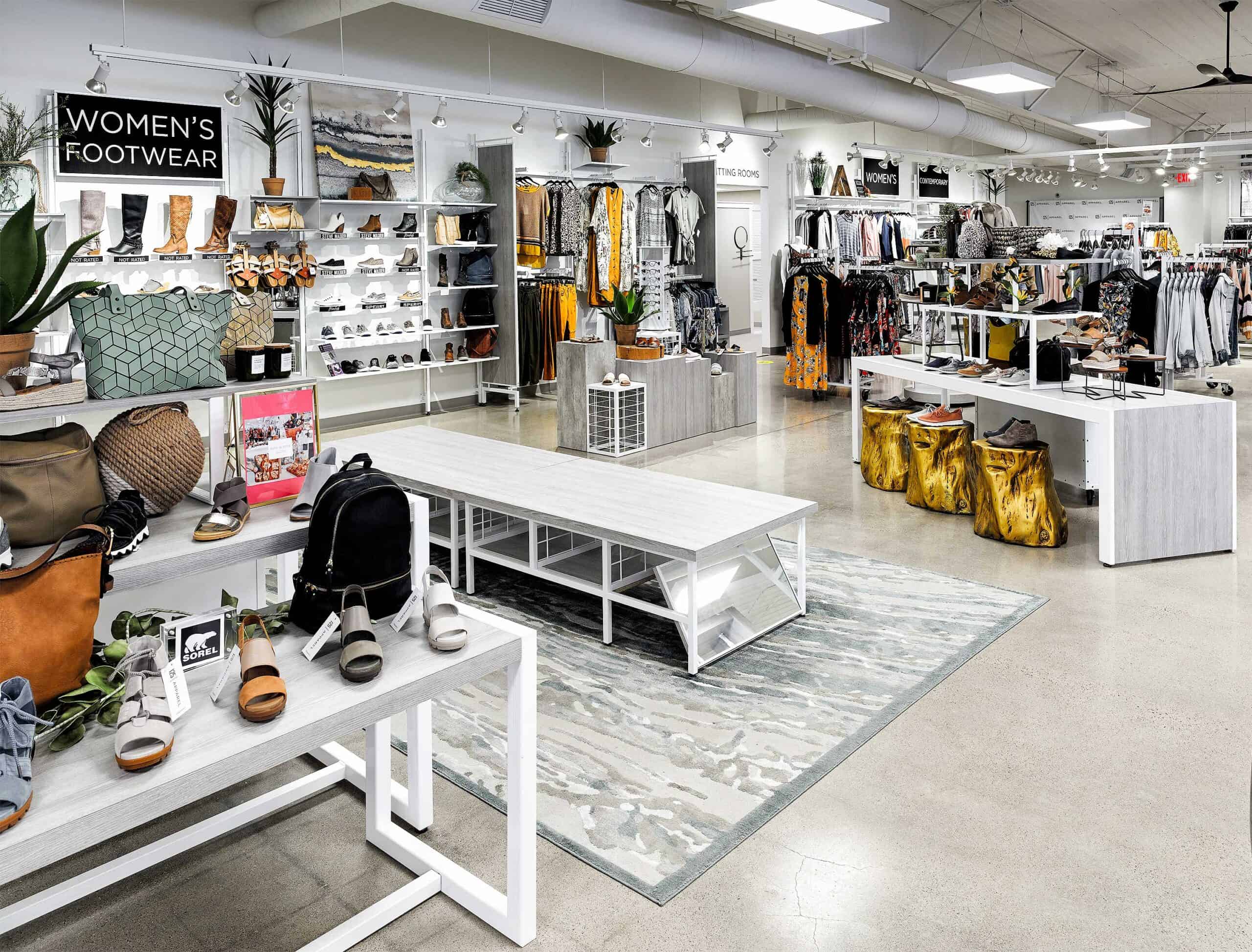
How Our Hybrid Display System Works
| Component | Approach |
|---|---|
| 🧱 Main Structure | 100% standardized globally |
| 🎨 Surface & Finish | One unified look (gloss / PU / metal / acrylic) |
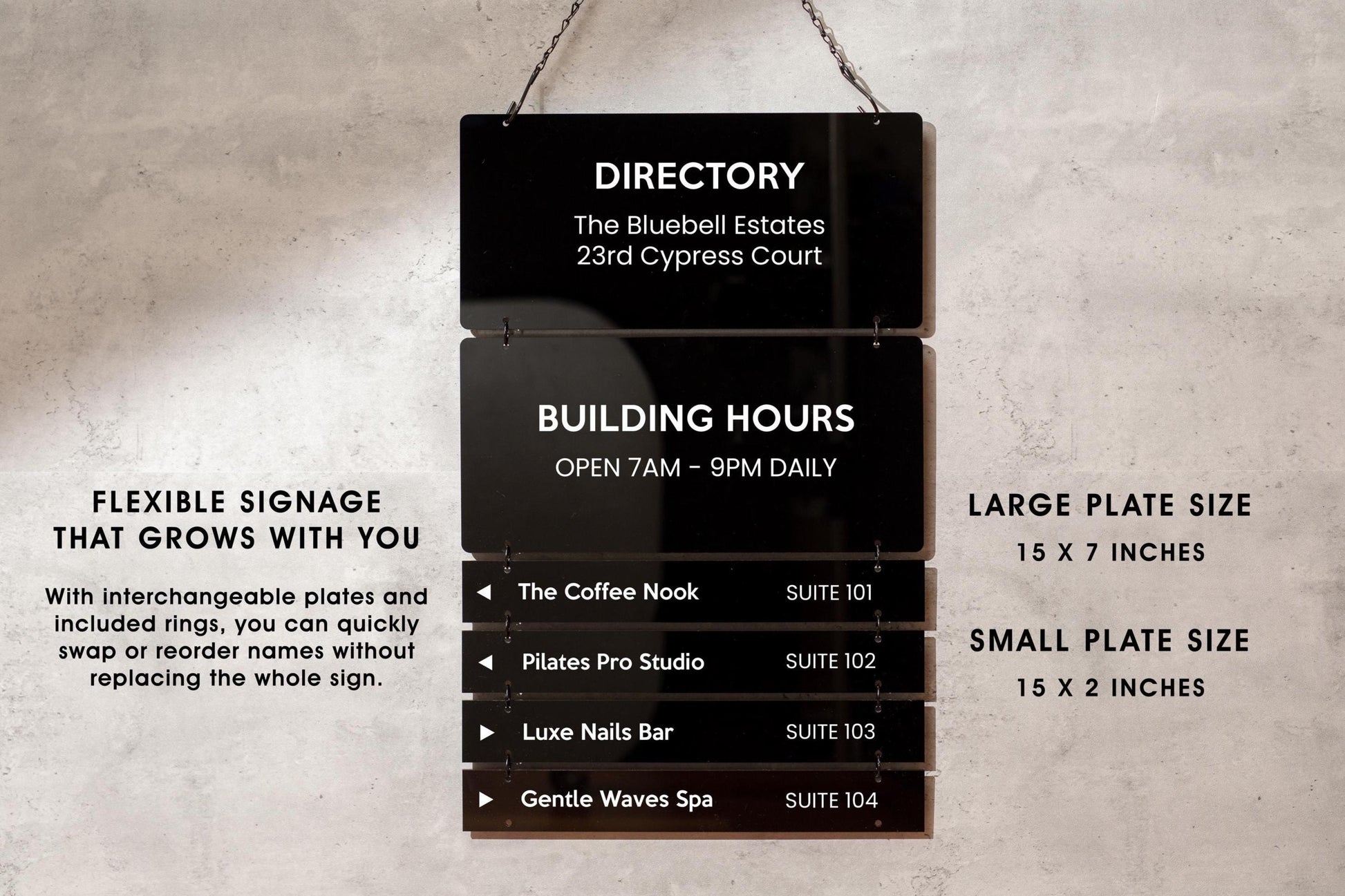
| 🪧 Top Signage | Swappable graphics (language / SKU count) |
| 🔲 Tray Layout | Modular inserts or adjustable partitions |
| 💡 Add-Ons | Optional: LED strip, fragrance bar, test station |
Why It Works
✔ 80% of the display stays the same
✔ 20% is customized by region
✔ Perfect balance of consistency + flexibility
This hybrid system cuts cost 25–40% vs fully custom.
5. Cost Comparison: Full Custom vs Modular Display System
| Category | Full Custom | Samtop Modular |
|---|---|---|
| Sampling | Multiple SKUs per region | One master sample + add-ons |
| Tooling | Separate per version | Shared molds + modular components |
| Production | Low volume (expensive) | Bulk core + light local add-ons |
| Logistics | Multi-version packing | One unified carton |
| QC | Per-variation complexity | Master spec control |
📉 Modular systems = 25–40% savings per store
(Verified across beauty, skincare, fashion, jewelry brands)
6. Case Study — 100-Store Hybrid Skincare Launch
Challenge
-
100-store campaign across Asia, EU, North America
-
SKU layouts and languages varied
-
Shipping windows limited
Samtop Solution
-
One acrylic + LED glorifier base used worldwide
-
Swappable tray inserts for SKU variations
-
Sleeve-style local-language signage
-
Same carton spec across all regions