
Yes — Samtop ensures gloss level consistency across painted metal, acrylic, resin, and PU components by using controlled coatings, gloss meters, and visual side-by-side QC to achieve uniform matte, satin, or glossy finishes.
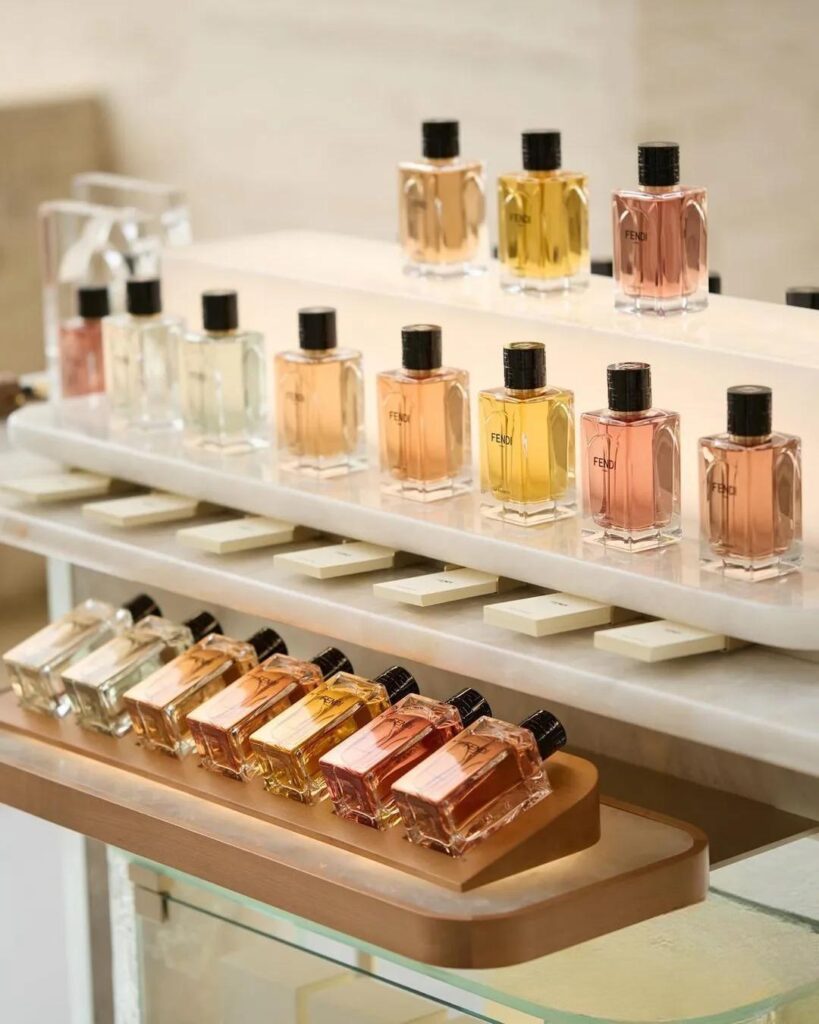
🎯 Gloss Level = Brand Perception
Gloss level consistency across resin, metal, acrylic and PU materials is crucial for maintaining premium brand image in retail displays.
“Why does the acrylic shelf look glossier than the metal frame?”
“Why does the PU wrap reflect more light under the spotlight?”
At Samtop, we go beyond color matching — we deliver gloss control across every material in your display system, ensuring a premium, unified appearance in any retail lighting environment.
🔍 Gloss Level Consistency Across Acrylic, Resin, and PU — Why It Matters in Retail Displays
| Gloss Problem | Resulting Issue |
|---|---|
| Mismatched gloss across parts | Inconsistent surface sheen under lighting |
| Overly shiny acrylic next to matte resin | Distracting reflection and off-brand look |
| Random GU (Gloss Unit) values | Perceived drop in material quality or luxury |
✅ Gloss Level Ranges & Visual Effects
| Gloss Level | Gloss Unit (GU) | Visual Look | Common Use |
|---|---|---|---|
| Matte | 0–15 GU | Soft, non-reflective | PU wrap, powder-coated metal |
| Satin | 15–45 GU | Elegant, low glow | Resin parts, anti-glare acrylic |
| Glossy | 60+ GU | High reflectivity | Lightboxes, PETG panels |
🛠️ Samtop’s 4-Step Gloss Matching Process
| Step | Action | Why It Works |
|---|---|---|
| 1️⃣ Define Gloss Target | Client provides GU value (e.g. satin at 25 GU) or reference sample | Establishes measurable, brand-approved range |
| 2️⃣ Material Sampling | Each material (metal, PU, resin, acrylic) finished separately | Prevents inconsistent surfaces |
| 3️⃣ Visual + Meter Review | Checked under 5000K light box with gloss meter | Aligns both look and data |
| 4️⃣ Lock Golden Sample | QC reports + sample approved before mass run | Ensures repeatable results batch-to-batch |
📏 We measure every batch using industry-standard gloss meters and cross-reference visually.
🧪 Real Case: Matching Satin Black Across 3 Materials
🟨 Client: European luxury watch brand
🟨 Objective: Seamless satin black finish on podium across 3 materials
Materials:
- Powder-coated metal frame
- PU-wrapped MDF base
- Resin-printed logo
🟩 Samtop’s Gloss Solution:
- Powder-coated metal to 25 GU
- PU wrap selected with matching satin sheen
- Resin top-coated to 24.5 GU
- Lightbox QC and gloss meter readings for each part
✅ Client approved after first prototype
✅ Over 100 units deployed in 3 markets with identical finish
👥 Who Needs Gloss-Level Control?
- ✅ Luxury brands using mixed materials in high-visibility spaces
- ✅ Design agencies creating consistent VM display systems
- ✅ Retailers with boutique lighting revealing surface variance
- ✅ Projects with multiple finish types: acrylic + PU + resin + metal
⚠️ Common Gloss Mistakes & Fixes
| Mistake | Fix |
|---|---|
| ❌ Only matching color, not gloss | ✅ Always define gloss level in GU (e.g. 30 GU satin) |
| ❌ Ignoring material-specific coatings | ✅ Adjust topcoat or film per surface type |
| ❌ No visual review under lighting | ✅ Use 5000K lightbox + meter validation |
| ❌ Approving parts separately | ✅ Conduct side-by-side QC with client |
❓ FAQ: Gloss Level Matching for Displays
Q: Can gloss be controlled across PU, resin, and metal?
A: Yes — we use matched coatings, wraps, and topcoats to unify gloss across different materials.
Q: How do you measure gloss objectively?
A: We use gloss meters to record Gloss Units (GU) and compare values across samples under controlled lighting.
Q: Do you provide gloss control samples before production?
A: Absolutely. We send golden samples with side-by-side components and GU readings for your approval.