How to Validate Structure, Branding, and Quality Before […]
How to Validate Structure, Branding, and Quality Before You Mass Produce
Display prototype sampling validates the structure, branding, finish, lighting, and packaging of a retail display before mass production. It typically includes three stages — white mock-up, finish swatches, and full functional prototype — allowing brands to detect issues early, confirm materials, and ensure the final display matches the design intent.
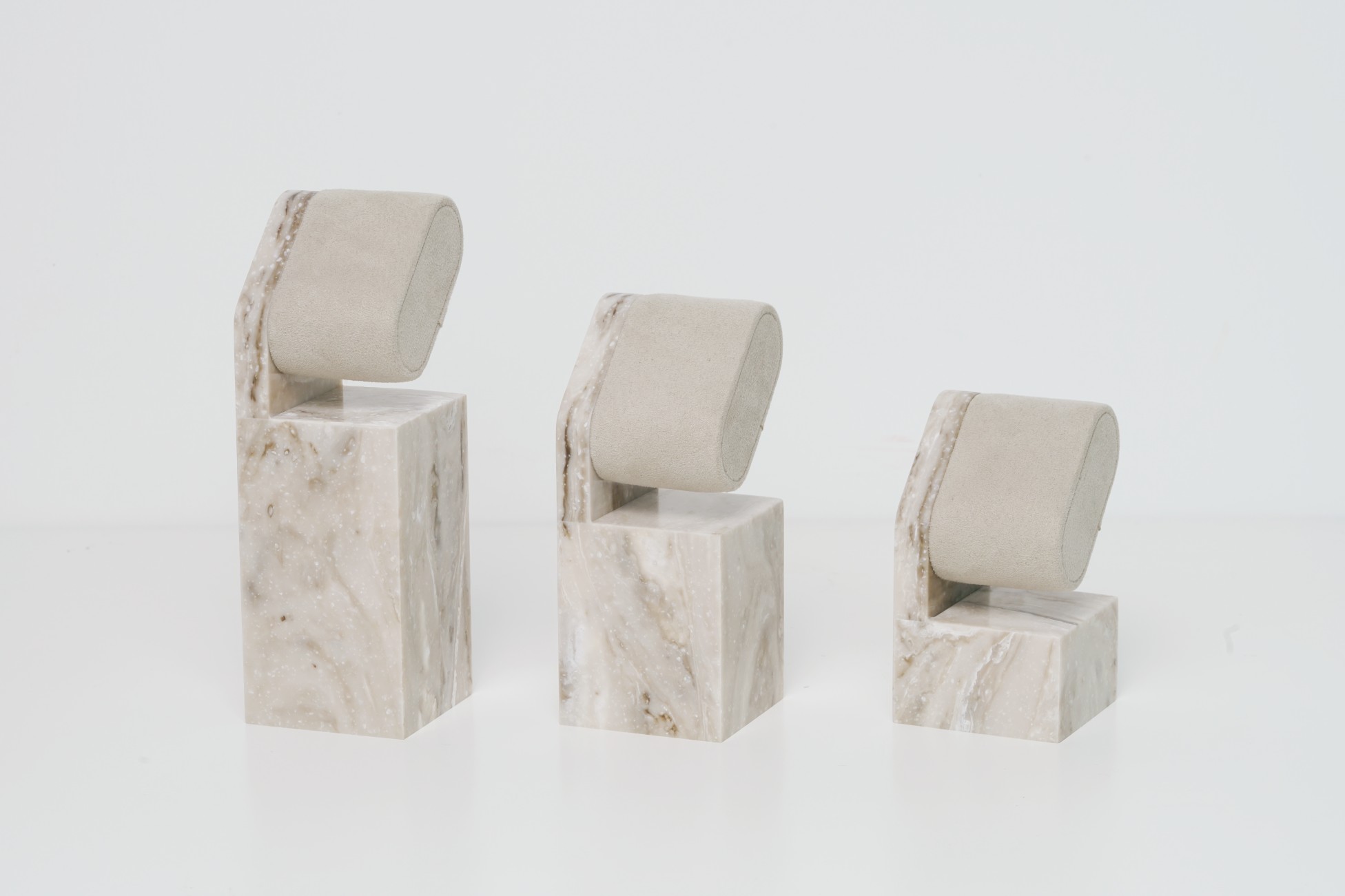
White mock-up prototype for display structure test
Sampling Saves More Than Money—It Protects Your Brand
Your render looks perfect. The client is excited. The launch date is locked. But here’s the real question:
Will the physical display look and feel the way you imagined?
A logo 3 mm too high, a color that shifts under warm light, or an acrylic thickness that feels “cheap” can derail an entire campaign if discovered after mass production.
Sampling is not an optional step — it is where accuracy, brand trust, and production confidence are built.
At Samtop, we treat sampling as the “truth moment” between creative intent and engineering reality.
1. Why Display Prototype Sampling Matters
Approving a display without sampling is a gamble — one that can cost thousands in rework, delay an activation, or damage brand perception.
Sampling helps you validate:
Element
Why It’s Critical
Structure
Ensures stability, assembly logic, ergonomics
Branding
Confirms print sharpness, logo placement, contrast
Color & Finish
Match Pantones across real lighting conditions
Lighting
Tests brightness, wiring, shadows, hotspots
Packaging
Confirms protection for global transit
📌 Render ≠ reality. Sampling bridges the gap.
2. The Three Types of Display Prototypes—and What Each One Tests
1️⃣ White Mock-Up (Structure Sample)
This is the “pure shape” stage — no branding, no color.
Purpose: To validate size, fold logic, dimensions, assembly, and ergonomics.
What’s Included:
MDF, cardboard, or white acrylic
Folding parts, joints, risers
Early test of proportions
Best For: Early-stage visual confirmation before you lock engineering.
2️⃣ Finish Swatch Board
The most underestimated yet most important part of sampling.
Purpose: To confirm color, grain, gloss level, print density, and material feel.
Includes:
Spray panels
Printed logos on real substrate
Laminate / acrylic / PU / metal finish samples
Why It Matters: Retail lighting changes everything—2700K, 3500K, daylight, and shadow lines all shift tone.
💡 Always test colors under store lighting, not just office light.
3️⃣ Full Functional Prototype
This is the closest version to the final product.
Purpose: Full validation before mass production.
Includes:
Lighting fully wired
Visual Merchandising Solutions
Transform your retail space with custom POP displays, window decorations, and luxury merchandising solutions. Get expert consultation and premium manufacturing services.
📌 Think like a store associate, not a designer — can they build it stress-free?
4. Samtop’s 6-Step Sampling Process
Custom display production timeline chart
Our process ensures clarity and speed — critical for retail deadlines.
1️⃣ Receive render or project brief 2️⃣ Create 2D/3D engineering drawings 3️⃣ Send white mock-up or finish swatches 4️⃣ Build full functional sample 5️⃣ Provide QC pack (20–40 photos + videos) 6️⃣ Final sign-off before mass production
📌 No surprises, no gaps, no mismatched interpretations.
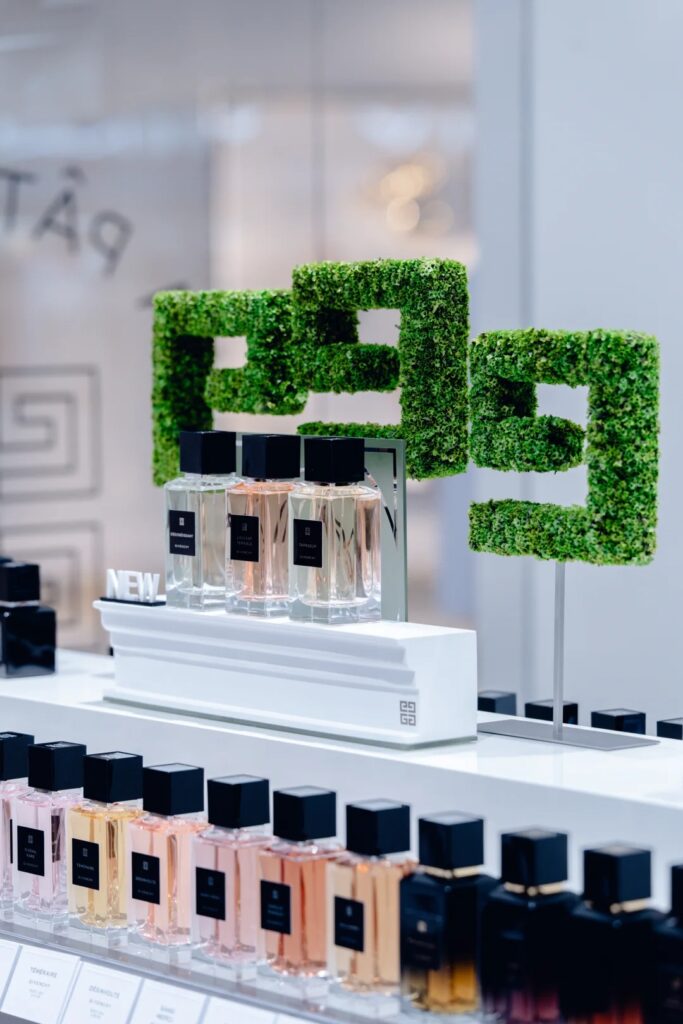
5. Case Study: Global Fragrance Tester Tray Prototype
Client: Luxury Japanese Cosmetics Brand
Project Goal: Create a travel-friendly, premium tester tray
Prototype Highlights:
5mm laser-cut acrylic (diamond-polished)
UV logo etching on brand substrate
Pantone 474C spray test under warm + daylight LEDs
Wiring stress test for LED zones
Molded pulp + FSC-certified outer box for shipping
Outcome:
✔ Approved with zero revisions ✔ Shipped to 5 countries ✔ No in-store damage reports ✔ Achieved 12-month rollout consistency
📌 Sampling ensures global consistency where renders alone cannot.
6. FAQ: Display Prototype Sampling
Q1: Can I approve samples virtually?
Yes — we provide high-resolution photography, warm/daylight lighting comparisons, and optional live video demonstrations.
Q2: What is the typical sampling timeline?
White mock-up: 5–7 days
Finish swatches: 3–5 days
Full prototype: 10–15 days (complex designs may vary)
Q3: Is sampling cost deductible after PO?
Yes — we refund sampling fees for confirmed productions over MOQ.
Q4: What if I need changes?
We provide 1–2 rounds of refinements. Sampling is designed for improvements.
Conclusion: Sampling Builds Confidence — Not Just Cost
✔ Sampling protects creative intent ✔ Sampling prevents expensive rework ✔ Sampling aligns designers, procurement, and engineering ✔ Sampling ensures the final display feels as good as it looks
At Samtop, we help brands move from design to production with precision—turning risk into reassurance.
Hi, I’m Bob, the funder of SamTop.com, Our company makes visual merchandising props, retail display stands and window display decoration for many years now, and the purpose of this article is to share with you the knowledge related to retail displays from a Chinese supplier’s perspective.