A Complete Technical Guide for Retail Brands, VM Teams & Display Manufacturers
By Yan Luo | Samtop Display
To ship POP displays overseas safely, brands should use ISTA-certified export packaging, including EPE foam-in-box systems, double-wall cartons, EVA custom inserts, and fumigated wooden crates for oversized props. Proper export packaging requires shock absorption engineering, load testing, moisture protection, vibration resistance, and air vs. sea freight adjustments. A professionally engineered packaging system reduces breakage, guarantees presentation-ready arrival, and protects brand integrity during global rollout.
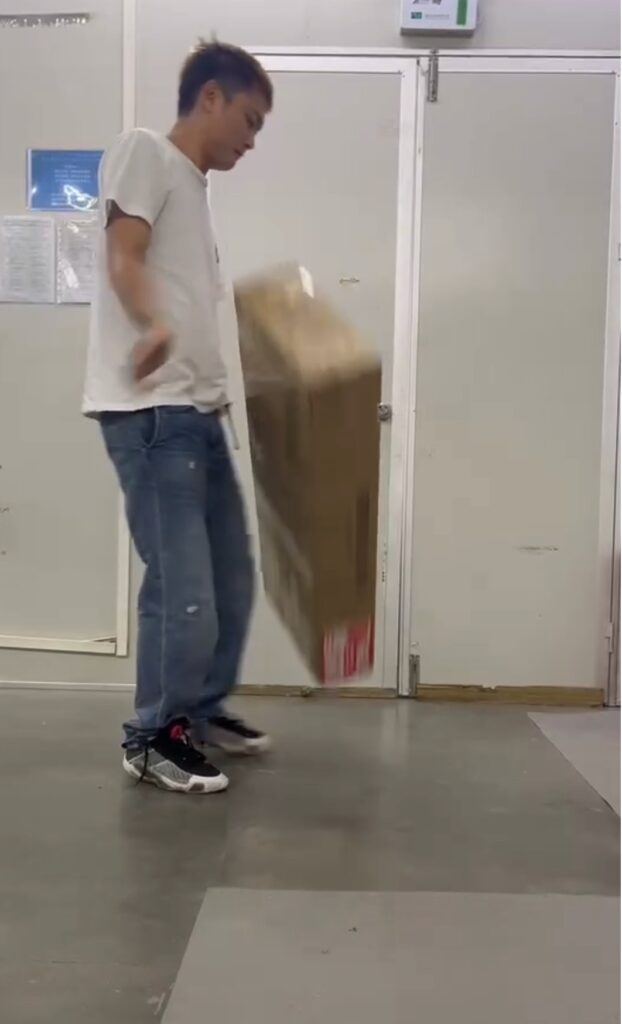
Even the most beautifully engineered POP display can fail during overseas shipping.
Common complaints from retail brands:
-
“The acrylic cracked during air freight.”
-
“The resin base has dents.”
-
“The metal frame warped before installation.”
-
“Half the cartons arrived crushed.”
One damaged shipment =
✔ delayed rollout
✔ wasted production cost
✔ unhappy store teams
✔ brand reputation damage
The root cause is simple:
Most suppliers treat packaging as an afterthought, not part of engineering.
When packaging is improvised:
-
Foam density doesn’t match fragile zones
-
Cartons collapse during pallet stacking
-
Sea humidity ruins MDF and resin polish
-
Metal frames shift and deform
-
Acrylic faces scratch during transit
The result?
A display that took 30 days to produce is ruined in 30 seconds during handling.
Professional POP display packaging requires:
-
Engineering
-
Testing
-
ISTA certification
-
Material optimization
-
Route-based adjustments
-
Shock & vibration analysis
And this guide breaks down exactly how.
🌍 Why Export Packaging Is a Critical Part of Display Engineering
| Risk | Without Packaging Engineering | With Proper Packaging |
|---|---|---|
| Fragile materials | Cracking, scratching, denting | Zero-damage transport |
| Long-distance transit | Vibration fatigue | Shock absorption system |
| Pallet stacking | Carton collapse | Load-rated carton strength |
| Sea humidity | Warping / mold | Moisture-proof barrier |
| Handling error | Edge crush | Corner + edge protection |
| Incorrect store dispatch | Misdeliveries | QR-coded master carton |
Packaging is not “the last step” —
It is part of manufacturing.
⭐ Types of Professional Export Packaging for POP Displays
Below is an engineering-level breakdown of the most widely used packaging systems.
1. Foam-in-Box (EPE) System
Best for: Acrylic glorifiers, resin displays, MDF bases, mixed-material props
Engineering Features
-
High-resilience EPE (20–35 kg/m³ density)
-
Die-cut trays for precise contour fitting
-
Layered shock absorption
-
Multi-point load distribution
Benefits
-
Lightweight → perfect for air freight
-
High impact resistance
-
Scratch protection
-
Cost-efficient
2. Double-Wall Carton + Internal Tray System
Best for: General POP displays, multi-component sets
Engineering Features
-
5-ply or 7-ply corrugated board
-
BCT (Burster Crush Test) validated
-
Internal partitioning for organization
-
Bottom-up assembly logic
Benefits
-
Compact
-
Lower freight cost
-
Best for multi-store rollouts
-
QR-coded inner trays prevent mispacking
3. Molded EVA Inserts
Best for: Luxury displays, polished metal, glass-like acrylic, gift sets
Engineering Features
-
Precision CNC-cut EVA
-
Soft-touch coating
-
Zero-scratch tolerance
-
Color-match interior (brand alignment)
Benefits
-
Premium presentation
-
Perfect fit for luxury brands
-
Superior surface protection
4. Fumigated Wooden Crate
Best for: Oversized fiberglass props, window sculptures, heavy structures