Making Confident Display Decisions with Real-World Touc […]
Making Confident Display Decisions with Real-World Touchpoints
A material sample board helps teams evaluate real-world finishes—paint, textures, logo printing, and hardware—before approving a display. Reviewing samples under store lighting allows brands to confirm gloss, color accuracy, durability, and brand alignment before mass production.
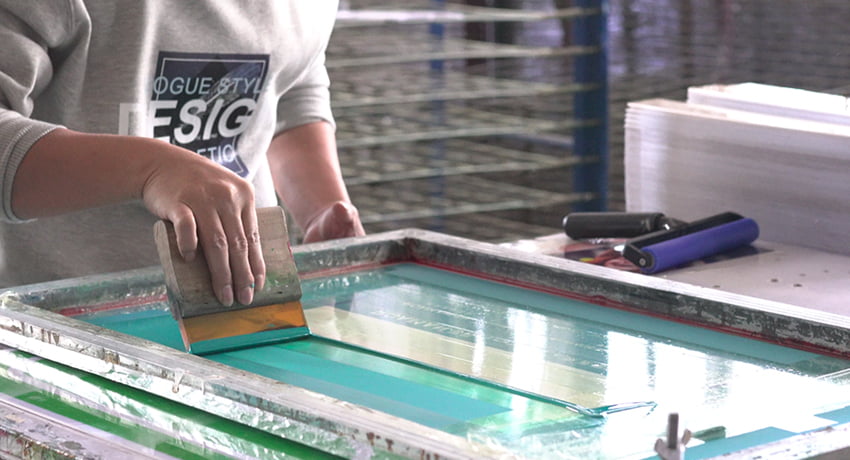
Anti-Fingerprint Coating for POP DisplaysUV print and silk screen logo samples for evaluation
1. What Is a Material Sample Board?
Think of it as your display material R&D lab, delivered to your desk.
Included Samples
What It Confirms
Painted finish on real substrate (MDF / acrylic / metal)
💡 Real stores don’t operate under CAD lighting — test finishes under real conditions.
2. How to Request a Material Sample Board (Checklist)
To ensure your supplier sends a useful and accurate board, include the following:
Input You Should Provide
Input
Why It Matters
Brand moodboard / design direction
Helps match brand tone
Pantone or RAL codes
Ensures accurate spraying
Finish categories
Matte? Velvet? Brushed? Gloss?
Logo treatment preferences
Foil, UV, silk, laser—request comparisons
Expected usage
Wipeable? Outdoor-safe? Friction zones?
Timeline
3–7 working days for creation + shipping
Ask for:
✔ Labels on each sample ✔ A material spec sheet ✔ Photos under different lighting (daylight + 3000–4000K store light)
3. How to Evaluate a Material Sample Board With Your Team
A sample has value only when you evaluate it correctly.
Element
What to Look For
Color
Does it match Pantone under both warm & cool light?
Finish
Smoothness, consistency, no orange peel or streaks
Print Quality
Sharpness, ink laydown, logo edge clarity
Texture
Premium? Coarse? Too slippery? Reflects brand tone?
Durability
Wipe test, scratch test, bend/flex test
Brand Fit
Does it communicate your price point?
💡 Always evaluate finishes near retail lighting — never under office fluorescents.
4. Real Case Study: Choosing Finish for a European Cosmetics Launch
Client: European color cosmetics brand
Challenge: Satin red vs. metallic red for a counter display
Samtop Provided:
Side-by-side sprayed MDF samples
Matte black base sample for contrast
Silk screen logo samples on both finishes
Visual Merchandising Solutions
Transform your retail space with custom POP displays, window decorations, and luxury merchandising solutions. Get expert consultation and premium manufacturing services.
✓ 20+ Years Experience • ✓ Global Shipping • ✓ Custom Manufacturing
Photos under daylight + spotlight
Pantone swatch for direct comparison
Outcome:
The client selected satin red for premium softness and matte black for the structural base. Their internal teams used the board in creative, retail, and procurement reviews.
5. FAQ: Material Sample Boards
Q1: Can a sample board include multiple finishes?
Yes — comparing finishes side by side is the fastest way to make aligned decisions.
Q2: What size should each sample be?
5–10 cm² is ideal to show texture, gloss, and color.
Q3: Can approval be made from photos?
Possible for early review, but in-hand evaluation is critical for texture and gloss.
Q4: Do suppliers charge for sample boards?
At Samtop, sample boards are complimentary for active development projects.
Conclusion: Turn Visual Guesswork Into Hands-On Certainty
✔ Sample boards eliminate color guesswork ✔ Help creative + VM + procurement align faster ✔ Reduce revisions and prevent costly production errors ✔ Allow teams to evaluate finishes under real lighting
Before committing to mass production, let your eyes and hands make the decision—not a render.
Hi, I’m Bob, the funder of SamTop.com, Our company makes visual merchandising props, retail display stands and window display decoration for many years now, and the purpose of this article is to share with you the knowledge related to retail displays from a Chinese supplier’s perspective.