

How to Design, Build, and Modularize Fixtures for Events and Long-Term Retail Zones
Event retail fixtures are engineered for speed, portability, and modularity, while permanent store fixtures prioritize durability, premium finishes, and integrated power. The best-performing retail systems use a hybrid approach: lightweight event-ready frames combined with durable cores and interchangeable skins for long-term use.
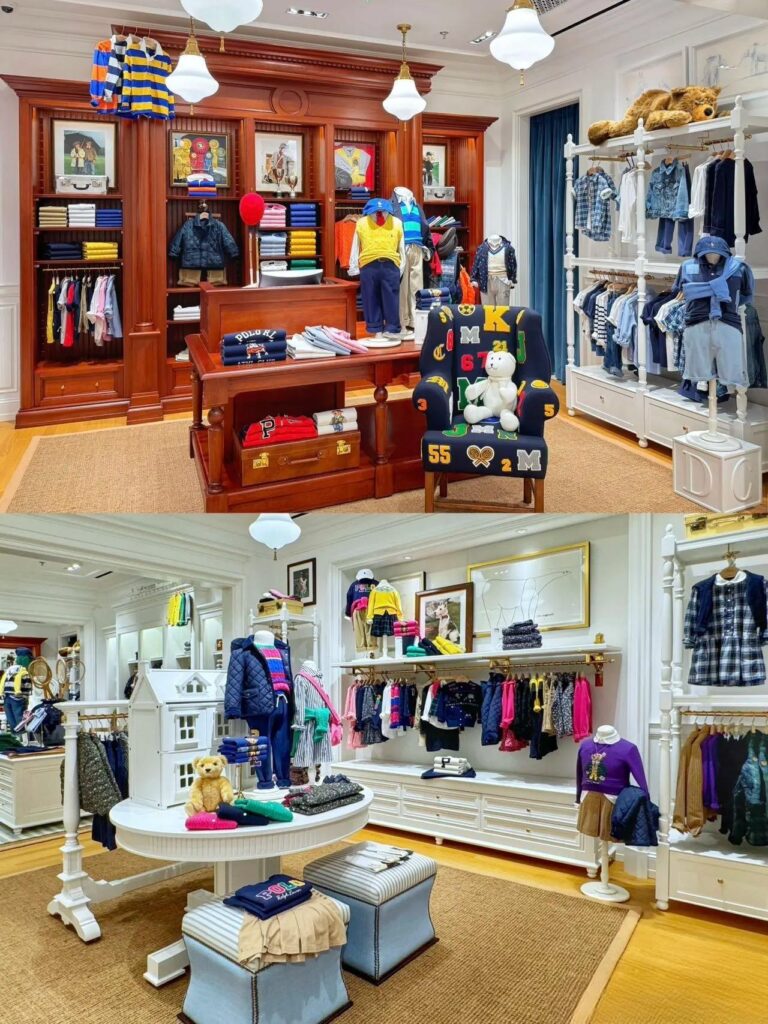
Retail teams often struggle to choose between event retail fixtures and permanent store fixtures.
Event environments demand fast setup, tool-free structures, and lightweight materials—but these builds can look temporary or lack brand depth.
Permanent fixtures deliver premium presence but are heavy, costly, and inflexible for activations or multi-mall campaigns.
The solution? Engineer fixtures that serve both worlds—event-ready, modular systems with premium cores designed for store use.
This guide explains exactly how to do it.
1. Event vs. Permanent Retail Fixtures: Core Differences
Side-by-Side Comparison
| Element | Event Space Fixtures | Permanent Retail Fixtures |
|---|---|---|
| Setup Time | Under 2 hours | Full-day / phased install |
| Transport | Flat-pack, flight case | Pre-assembled or built-in |
| Structure | Foldable, tool-free | Heavy, architectural |
| Power | Plug-in kits, battery | Hardwired, raceways |
| Materials | PET wraps, aluminum | MDF, PU, veneer, steel |
| Reusability | 5–10 uses | 12–36 months lifespan |
Event = speed + portability
Permanent = durability + premium architecture
2. Engineering Differences: How Fixtures Are Built
Structural Engineering: Event Fixtures
-
Aluminum tubular frames
-
Cam locks / twist locks
-
Foldable side panels
-
Knock-down bases
-
Magnetic skins (fast rebranding)
-
Lightweight acrylic or PET panels
Structural Engineering: Permanent Fixtures
-
MDF with PU lacquer
-
Steel frame reinforcement
-
Stone veneer or metal accents
-
Recessed LED channels
-
Cable raceways built into structure
-
Fixed acrylic logos or signage
Rule of Thumb
Event = modular skeleton + flexible skins
Permanent = solid body + built-in utilities
3. Visual Design: VM Logic for Events vs. Permanent Zones
Event Spaces Require
-
High visual punch
-
Bright color blocks
-
Fast-communicating graphics
-
Simple lighting (plug-in strips)
-
Lightweight materials
-
Easy-to-swap campaign messaging
Permanent Zones Require
-
Subtle, architectural integration
-
Brand codes (colors, trims, finishes)
-
Integrated lighting
-
Clean surfaces for long-term use
-
Seamless alignment with existing fixtures
4. Hybrid Fixture Design (Samtop Method)
One System That Works for Both Environments
Hybrid System Components
| Component | Event Mode | Permanent Mode |
|---|---|---|
| Core Frame | Aluminum tube | MDF + metal reinforcement |
| Skins | Magnetic PET sheets | PU or UV-printed acrylic |
| Power | USB/battery | Hardwired LED |
| Add-ons | Clip-in trays, testers | Fixed trays, branding blocks |
| Graphics | Sleeve / magnet | Permanent UV print |
| Shipping | Flat-pack | Pre-assembled |
The 70/30 Hybrid Framework
-
70% shared structure (reduces cost)
-
30% swappable skins or modules (drives flexibility)
This hybrid system cuts:
-
30–45% shipping cost
-
25–35% production cost
-
50% install time
5. Material Strategy: Temporary vs. Permanent Fixtures
Temporary Fixture Materials
| Material | Use | Why |
|---|---|---|
| PET Film Wrap | Surfaces | Lightweight, anti-scratch, rebrandable |
| Aluminum Tubes | Skeleton | Portable + strong |
| Magnetic Acrylic | Logos & messaging | Reusable + premium |
| Laminate Folding Board | Sidewalls | Durable + flat-pack |
| Foamcore | Headers | Ultra light |
Permanent Fixture Materials
| Material | Use | Why |
|---|---|---|
| MDF + PU Coating | Structure | Premium & durable |
| PVD Metal | Trim, accents | High-end finish |
| Stone Veneer | Bases | Luxury vibe |
| Solid Acrylic | Logos | Long-lasting clarity |
| Integrated LEDs | Illumination | Consistent brand lighting |
6. Case Study: Pop-Up vs In-Store Tester
Event Display
-
Foldable aluminum
-
Magnetic PET skins