
How Do You Design Floor Display Units That Increase Sales Per Square Meter?

Bob Chow Bob
Share:

Article Overview

The engineering and merchandising method behind high-RO […]

The engineering and merchandising method behind high-ROI floor fixtures.


To maximize retail sales per square meter, floor display units should use vertical space efficiently, increase SKU density without clutter, support 360° access, and enable fast replenishment. Smart tiering, shopper-flow alignment, and lightweight modular structures significantly boost ROI per m².

When shelves are full and floor space is expensive, your floor display unit must perform like a sales engine—not a piece of décor. Many brands still design units that are beautiful but not shopable, causing:

  • low SKU visibility

  • slow replenishment

  • blocked shopper flow

  • underutilized vertical space

At Samtop Display, we engineer floor units that convert more per square meter by combining structural efficiency + shopper psychology + modular merchandising logic.
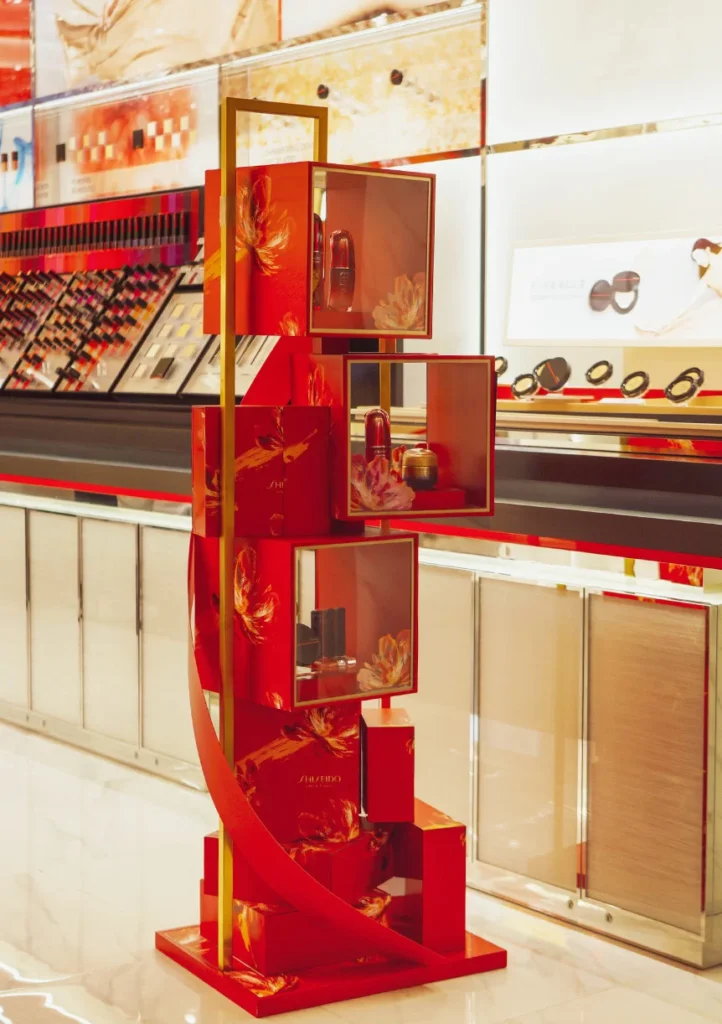
retail-floor-display-efficiency

🟦 1. What Actually Drives Sales per Square Meter?

FactorWhy It Increases ROI/m²
Footprint EfficiencySmall base + tall structure = compact footprint with higher SKU density
Vertical Layering3–4 merchandising tiers align with shopper eye & hand levels
Touch-Friendly ZonesTesters or demos increase dwell time and impulse buys
Clear Category LogicFaster decisions → higher throughput
Strategic PlacementUnits in traffic flow convert 2–4× better
Easy ReplenishmentLess downtime → more hours fully stocked

👉 Sales per m² rises when structure + human behavior align.

🟦 2. Floor Unit Types That Maximize Revenue

Fixture TypeDescriptionBest For
Tiered Vertical DisplayPyramid-style, ascending tiersFootwear, electronics, skincare kits
360° Spinner TowerUltra-small footprint, full rotationAccessories, jewelry, beauty minis
Island GondolaDouble-sided visibilityFragrance, skincare, tech accessories
Impulse Bin / Grab BoxHigh-volume, low-CAPEXSeasonal items, promos, cross-sell
Stackable Modular KitsLayered blocks with pricing tiersGifting, wellness, refill programs

Vertical units outperform low horizontal displays by up to 30–60% depending on category.

🟦 3. Engineering Principles for High-ROI Floor Units

📐 1. Optimize Base Size (≤ 600 × 600 mm)

The smaller the footprint, the higher the sales density.

📏 2. Use Vertical Space Wisely

Ideal display height: 1000–1400 mm

  • Base = bulk/full-size

  • Mid-layer = kits or boxed SKUs

  • Top = testers, hero SKUs, mirror, or demo zone

🧭 3. Design for Multi-Directional Access

  • 3-sided or 4-sided access → more entry points

  • Rounded corners improve flow in tight stores

🔁 4. Build for Fast Merchandising

  • Magnetic headers

  • Removable trays

  • Front-facing refill access

  • Tool-free assembly

💡 5. Integrate Retail Lighting (Without Overdoing It)

  • 3000–4000K LEDs for beauty & wellness

  • Target illumination of hero zone only

  • Diffuser panels to avoid glare

🟦 4. SKU Grouping & Merchandising Logic 

✔ Use “Price Tiers by Height”

  • Bottom level = entry price / bundles

  • Mid = core SKUs

  • Eye level = hero / premium

Visual Merchandising Solutions

Transform your retail space with custom POP displays, window decorations, and luxury merchandising solutions. Get expert consultation and premium manufacturing services.

✓ 20+ Years Experience • ✓ Global Shipping • ✓ Custom Manufacturing
Visual Merchandising Solutions

✔ Use Visual Blocks

Color grouping increases shoppability and reduces decision fatigue.

✔ Avoid Overloading

8–20 SKUs is optimal for most categories.

Above 30 SKUs requires grid shelf logic to prevent confusion.

🟦 5. Smart Features That Increase Conversion

FeatureWhy It Works
Modular HeaderEasily updated for seasonal or promo cycles
Under-Shelf LEDsEnhances product visibility—especially premium SKUs
QR Codes & Digital Try-OnAdds story without cluttering physical space
Built-In Refill DrawerSpeeds up replenishment, keeps unit 100% stocked
Visual Price TiersPrevents cognitive overload, aids quick decisions

🟦 6. Case Study: APAC Mall Skincare Floor Unit

Footprint: 550 × 450 mm
Materials: PET tiers + powder-coated steel spine
Merchandising Logic:

  • Base: Full-size

  • Middle: Kits

  • Top: Testers + mirror

Enhancements:

  • LED halo for hero product

  • Magnetic signage for seasonal use

Performance:

  • +42% SKU uplift in 12 weeks

  • Refill time reduced to 3 minutes

  • Deployed in 30+ malls across APAC

➡ Result: A compact unit that delivers mall-level sales density.

🟦 FAQ

Q1: How many SKUs should a high-performing floor unit hold?

Most effective units carry 8–20 SKUs depending on category and shopper behavior.

Q2: Do storytelling zones reduce SKU density?

Yes—but they often increase conversion for premium categories like skincare and jewelry.

Q3: Should floor units be 360° shopable?

When space allows, yes. 360° access increases dwell time and reach.

Q4: Are digital elements worth adding?

Yes—as long as they don’t block access. QR, light accents, and compact screens work well.

🟦 Conclusion: Make Every Square Meter Sell More

✔ Prioritize vertical space, not footprint
✔ Group SKUs by shopper logic — not by volume
✔ Use lighting & modular features to highlight hero SKUs
✔ Build fast-refill systems to stay fully stocked
✔ Shorter dwell → higher conversion → higher ROI/m²

Samtop engineers floor displays that turn retail space into a revenue machine — from skincare and fragrance to wellness and gifting.

📩 Need a high-ROI floor unit design?
We offer:

  • ROI/m² calculation tools

  • Modular floor system engineering

  • Prototyping & global rollout logistics

📧 Email: yan@samtop.com
🌍 Website: www.samtop.com

Bob

About Bob

Hi, I’m Bob, the funder of SamTop.com, Our company makes visual merchandising props, retail display stands and window display decoration for many years now, and the purpose of this article is to share with you the knowledge related to retail displays from a Chinese supplier’s perspective.

Connect: