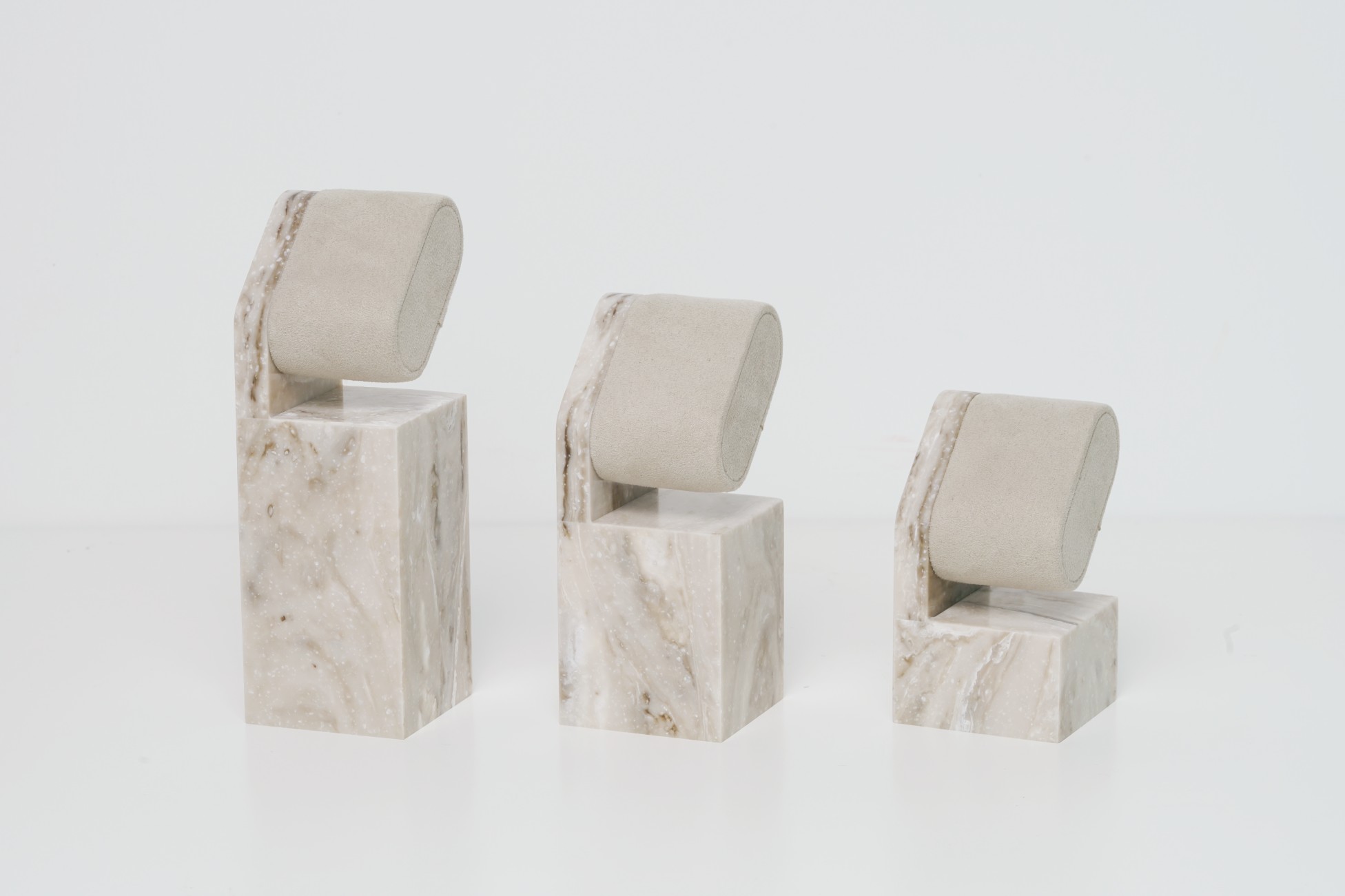

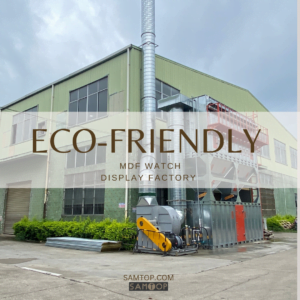
Eco-friendly luxury display manufacturing is rapidly becoming the new standard for premium brands. In 2025, luxury retailers want display props that look high-end, feel luxurious, and still comply with global sustainability expectations. The challenge? Achieving the same premium look while reducing VOC emissions, minimizing plastic use, and sourcing greener materials—without compromising aesthetics.
This guide reveals how luxury brands can maintain visual prestige while upgrading to eco-friendly materials, greener processes, and sustainable packaging.
1.Why Eco-Friendly Luxury Display Manufacturing Matters
Luxury brands are moving away from:
-
High-VOC solvent paints
-
Non-recyclable plastics
-
Unsustainably sourced wood
-
Heavy metal components with high carbon footprints
Why?
Because consumers—and malls—are demanding greener retail materials.
And because sustainable choices now strengthen luxury perception instead of weakening it.
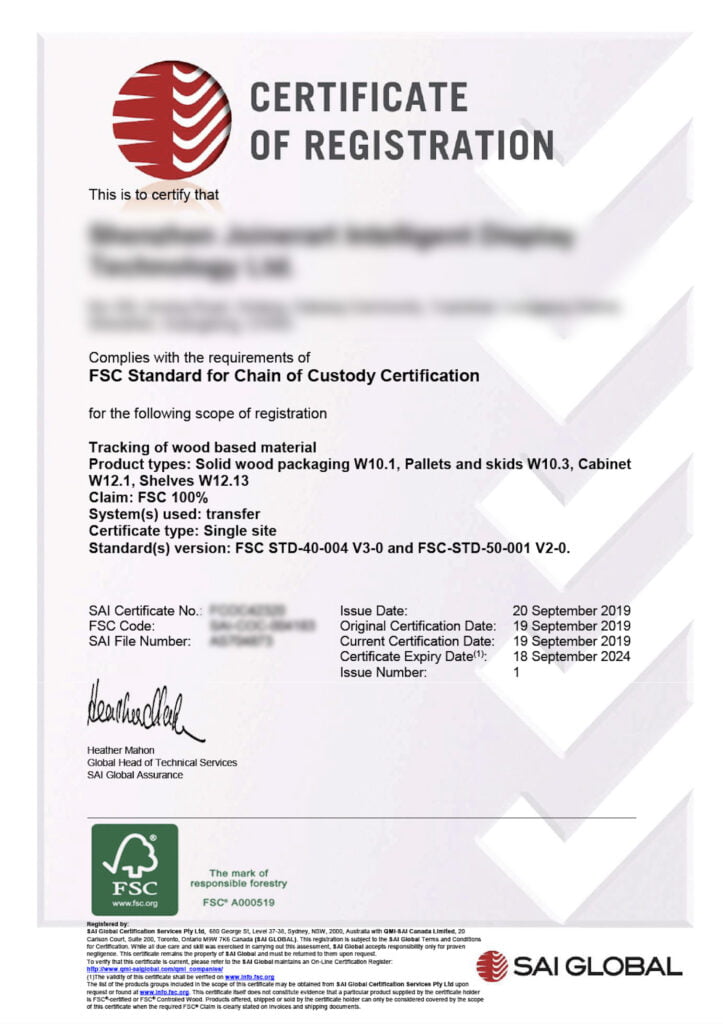
2. Water-Based Paints: Luxury Look, Low Environmental Impact
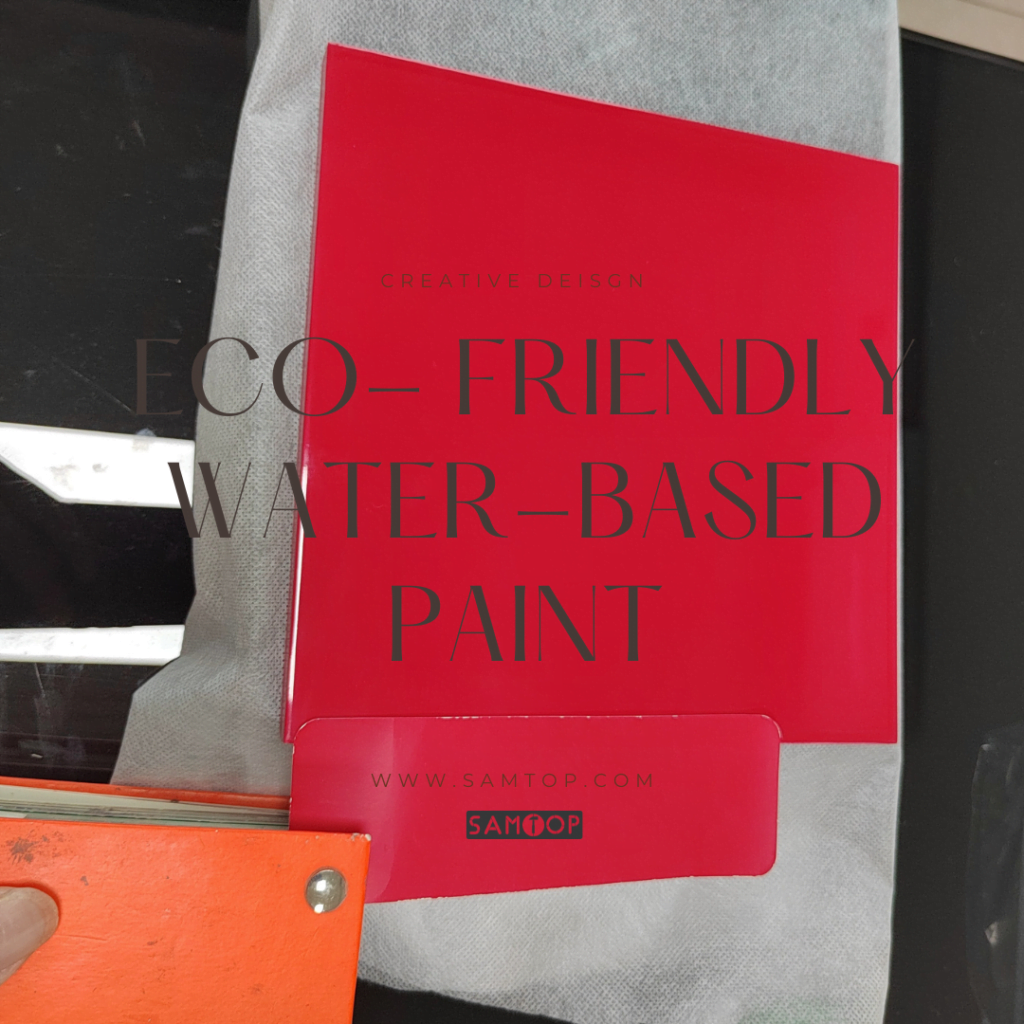
Water-based paint is a major upgrade in eco-friendly luxury display manufacturing because:
✅ 70% cheaper than early years
✅ Near-zero VOC
✅ Ideal for matte, satin, and soft-touch finishes
Best for:
High-end watch displays, fragrance testers, fashion shelving.
Note:
Cannot achieve ultra-high gloss; needs 24–48 hrs natural drying.

3. Recycled Plastics (rPET & rPMMA)
Clear acrylic is a luxury staple—but traditional acrylic is not eco-friendly.
Modern alternative: Recycled PMMA and rPET.
Benefits:
-
100% recyclable
-
Same optical clarity as virgin acrylic
-
Lightweight for global logistics
-
Lower carbon footprint
Best for:
-
Watch risers
-
Jewelry glorifiers
-
Lightbox panels
-
Logo plaques
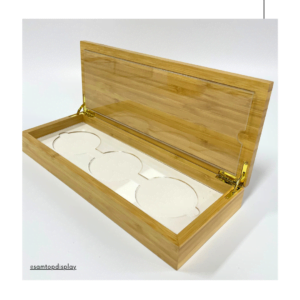
4. High-Grade Synthetic Leather (Eco Leather)
Luxury brands like Cartier and Omega already use synthetic leather for:
-
Pads
-
Trays
-
Watch pillows
-
Jewelry inserts
Premium eco-leather brands include:
-
WINTER & COMPANY (CH)
-
Majilite Corporation (US)
-
Toray Ultrasuede (JP)
Why it works:
-
Zero animal impact
-
Elastic, soft-touch, premium look
-
Perfect for boutique-level craftsmanship
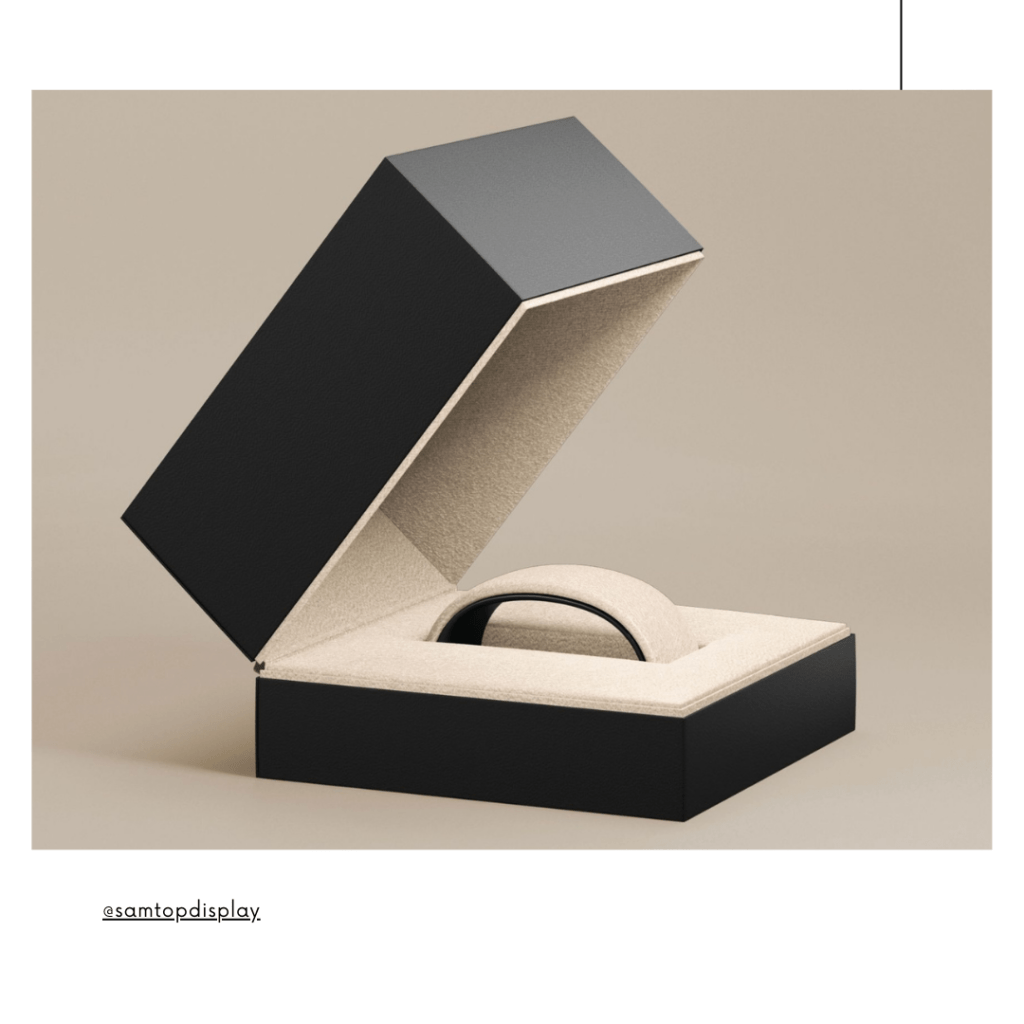
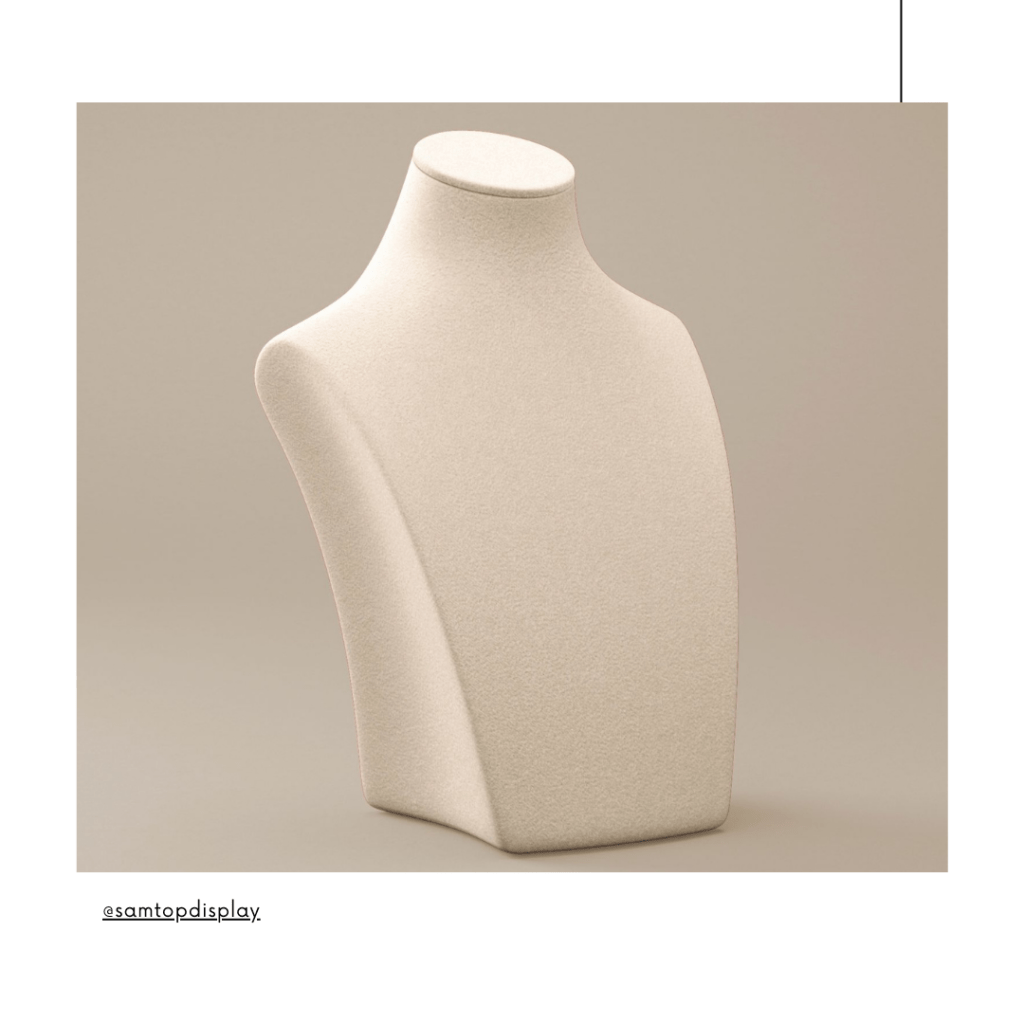
Artificial Leather Materials: High-quality artificial leather materials can be used to reduce the demand for genuine leather, alleviating its impact on the environment. This substitute offers the same sense of luxury without the environmental cost.
5. Recycled Metals for Frames, Logos & Hardware
Recycled stainless steel and aluminum help brands:
-
Reduce raw-material mining
-
Maintain durability and luxury weight
-
Achieve brushed, polished, or blasted effects
Typical uses:
-
Logo plates
-
Structural frames
-
Signature trims
-
Watch pedestals
Surface techniques include:
-
Brushing
-
Sandblasting
-
Anodizing
-
PVD eco-coating (now VOC-friendly)
6. Bamboo & Raffia: High-End Natural Aesthetic
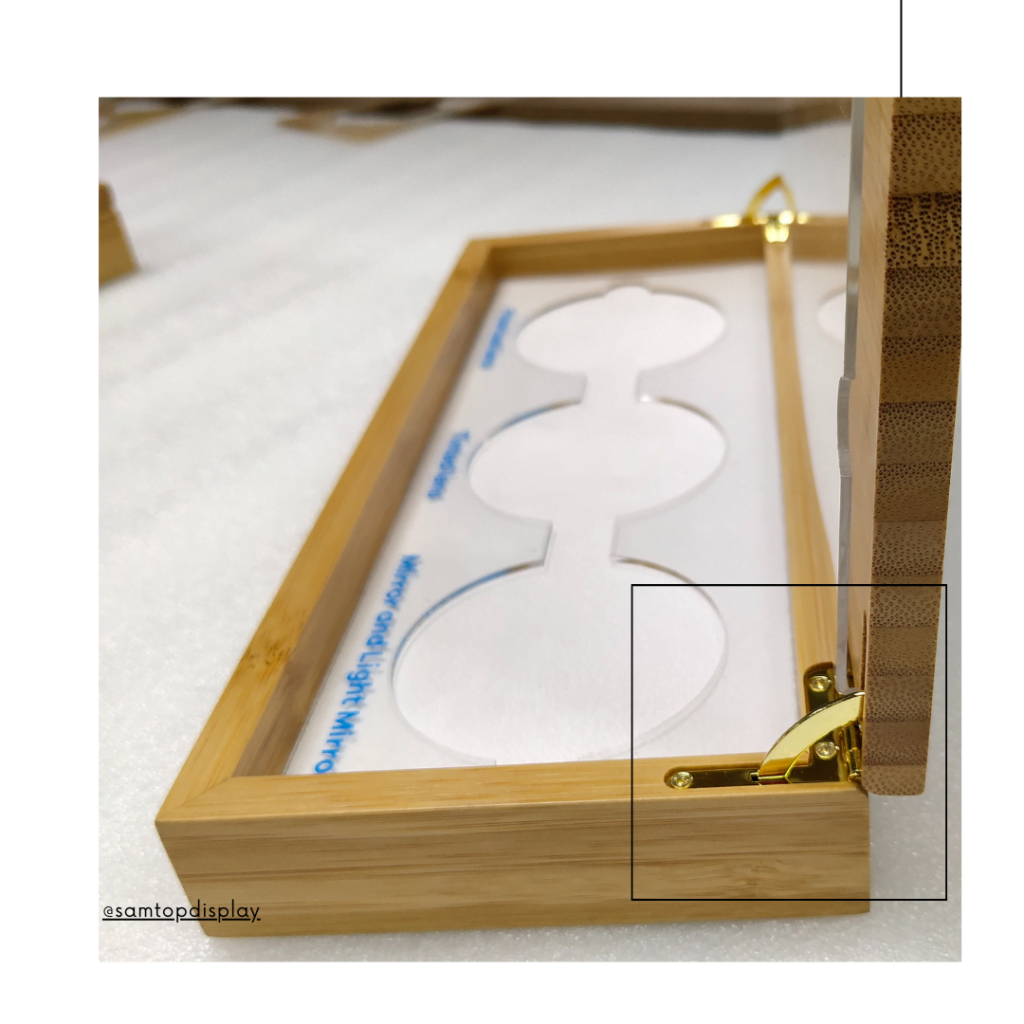
These renewable materials add: