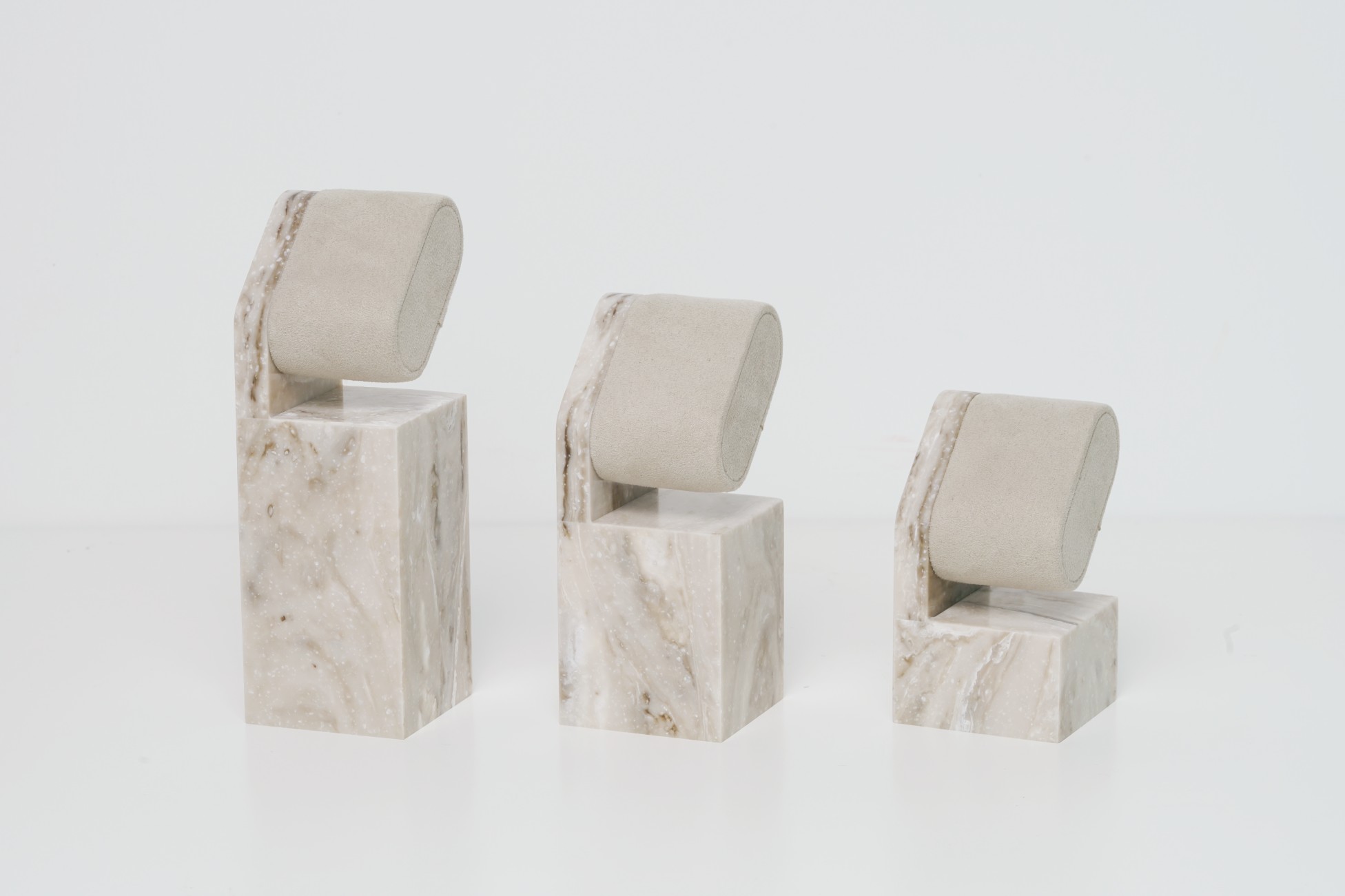
POP displays for trade marketing help brands drive sell-in, increase in-store visibility, and boost sell-through by influencing shoppers at the point of decision. When designed with clear messaging, retailer compliance, and modular structure, POP displays deliver measurable ROI through sales uplift, higher conversion, and improved shopper engagement.
Why POP Displays Are a Trade Marketing Power Tool
For trade marketers, POP displays for trade marketing are no longer optional add-ons — they are strategic revenue drivers. POP displays shape shopper behavior, support retail partners, and deliver performance data that feeds the entire retail activation cycle.
A POP display is a branded structure placed near the point of purchase that enhances visibility, encourages impulse buying, and drives faster retail turnover.
At Samtop, we help trade marketing teams turn POP investments into measurable ROI with smarter design, modular engineering, and retailer-ready deployment systems.
1. What Trade Marketing Teams Need from POP Displays
Every POP display must serve both retail partners and end shoppers.
Here’s how POP displays align with common trade marketing objectives:
| Objective | POP Display Impact |
|---|---|
| Sell-through | Drives impulse purchase & trial |
| Sell-in | Provides retailers with ready-to-use sales assets |
| Visibility | Elevates SKUs in crowded shelf environments |
| Product Education | Communicates benefits & features instantly |
| Campaign Activation | Supports seasonal promotions & launches |
💡 A POP display is the most controllable tool a trade marketer has inside retail stores.
2. Choose POP Formats That Match Your Channel Strategy
Different channels require different POP structures. Choosing the wrong format can kill performance.
| POP Format | Best Use Case | Placement |
|---|---|---|
| Countertop displays | Beauty, electronics, snacks | Cash wrap, reception, checkout |
| Floor-standing units (FSDU) | Seasonal SKUs, hero sets | Entrances, aisle ends |
| Shelf talkers / wobblers | Promotions, bundles | Existing gondola shelves |
| Modular glorifiers | Gifting, luxury SKUs | Beauty walls, premium counters |
| On-shelf risers | Blocking & brand blocking | Inline shelf displays |
✔ Retailer-compliant POP = less rejection, faster rollout.
3. Use POP to Influence Retail Partners (Sell-In Advantage)
POP displays don’t just influence shoppers — they help trade marketers win over retail buyers.
Techniques that improve retailer buy-in:
| Tactic | Value to Retailer |
|---|---|
| Co-branded POP | Supports retailer identity & partnership |
| Training kits + signage | Helps staff explain the product |
| Flat-pack displays | Lower logistics cost & easy handling |
| Layout-customized displays | Fit perfectly without retail rework |
📌 Retailers support the brands that make their jobs easier.
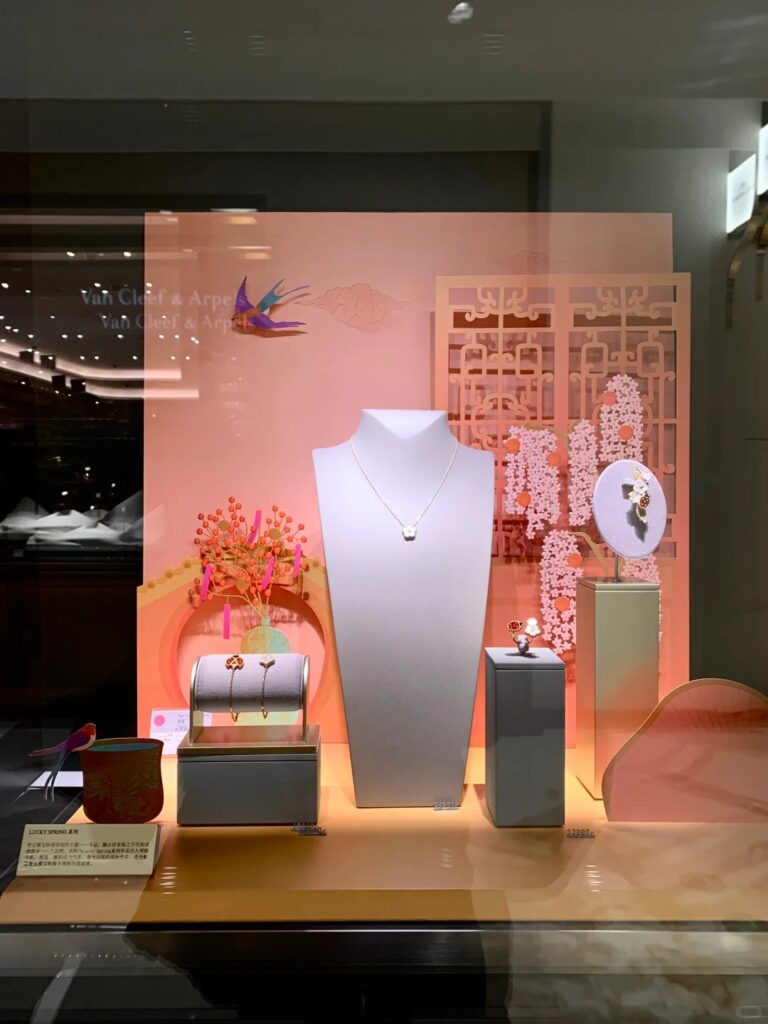
4. Track ROI: How POP Displays Produce Measurable Results
To maximize ROI, you must treat POP displays as performance assets, not decorations.
What to measure:
| Metric | What It Tells You |
|---|---|
| Sales uplift | Did the display drive incremental sales? |
| Shopper interaction | Foot traffic, touchpoints, dwell time |
| Conversion rate | Which formats work best? |
| Damage/lifespan | Helps reduce replenishment cost |
| Retailer feedback | Critical for improving future kits |
💡 Implement a simple POP ROI dashboard → align spend with sales reality.
5. Best Practices for Trade Marketers Working with POP Suppliers
✔ Share retailer requirements early
Avoid rework caused by shelf depth, space restrictions, or banned materials.
✔ Request rollout kits
QR videos + assembly maps = fewer store complaints.
✔ Test materials before mass production
Especially for beauty or luxury categories.