Tips and Techniques for Maintaining Uniformity in Stainless Steel Finishes Across Large Installations
By Yan Luo | Samtop Display
Website: www.samtop.com
Email: yan@samtop.com
Achieving a consistent finish on stainless steel for large-scale retail displays is crucial for ensuring a premium, cohesive appearance. Whether the finish is polished, brushed, matte, or satin, maintaining uniformity across multiple pieces requires careful control over the manufacturing process, material selection, and quality assurance. This article provides essential tips and techniques for achieving visual consistency in large-scale stainless steel displays.
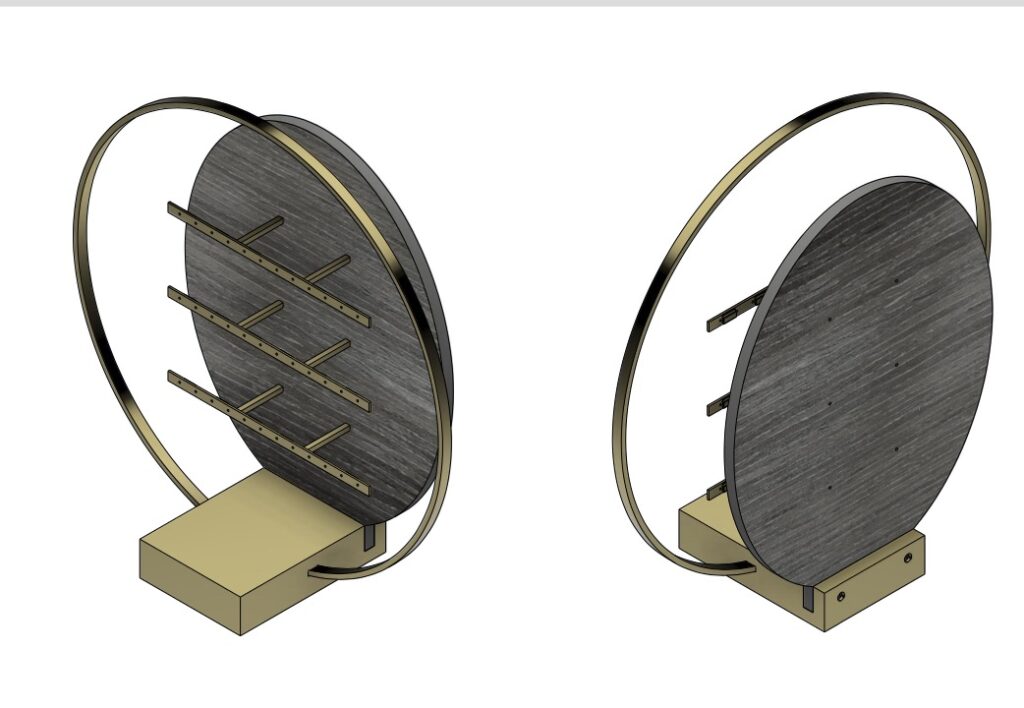
At Samtop, we specialize in ensuring that all custom stainless steel displays are produced with a consistent finish and premium quality, no matter the scale of the project.
🌍 Why Consistent Stainless Steel Finishes for Large-Scale Displays Matter
When working with stainless steel for large-scale retail displays, consistency in the finish is essential for several reasons:
- Brand Image: Uniformity in the finish reinforces a premium brand image and attention to detail, which is crucial for luxury or high-end products.
- Visual Appeal: A consistent finish across multiple elements (such as sculptures, fixtures, displays) ensures that the overall aesthetic is harmonious and polished, helping to create a seamless look.
- Durability: Ensuring that all pieces are finished consistently helps in maintaining long-term durability, as uneven finishes may have varying levels of protection against wear and tear.
🧪 Step 1: Material Selection and Batch Control
The first step to achieving a consistent finish is selecting the right material and ensuring that all the stainless steel used in the display is from the same batch. Variations in steel composition can affect how the material reacts to surface treatments, so it is important to source high-quality, consistent stainless steel.
Key Considerations:
- Material Grade: Ensure that all stainless steel used for the display has the same grade (e.g., 304, 316) to maintain consistency in appearance and performance.
- Surface Preparation: The surface must be thoroughly cleaned and prepped before applying any finish to ensure the final result is even across all pieces.
- Batch Control: When ordering large quantities, make sure to source the stainless steel from a single batch to prevent differences in material properties that could lead to inconsistencies in the finish.
Example:
A luxury fashion store commissions stainless steel display tables for a global launch. They ensure that all the steel sheets come from the same batch to avoid any color discrepancies or surface imperfections.
🧪 Step 2: Consistent Surface Treatment
Once the material is selected, achieving a consistent surface finish requires precision in the surface treatment process. Whether the finish is polished, brushed, or matte, it is important to standardize the process across all components.
Techniques to Maintain Consistency:
- Polishing: For mirror finishes, the polishing process should be done in sequential stages to achieve the desired smoothness. Use abrasive pads of the same grade to ensure uniformity.
- Brushed Finish: If opting for a brushed finish, use the same abrasive material and direction for all pieces to ensure that the linear patterns are consistent.
- Matte Finish: For matte stainless steel, apply the same abrasive technique across all pieces and ensure that the same level of abrasion is achieved.
- Anodizing: If anodizing is used for coloring, ensure that temperature and chemical exposure are consistent for all pieces to achieve a uniform color and finish.
Example:
A large-scale architectural installation uses brushed stainless steel panels. The manufacturer ensures that all the panels undergo the same abrasive process using the same abrasive pads to create a uniform brushed texture.
🧪 Step 3: Proper Handling and Equipment Calibration
Ensuring a consistent finish also involves the correct handling of materials and proper calibration of equipment. Variations in machine calibration or handling can lead to inconsistencies in the finish quality.
Key Considerations:
- Machine Calibration: Ensure that all cutting and finishing equipment (like CNC machines or polishers) are properly calibrated and maintained to ensure consistency in every piece.
- Temperature Control: During finishing processes such as polishing or anodizing, temperature control is essential. Inconsistent heat can lead to color variation and finish inconsistencies.
- Handling: Stainless steel pieces should be handled with care to avoid scratches or damage to the finish during the transportation and assembly process.
Example:
A high-end retail store ensures that all polishing equipment is calibrated before beginning the production of custom stainless steel fixtures. They also implement protective measures during transportation to prevent scratching during handling.