
How to Design Display Systems That Support Long-Term Reuse and Responsible Disposal?

Bob Chow Bob
Share:

Article Overview

Retail displays shouldn’t live short lives. Yet i […]

Retail displays shouldn't live short lives. Yet in many global rollouts, fixtures are built beautifully—only to be discarded after one campaign. The result? Rising VM budgets, unnecessary waste, and growing sustainability pressure.

A smarter approach is lifecycle-first display design: modular structures that adapt across seasons, use low-impact materials, store efficiently, refresh easily, and leave behind minimal waste at end-of-life.

At Samtop, we engineer display systems that travel well, last long, and retire responsibly—without compromising brand experience.

To design retail display systems that support long-term reuse and responsible disposal:

  • Use modular structures and tool-free joinery (cam locks, magnets)

  • Choose sustainable materials (FSC MDF, rPET, powder coat, PET film)

  • Enable seasonal refresh using removable graphics and replaceable parts

  • Pack with labeled crates and nesting logic for efficient storage

  • Plan end-of-life: recyclable metal, recoverable PET, downcycled wood, e-waste separation

This approach reduces cost, improves consistency, and dramatically cuts material waste across multiple campaigns.
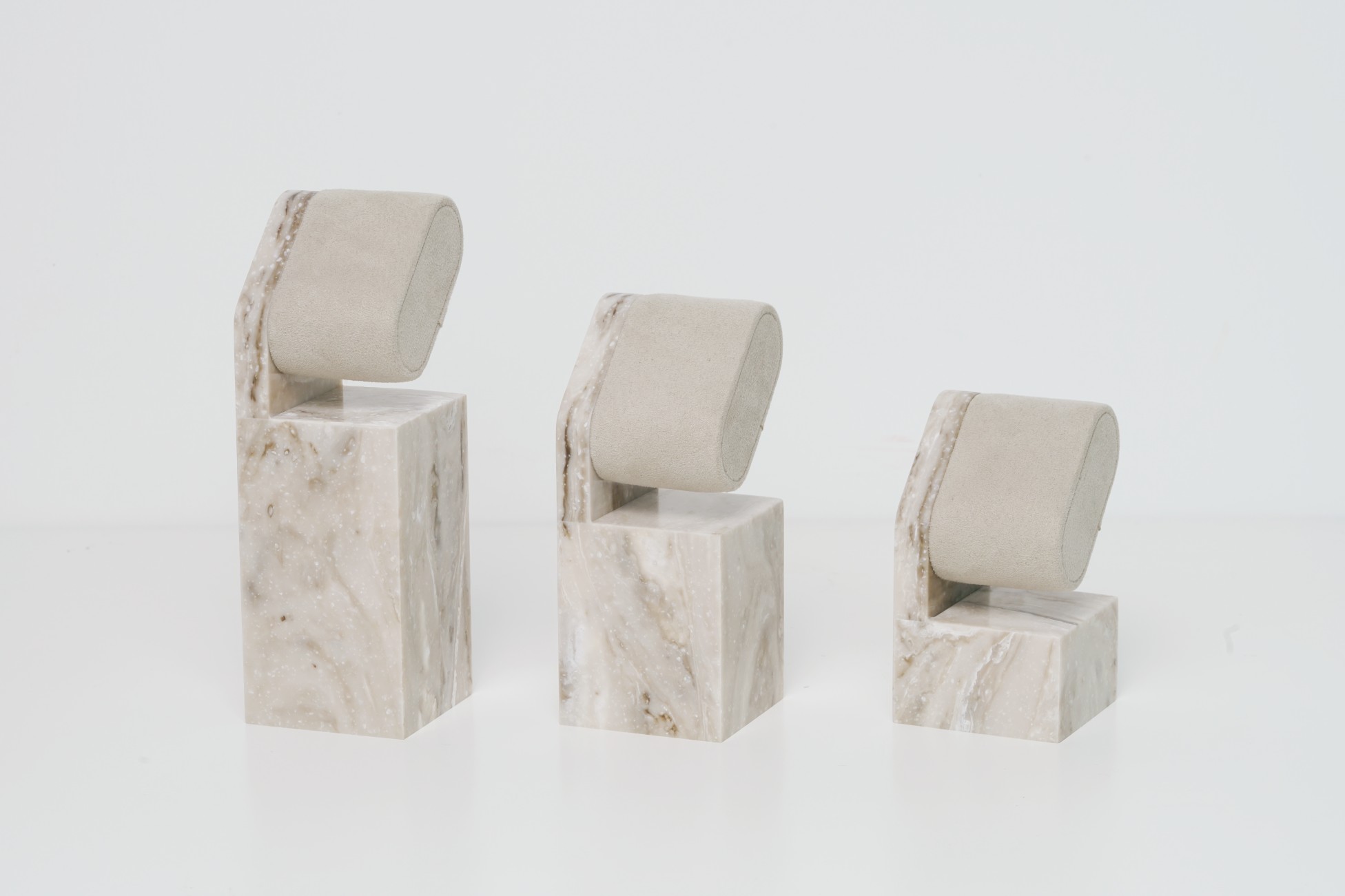
Comparison of FSC wood, recycled acrylic, and powder-coated steel for VM displays
Sustainable Materials Comparison

♻️ Retail Fixtures Have a Lifecycle — Not a Deadline

Most retail teams judge displays by how they look on day one. But VM leaders know the real question:

How will this display behave on Day 90… Day 180… or Day 365?
A lifecycle-first mindset ensures the fixture stays useful, repairable, and recyclable—long after the initial campaign.

🔁 The 4 Lifecycle Stages of a Sustainable Display System

Stage Objective
Design Modular, reusable, repairable, storage-friendly
Production Low-waste CNC nesting, low-VOC finishes, recyclable materials
Reuse Easy assembly, quick refresh, cross-region adaptability
Disposal Marked materials, clear recycling streams, minimal landfill

Samtop evaluates every VM system through all four phases.

🎨 1. Design for Longevity, Not Landfill

Long-term reuse begins with choices made at the sketch stage.

Key Design Principles

  • Modular joinery (cam locks, magnets, snap-fit panels)

  • Removable graphics (magnetic headers, Velcro skins, clip-on brand plates)

  • Standardized part sizes across SKUs for easy swapping

  • Neutral base finishes that allow annual or seasonal refresh

  • Component labeling (part codes, BOM IDs, arrows, matching symbols)

  • Nesting or folding structures for compact off-season storage

📌 If store teams can’t reassemble it, they won’t reuse it.

🏭 2. Choose Sustainable Materials and Low-Impact Finishes

Smart material selection determines whether a fixture can be reused or recycled later.

Best Practices

Element Sustainable Choice
MDF/Wood FSC-certified + water-based lacquer
Acrylic/PET rPET sheets, recycled-content plastics
Metal Powder-coated steel or aluminum (zero-VOC)
Finish Matte PET film, UV-cured coating
Packaging Flat-pack crates with foam-based separators
Production CNC batch nesting to reduce offcuts

💡 Avoid permanent bonding (e.g., gluing wood + acrylic), which blocks recyclability.

🔄 3. Enable Reuse Across Seasons & Campaigns

A structure designed to be reused saves both cost and carbon.

Reuse Strategies

  • Core + skin logic (structure stays, surface updates)

  • Clip-on risers for SKU changes

  • Seasonal graphic kits instead of new displays
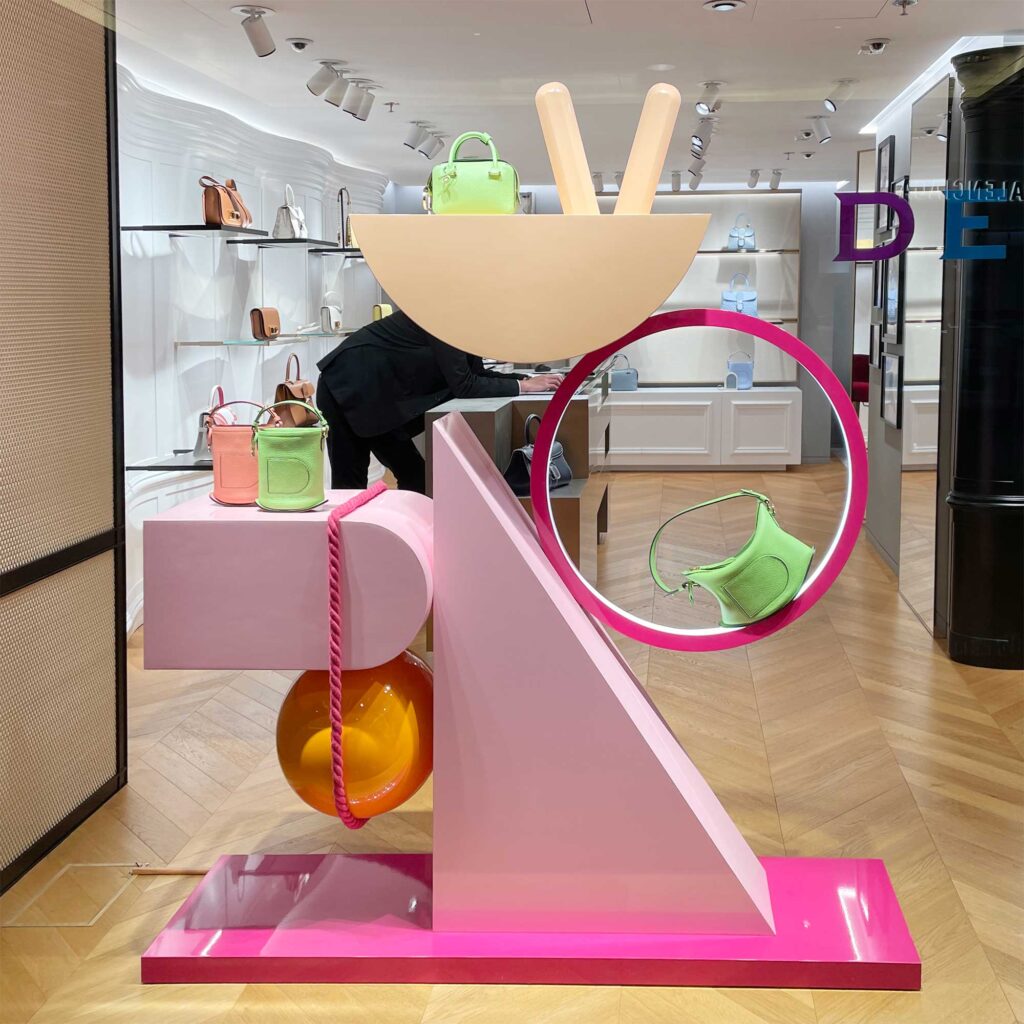
Visual Merchandising Solutions

Transform your retail space with custom POP displays, window decorations, and luxury merchandising solutions. Get expert consultation and premium manufacturing services.

✓ 20+ Years Experience • ✓ Global Shipping • ✓ Custom Manufacturing
Visual Merchandising Solutions
  • Repair kits (LED strips, screws, paint pens, touch-up film)

  • Foldable or knock-down designs for compact storage

  • Reuse guidelines in rollout manuals

  • Brands routinely save 50–80% per campaign with reuse-ready units.

    🗑️ 4. Plan for Responsible End-of-Life Disposal

    If disposal isn’t planned early, store teams throw everything away.

    Best End-of-Life Practices

    Material Disposal Method
    Steel / Aluminum 100% recyclable as scrap
    rPET / PET film Recyclable in many regions
    MDF Downcycled or energy recovery
    Vinyl graphics Avoid—non-recyclable
    LEDs & Drivers E-waste stream

    Always include:

    • Recycling icons printed inside the display

    • QR code linking to disassembly instructions

    • Labels identifying material type (e.g., “Recycle: PET”)

    📌 If materials aren't clearly labeled, local teams default to trash.

    🧪 Case Study: Skincare Brand’s 4-Season Reuse System

    Lifecycle Phase Samtop Execution
    Design Core plinth + magnetic seasonal header
    Material FSC MDF + matte PET wrap + shared mold trays
    Reuse Used for four seasonal campaigns with graphics only
    Disposal Steel base recycled; PET wrap reused for prop panels

    Results

    • 70% reduction in material waste

    • 4× reuse cycle across Europe + Asia

    • Only 2% deviation in visuals across regions

    This is lifecycle design working exactly as intended.

    💬 FAQ

    Q: Can sustainable materials still look premium?

    Absolutely. Brushed aluminum, PET matte film, and recycled acrylic deliver luxury aesthetics with lower footprint.

    Q: What is the ROI of lifecycle-optimized display systems?

    Brands typically reduce fixture cost by 30–50% annually due to reuse.

    Q: Should disposal instructions be part of the specification?

    Yes. Add icons, QR teardown guides, and material labeling.

    Q: How do we train field teams to reuse displays correctly?

    Use labeled crates, color-coded parts, reuse trees, and video-based install guides.

    🎯 Conclusion: Design Displays That Work Longer and Waste Less

    ✔ Design modular, tool-free systems that adapt
    ✔ Produce with low-VOC, recyclable materials
    ✔ Reuse through skins, headers, risers, and repair kits
    ✔ Prepare for disposal from the very first drawing
    ✔ Create fixtures that evolve—not expire

    At Samtop, we build full display ecosystems that move through their lifecycle responsibly—from launch to refresh to retirement.

    📩 Ready to build lifecycle-optimized displays?
    We offer:

    • Modular core + skin architecture

    • Material lifecycle compatibility matrix

    • Reuse + repair strategy guides

    • End-of-life labeling systems & QR disposal templates

    📧 Email: yan@samtop.com

    🌍 Website: www.samtop.com

    Bob

    About Bob

    Hi, I’m Bob, the funder of SamTop.com, Our company makes visual merchandising props, retail display stands and window display decoration for many years now, and the purpose of this article is to share with you the knowledge related to retail displays from a Chinese supplier’s perspective.

    Connect: