
Window displays are no longer just decoration — they are one of the most powerful tools to create engaging window displays that stop foot traffic, tell a brand story, and convert passersby into in-store shoppers. When done right, a window display functions as a silent salesperson: attracting, informing, and inspiring action.
This guide explains exactly how to design engaging window displays using lighting, storytelling, focal points, and strategic product placement — following Google Featured Snippet structure, RankBrain reading patterns, and Yoast SEO best practices.
What Makes an Engaging Window Display in Retail?
An engaging window display grabs attention within the first 3 seconds, uses a clear focal point, creates emotional resonance, and visually communicates the brand’s world. The most successful displays combine storytelling, strong lighting, and a well-structured layout to pull customers inside the store.
In simple terms:
✔ Attract
✔ Inspire
✔ Convert
This is why engaging window displays perform better than static decoration — they move people from “passing by” to “stepping inside.”
Why Are Window Displays Important for Retail Shopping?
Window displays matter because they act as the store’s first impression. Customers decide instantly whether a store is worth entering.
Window displays influence:
-
Foot traffic
-
Brand perception
-
Emotional connection
-
Purchase intent
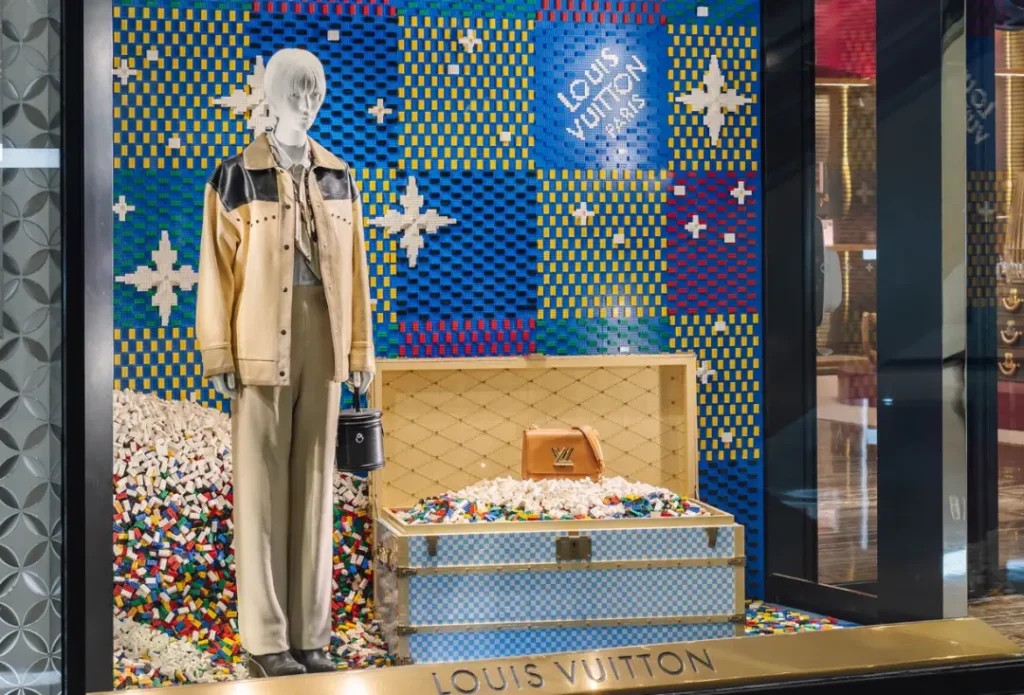
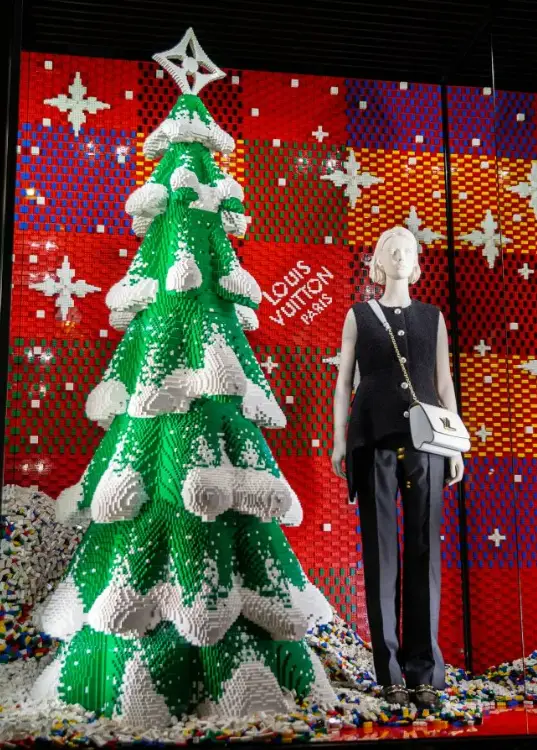
Luxury brands like Louis Vuitton, Tiffany & Co., Dior repeatedly prove that engaging window displays can create viral social buzz, increase dwell time, and elevate brand prestige.
How Do You Make Window Displays More Engaging?
Below are the core design techniques that consistently produce engaging window displays across fashion, beauty, jewelry, and lifestyle categories.
1. Use Lighting as the Main Attraction Tool
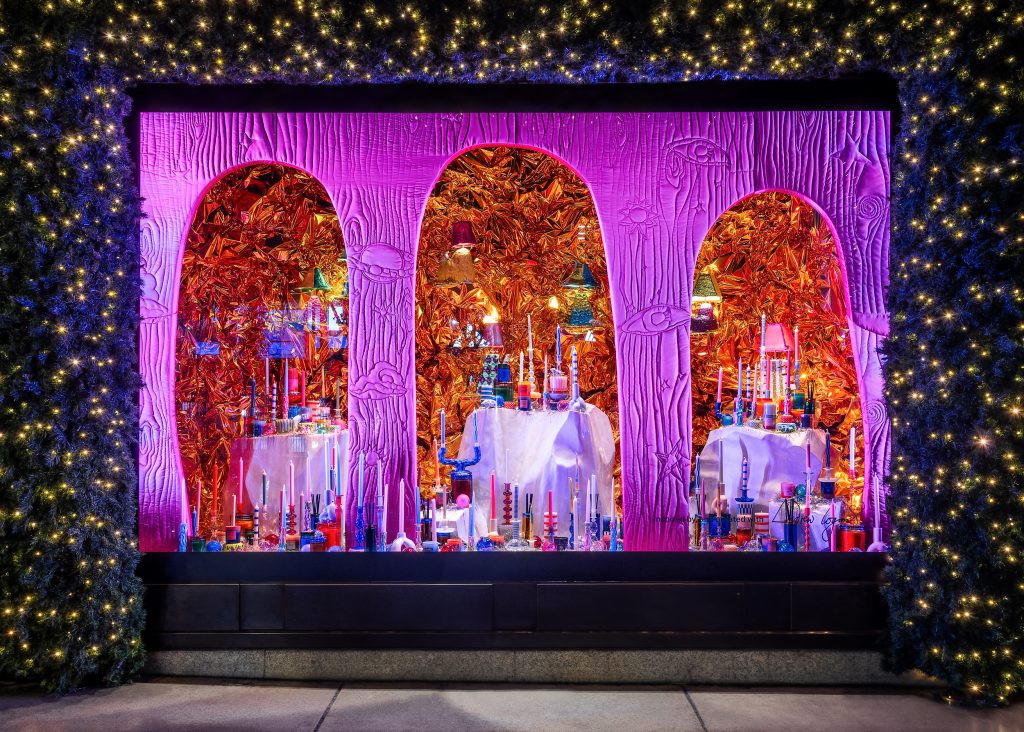
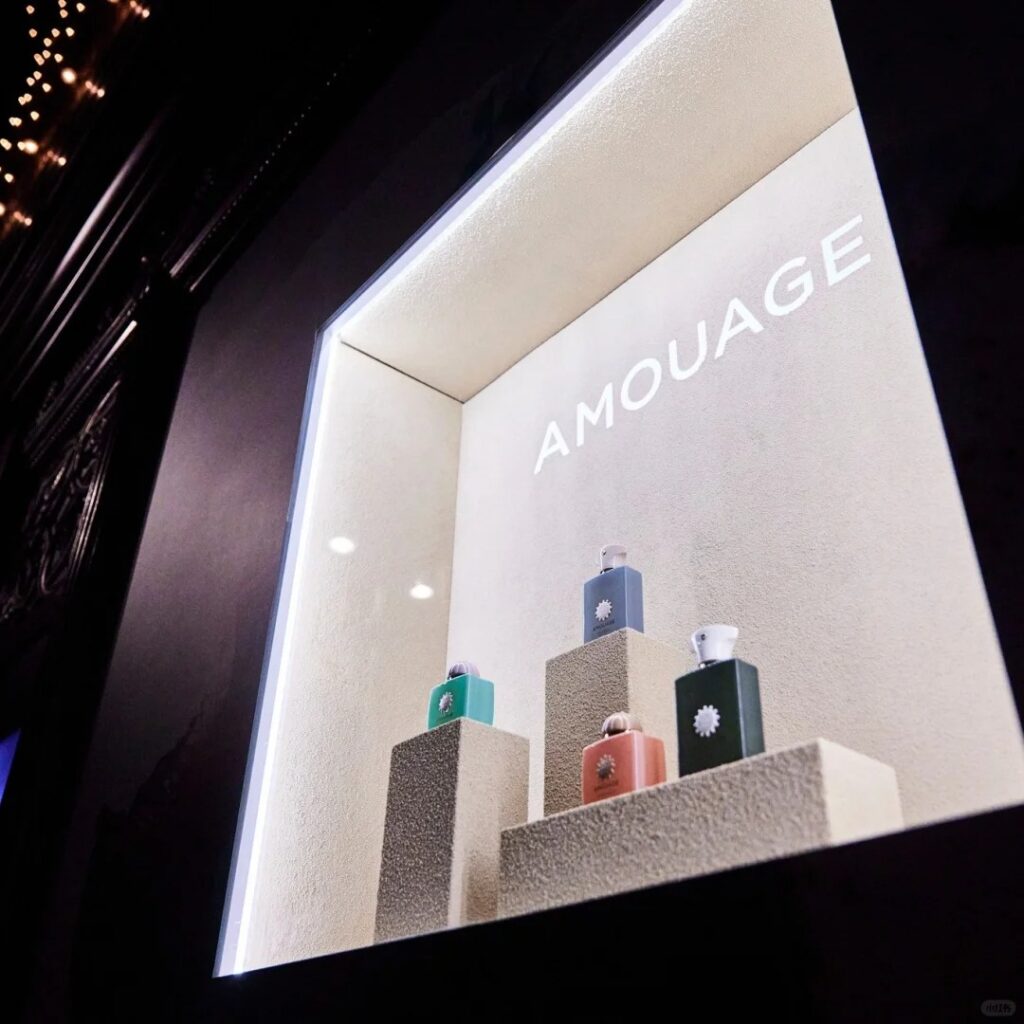
Lighting is the “magnet” of an engaging window display. It guides the eye, creates contrast, and highlights key SKUs.
Best lighting methods:
-
LED backlit panels
-
Spotlighting on hero products
-
Golden-hour warm tones for luxury
-
Cool-white for tech and sport brands
-
Edge lighting for floating effects
Example:
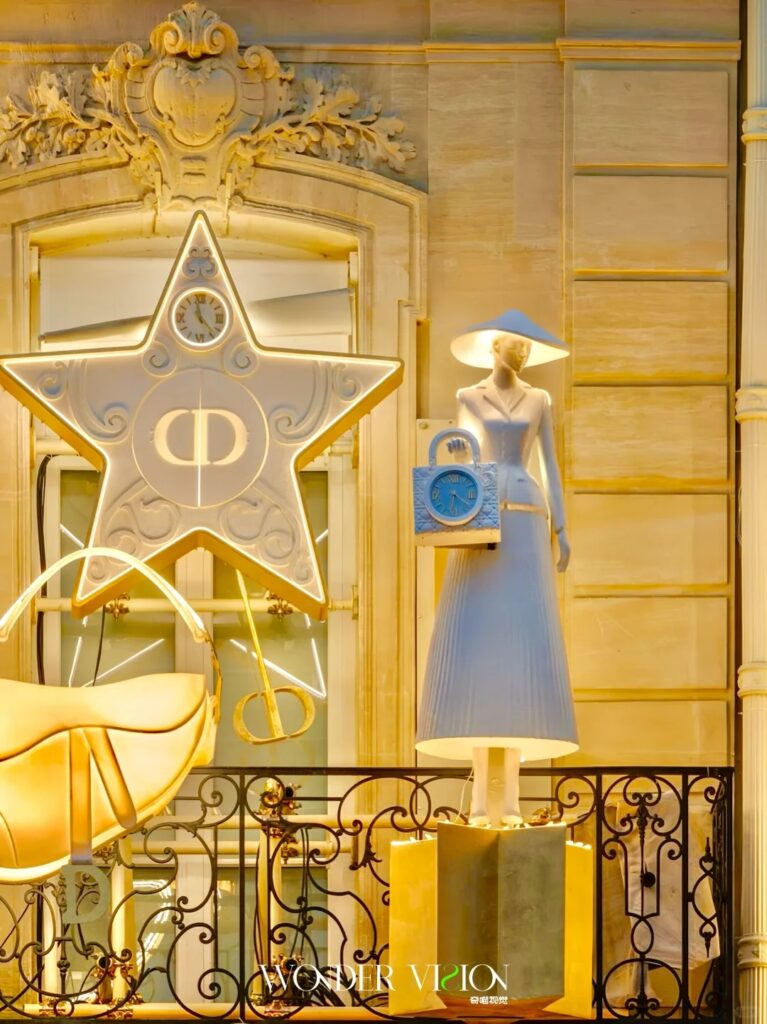
Dior 2024 holiday windows used shimmering gold lighting to illuminate their hero pieces, creating elegance visible from across the street.
2. Establish a Clear Focal Point (No Clutter)
Every effective window has one hero.
A chaotic window ≠ an engaging window display.
Your focal point can be:
-
One hero product
-
A themed prop (holiday, zodiac, seasonal)
-
A high-impact color zone
-
A bold sculpture or installation
✔ Place the focal point at eye level
✔ Use contrast to make it pop
✔ Surround with breathing space
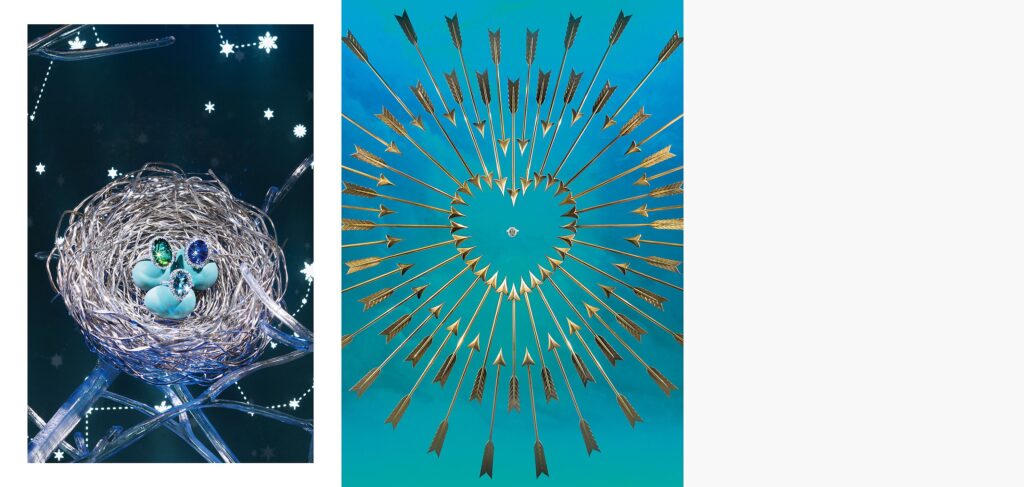
Example: Tiffany’s iconic blue box is always the hero, illuminated and centered, making it unmistakable even from a distance.
3. Use Storytelling to Build Emotional Connection
Humans remember stories, not products.
Your window should tell a mini story people feel — not just see.
Storytelling tools:
-
Props
-
Color palette
-
Seasonal symbols
-
Scene layouts (winter forest, holiday table, atelier studio)
-
Character elements (Nutcracker, Santa, zodiac animals)
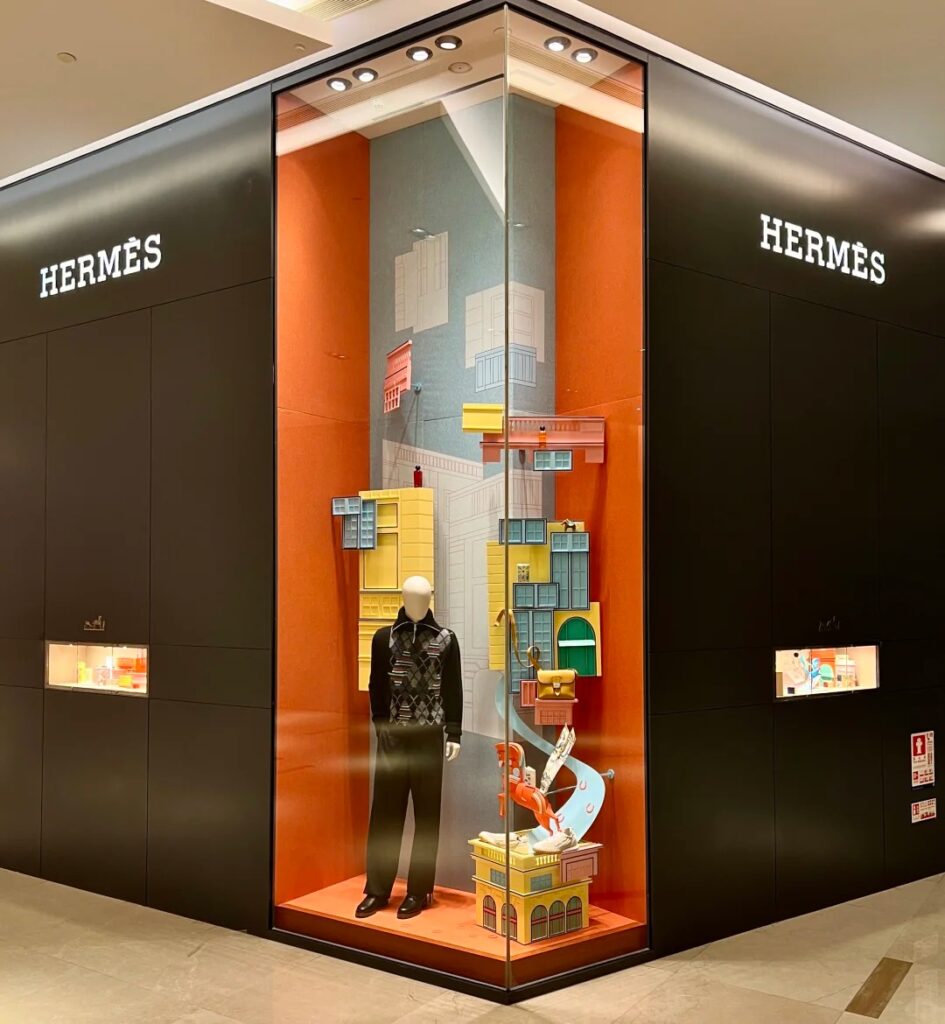
Example: Hermès creates miniature worlds (dreamlike ateliers, fantasy landscapes) that feel luxurious and collectible.
4. Coordinate Products with the Store Interior
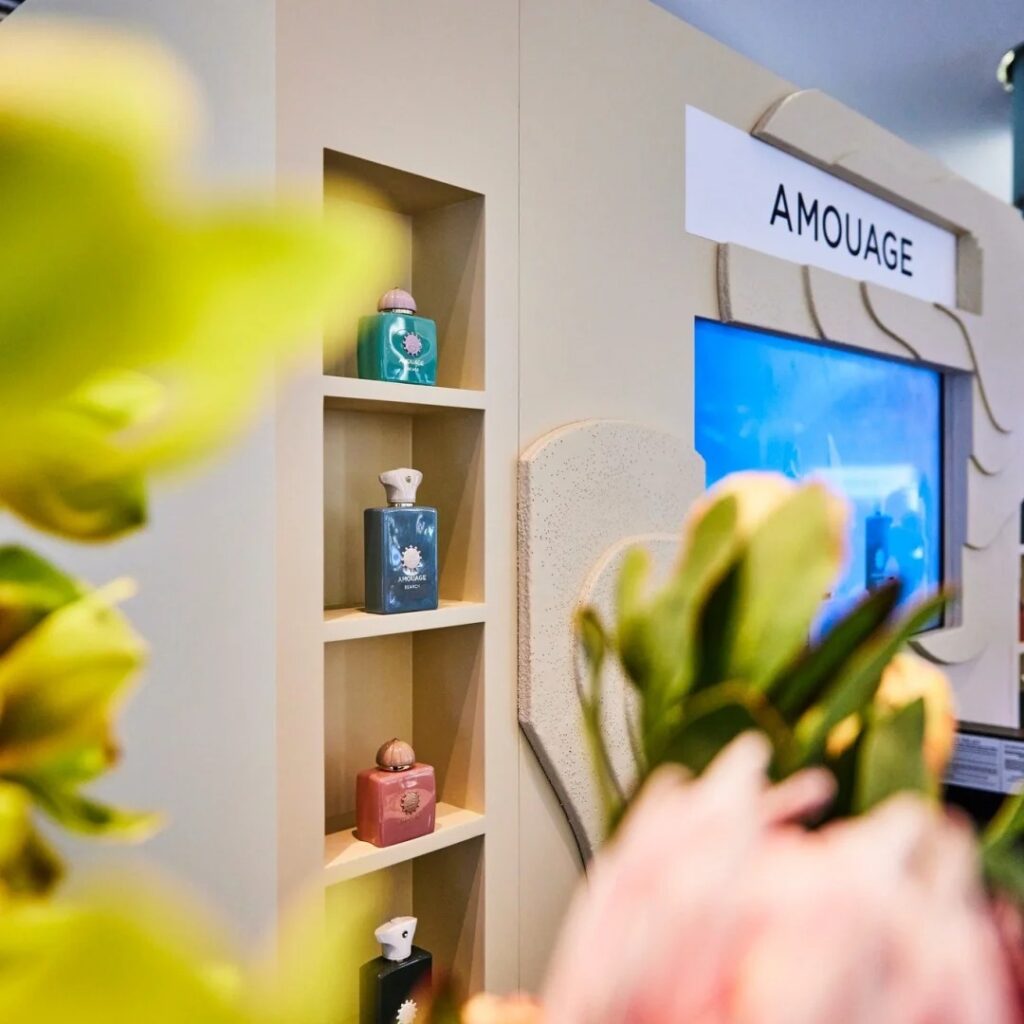
Engaging window displays must connect visually with the in-store environment.
To create visual continuity:
-
Match materials (velvet, acrylic, metal)
-
Mirror the color theme
-
Use consistent lighting temperature
-
Extend key props inside the store
Example: Harrods’ seasonal displays always extend indoors so shoppers feel like they’ve “entered the story.”
5. Add Interactive Elements for Higher Engagement
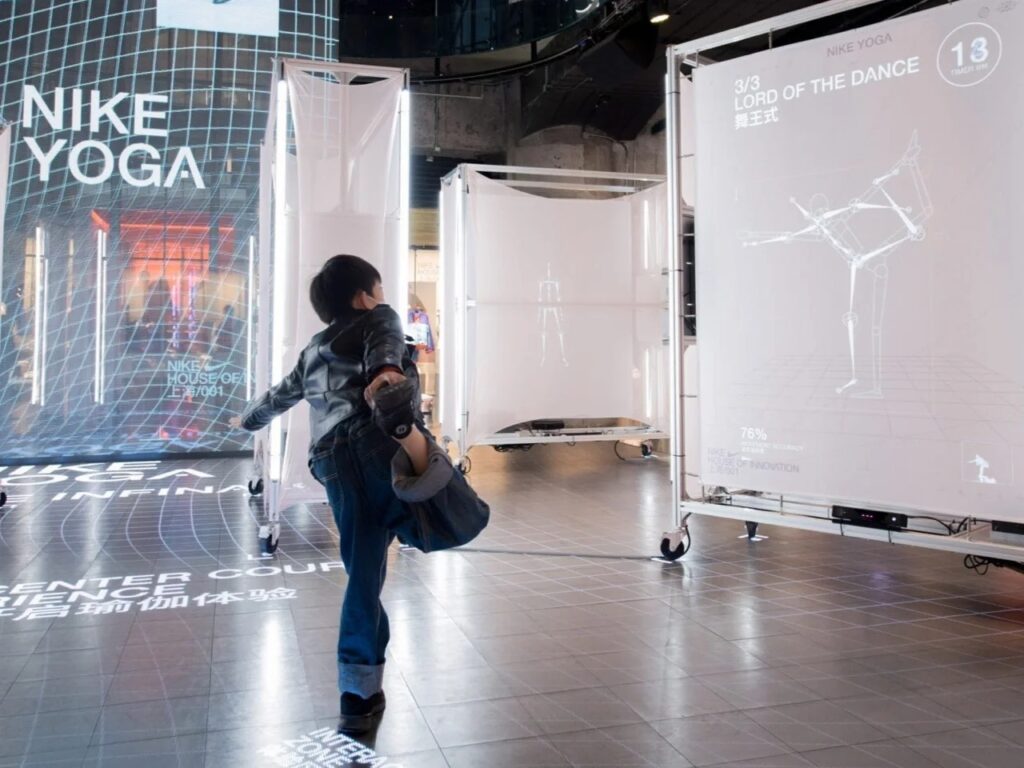
Interactive windows increase dwell time and social sharing.