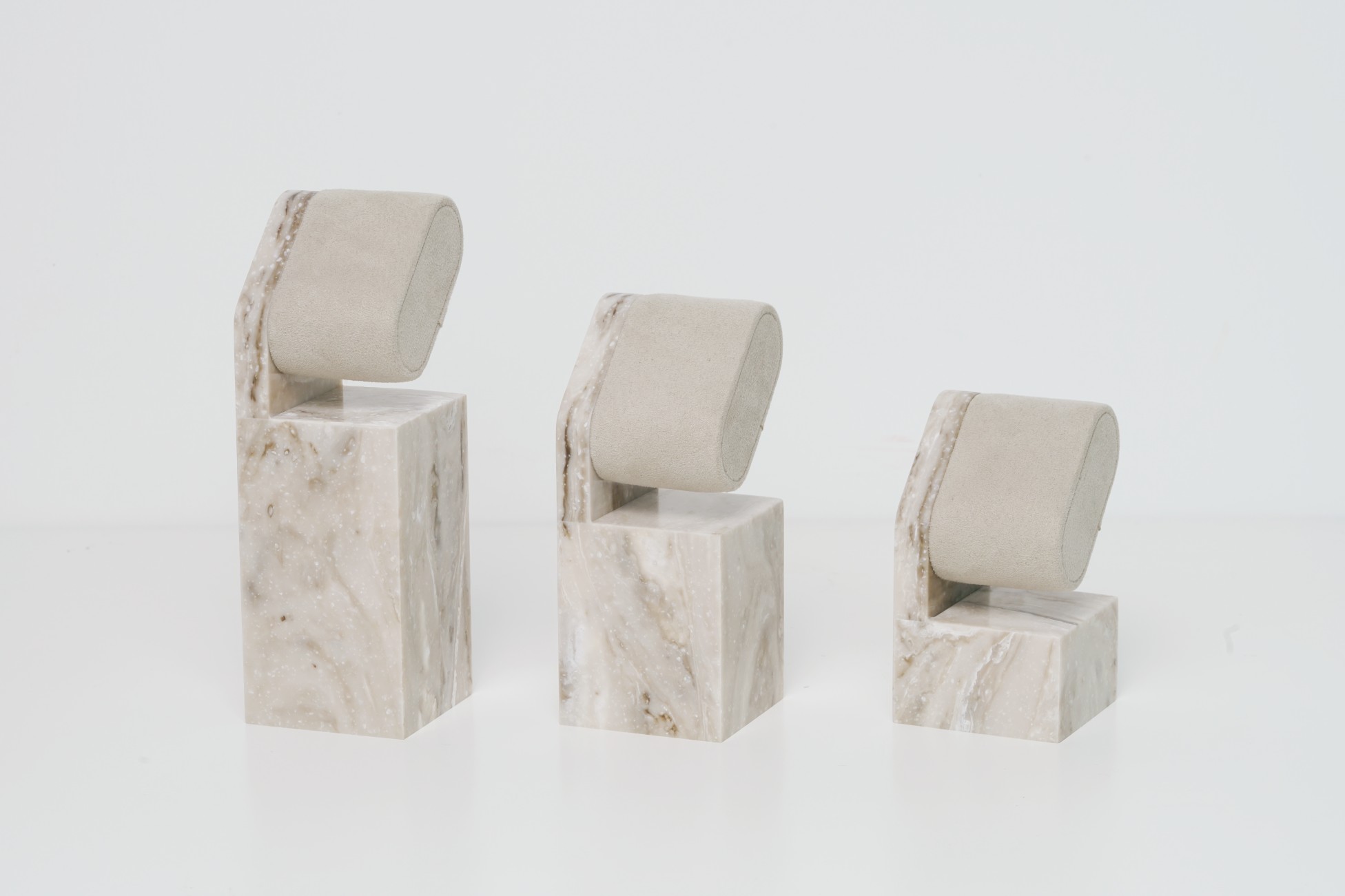

Modern retail requires displays that are tough enough to support high-traffic product interaction, yet light enough for quick installation, global rollout, and repeated seasonal use. However, most retailers still struggle with displays that are either too heavy to move or too fragile to last, leading to increased costs, logistical bottlenecks, and inconsistent brand execution.
At Samtop Display, we engineer lightweight durable display units that combine smart materials, structural efficiency, and modern aesthetics. This guide breaks down proven techniques to design displays that are portable, strong, and retail-ready.
Why Lightweight Yet Durable Displays Matter
Lightweight durable display units offer advantages across the entire retail lifecycle:
✔ Easier to ship and install
Lower shipping weight → lower freight cost → smoother multi-store rollout.
✔ More flexible for staff
Store team can move and reconfigure displays without tools.
✔ Longer lifespan
Strong structural engineering prevents breakage and reduces replacement frequency.
✔ Better brand consistency
Modular, durable units stay visually sharp across long campaigns and repeated use.
⚠ The Risks of Poorly Designed Displays
When displays are heavy, fragile, or poorly engineered, brands face:
-
Cracked acrylic risers
-
Bent or warped MDF panels
-
Difficult installs that require technical teams
-
High shipping costs
-
Retailers refusing placement due to instability
A well-engineered lightweight system prevents these issues and boosts ROI across campaigns.
🧱 1. Choose the Right Materials for Lightweight Strength
Material choice is the foundation of lightweight durable display design. Below are the best-performing options used in modern VM engineering.
Composite Wood Panels (MDF, HDF)
-
Stable, smooth, paint-friendly
-
Works well for props and shelves
-
Can be CNC-cut for lightweight honeycomb interior
👉 Ideal for: floor risers, tester blocks, brand panels
(Internal link: /eco-friendly-materials-retail-displays/)
Aluminum Frames
-
Extremely lightweight
-
Rust-resistant
-
Supports telescopic or foldable structures
👉 Ideal for modular systems and portable stands
(External reference: Aluminum engineering – aluminum.org)
Acrylic & Polycarbonate
-
Glass-like clarity without the weight
-
High impact resistance
-
Works well with lighting
👉 Perfect for skincare podiums, fragrance risers, and logo panels
(Internal link: /material-match-texture-finish-displays/)
Foam Core or Honeycomb Boards
-
Super lightweight
-
Excellent for seasonal or short-term displays
-
Can be wrapped with PET or vinyl for durability
👉 Ideal for windows, temporary props, and campaign toppers
🧩 2. Structural Reinforcement Techniques
You can significantly increase durability without adding weight by using strategic engineering.
✔ Cross-Bracing
Diagonal or X-frame bracing reduces wobble and increases load tolerance.
✔ Honeycomb Internal Structure
A lightweight structure with exceptional rigidity, used in aerospace and architectural design.
(External reference: engineering.com/honeycomb-structure)
✔ Interlocking Joinery
Slot-and-tab construction avoids screws and glue, keeping weight low.
👉 Benefit:
Strength without heavy panels.
🔲 3. Minimize Solid Panels with Open-Frame Design
Instead of full thick panels, use:
-
Perforated metal sheets
-
Partial wooden frames
-
Acrylic ribs