

How environment, lighting, safety codes, and shopper behavior change fixture requirements.
Mall store fixtures must meet stricter fire codes, controlled lighting, and shared infrastructure, while streetfront retail displays must withstand sunlight, UV exposure, glare, and exterior visibility demands. Each location type requires different materials, mounting methods, and lighting strategies to maintain brand consistency and performance.
Designing mall store fixtures vs streetfront retail displays is not just a visual choice—it’s an engineering requirement. Each environment comes with its own rules: fire safety, lighting behavior, heat exposure, mounting restrictions, and shopper flow. Using the same fixture design in both places without modification leads to:
-
sun-faded materials
-
warped acrylic
-
rejected fire inspections
-
mismatched lighting effects
-
poor window visibility
This guide explains the structural, material, and compliance differences between mall and streetfront fixtures—and how to design for both without breaking brand unity.
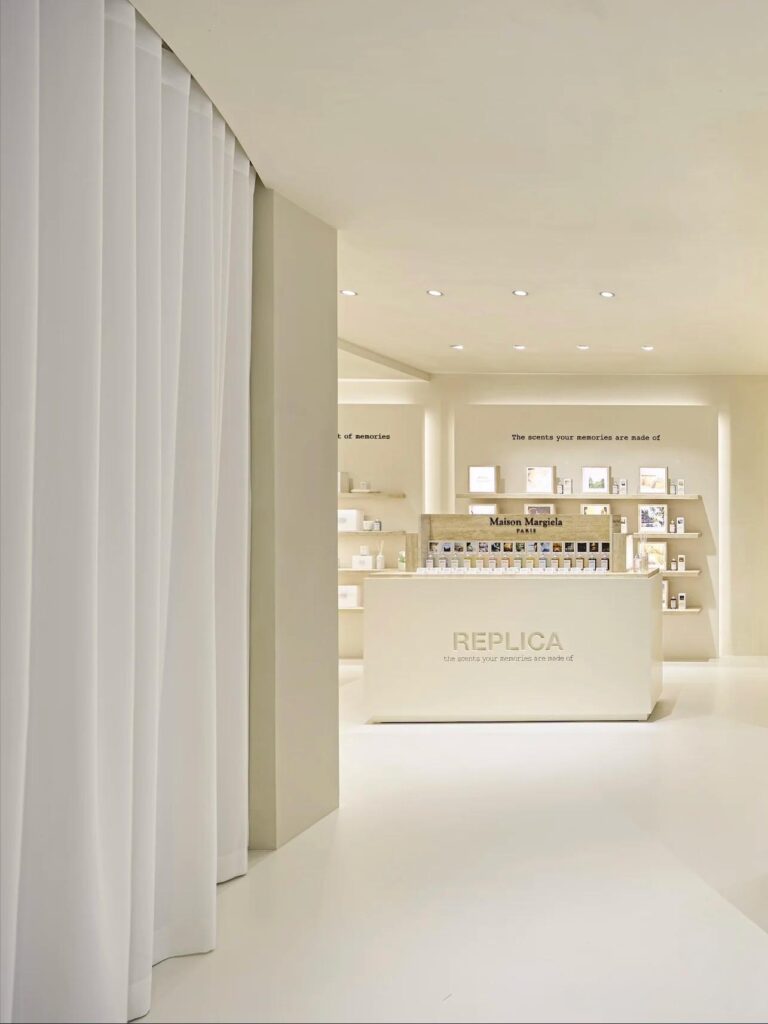
🟦 1. Mall Stores vs Streetfront Stores: Core Environmental Differences
| Factor | Mall Store Fixtures | Streetfront Retail Displays |
|---|---|---|
| Space Type | Enclosed with shared systems | Open glass façade, visible from street |
| Light Condition | Controlled LED grid | Natural sunlight, heavy glare |
| Temperature | Stable indoor | Heat fluctuation, UV exposure |
| Fire Compliance | Strict FR / B1 / Class A | Depends on region, often more flexible |
| Mounting | No wall drilling, ceiling limits | Side-wall wiring or trench access |
| Traffic Pattern | Inward shopper flow | Passerby visibility required |
| Window Role | Secondary | Primary engagement tool |
👉 Wrong environment = material failure
E.g., high-gloss PET inside a sunny storefront → unbearable glare.
🟦 2. Lighting Behavior: How Each Location Changes Display Performance
Mall Stores (controlled lighting)
-
Use spotlights + plinths
-
Safe to use high-gloss finishes
-
Backlit logos remain clear
-
No UV exposure → PET and PVC stay stable
Engineering Notes:
-
Gloss level can be 70–90%
-
Acrylic stays color-stable
-
Lightboxes can use warm 3000K LED
Streetfront Stores (sunlight + reflection)
-
Strong glare risks
-
Heat causes acrylic expansion
-
UV can fade MDF + ink
-
Window reflections reduce visibility
Recommended Material Adjustments:
✔ Matte PET / matte acrylic
✔ UV-stable polycarbonate
✔ Powder-coated metal
✔ UV-laminated MDF
👉 Use 3D lighting simulation to test gloss, glare, and shadow impact.
🟦 3. Fire, Safety & Compliance Differences
Mall Store Requirements (Strict)
-
Must use FR-rated or B1/Class A materials
-
Electrical layouts follow mall inspection
-
No ceiling drilling, limited cable routing
-
Flame-retardant paint (FR-rated) required
-
LED modules often need certification labels
Material Guide:
| Component | Mall Requirement |
|---|---|
| Panels | B1 / Class A FR boards |
| Paint | Fire-rated coating |
| Cables | Certified with covers |
| Lightboxes | Low-heat LEDs only |
Streetfront Requirements (Flexible but Outdoors-Influenced)
-
Not all markets require FR materials
-
Must resist UV, heat, moisture, and thermal expansion