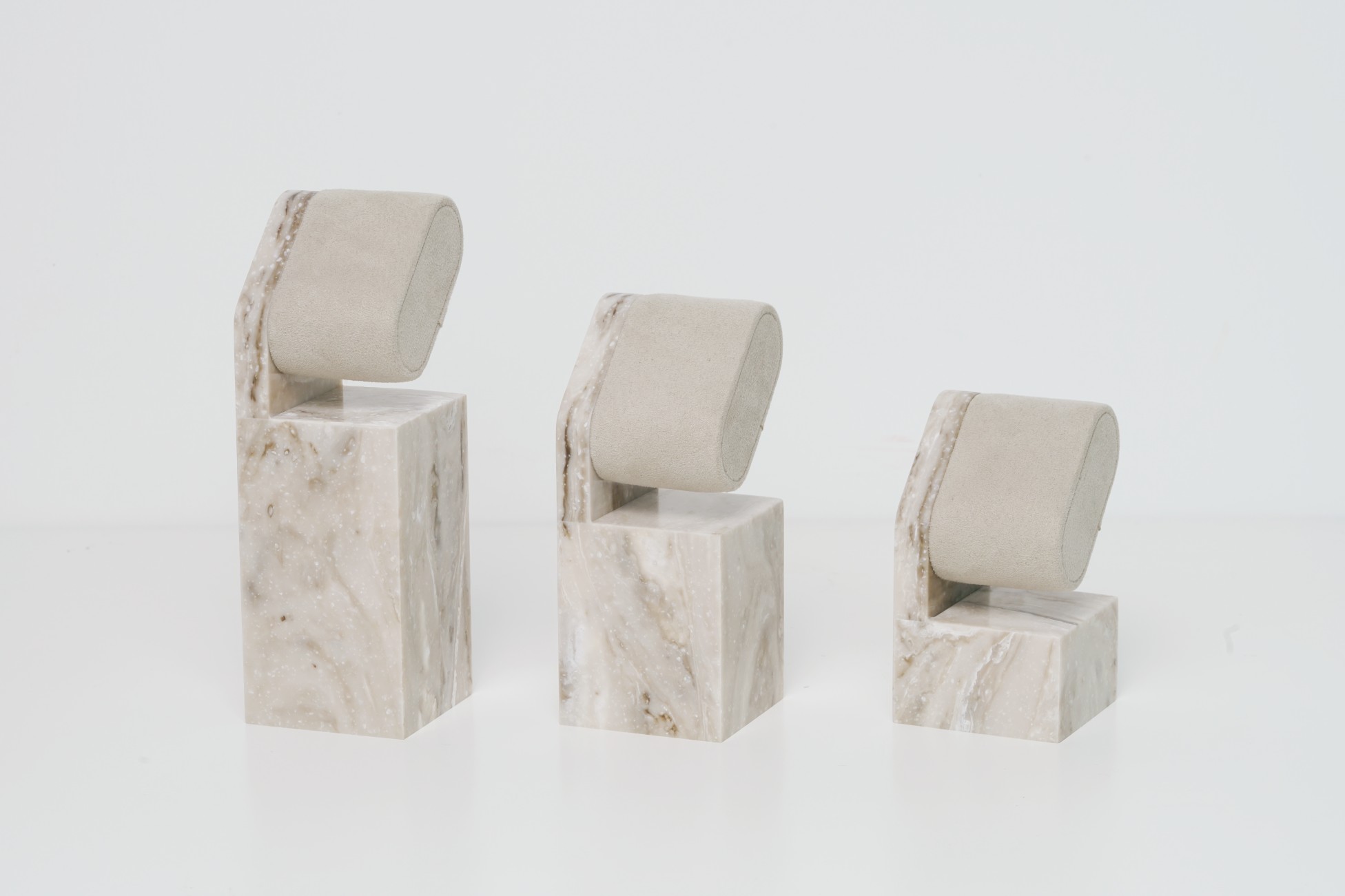

You've just sourced the perfect display units — but when they arrive, unexpected tariffs add thousands to your landed cost. You’re over budget, and your pricing strategy suddenly needs a rework.
Many brands underestimate the hidden cost of international tariffs when importing from China. These costs can quietly erode your profit margins, slow down shipments, or create customs delays if the HS code is incorrect. But with the right approach, these issues are manageable.
To minimize tariff impact, brands should optimize product classification (HS codes), consolidate shipments, leverage trade agreements, and negotiate smarter with suppliers. Done right, this saves thousands on every order — without cutting product quality.
In this article, we’ll walk you through how tariffs affect your cost structure, and give you clear, proven strategies to optimize procurement from China.
How do tariffs affect display props?
Tariffs are added to the declared value of imported goods based on their HS (Harmonized System) code. For display props like mannequins, shelves, or sculptures, this rate can range between 0% to 25%.
Without proper tariff planning, brands can see a 10–30% increase in landed cost — directly hitting their margins.
For example, a $10,000 order of mannequins with 15% tariffs and $2,000 in shipping becomes $13,500 in landed cost — or 35% more than anticipated.
How are HS codes linked to tariff rates?
Every product type is classified under an HS code, and tariff rates vary widely depending on this classification:
- Plastic display props: Often fall under HS Code 3926
- Wooden fixtures or shelves: HS Code 9403
- Sculptures or decorative items: Could be classified as art or furniture — both have different rates
Misclassification can result in overpaying or customs delays. A customs broker or freight forwarder can help ensure accurate codes and avoid penalties.
💡 Learn more: How to Handle Returns and Damaged Display Units
What strategies reduce tariff burden?
1. Optimize Tariff Classification
Sometimes a small adjustment in how a product is described can reduce the applicable tariff. For example, reclassifying a mannequin as “advertising material” instead of “decorative figure” could reduce the duty rate.
2. Leverage Free Trade Agreements (FTAs)
While the US and EU have high tariffs on Chinese imports, third-country routing — like assembling in Vietnam or Mexico — can legally shift the country of origin and lower or eliminate tariffs under FTAs.
3. Consolidate Shipments
Consolidating multiple orders into fewer shipments reduces declarations and shipping cost per unit, thereby lowering total tariff exposure.
4. Work with a Customs Broker
An experienced customs agent ensures proper documentation, HS codes, and tariff advantage exploration. They also help handle sudden changes like retaliatory tariffs.
📦 Related reading: Sourcing Counter Displays from China: 5 Mistakes to Avoid
Can supplier negotiations help mitigate cost?
Absolutely. You can negotiate with your Chinese suppliers to absorb or share part of the tariff costs.
- Ask for all-inclusive pricing (with tariff consideration built-in)
- Lock in pricing with fixed-term contracts to protect against sudden rate hikes
- Negotiate volume-based discounts to offset tariff impact
Many suppliers have worked with US or EU buyers and understand the need for tariff transparency and flexibility.
How do free trade zones and third countries lower tariffs?
If you’re shipping to the US or EU, consider: