Designing Emotionally Resonant Displays Across Sight, Touch, Scent, Sound, and Atmosphere
By Yan Luo | Samtop Display
Multisensory retail display design is becoming a strategic advantage for luxury brands — not just a creative trend. By integrating sight, touch, scent, sound, and atmosphere, brands can create emotional, memorable in-store experiences that drive engagement, dwell time, and purchase intent.
In modern retail, purely visual displays are no longer enough. Luxury consumers expect immersive environments where textures, fragrances, acoustics, and lighting all work together to express the brand’s identity. Displays that rely only on visuals tend to feel flat, forgettable, or generic — especially in high-competition retail categories such as fragrance, beauty, jewelry, and high-end fashion.
At Samtop, we design multisensory retail displays that translate brand DNA into full sensory storytelling — through materials, light movement, signature scents, curated sound, and tactile product interaction.
1. Tactile Display Design: Materials That Invite Touch and Emotion
Keyword included: sensory retail display, tactile retail design
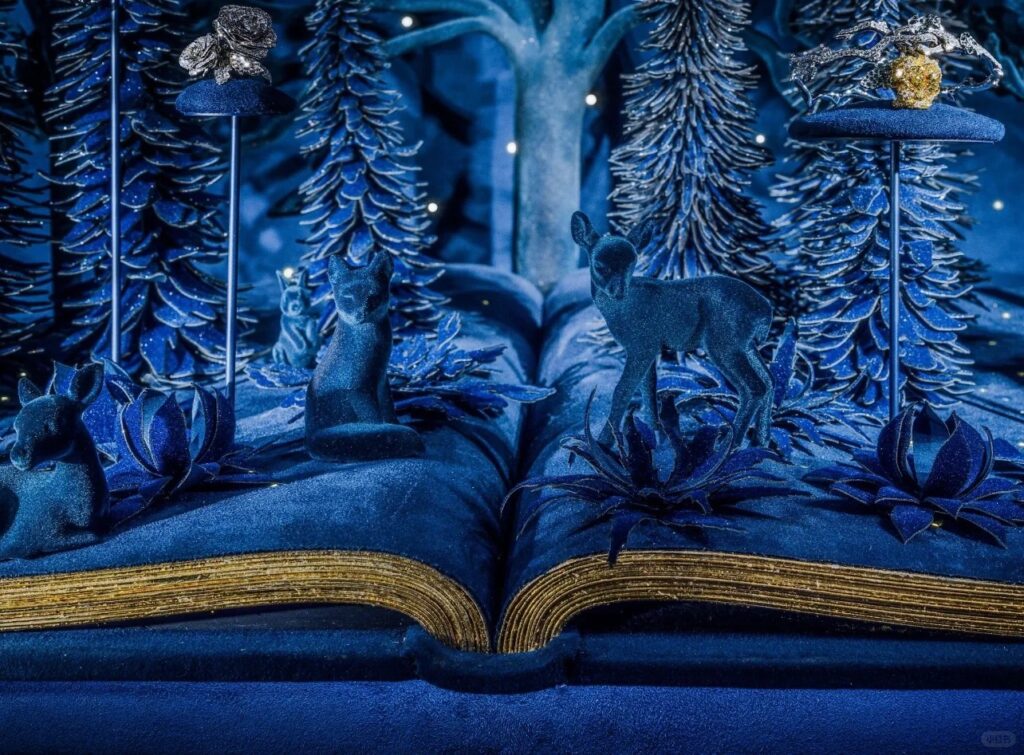
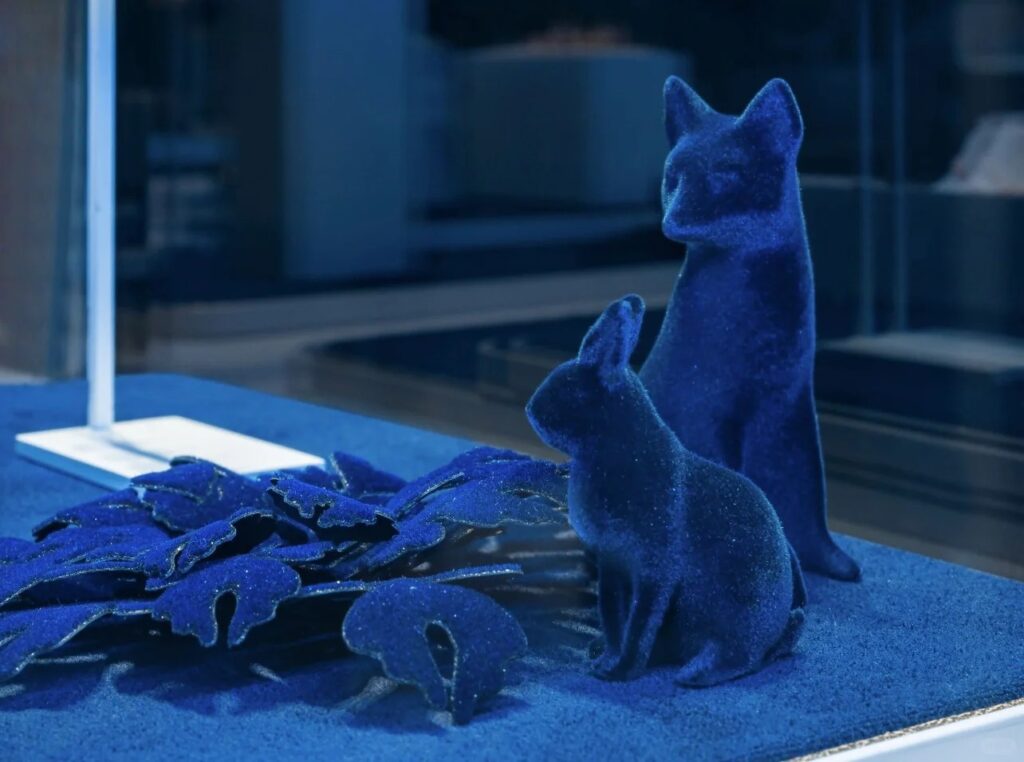
Touch is one of the strongest emotional triggers in luxury retail. Customers instinctively assign value based on material feel.
| Material | Emotional Code | Best Use |
|---|---|---|
| Velvet | Sensual, warm, intimate | Jewelry risers, watch pads |
| Natural linen | Honest, organic, calm | Skincare, wellness |
| Carved wood | Heritage, craftsmanship | Fragrance, limited editions |
| Brushed metal | Precision, prestige | High-tech beauty, timepieces |
Pro Tip: Use micro-textures (etched acrylic, ribbed resin) to encourage “micro-interaction” and increase dwell time.
2. Scent as a Branding Tool: The Memory Anchor of Luxury Spaces
Scent is the fastest pathway to the memory center of the brain — making it a critical sensory branding component.
| Fragrance Type | Brand Effect | Ideal Use |
|---|---|---|
| Oriental | Mystery, depth | Heritage fashion, jewelry |
| Citrus | Fresh, clean | Skincare, modern fashion |
| Wood/Smoke | Craft & depth | Watches, premium menswear |
Best Practices:
-
Diffuse subtly: scent should add atmosphere, not overwhelm
-
Match scent to season or product story
-
Embed fragrance into textiles or panels for soft diffusion
3. Sound Design: The Invisible Layer That Shapes Emotion
Sound changes pacing, mood, and perceived time inside a store.
| Sound Element | Effect | Best Use |
|---|---|---|
| Ambient music | Calm, slows browsing | Beauty & skincare |
| Nature sounds | Expands space | Wellness, eco collections |
| Low bass tones | Depth & luxury | High jewelry & couture |
Avoid: mainstream pop — it breaks immersion and dilutes brand tone.
4. Multisensory Storytelling: Designing Five Senses Around One Idea
Multisensory retail design works best when senses reinforce one narrative.
Example Frameworks:
-
Spring fragrance launch: citrus scent + silk fabric + warm LED glow + soft lo-fi
-
Limited-edition jewelry: carved wood + focal spotlight + slow jazz + oriental scent
Customer Journey Path:
Sense → Emotion → Memory → Brand Affinity → Conversion
5. Airflow & Temperature: The “Invisible Luxury Cue”
Airflow can be engineered just like lighting.
| Sensory Effect | Retail Result |
|---|---|
| Light airflow | Freshness, movement, elegance |
| Warm localized lighting | Comfort, intimacy, slowness |
Applications:
-
“Forest breeze” diffused fans behind backdrops
-
Warm spotlight + soft airflow combination for jewelry
6. Sensory Material Pairing Guide
| Texture | Scent | Lighting | Best Use |
|---|---|---|---|
| Frosted glass | Neroli | Warm gold LEDs | Skincare, spring campaigns |
| Velvet | Oud | Uplight | Jewelry & eveningwear |
| Bamboo fiber | Cedar | Neutral diffuse light | Eco collections |
| Silk | Citrus-musk | Halo light | Couture & high-emotion visuals |
7. Neuroscience of Sensory Retail Displays
Sensory design activates emotional + memory systems.