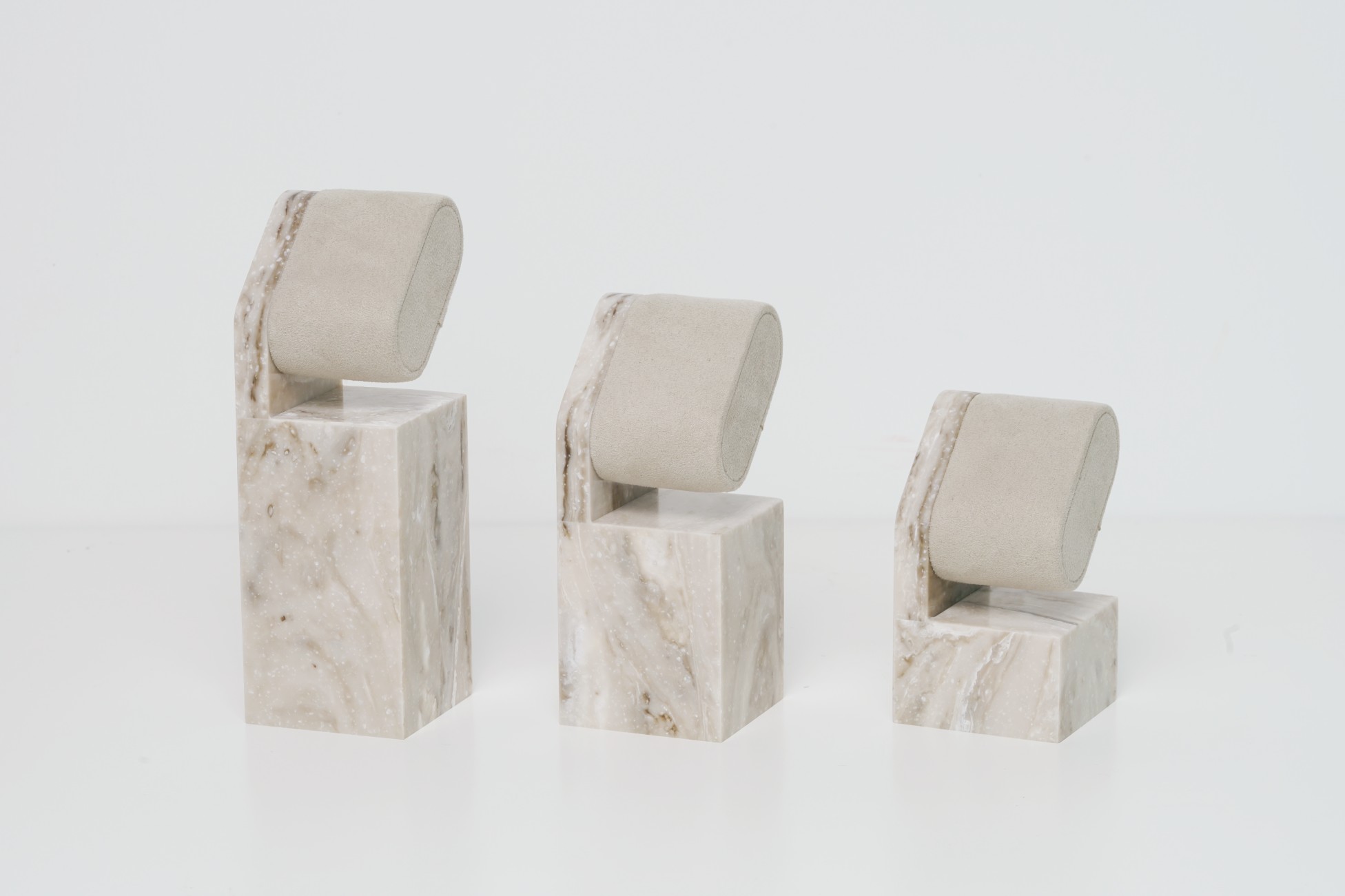
How Material Origin Influences Customer Trust and Emotional Response
By Yan Luo | Samtop Display
In luxury displays, the choice between natural vs synthetic display materials defines how customers emotionally perceive authenticity, craft, and innovation.. Both can be luxurious — if used with intention and storytelling clarity.
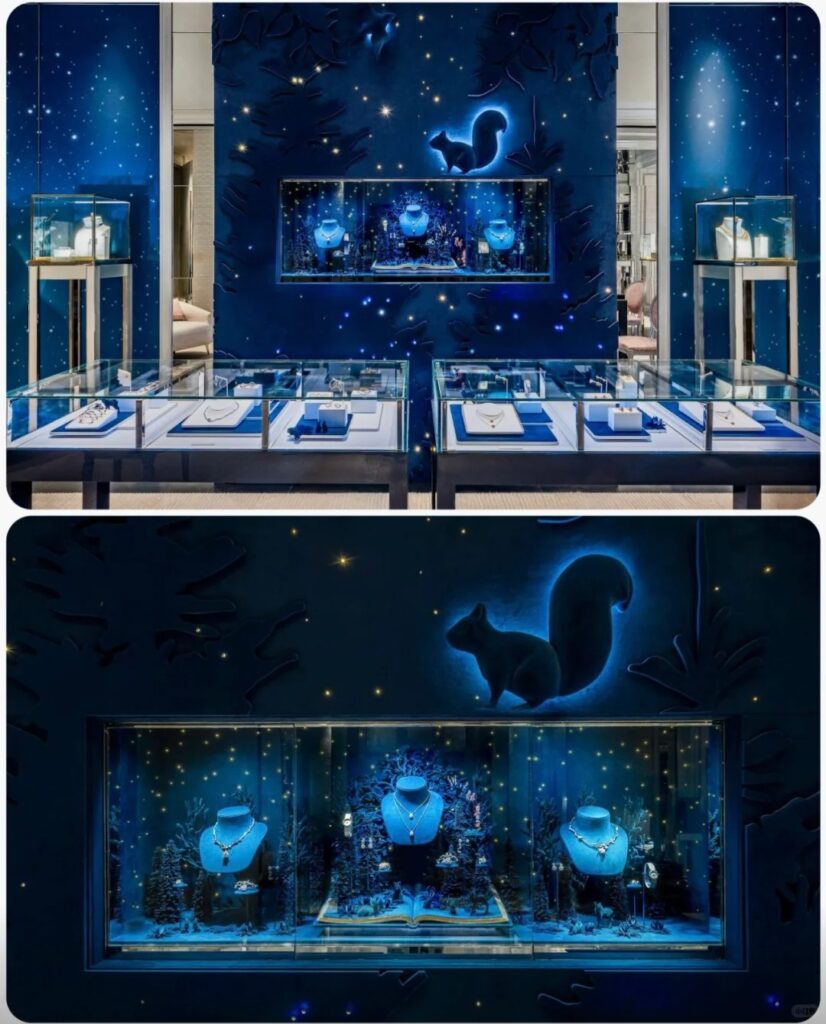
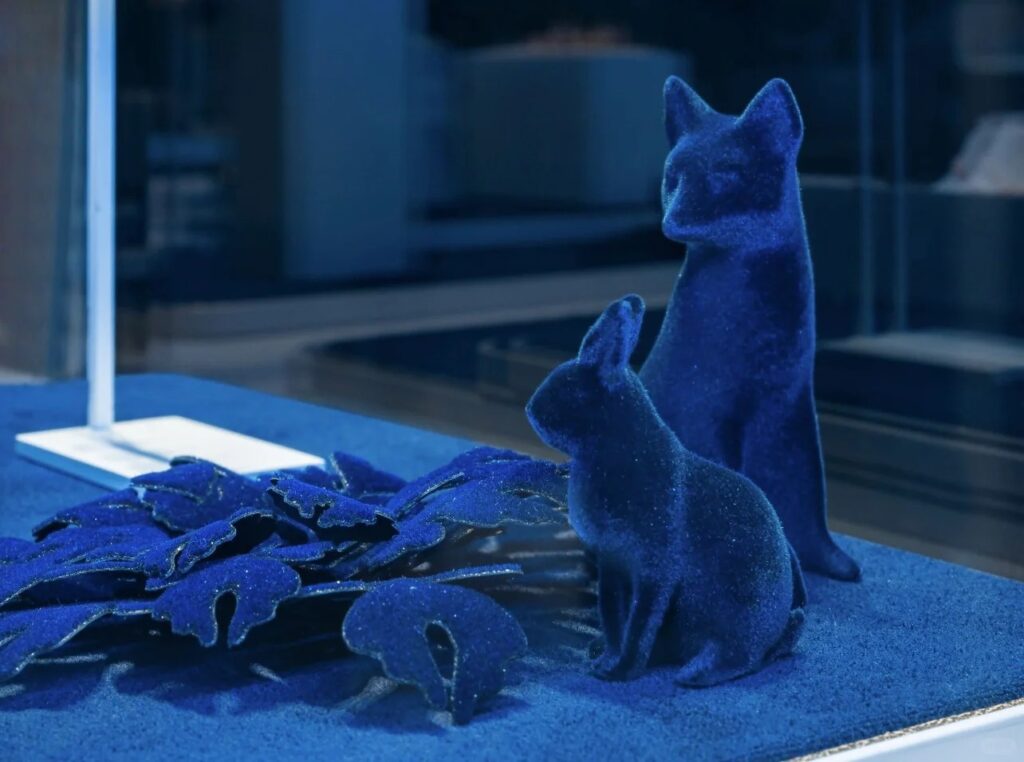
In luxury visual merchandising, every surface is part of your message. But how that message is received changes dramatically depending on the material's origin — natural or synthetic.
Customers increasingly associate natural materials with sustainability, craft, and truth — while synthetics, though precise and futuristic, can feel cold or commercial if misused. Yet many displays must also ship globally, scale fast, and endure months of use — which synthetic materials excel at.
At Samtop, we help retail brands craft the right material mix — combining the sensuality of nature with the precision of engineered design — to tell a story that’s honest, luxurious, and deeply brand-aligned.
Natural materials build emotional trust and sustainability cues. Synthetics bring precision, scalability, and visual modernity. The best luxury displays use both — intentionally — to reflect product tone and brand philosophy.
🧠 Emotional Perception of Material Origin
| Attribute | Natural Materials | Synthetic Materials |
|---|---|---|
| Emotion | Warmth, trust, craft, honesty | Precision, clarity, control, innovation |
| Customer Perception | Sustainable, heritage, handcrafted | High-tech, sleek, futuristic |
| Example Materials | Oak, bamboo, linen, stone, handmade paper | Acrylic, PET, PU leather, chrome, polished MDF |
🧠 "70% of Gen Z consumers associate natural finishes with trustworthiness, while Millennials prefer a balance of ‘clean-tech’ and craft."
— Samtop Display 2024 Cross-Market Survey (EU/US/SEA)
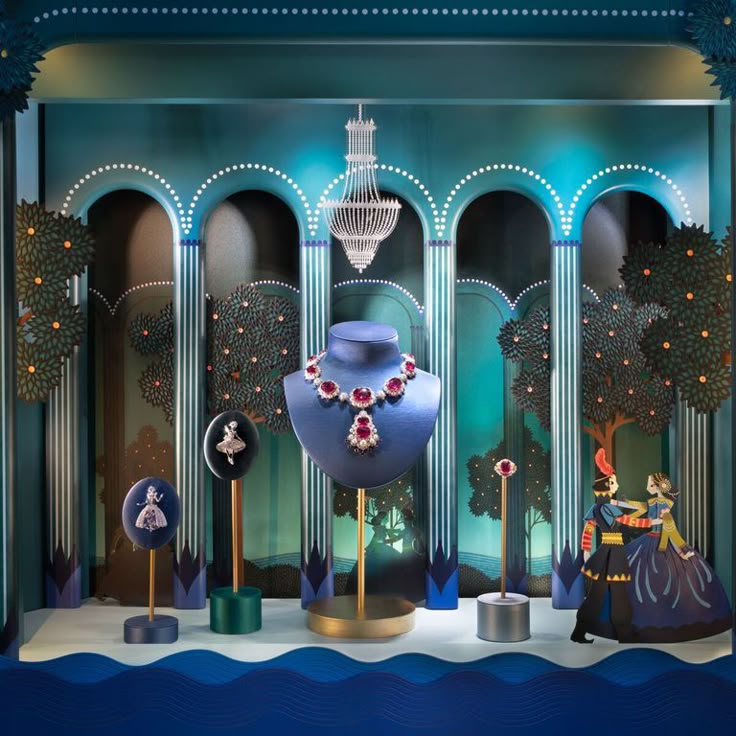
🏷️ Real-World Brand Applications
| Brand Type | Natural Touch Points | Synthetic Accents |
|---|---|---|
| Aesop (Skincare) | Recycled wood risers, linen banners | Frosted PET shelving |
| Gucci (Pop-ups) | Raw wood arches, jute wraps | Mirror acrylic cubes |
| Dyson Beauty (Retail) | None — fully polished synthetics by design intent | Light-guided acrylic, chromed display plinths |
| Le Labo (Fragrance) | Cement stone base, kraft labels | Minimal gloss trays for modularity |
🌏 Cross-Cultural Insights: What Feels “Luxury” in Different Markets
| Region | Natural Preference | Synthetic Preference |
|---|---|---|
| Japan | Cedar, washi, stone wrap (authentic calm) | Frosted acrylic, anodized aluminum |
| Europe (Nordic) | Raw oak, felt, paper-based packaging | Matte polymers for lightweight installs |
| Middle East | Polished stone, gold leaf | Lacquered MDF, brushed metal |
| USA | Eco-board, linen, “farmhouse” veneer trend | LED-infused acrylic, gloss PET |
🔍 Real Case: Hybrid Display for Scandinavian Wellness Brand
🟨 Client: Nordic sleep & skincare brand
🟩 Samtop Solution:
- Natural elements: plywood base with edge grain, linen header, foam interior wrapped in velvet
- Synthetic elements: PET trays, UV-coated resin risers, canvas print cover
- Packaging: paper-based modular flat-pack inserts
✅ Result: