

Prop Sizing Standards: What Fits in a 2m x 2m Window?

Bob Chow Bob
Share:

Article Overview

A Practical Sizing Guide for Compact Retail Windows Sma […]

A Practical Sizing Guide for Compact Retail Windows

Small retail windows—especially the 2m × 2m (or 2m × 2.2m) format—require precise prop sizing to achieve visual impact without overcrowding the space. In compact windows, every centimeter affects visibility, safety, and storytelling clarity. This guide explains recommended prop dimensions, depth limitations, and composition strategies specifically for small-format retail windows.

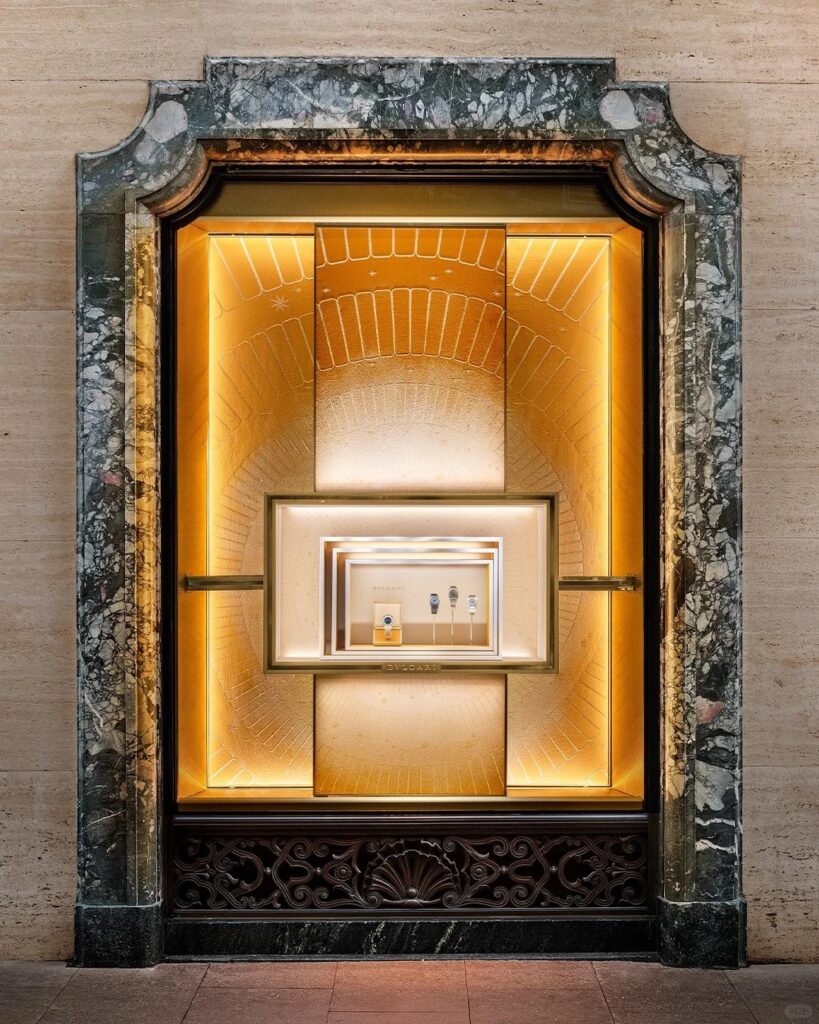
1. Why Prop Sizing Matters in Compact Windows

A 2m-wide display area offers limited foreground, mid-ground, and height options. Oversized props can block sightlines, while undersized structures may dilute branding. Proper sizing helps ensure:

  • Balanced visual weight

  • Landlord/mall compliance (especially depth rules)

  • Clear viewing angles from the sidewalk

  • Efficient installation without obstruction

  • Scalable reuse across multiple stores

Goal: Fill the space meaningfully without reaching full saturation.


2. Typical Dimensions of 2m Retail Windows 

While sizes vary by region, most compact windows fall within:

RegionWidthHeightDepth Limit
Asia (malls)1.8–2.2m2.2–2.6m35–50cm
Europe (boutiques)1.5–2.0m2.0–2.4m25–40cm
Flagships (small windows)2–2.5m2.5–3m40–60cm

The 2m × 2m (+/–) format is the most common globally.

3. Recommended Prop Sizes for a 2m × 2m Window

Below are practical, tested dimensions that fit most compact windows without overwhelming the space.

3.1 Hero Prop (Main Feature)

  • Width: 100–120cm

  • Height: 160–180cm

  • Depth: 30–40cm

  • Purpose: Create a focal anchor, ideally placed slightly off-center.

Hero props above 180cm risk touching top ventilation zones or signage areas.


3.2 Side Props (Secondary Layer)

  • Width: 40–60cm

  • Height: 100–140cm

  • Depth: 20–30cm

  • Used for layering, balance, and theme support.

These fill negative space while maintaining visibility around the main feature.


3.3 Foreground Elements

  • Width: 20–40cm

  • Height: 60–80cm

  • Depth: 15–25cm

  • Ideal for pedestals, small plinths, product risers.

Foreground elements should stay low to avoid blocking product zones.


3.4 Backdrop Panels

  • Width: 160–180cm

  • Height: 200–220cm

  • Thickness: <10cm

  • Creates a clean vertical frame without trapping reflections or blocking backlighting.


4. Visual Composition Rules for Small Retail Windows

4.1 Leave Edge Clearance

  • 10–15cm left/right spacing prevents crowding and gives props “breathing room.”

4.2 Aim to Fill 70–80% of the Vertical Space

Filling 100% creates pressure and reduces visual comfort.

4.3 Keep the Focal Point at Eye Level

  • 120–160cm from the floor is the global average for adult eye height when viewed from outside.

4.4 Use Layering Instead of Volume

Create depth using:

  • Floating acrylic elements

  • Mid-ground props

  • Slimline risers

  • Transparent materials

Visual Merchandising Solutions

Transform your retail space with custom POP displays, window decorations, and luxury merchandising solutions. Get expert consultation and premium manufacturing services.

✓ 20+ Years Experience • ✓ Global Shipping • ✓ Custom Manufacturing
Visual Merchandising Solutions

This increases dimensionality without consuming space.


5. Depth: The Most Overlooked Constraint

Most malls and boutiques impose depth restrictions for safety and viewing clarity.

Standard depth limits:

  • Asia: 35–40cm

  • Europe: 25–30cm

  • Strict malls: require pre-approval for anything above 30cm

A safe working depth for universal approval is:

≤ 35cm total prop projection

Avoid props that extend toward the glass at angles.


6. Example Layout for a 2m Window

A typical compact-window setup might include:

  1. Hero prop (110cm × 170cm × 35cm)

  2. Side prop (50cm × 120cm × 25cm)

  3. Foreground pedestal (30cm × 70cm × 20cm)

  4. Backdrop panel (170cm × 210cm × 5cm)

  5. Transparent decorative elements (acrylic rods, floating motifs)

Together, these create a three-layer effect while fitting the 2m frame.


7. Practical Tips for Designing Props for Narrow Window Depths

  • Use curved or tapered bases to reduce visual bulk.

  • Incorporate clear acrylic to soften edges and maintain openness.

  • Avoid solid, heavy blocks — they consume volume quickly.

  • Use angled placement to create visual dynamism without requiring depth.

  • Keep wiring and lighting flush-mounted or hidden behind slim panels.


8. Case Study: 2.1m Boutique Window in Hong Kong

Window: 2.1m × 2.2m, depth 35cm
Requirement: A sculptural floral display with depth restrictions.

Solution:

  • Hero prop: 110 × 180 × 30cm

  • Slim stepped riser concealed as base

  • Floating petals mounted on clear rods

  • Single-piece lightweight backboard

Outcome:

  • Visually layered, minimal depth

  • 6x increase in social media tagging

  • Reused for two seasonal campaigns with color changes


9. Mini FAQ

Can props exceed 2m in height?

Yes, but allow 10–15cm for ventilation and signage visibility.

What is the safest maximum depth?

35–40cm for most malls; 25–30cm for strict European boutiques.

How do you make small windows feel larger?

Use transparency, layering, lighting gradients, and staggered sightlines.

Can props be reused for different window sizes?

Yes — modular heights and interchangeable panels extend lifespan.


10. Conclusion

A 2m × 2m retail window can deliver high visual impact when props are:

✔ Correctly scaled
✔ Layered intelligently
✔ Within depth limits
✔ Positioned at viewer eye level
✔ Built with modularity in mind

When size and composition align, a compact window becomes a powerful storytelling space, even for seasonal or high-turnover campaigns.

Bob

About Bob

Hi, I’m Bob, the funder of SamTop.com, Our company makes visual merchandising props, retail display stands and window display decoration for many years now, and the purpose of this article is to share with you the knowledge related to retail displays from a Chinese supplier’s perspective.

Connect: