
Sustainable Design Solutions for Retail Displays
By Yan Luo | Samtop Display
Reducing plastic in retail displays is possible without losing aesthetic appeal by using eco-friendly materials such as wood, metal, recycled paper, and biodegradable plastics. By choosing eco-friendly materials like wood, metal, recycled paper, and biodegradable plastics, you can create visually striking displays that align with your brand’s sustainability goals. Incorporating modular designs, minimalism, and upcycled materials can help reduce plastic use while still maintaining high-quality, eye-catching displays.
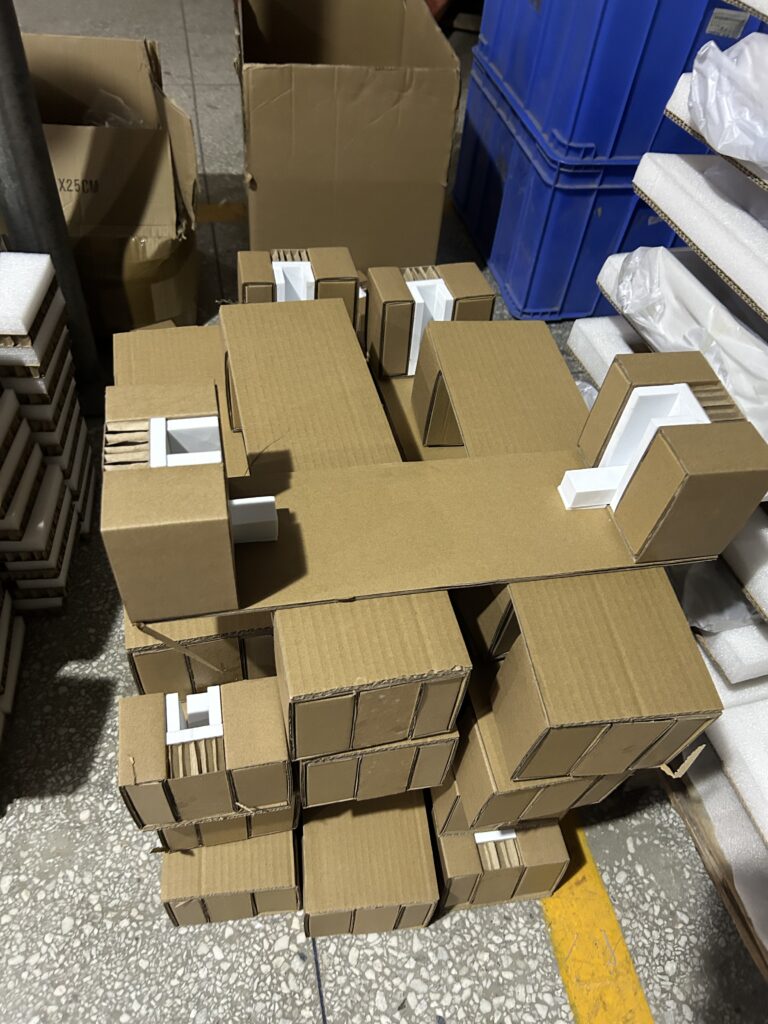
At Samtop, we specialize in creating sustainable retail displays that blend aesthetic appeal with environmental responsibility.
🌍 Key Strategies to Reduce Plastic in Your Display Projects
1. Why Should You Reduce Plastic in Retail Displays?
In today’s market, sustainability is not just a trend; it’s a necessity. As consumers become more environmentally conscious, brands are under pressure to reduce their plastic usage and adopt eco-friendly practices. However, the challenge is finding materials that reduce plastic consumption without compromising on the visual appeal and functionality of retail displays.
2. The Environmental and Brand Impact of Plastic Use
Plastic waste has a significant environmental impact, and the overuse of plastic in retail displays contributes to pollution. In addition, consumers are increasingly seeking out brands that align with their environmental values. Failing to reduce plastic could lead to a negative perception of your brand, loss of consumer trust, and missed opportunities to engage with eco-conscious customers.
3. How to Achieve Sustainable Display Designs Without Sacrificing Aesthetic
At Samtop, we offer solutions that help you reduce plastic in your displays while maintaining an attractive, functional design. By using eco-friendly materials like wood, metal, and recycled paper, and focusing on modular, minimalist designs, we help you create sustainable displays that look great and meet your sustainability goals.
📊 Key Tips for Designing Sustainable Displays Without Plastic
1. Eco-Friendly Materials That Replace Plastic in Retail Displays
Instead of relying on traditional plastics, consider alternative materials that offer sustainability without sacrificing design quality.
Sustainable Material Options:
- Wood: Natural, versatile, and customizable. Wood can be used for structural elements like frames, shelves, or backdrops, adding warmth to displays.
- Benefits: Biodegradable, durable, and sustainable when sourced responsibly.
- Considerations: Requires proper treatment for durability and finishing.
- Metal: Aluminum or steel can replace plastic in frames, supports, and accessories. Metal is durable and recyclable at the end of its lifecycle.
- Benefits: Recyclable, long-lasting, and sophisticated.
- Considerations: Heavy compared to some plastics, but can be lightweight if used efficiently.
- Recycled Paper and Cardboard: Ideal for temporary or seasonal displays, these materials offer structural integrity while reducing plastic use.
- Benefits: Lightweight, biodegradable, and cost-effective.
- Considerations: Less durable, but perfect for short-term displays.
Tip: Select locally sourced materials to reduce transportation emissions and support sustainable supply chains.
2. Implement Modular and Reusable Designs
Modular displays are a great way to reduce waste and minimize plastic. These designs can be disassembled and reused for different products, seasons, or campaigns, reducing the need for new materials.
How Modular Designs Help:
- Longevity: Modular components can be reused across different setups, extending the life cycle of the display.
- Customization: Combine materials like wood, metal, or recycled elements in modular units to achieve various looks without relying on plastic.
- Storage Efficiency: Modular designs are easy to store and transport due to their stackable nature.
Tip: Design multi-functional display systems that can adapt to different product types or promotional themes.
3. Sustainable Display Design: How to Reduce Plastic in Retail Displays
Single-use plastics are a major environmental concern, particularly in temporary displays and packaging. Consider more sustainable alternatives that still maintain the display’s aesthetic.
Alternatives to Single-Use Plastic:
- Fabric: Use natural fabrics like cotton, bamboo, or recycled polyester for banners, backdrops, and product covers.
- Benefits: Reusable, versatile, and easy to store and clean.
- Biodegradable Plastics: For temporary elements, use biodegradable plastics like PLA (Polylactic Acid), which break down faster than traditional plastics.
- Benefits: Eco-friendly option for short-term use.
- Glass and Acrylic: Replace plastic with glass or acrylic for display cases or product holders.
- Benefits: Recyclable, durable, and offers a premium, transparent aesthetic.
- Wooden and Paper Signs: Use wooden or cardboard signage to reduce plastic waste while achieving a more organic look.
Tip: Use eco-friendly inks and finishes like water-based paints or natural dyes that are less harmful to the environment.
4. Incorporate Upcycled and Recycled Materials
Using upcycled or recycled materials in your display designs reduces plastic usage while maintaining a modern, high-end aesthetic.