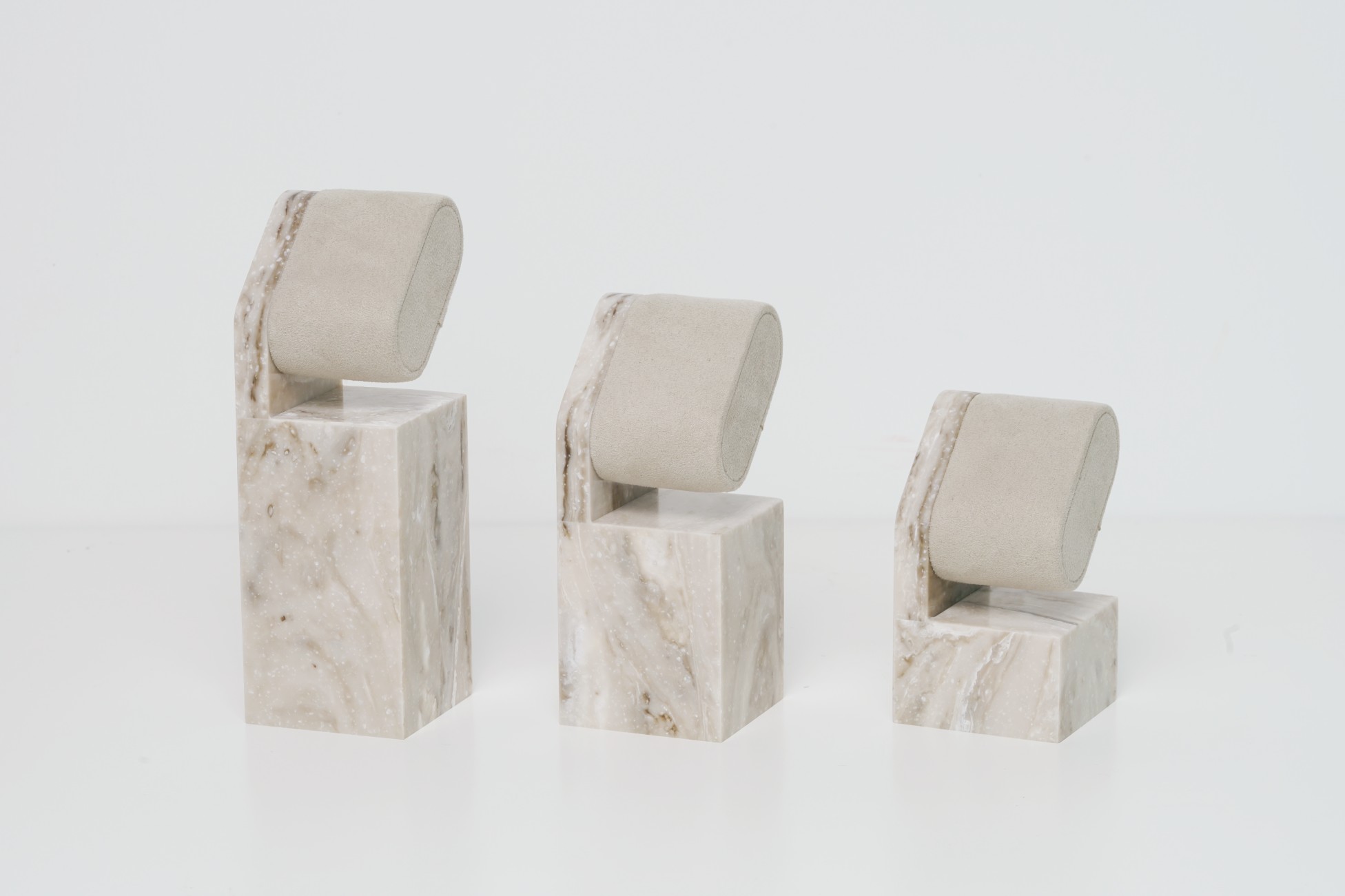
A display lifecycle describes the complete journey of a retail fixture — from its initial build, to campaign refreshes, to multi-market reuse, and finally to responsible retirement. Brands that structure their displays around this lifecycle can reduce costs, extend usability, and maintain consistent visual standards across regions and seasons.
Instead of treating every display as a single-use asset, lifecycle planning allows retailers to maximize ROI, reduce waste, and protect brand identity throughout multiple campaigns.
Why the Display Lifecycle Matters
Retail fixtures are often overbuilt, underused, and replaced too early. A lifecycle approach prevents:
-
Unnecessary re-production
-
Branding inconsistencies
-
High logistics cost
-
Environmental waste
-
Rushed rebuilds every season
With lifecycle planning, a single high-quality display can support 2–4 years of campaigns with simple refreshes instead of full rebuilds.
The 4 Stages of the Display Lifecycle
1️⃣ Stage 1 — Build: Create a Future-Proof Foundation
The Build stage sets the foundation for everything that follows. Displays should be engineered for adaptability, durability, and easy updates.
What to include in a future-ready build:
-
Modular frame structures for interchangeable components
-
Neutral color bases compatible with any seasonal theme
-
Magnetic or Velcro visual zones for instant graphic changes
-
Tool-free joints for relocation or storage
-
Replaceable LED modules to extend hardware life
-
Flat-pack packaging for global rollout efficiency
A strong Build stage ensures your display is designed to evolve, not expire.
2️⃣ Stage 2 — Refresh: Update Fast Without Rebuilding
The Refresh stage includes all the elements brands update for campaigns:
-
New SKUs
-
Seasonal visuals
-
Limited-edition branding
-
Message changes
-
Promotional content
Smart Refresh Options:
-
Magnetic headers
-
Slot-in trays and risers
-
Vinyl or PET overlays
-
Reprinted panels
-
Replaceable logo plates
These updates can be completed in minutes, helping brands go live quickly while using the same base structure.
3️⃣ Stage 3 — Reuse: Repurpose Across Stores & Campaigns
The Reuse stage maximizes ROI by extending a display’s working life.
Ways to reuse existing displays:
-
Send them to secondary markets or outlet stores
-
Rebrand structures for seasonal rotations
-
Convert countertop displays into travel-retail units
-
Share kits across regions on a rotating schedule
-
Repurpose trays, risers, and LEDs for pop-ups
A single core system can support multiple markets and multiple years when engineered for reuse.
4️⃣ Stage 4 — Retire: Recycle or Repurpose Responsibly
Retirement doesn’t always mean disposal. The goal is to close the loop by extracting remaining value.
Responsible retirement options:
-
Refurbish for internal showroom or staff training
-
Upcycle usable components (LED, acrylic, metal)