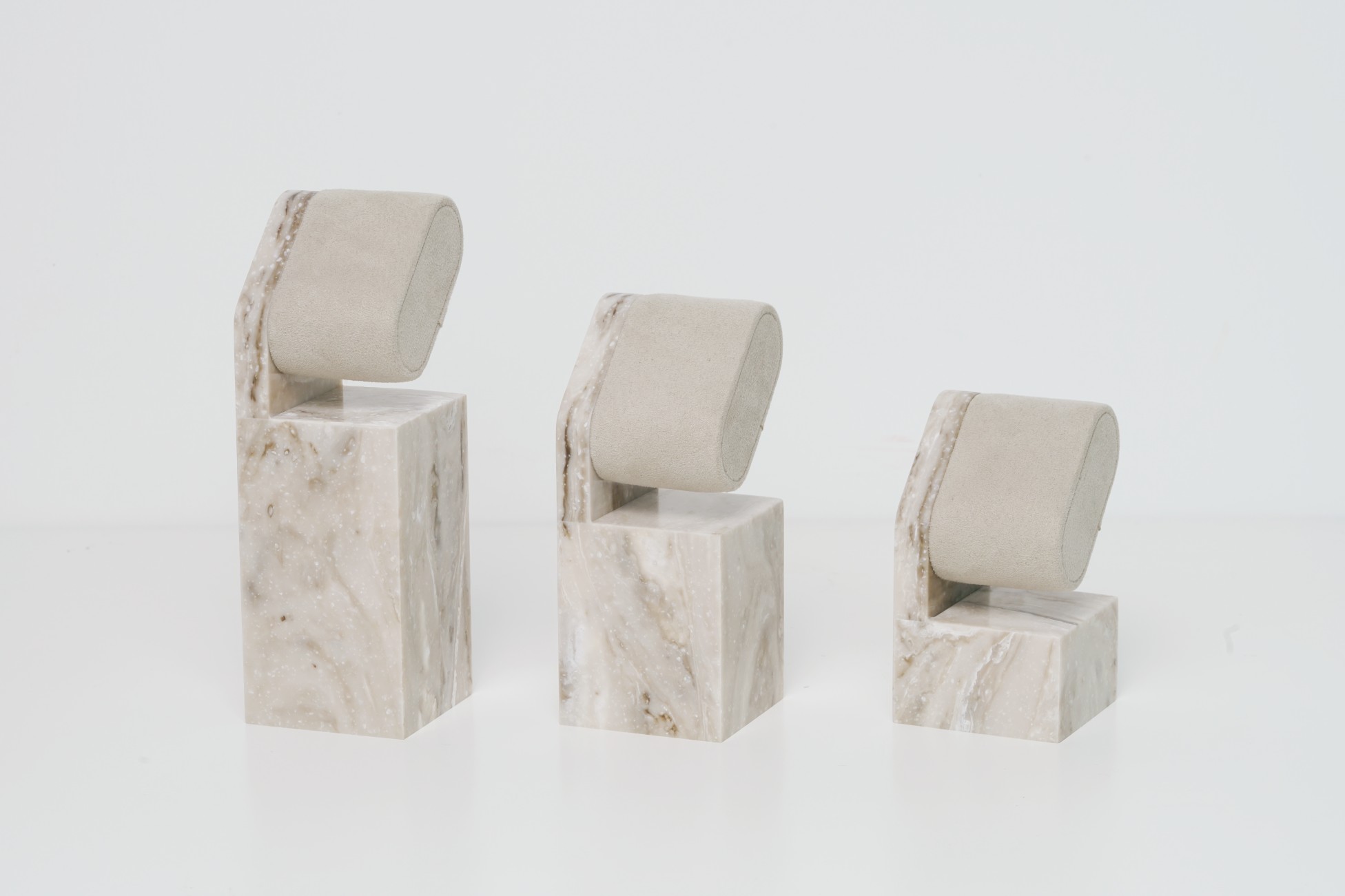

Shipping Display Units from China to France or USA: What to Prepare
A Complete Guide to Importing Retail Displays for Global Markets
By Yan Luo | Samtop Display
When shipping display units from China to France or USA, preparation is everything. From HS codes and customs duties to packaging and freight methods, Samtop guides brands through the process to ensure smooth, cost-effective delivery to global markets.
At Samtop, we help brands navigate global shipping with expert advice on how to prepare your display units for smooth importation to key markets like France and the USA.
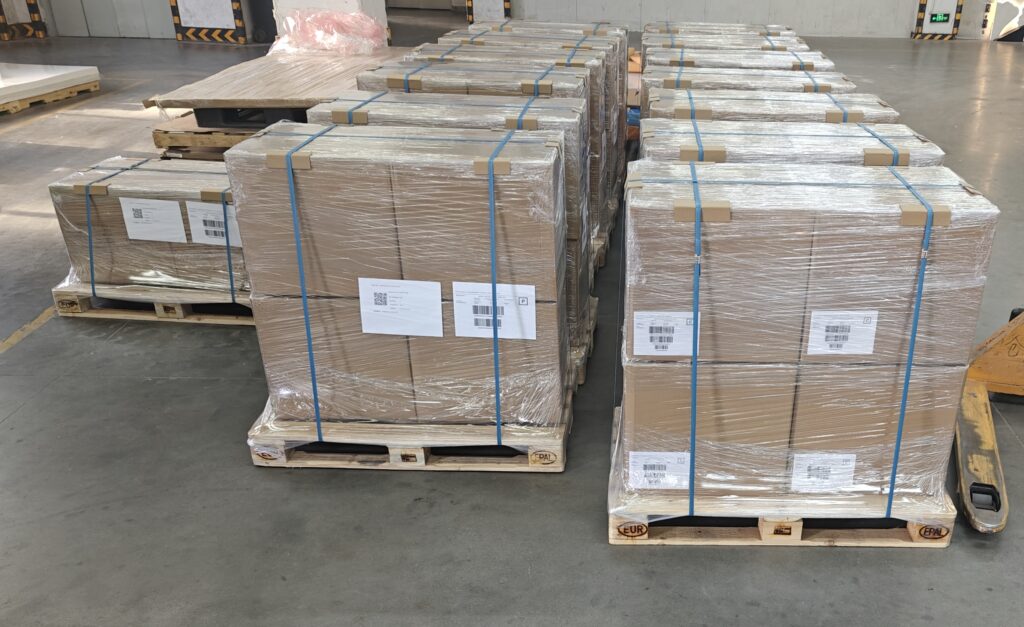
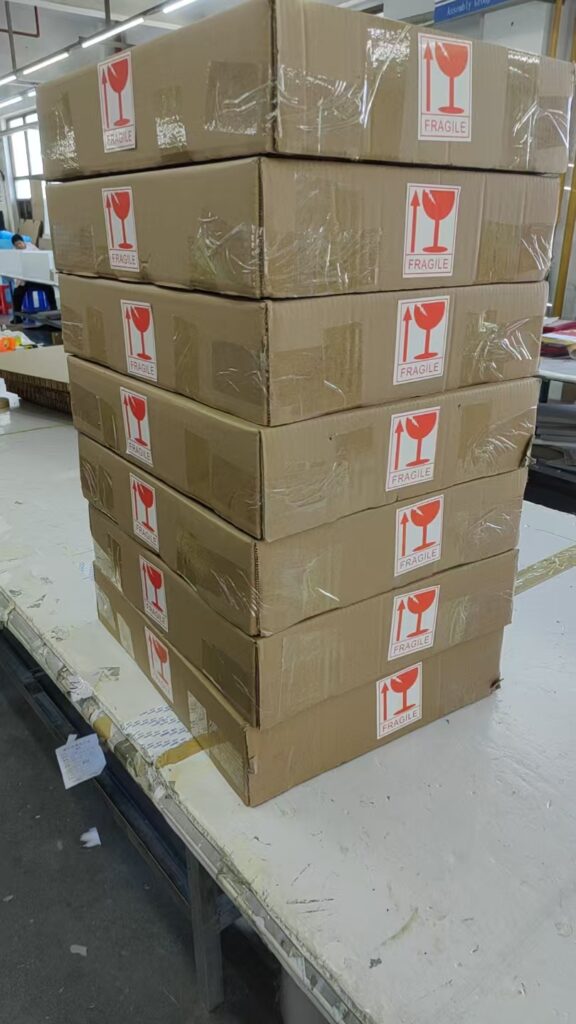
Navigating the complexities of international shipping when importing display units from China to markets like France and the USA can be overwhelming. Without the right preparation, you risk delays, added costs, and even damaged goods.
What could happen if your display units are shipped incorrectly? You might face expensive fines due to wrong classification codes, delayed customs clearance, or worse — damaged or lost goods in transit. These problems can significantly disrupt your business operations, pushing back your product launch or exhibition and costing you more than expected.
The key to avoiding these issues is detailed planning and understanding the shipping process. By knowing exactly what to prepare, including packaging materials, shipping methods, proper documentation, and the correct tariff classifications, you can ensure smooth, cost-effective shipping. With the right guidance, your display units will arrive on time, compliant with regulations, and ready for use.
🌍 Key Steps in Shipping Display Units from China to France or USA
👉 Choosing the right shipping terms is key when shipping display units from China to France or USA.
Shipping Terms Explained: EXW, FOB, CIF
Before you arrange shipping, it’s essential to agree on shipping terms with your supplier. These terms affect who pays for shipping, insurance, and import duties.
- EXW (Ex Works): You are responsible for all costs and logistics from the supplier’s premises.
- FOB (Free on Board): The supplier takes care of the shipping to the port, but you manage the cost from the port to your final destination.
- CIF (Cost, Insurance, and Freight): The supplier covers all shipping and insurance up to the destination port.
- ✈️ Choosing Between Sea Freight, Air Freight, and Rail Freight
The method of shipping depends on the size, weight, and urgency of your display units.- Sea Freight: Cost-effective for large shipments but slower (typically 20-40 days).
- Air Freight: Faster but more expensive. Ideal for high-value or urgent shipments.
- Rail Freight: A middle-ground option for certain regions (especially to Europe).
- 📝 Essential Documents for Shipping Display Units
Shipping display units internationally requires several documents to ensure customs clearance:- Commercial Invoice: Contains the total value of the shipment and item descriptions.
- Packing List: Details of the shipment, including dimensions, weight, and packaging information.
- Bill of Lading: Issued by the carrier as proof of shipment.
- Certificate of Origin: Confirms the country where the goods were manufactured.
- Customs Declaration: Required for customs clearance to state the nature and value of the goods being imported.
👉 Incorrect paperwork can delay shipping display units from China to France or USA at customs.
💰 Import Duties and Taxes in France vs USA
- Import Duties for France (EU):
France imposes import duties and VAT on goods coming from non-EU countries like China. Duty rates typically range from 0% to 12%, depending on the HS code classification for your display props. The VAT for most goods is 20%. - Import Duties for the USA:
The USA uses a complex tariff system, with duties depending on product categories and countries of origin. For display units from China, expect duties to range from 0% to 20%. Additional tariffs may apply due to U.S.-China trade policies.
👉 Understanding duty rates helps manage costs when shipping display units from China to France or USA.
Packaging Considerations for Safe Shipping
Proper packaging is critical to avoid damage and ensure safe transport of your display units.