

Visual Storytelling in Small Spaces: How to Create Layered Depth in Compact Window Displays

Bob Chow Bob
Share:

Article Overview

Small window displays don’t need large footprints to cr […]

Small window displays don’t need large footprints to create impact. With the right layered storytelling techniques — vertical tiering, translucent materials, and contrast lighting — even a 1–1.8m compact window can feel immersive, premium, and emotionally compelling.
This guide explains exactly how to build layered depth in small spaces, using visual merchandising strategies proven by global retail brands.
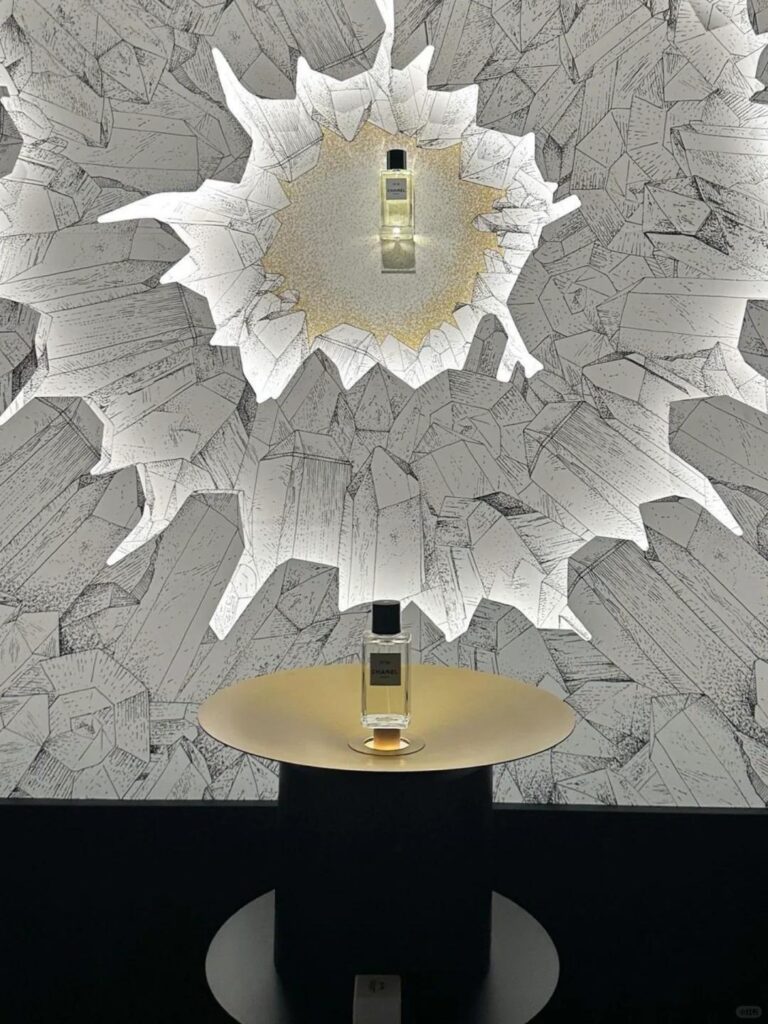
Why Layered Window Displays Improve Small Retail Spaces

A layered window display uses foreground, mid-ground, and background elements to create visual depth. This technique works exceptionally well for compact storefronts because it:

  • Makes shallow windows feel deeper

  • Guides shopper attention toward the hero product

  • Uses height and transparency to avoid crowding

  • Replaces “flatness” with a cinematic visual flow

Industry research from POPAI / Shop! Association shows that well-layered window storytelling increases dwell time and improves conversion in small retail formats.

1. Use Vertical Tiering to Build Height and Depth

Vertical tiering is the fastest way to create a 3D effect inside a small space.

How it works:
Use plinths, risers, and stepped platforms at different heights to separate visual layers.

Best materials for small window displays:

  • Foam risers (lightweight, reconfigurable)

  • Clear acrylic trays

  • Modular wooden plinths

  • MDF with matte lamination

Why it works:
Higher tiers bring small products into the viewer’s eye line, which is essential for compact windows.

2. Add a Printed Backdrop + Floating Foreground Elements

A background panel gives orientation, while floating foreground props create perspective.

Best techniques:

  • Fabric panel backdrops

  • Window vinyl with gradient fade

  • Lightweight cutouts

  • Clear acrylic rods to suspend props

This “front + back” contrast is a standard retail depth technique referenced by VMSD (Visual Merchandising & Store Design).

3. Use Translucent Mid-Layers for Soft Depth

Translucent layers add atmosphere without blocking visibility.

Recommended materials:

  • Frosted acrylic

  • Sheer textile mesh

  • Tinted PET panels

  • Diffusion film

These elements create mood and soften the transition between the viewer and the product.


4. Lighting: The Most Powerful Depth-Creating Tool

Lighting defines volume, shadow, and mood — essential for shallow windows.

Best lighting methods:
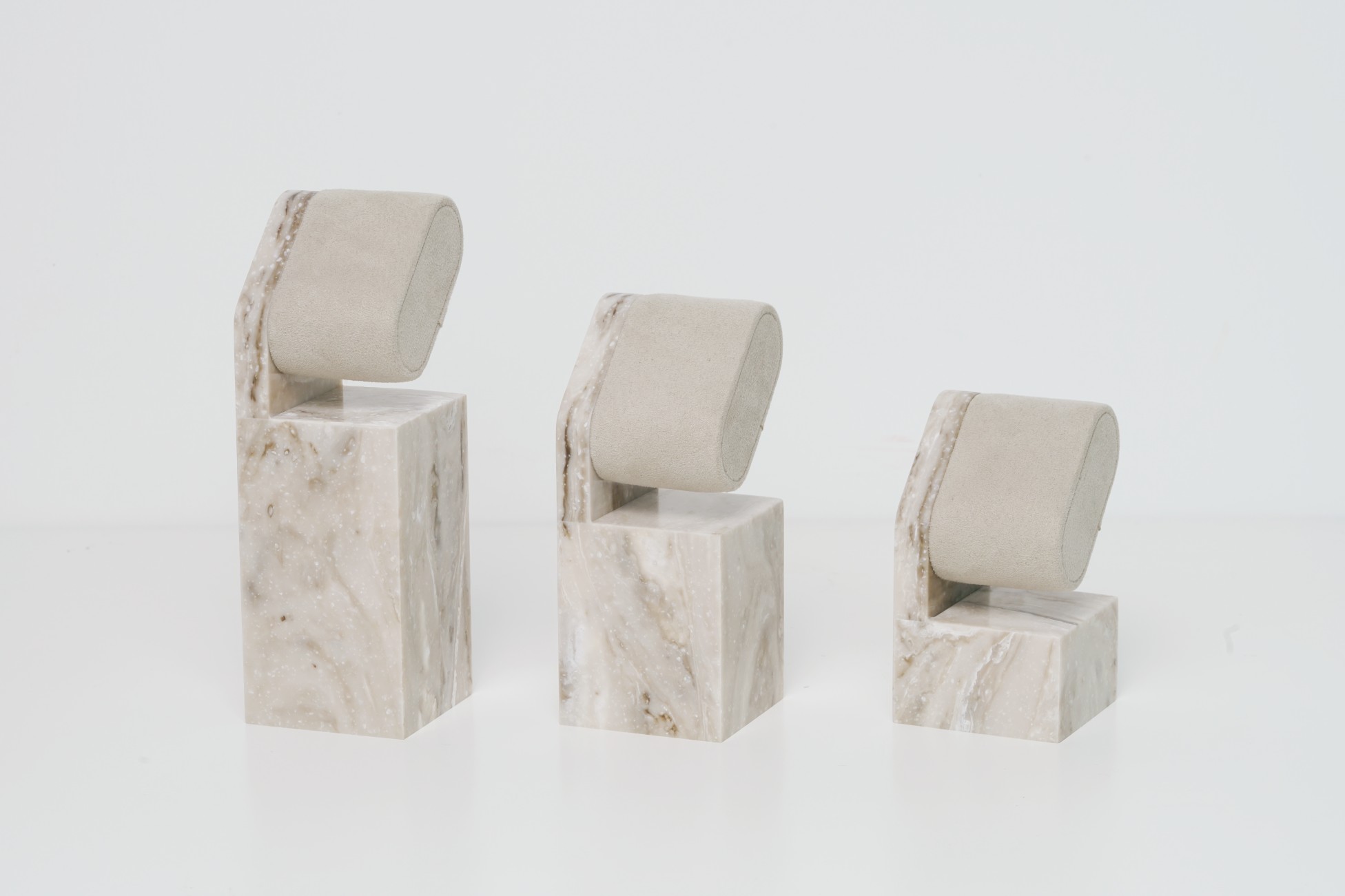
Visual Merchandising Solutions

Transform your retail space with custom POP displays, window decorations, and luxury merchandising solutions. Get expert consultation and premium manufacturing services.

✓ 20+ Years Experience • ✓ Global Shipping • ✓ Custom Manufacturing
Visual Merchandising Solutions
  • Side lighting to create shadow gradients

  • Backlighting behind panels

  • LED strips under risers

  • Warm/cool contrast for storytelling

Guidelines from the Illuminating Engineering Society (IES) show that contrast lighting increases depth perception in compact environments.
(https://www.ies.org)


5. Use Forced Perspective & Angled Composition

Forced perspective is a museum technique that works great in small windows.

How to apply:

  • Arrange props in triangular formation

  • Angle key items slightly toward the viewer

  • Use descending or ascending slopes

  • Push small items toward the foreground and larger items toward the back

This creates a cinematic sense of movement.


Real Case Study: Botanical Layering in a Narrow 1.5m Window

Client: Boutique skincare retailer
Goal: High-impact storytelling in a constrained window

Samtop Solution:

  • Moss-texture vinyl backdrop

  • Triangular plinth formation at 20/40/60 cm

  • Floating acrylic leaves (mid-ground)

  • Warm spotlight + soft back glow

Results:
✔ 3-layer storytelling achieved in 1.5m width
✔ Display props reused inside-store later
✔ Instagram mentions tripled during campaign


FAQ: Layered Window Displays for Compact Spaces

Will layers make my display look cluttered?

No — when height, transparency, and spacing are balanced, layers create clarity, not clutter.

Can I build depth without shelves?

Yes. Use free-standing plinths, hanging props, or acrylic rods.

Can layering work for a single hero product?

Absolutely. A multi-layer light frame can turn one SKU into a focal point.


Conclusion: Small Windows Can Deliver Big Brand Storytelling

Layered depth transforms compact windows into immersive scenes.
With vertical tiering, translucent layers, smart lighting, and forced perspective, any small storefront can achieve premium-level visual storytelling.

If you want your small space to look bigger — and feel emotionally powerful — layered window display design is the most effective strategy.

📩 Need Help Turning a Tiny Window into a Big Brand Moment?
We design layered, modular, and emotionally engaging micro-spaces — perfect for boutiques, pop-ups, and brand activations.

👉 Contact: yan@samtop.com
🌍 Visit: www.samtop.com

Bob

About Bob

Hi, I’m Bob, the funder of SamTop.com, Our company makes visual merchandising props, retail display stands and window display decoration for many years now, and the purpose of this article is to share with you the knowledge related to retail displays from a Chinese supplier’s perspective.

Connect: