A Guide to Choosing the Right Finish for Stainless Steel Balls
By Yan Luo | Samtop Display
Website: www.samtop.com
Email: yan@samtop.com
When it comes to finishing stainless steel balls, there are several finish options available, each providing different aesthetics, durability, and functionality. The best finish depends on the intended use—whether it’s for luxury retail displays, art installations, or decorative pieces. Common finishes include polished, brushed, matte, and mirror finishes, each with its own set of benefits.
At Samtop, we specialize in crafting custom stainless steel balls with a variety of high-quality finishes, making sure that each piece fits perfectly with the brand’s identity and design goals.
🌍 Why Stainless Steel Balls?
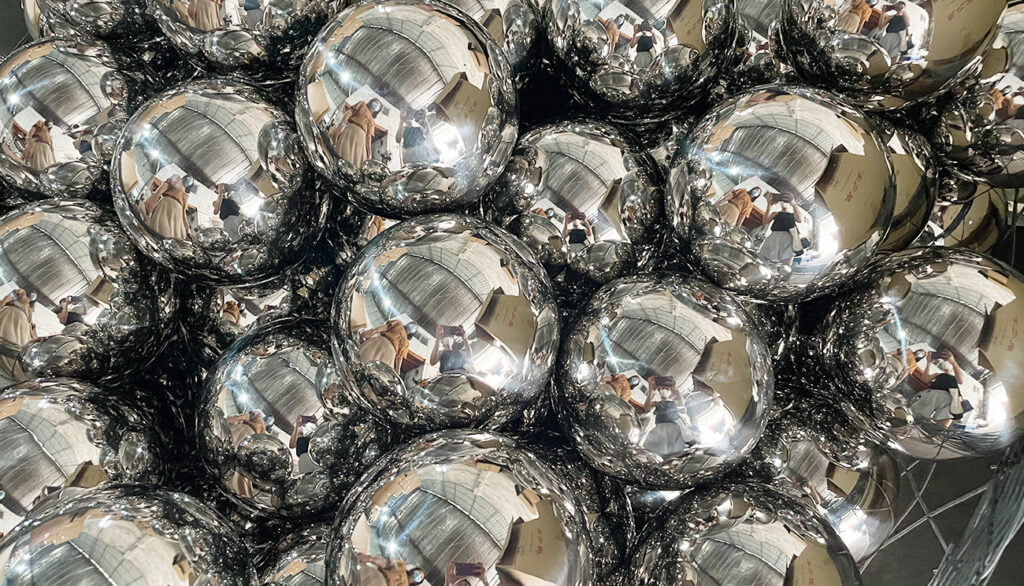
Stainless steel balls are versatile, durable, and visually striking, making them a popular choice for various industries. Whether used in retail displays, sculptural art, furniture, or architectural elements, stainless steel balls have a sleek, modern appearance that enhances the overall visual impact.
The benefits of using stainless steel balls include:
- Durability: Stainless steel is highly corrosion-resistant, ensuring longevity.
- Modern Aesthetic: Its shiny surface creates a polished, sophisticated look that fits well in modern settings.
- Versatility: Stainless steel balls can be used in various applications, from luxury retail environments to public art installations.
Now, let’s dive into the best finishes for stainless steel balls and how to choose the right one for your project.
🧪 Step 1: Polished Finish (Mirror-Like Appearance)
A polished finish or mirror finish is one of the most common and popular choices for stainless steel balls. This finish provides a high-shine, reflective surface that mirrors its surroundings, making it ideal for luxury retail displays, art installations, and decorative elements where an elegant, eye-catching appearance is needed.
Benefits:
- Highly reflective: Perfect for displays that want to stand out.
- Smooth texture: Creates a seamless, clean look.
- Luxury appeal: The reflective surface enhances the premium quality of the product.
Example:
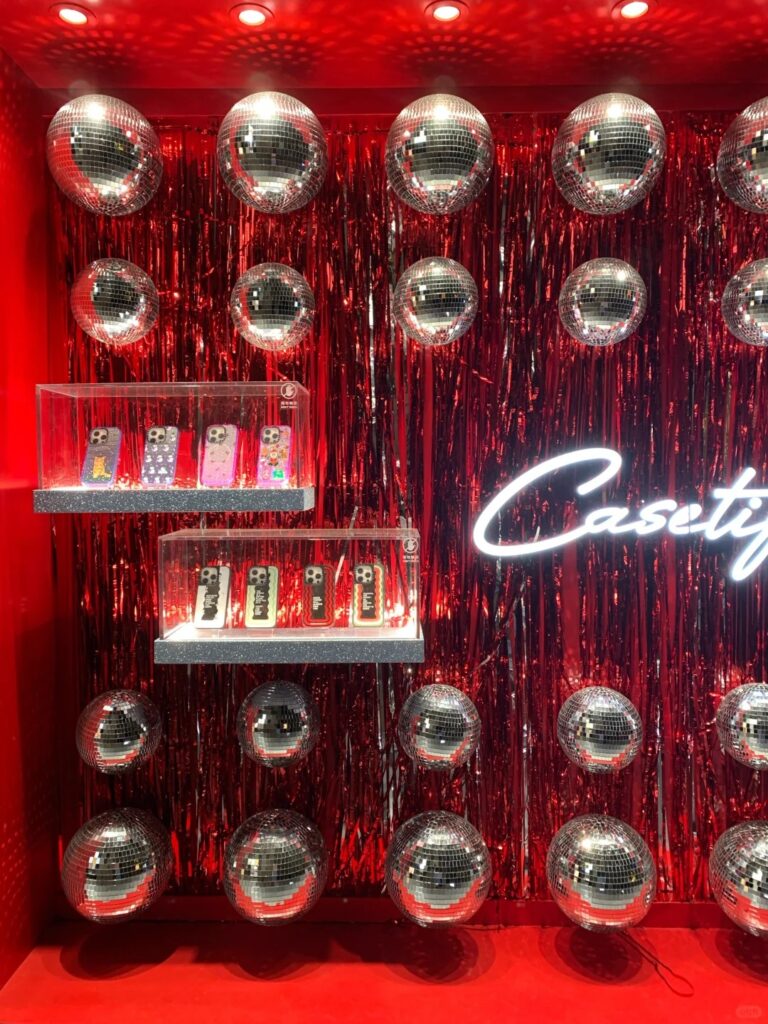
A high-end fashion store uses mirror-polished stainless steel balls in their window display, reflecting the brand’s elegance and drawing attention to featured products.
🧪 Step 2: Brushed Finish (Satin-Like Surface)
A brushed finish on stainless steel balls creates a satin-like texture that is subtle and elegant without the high-gloss shine of a polished finish. The process involves using a fine abrasive to create uniform linear textures on the surface, resulting in a matte sheen that is less prone to fingerprints and scratches than a polished finish.
Benefits:
- Sleek appearance: Provides a more modern, sophisticated look compared to a shiny finish.
- Durability: The brushed surface is resistant to visible scratches and marks, making it great for high-traffic areas.
- Low maintenance: Ideal for environments where the piece will be handled frequently.
Example:
A corporate lobby might use brushed stainless steel balls as part of a sculptural piece to add a touch of modern sophistication without too much glare or reflection.
🧪 Step 3: Matte Finish (Subtle, Non-Reflective Surface)
A matte finish on stainless steel balls creates a non-reflective surface that provides a more subdued, industrial look. This finish is created by using a combination of abrasive materials or chemicals to give the steel a dull appearance. A matte finish is particularly useful when you want the texture of the material to be the focal point, rather than the shine.
Benefits:
- Non-reflective: Ideal for environments where glare is an issue.
- Sleek and modern: Works well in contemporary settings with a minimalist aesthetic.
- Subtle elegance: Suitable for brands that want a low-key, refined look.
Example:
An art installation featuring matte stainless steel balls creates a minimalist and contemporary aesthetic that emphasizes the texture of the balls without distractions from reflective surfaces.
🧪 Step 4: Satin Finish (Soft, Smooth Appearance)
A satin finish is a compromise between a matte finish and a polished finish. It offers a soft, smooth appearance that still retains some sheen without being overly shiny. This finish is usually achieved by using abrasive pads or chemicals to produce a uniform texture that’s slightly reflective but not as glossy as a polished finish.