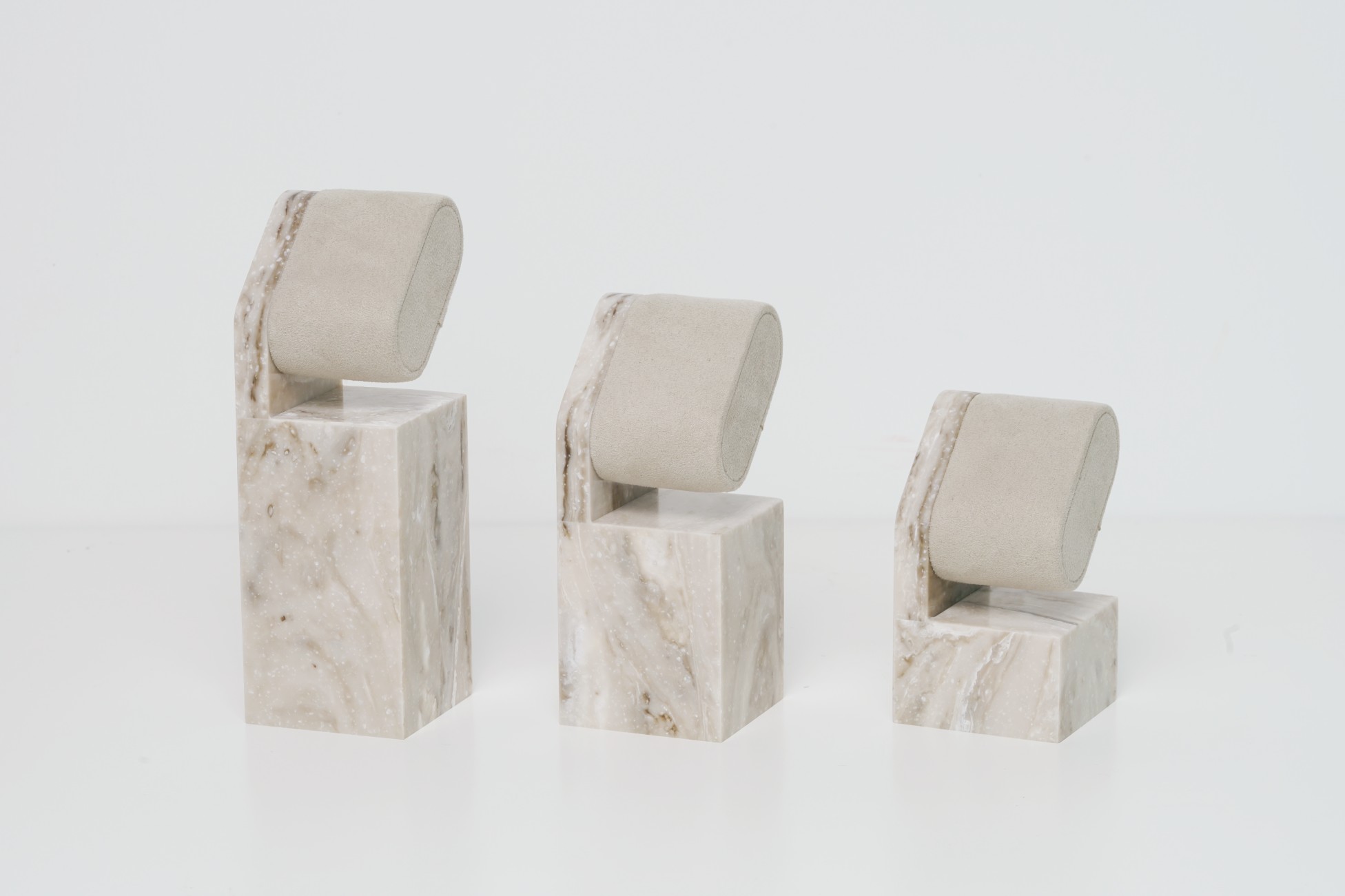

Store-in-store retail systems are becoming essential for brands competing inside multi-brand environments. In department stores, cosmetics halls, and lifestyle concept shops, your SIS display must stand out instantly — even when space, lighting, and landlord rules are out of your control. Modern store-in-store retail systems use modular structures, vertical visibility, and high-impact visual hierarchy to claim attention in just 2–3 seconds.
In this guide, we break down how to design SIS systems that attract traffic, communicate brand identity, and convert shoppers — all while staying compliant with strict retail environments.
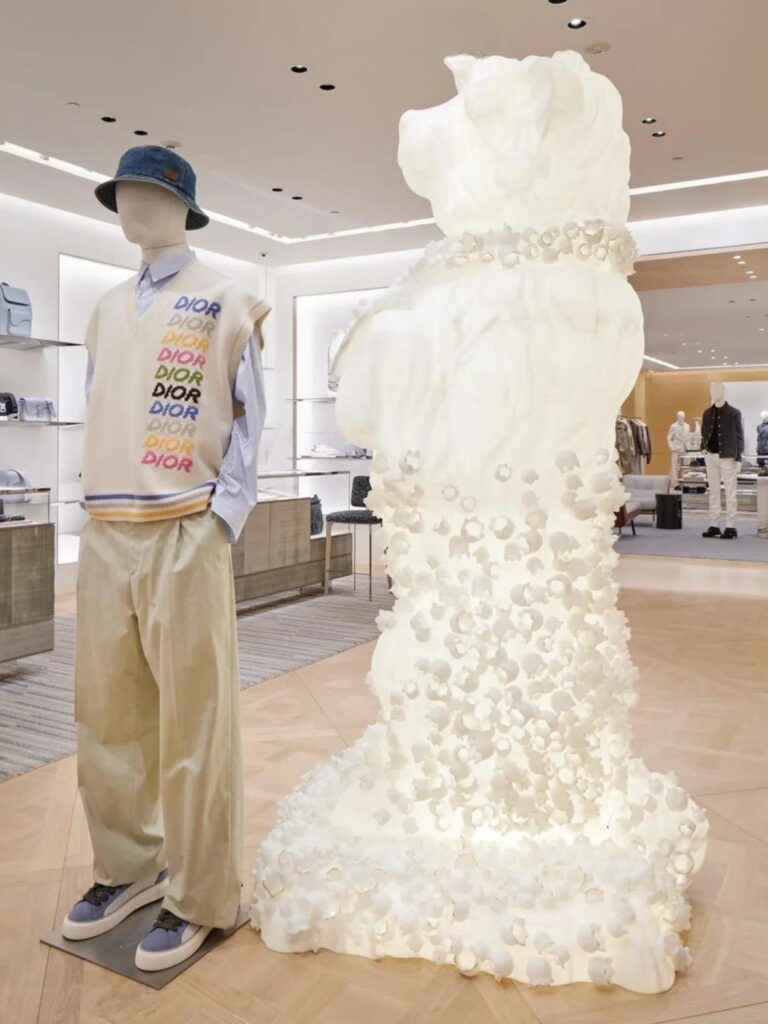
Why Store-in-Store Retail Systems Matter
Store-in-store zones operate under unique retail constraints:
| Constraint | Impact |
|---|---|
| Shared visual field | You compete directly with nearby brands |
| Fixed footprint | Every cm must support hierarchy + product flow |
| No drilling / mall restrictions | Freestanding modular systems only |
| High SKU pressure | Requires clear zoning and tiered storytelling |
| Regional/seasonal changes | Must allow fast graphic swaps |
SIS isn’t a small boutique — it’s high-pressure visual theater condensed into 2–6 m².
6 Design Rules for High-Impact Store-in-Store Retail Systems
1. Build Vertical Visibility (Core of Store-in-Store Retail Systems)
Vertical architecture increases visibility from 3–5 meters away.
Use:
-
Header lightboxes
-
Vertical logo panels
-
Tiered backwall shelving
-
Illuminated acrylic signage
2. Use Tiered Product Hierarchy (Center → Elevate → Spotlight)
Hero SKUs must sit higher and closer to eye level than support SKUs.
Best structures:
-
3-step risers
-
Gloss pedestal blocks
-
Modular cube plinths
-
LED halo bases
Hierarchy ensures customers instantly know what to touch first.
3. Integrate Lighting Without Hardwiring
Most landlords do not allow external wiring. Successful store-in-store retail systems use:
-
Battery LED edges
-
Magnetic light modules
-
Low-voltage concealed strips
-
Frosted acrylic diffusers
Lighting is the fastest way to communicate “premium.”
4. Use Modular Frames for Global Rollout
Your SIS kit must be:
-
Flat-pack
-
Tool-free
-
Reusable
-
Able to swap graphics regionally
Samtop uses L-frame structures, slot-in PET graphics, and magnetic logo plates to achieve fast installs across Asia, Europe, and the Middle East.