

By Yan Luo | Samtop Display
Virgin acrylic delivers the highest optical clarity and premium gloss for luxury POP displays, while recycled acrylic (rPMMA) offers strong sustainability benefits and cost savings. The best approach for luxury brands is a hybrid system: use virgin acrylic for visible surfaces, and recycled acrylic for structural or internal components.
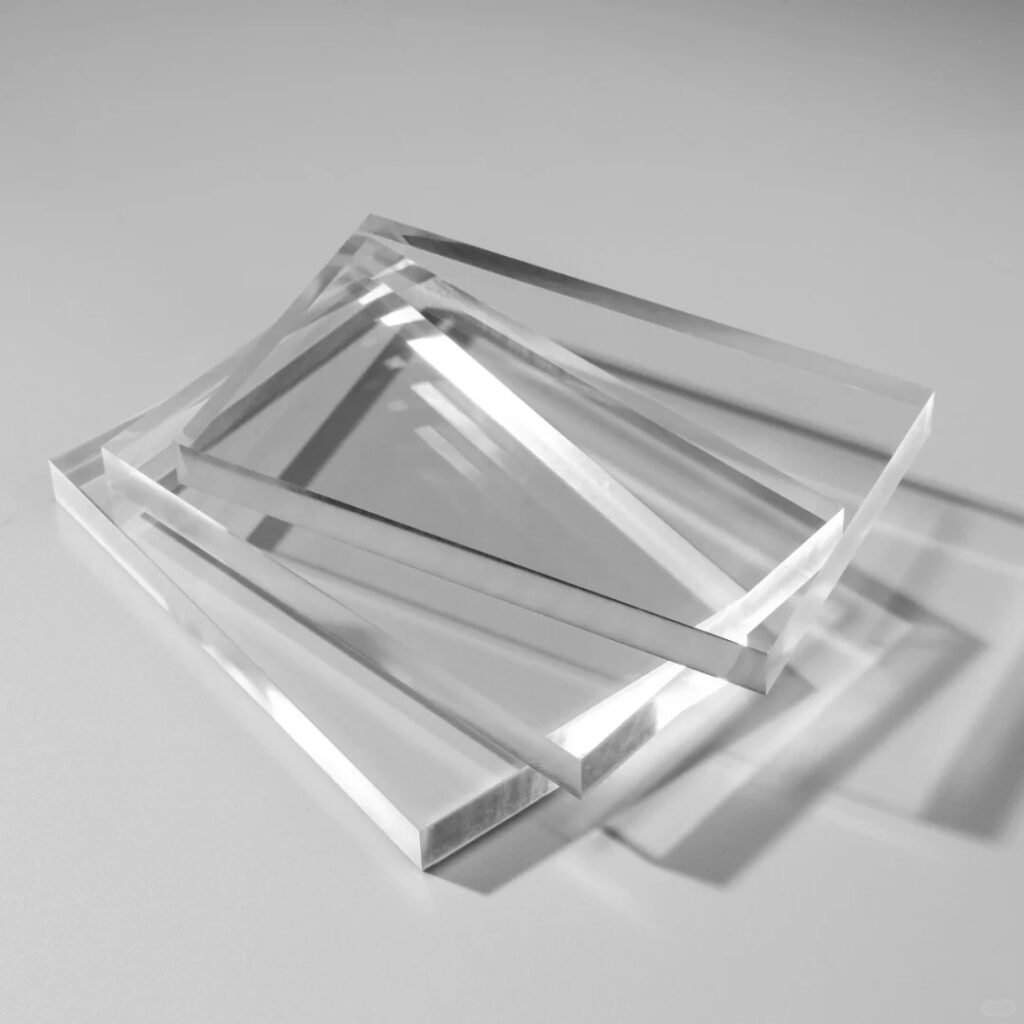
Should You Choose Virgin or Recycled Acrylic for Luxury POP Displays?
Your acrylic selection shapes more than your display's look—it communicates your brand values, sustainability strategy, and quality standards. In luxury environments, acrylic determines:
-
Gloss and color fidelity
-
Light performance
-
Perceived product value
-
ESG compliance and carbon footprint
-
Durability during multi-market rollouts
Choosing the wrong type can lead to haze, warping, yellowing, batch inconsistency, or sustainability blind spots—especially under retail lighting.
This guide breaks down the real technical differences between virgin acrylic and recycled acrylic (rPMMA) for luxury POP displays, and how to combine both for maximum ROI and brand impact.
Quick Decision Guide: Virgin for Clarity, Recycled for Structure
| Feature | Virgin Acrylic | Recycled Acrylic |
|---|---|---|
| Visual Clarity | Ultra-clear, high gloss | Slight haze, batch variance |
| Sustainability | Higher footprint | Up to 45% CO₂ reduction |
| Cost | Higher | ~10–20% savings |
| Best Use | Visible panels, logos, trays | Internal layers, backboards, diffusers |
👉 Best Practice:
Use virgin acrylic where customers look.
Use recycled acrylic where they don’t.
Why This Choice Matters More Than Ever
Luxury brands today must balance:
-
High visual standards
-
Global ESG reporting
-
Retail durability
-
Cost control across rollouts
-
Sustainable material sourcing
Acrylic remains one of the most important POP materials due to:
-
Precision CNC/cutting
-
High-end gloss
-
Material rigidity
-
Light diffusion
-
Color stability
But your type of acrylic affects everything from brand perception to carbon footprint.
What Is Virgin Acrylic? (PMMA)
Virgin acrylic is made from new PMMA resin, providing the highest optical and mechanical performance.
Key Attributes
| Attribute | Description |
|---|---|
| Optical Clarity | 92%+ light transmission (glass-like) |
| Finish Consistency | Perfect gloss or matte from batch to batch |
| Laser Cutting Quality | Smooth edges, no burn marks |
| Heat Resistance | Low warping under LED heat |
| Bonding Behavior | Strong adhesion with standard acrylic glue |
| Color Accuracy | Excellent Pantone matching for luxury brands |
Best Applications
-
Perfume glorifiers
-
Logo plates
-
High-gloss risers
-
Window props requiring visual perfection
-
Light-enhanced acrylic panels
Virgin acrylic is ideal when optics drive brand value.
👉 Explore more: Samtop Virgin Acrylic Materials → (internal link).
🌱 What Is Recycled Acrylic? (rPMMA)
Recycled acrylic is made from post-industrial or post-consumer PMMA that is broken down, purified, and re-extruded.
Key Attributes
| Attribute | Description |
|---|---|
| CO₂ Savings | Up to 45% lower emissions per kg |
| Certifications | GRS, PCR, RoHS, ISO 14001 |
| Color & Clarity | Slight batch variation (+/- 5% tone shift) |
| Durability | Strong when edge-sealed |
| Light Behavior | Good for diffusers, not ideal for high-gloss surfaces |
Best Applications
-
Internal structural panels
-
Backboards & reinforcements
-
Lightboxes (frosted)
-
Large graphic carriers
-
Sustainability-focused display programs
Recycled acrylic is ideal when ESG matters as much as design.
👉 See more: Samtop Sustainability Standards → (internal link).