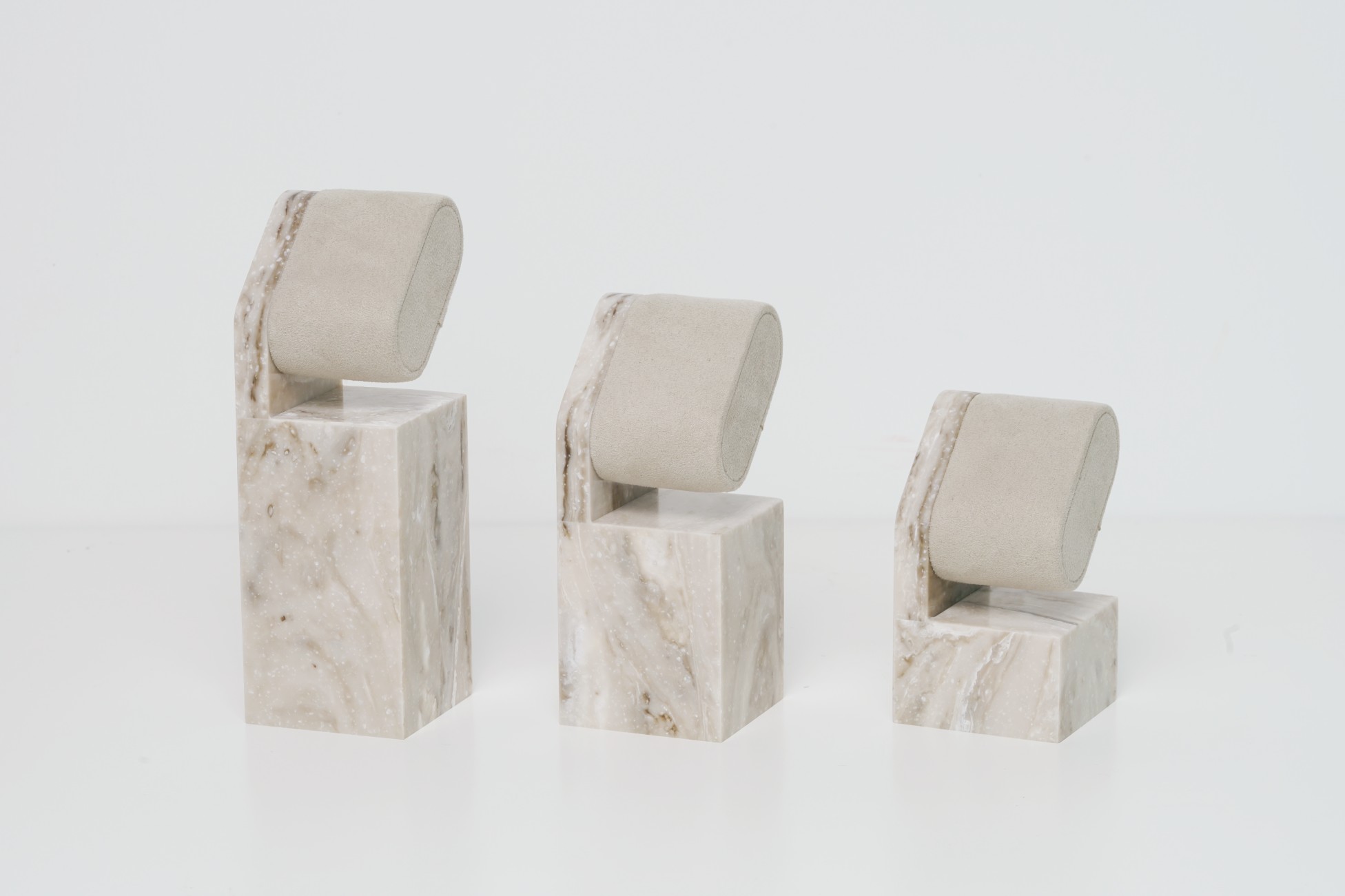

Choosing between a wall-mounted display and a freestanding retail display can determine how effectively your store uses space and engages shoppers.
This choice isn’t just about style—it affects sales flow, SKU visibility, and the ability to adapt to seasonal retail cycles. Store planners, VM directors, and brand managers all face this question when building or refreshing a space. At Samtop Display, we help brands implement smart, modular retail display systems tailored to their store size, campaign pace, and merchandising goals.
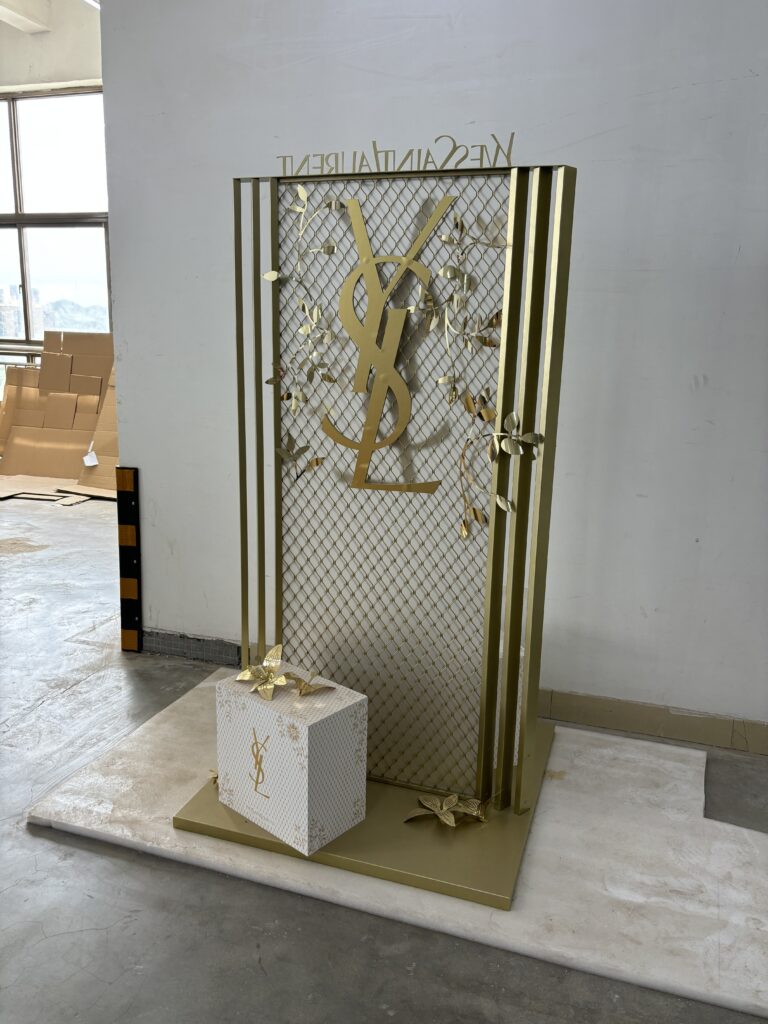
✅ Summary: Wall-Mounted vs. Freestanding Displays
Wall-mounted displays are fixed to the store perimeter, saving space and offering high-density merchandising. They’re ideal for long-term fixtures and brand consistency.
Freestanding displays are self-supporting floor units that offer mobility, zoning flexibility, and seasonal storytelling power. They're central to most modular visual merchandising strategies.
✅ Use wall-mounted fixtures for structure and efficiency
✅ Use freestanding displays for flexibility and campaign expression
📊 Comparison Table
| Feature | Wall-Mounted Display | Freestanding Display |
|---|---|---|
| 📍 Placement | Attached to wall | Anywhere in-store; movable |
| 🧱 Installation | Requires anchors (cleat, bracket) | Self-supporting, no wall needed |
| 📦 SKU Capacity | High-density vertical shelving | Moderate to high; depends on size |
| 🔁 Flexibility | Fixed once installed | High flexibility; reposition as needed |
| 🎯 VM Role | Range merchandising, storage, zoning | Feature storytelling, promotion islands |
| 📐 Size Control | Height & width defined by wall | Fully 360° customizable |
| 💡 Lighting | Shelf LEDs, back panels | Embedded lighting, header halo, under-glow |
| 🧰 Maintenance | Minimal post-install | Requires campaign rotation |
🧱 When to Use Wall-Mounted Displays
Choose wall-mounted systems when:
- You're maximizing space in small-format retail
- You need consistent SKU blocks across multiple stores
- Your display is part of a store build-out or architectural plan
- You're merchandising heavy categories (e.g., electronics, skincare)
- You want low-maintenance, long-term shelf fixtures
📌 Example: Our modular wall display solutions support LED shelf lighting, magnetic headers, and FSC-certified wood finishes.
🛍️ When to Use Freestanding Displays
Freestanding units work best when:
- You’re highlighting hero SKUs or new launches
- You want flexible planogram control by region or season
- You operate pop-ups, events, or travel retail
- Your brand values modular, photo-ready experiences
- You need test & trial setups with easy relocation
📌 See real-world examples on the Samtop Blog for freestanding podiums and VM islands used by luxury brands.
🛠 Engineering Tips for Retail Fixture Design
| Design Element | Wall-Mounted Display | Freestanding Display |
|---|---|---|
| ⚙️ Bracket System | Rail mount, bolt-on cleat, slot system | Steel base frame + weighted plinth |
| 🔌 Cable Routing | Hidden behind wall or track lighting | Inside column; floor socket access |
| 💡 Light Zones | Backlit shelving, edge LEDs | Top halo, under-glow, internal box lighting |
| 🧩 Custom Add-ons | Acrylic trays, lockboxes, signage arms | Tester trays, mirrors, QR cards, digital prop |
📌 Wall systems suit permanent stores. Freestanding units are better for seasonal VM campaigns or mid-cycle refreshes.