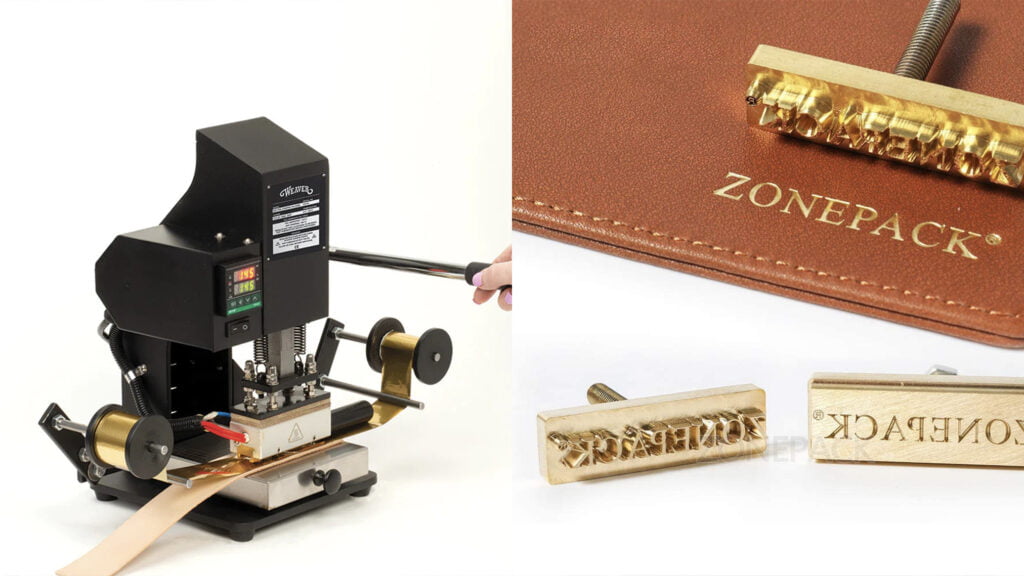

I would like to ask you something, do you know what printing processes are mainly used in the display industry? With this question in mind, we have decided to write an article to clarify them, I hope you like it! In retail design, the brand story, philosophy, promotional information, poster advertising, and product introduction of the store all need to be conveyed to customers through carriers, and different printing techniques are used on different carriers. If you are interested in the retail display industry, you can subscribe to us. We will always update interesting things happening in the industry and more knowledge in production.
1. Digital printing
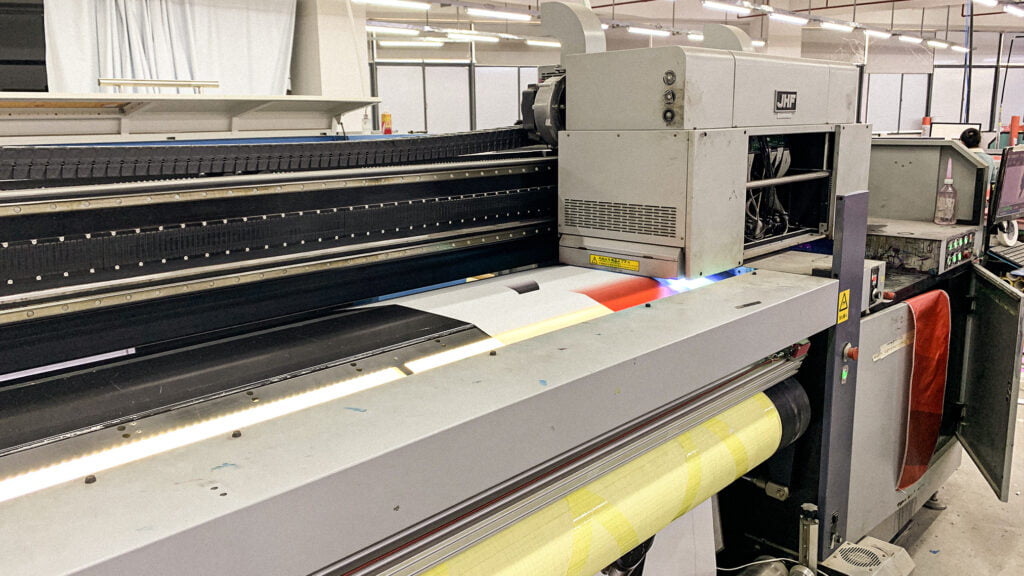
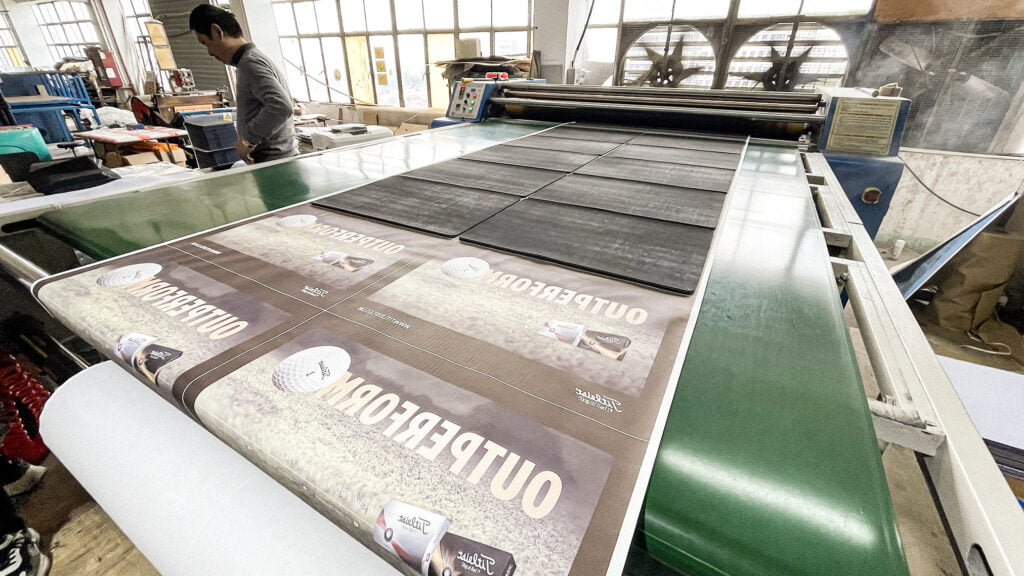
Digital printing includes inkjet and laser printing. It outputs the image directly from the computer to the printer, and precise inkjet with high-speed nozzles sprays ink to the surface of various substrates (rather than penetrating into the substrate). Substrates include paper, photo paper, canvas, glass, metal, marble, and other materials.
The digital printing process has low cost and can print high-quality images in a short time. It is commonly used in the production of display products such as posters, display boards, and signs. Digital printing patterns can also be mounted on the surface of display shelves.
UV printing is the most commonly used in the retail display:
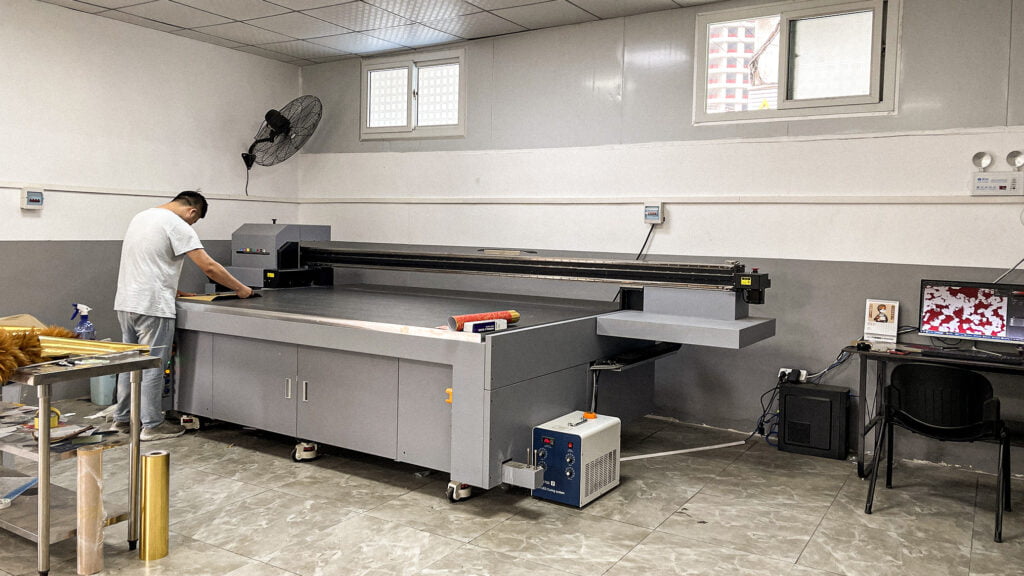
UV printing is a new type of inkjet printing process that uses UV light-cured ink. There are no restrictions on the printed substrate, and the printed pattern is realistic and layered. When we need to make patterns on acrylic, glass, leather, or metal film, we often use this process.
We have tried UV printing on film, and the ink of the pattern will be mottled and fall off. After multiple adjustments, we found that the ink and pre-coating layer were not suitable. After the ink is solidified, the hardness can be divided into soft ink and hard ink. Different inks should be selected according to the substrate. Before UV printing on different substrates, corresponding coatings should be pre-coated to ensure that the ink can firmly adhere to the substrate.
2. Silk screen printing
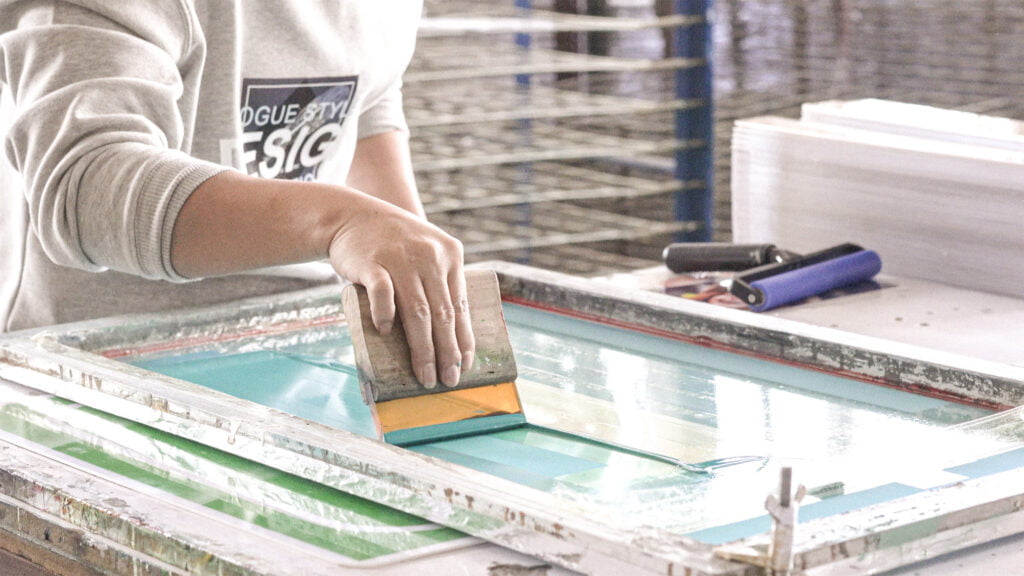
The silk screen printing process is a semi-automatic printing process. The pattern is made into a film and then a screen is exposed, and finally, the ink is layered on the surface of the material with a flat surface through screen printing. It is used to make simple and less colorful patterns. The silk screen printing process has the advantages of high printing quality and strong durability. It is commonly used in the production of display products such as logos, and props.