Most jewelry retailers struggle with the same issues: D […]
How to Transform Your Jewelry Displays With High-Impact Design, Materials & Custom Manufacturing
The best way to transform jewelry displays in 2025 is to combine high-impact visual merchandising design (window storytelling, lighting, layout), premium materials such as metal, acrylic, velvet, and stone, and precise engineering with custom manufacturing. This process improves brand perception, increases product visibility, and can raise in-store conversion by 20–45%.
jewelry display
Most jewelry retailers struggle with the same issues:
Displays look generic
Windows do not capture attention
Lighting is inconsistent
Props do not reflect the brand’s luxury feel
Engineering quality varies between suppliers
Timelines slip because factories cannot handle complex materials
When your display fails, your product loses value instantly. Jewelry is a high-margin, high-emotion category — yet without professional VM, even a $10,000 piece can look ordinary. Poor displays also lower customer dwell time, reduce perceived craftsmanship, and weaken brand equity.
This guide explains the complete system used by luxury brands, VM agencies, and global retailers to build world-class jewelry displays — from concept to production. You will learn:
How to design winning jewelry displays
How to select premium materials
How to engineer displays that last
How top brands structure VM projects
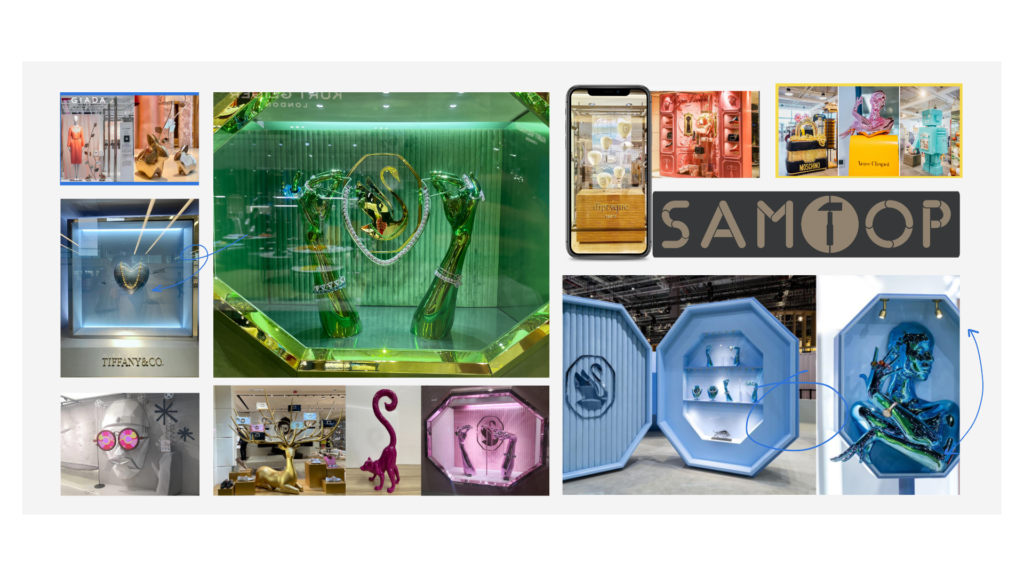
How Samtop builds custom POP / VM displays using mixed materials
1. Why Jewelry Visual Merchandising Matters
Jewelry is one of the few product categories where visual presentation directly affects the perceived value.
According to the National Retail Federation, 60–65% of buying decisions are influenced by visual merchandising design. McKinsey’s retail research shows that premium VM increases shopper dwell time by 30%, lifting conversion significantly.
Jewelry shoppers rely on:
Sparkle (lighting)
Craftsmanship (close-up visibility)
Luxury atmosphere (materials & theme)
Storytelling (window display narrative)
This means display = sales performance. Without strong VM, even high-quality jewelry cannot communicate its value.
Characteristics: Lightweight, durable, and easy to shape for custom designs.
2. The 5D Jewelry Visual Merchandising Framework
This framework is based on Samtop’s 25 years of global VM manufacturing experience.
1) Discover — Brand DNA & Collection Insight
Target audience
Price point
Season & campaign message
Color & material direction
2) Design — Visual & Structural Concepting
Includes:
Window storytelling
In-store display layouts
Materials & finishes
Structural engineering
Prototyping approach
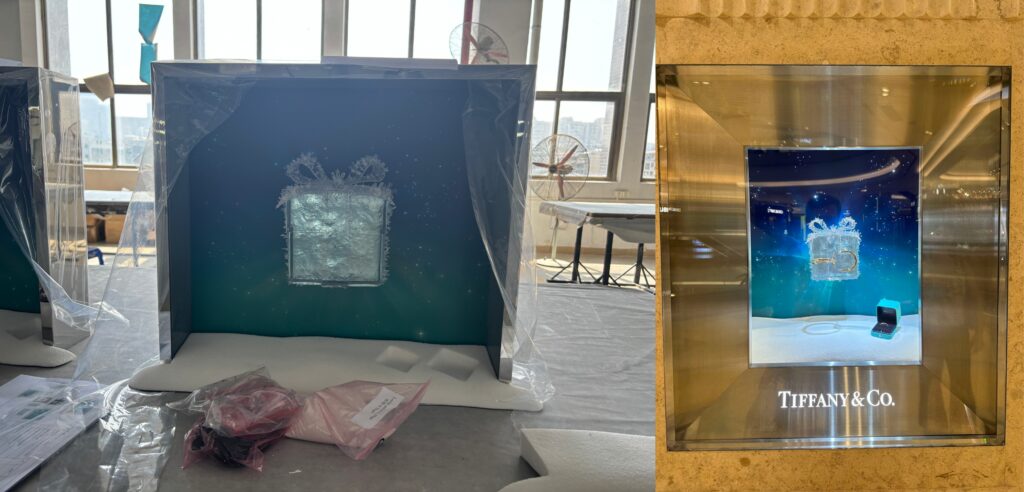
3) Develop — Engineering & Prototyping
Samtop’s mixed-material engineering:
Metal fabrication
Acrylic shaping
Wood carpentry
Stone integration
Fiberglass & resin sculpting
LED / electronic integration
4) Deploy — Manufacturing & QC
SA8000
FSC wood
ISO9001 quality systems
ISO14001 environment control
Drop-test, weight test, finish test
5) Deliver — Logistics & In-Store Execution
Global shipping
Drop shipping
Assembly guides
Replacement parts
After-sales support
This framework ensures consistent, luxury-grade results — every time.
3. Window Display Strategies for Jewelry Brands
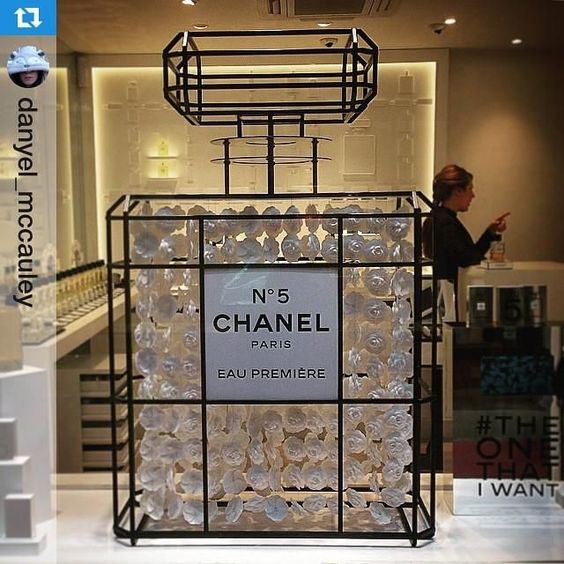
Window displays are your highest-ROI VM space. It is the only location where you can turn passersby into visitors — in 3 seconds.
Core Principles
VM Principle
What It Means
Jewelry Example
Storytelling
A clear theme
Valentine’s Day “Love & Light” window
Contrast
Light vs dark / big vs small
Black velvet + gold accents
Rhythm
Repeated shapes for flow
Circular props for pearl collections
Focus Points
1–3 hero SKUs only
Highlight diamond solitaires
Brand Codes
Shape / pattern / color
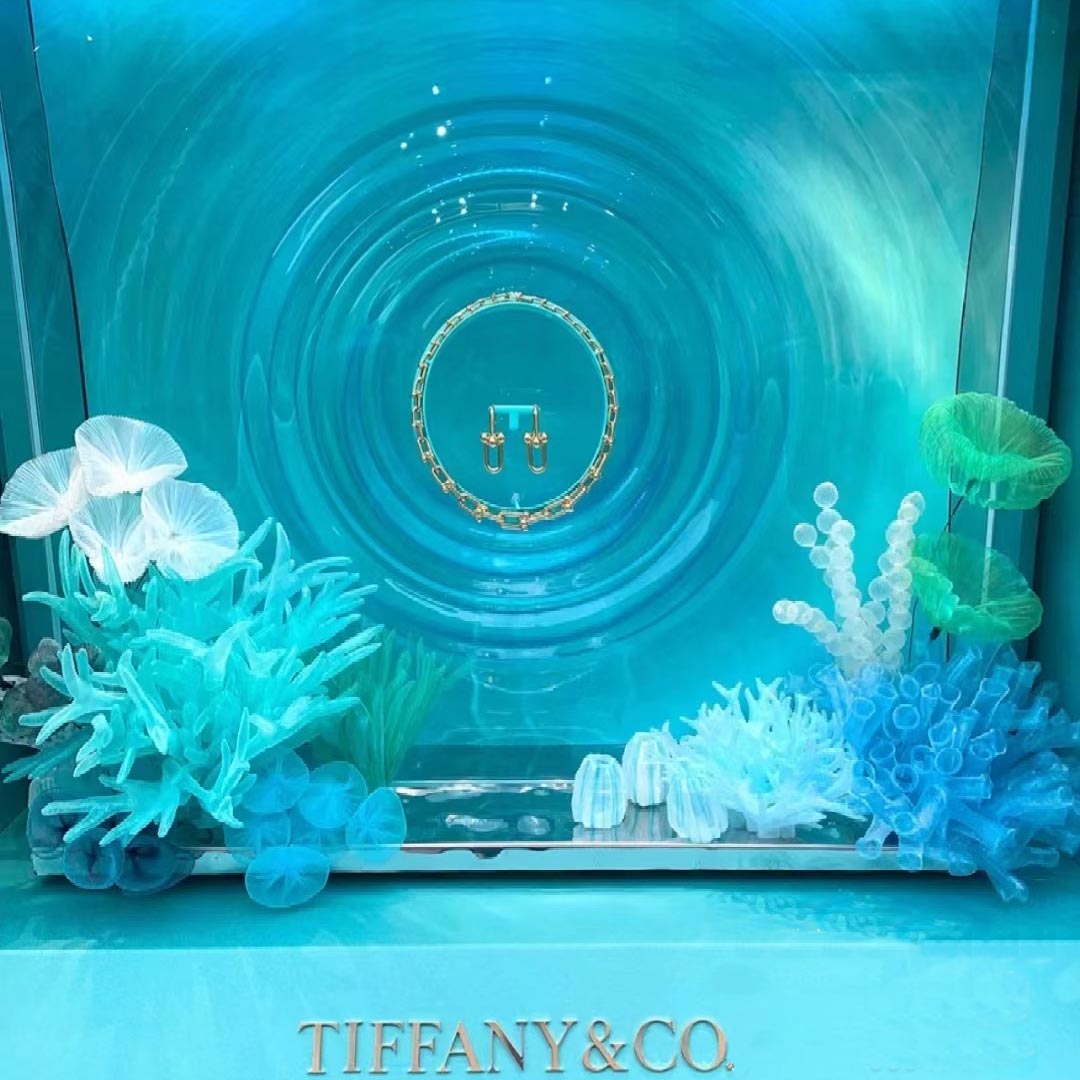
Tiffany blue / VCA clover motifs
Winning Window Themes
Seasonal (Christmas, Valentine’s Day)
Material-driven (Gold, Diamonds, Pearls)
Craftsmanship stories
Minimalist luxury (stone + metal)
When paired with the right lighting and materials, windows become your silent salesperson.
4. Lighting Strategy: The Secret Weapon of Jewelry Displays
Lighting accounts for 70% of jewelry attractiveness.
Best Lighting Practices
Jewelry Type
Best Lighting Temperature
Why
Diamonds
5000–6500K (cool white)
Maximizes sparkle + refraction
Gold
2700–3500K (warm white)
Enhances richness
Silver
4000–4500K
Balances shine
Colored Gems
Varies
Matching hue improves saturation
Technical Recommendations
Use CRI 90+ LEDs (accurate color rendering)
Avoid glare → use diffusers / honeycomb grids
Use spot + ambient + backlight combination
Add hidden LED strip to highlight contours
5. Materials That Define Luxury Jewelry Displays
Samtop is one of the few global manufacturers capable of integrating all major materials in one project. Below is the full professional breakdown:
Transform your retail space with custom POP displays, window decorations, and luxury merchandising solutions. Get expert consultation and premium manufacturing services.
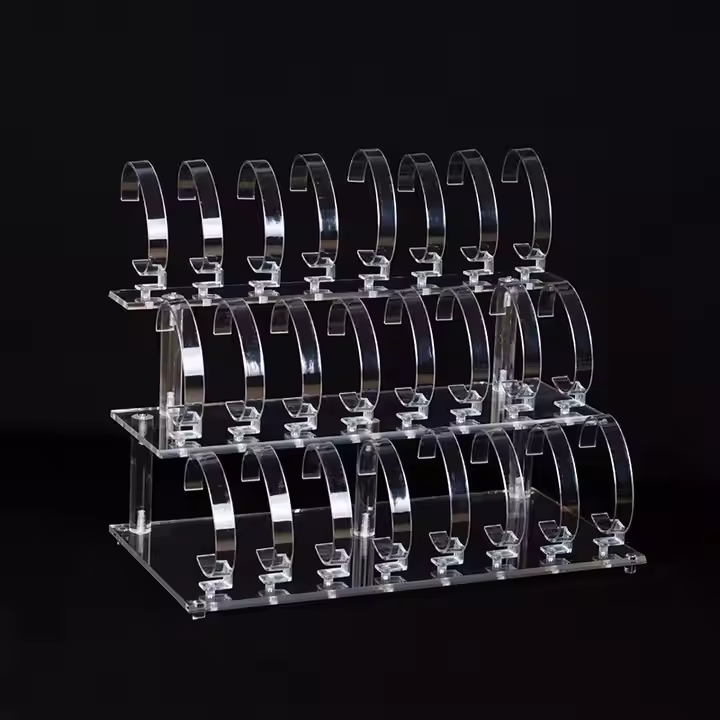
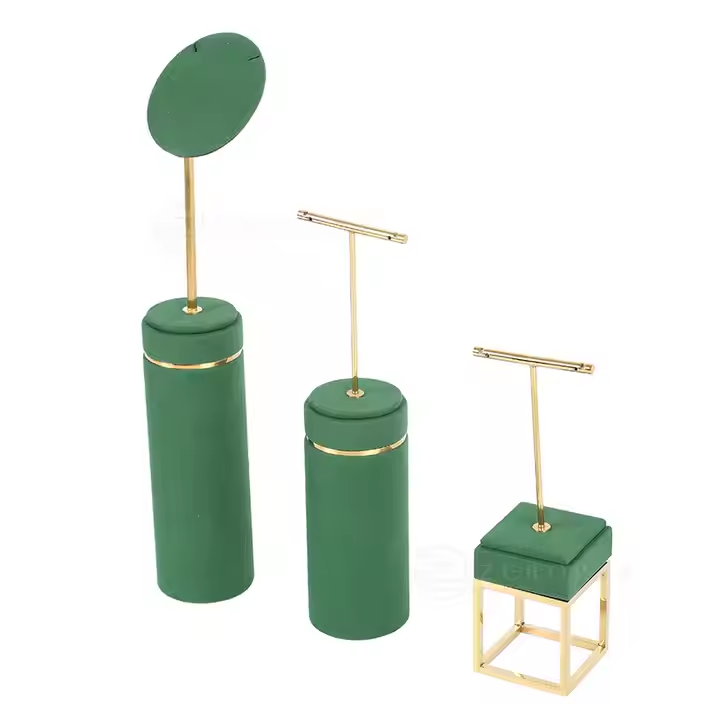
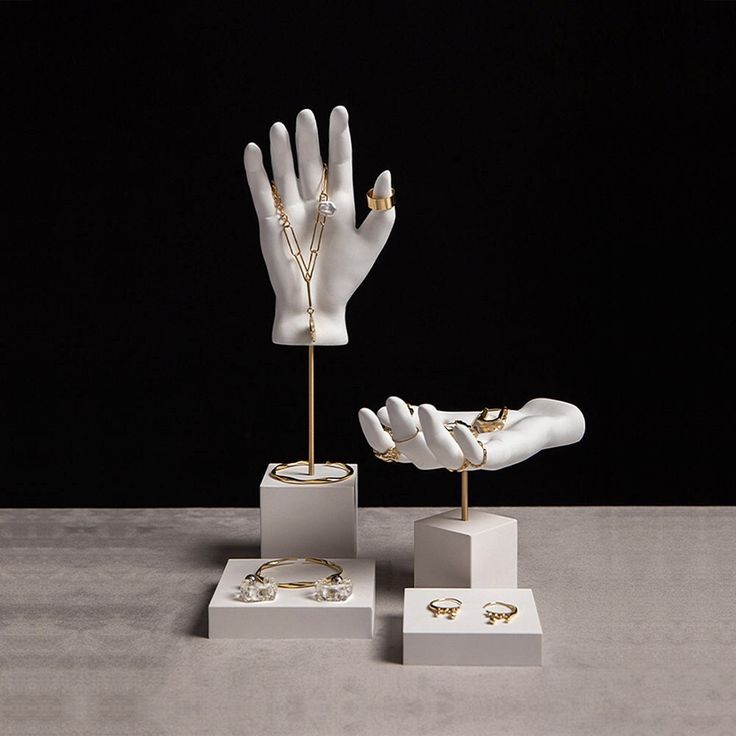
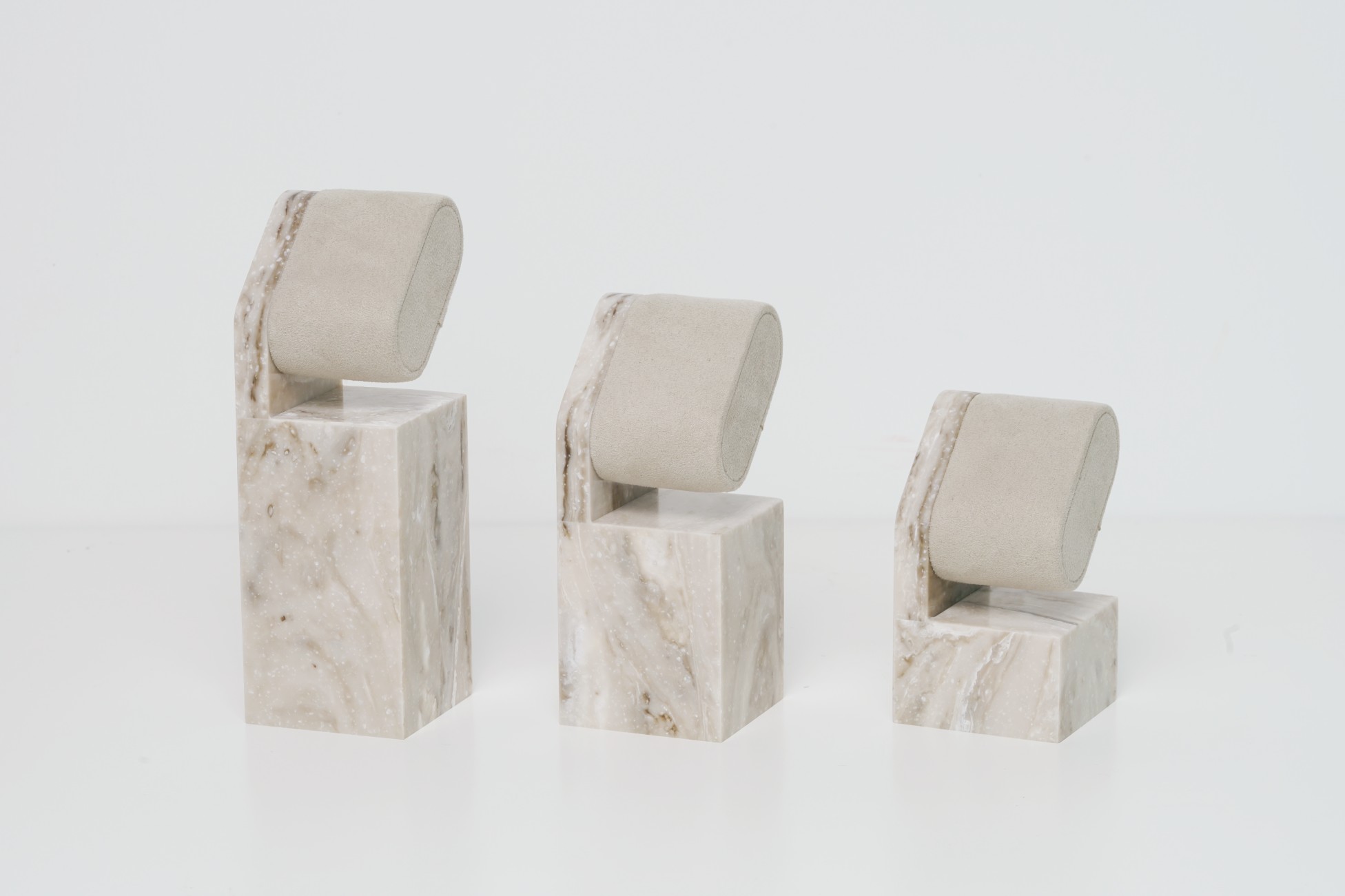
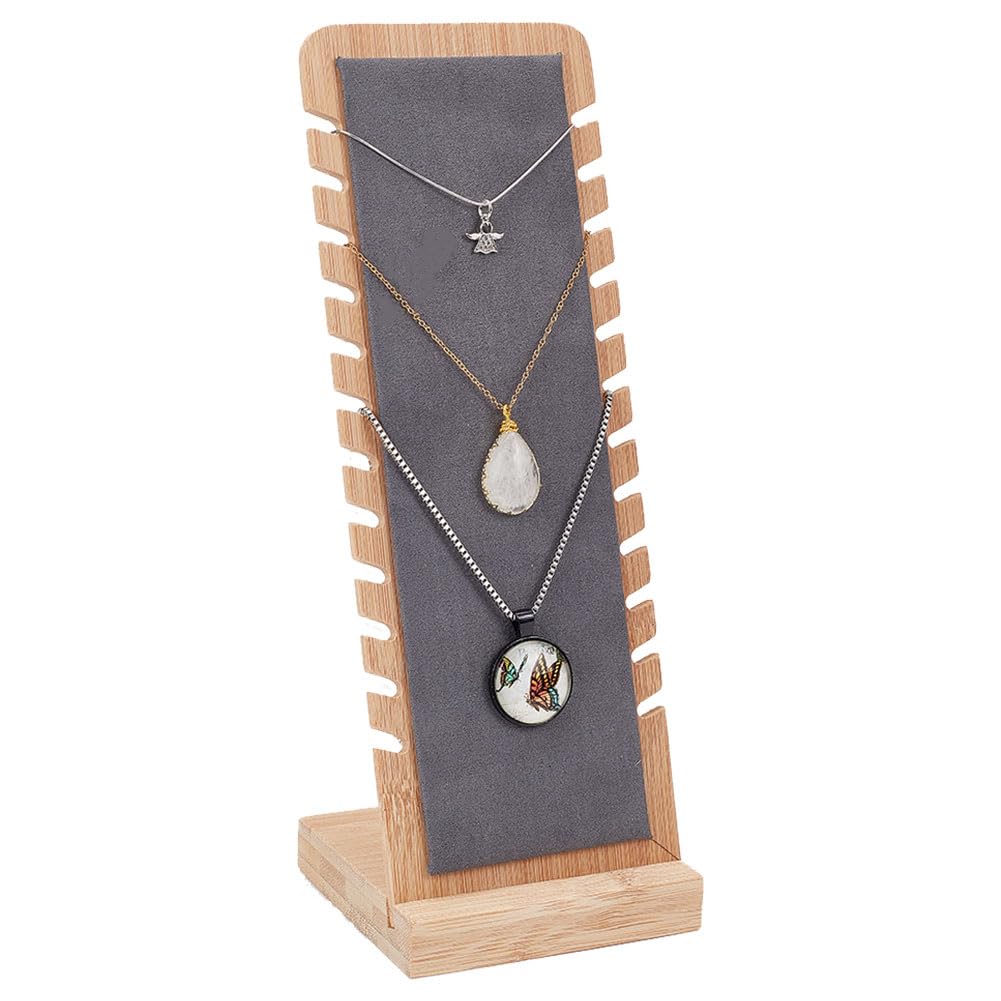
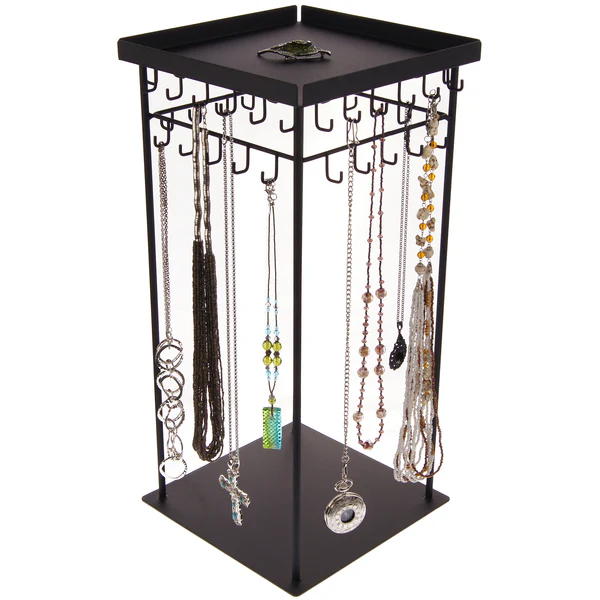
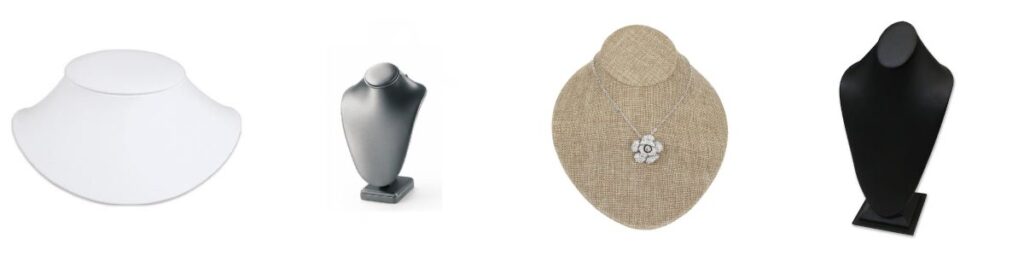
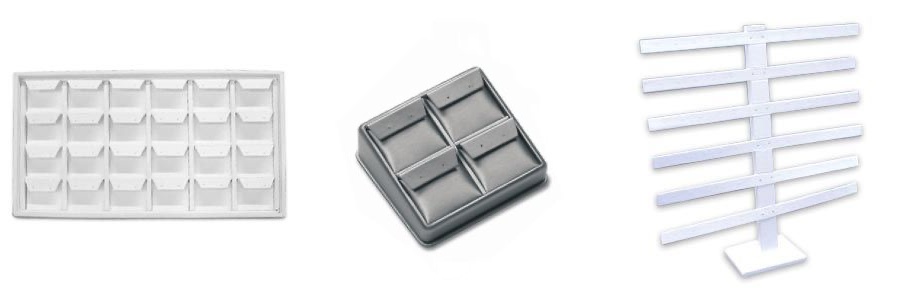
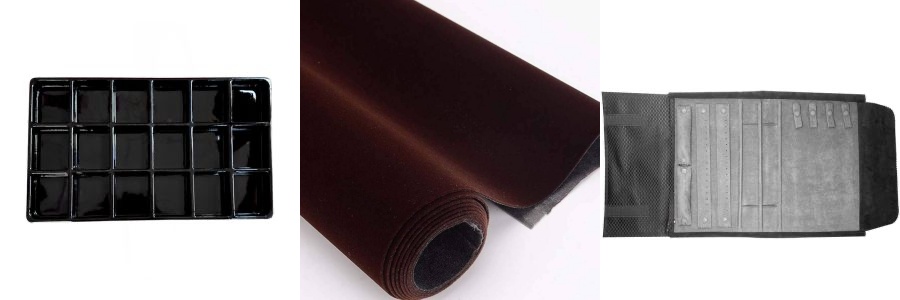
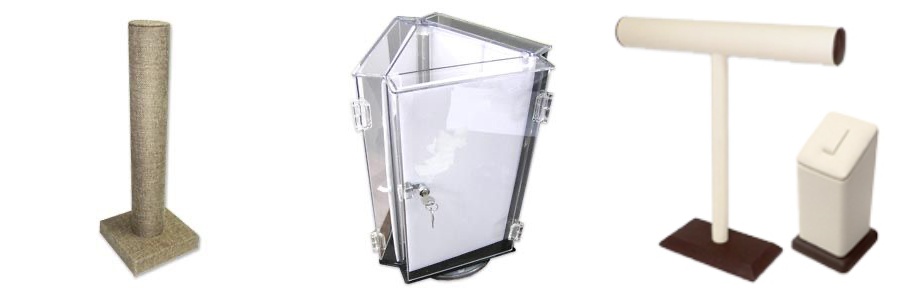
Jewelry display stands come in a variety of forms, from T-bars for bracelets to busts for necklaces. Each type serves a specific purpose, creating an attractive layout.
(1) Tabletop and Showcase Display Techniques
1. Tabletop Displays: Capturing the Prime Position
Tabletop displays are positioned at eye level, making them the focal point for customer attention.
Layered Design: Use stands of varying heights to create visual depth. For example, tall stands for necklaces and shorter ones for rings.
Background Props: Add decorative elements like pearls paired with antique mirrors or diamond rings displayed on dark velvet to enhance product uniqueness.
Feature Key Products: Highlight new collections, seasonal themes, or high-margin items in prominent areas.
table display
2. Showcases: Combining Security with Luxury
Showcases are the perfect companion for high-end jewelry, offering both protection and a luxurious feel.
Simple Layout: Avoid overcrowding; maintain ample negative space for an elegant look.
Integrated Lighting: Built-in LED lights illuminate each piece while minimizing shadows and glare.
Informative Labels: Include tasteful tags detailing the design inspiration and material features of the jewelry.
protection
(2) Wall-mounted and Vertical Displays for Space Optimization
1. Wall-Mounted Displays
Wall-mounted displays make full use of wall space and are particularly suitable for lightweight jewelry like earrings or bracelets.
Floating Shelves: Modern and minimalist, ideal for contemporary jewelry designs.
Thematic Zones: Create themed sections like a “Wall of Love” for Valentine’s Day, featuring heart-shaped pendants and pearl earrings.
2. Vertical Display Stands
Vertical displays are a great solution for small stores looking to optimize space.
Organized Layouts: Group items by color, material, or collection for easy browsing.
Dynamic Features: Include rotating stands to engage customers and encourage them to linger.
Version 1.0.0
(3) The Functionality and Appeal of Rotating Displays
Rotating displays strike a balance between aesthetics and practicality, especially for high-turnover items like rings or bracelets.
360-Degree View: Customers can admire jewelry from all angles without moving.
Compact Design: Takes up minimal space, ideal for checkout counters or aisles.
Interactive Features: Add mirrors and lights to facilitate trial and enhance purchase intent.
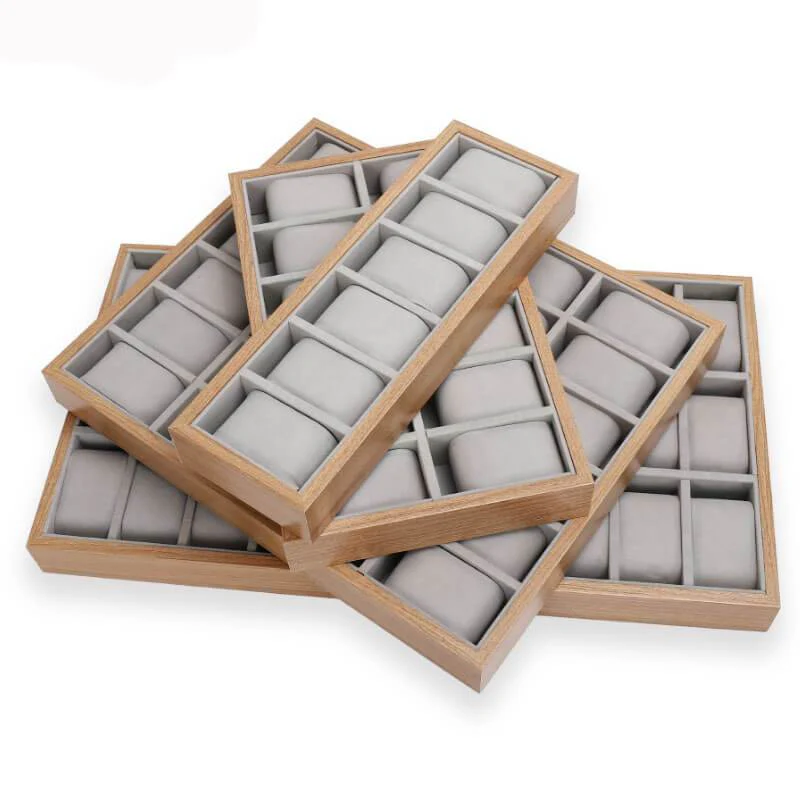
(4) Tray Displays and Minimalist Layouts
Categorized Products: Organize necklaces, earrings, and rings systematically.
Enhance Visual Tidiness: Neat arrangements make it easier for customers to browse.
Hi, I’m Bob, the funder of SamTop.com, Our company makes visual merchandising props, retail display stands and window display decoration for many years now, and the purpose of this article is to share with you the knowledge related to retail displays from a Chinese supplier’s perspective.