

Your perfume display counter may look perfect in a 3D rendering but it can still run into trouble once it reaches the factory floor. The stone veining does not line up at the panel joins. The gold metal trim shows a slightly different tone under spotlights than it did on screen. A length of cable is visible behind the shelf. The cabinet door starts sagging after a few weeks of daily use. None of these problems come from a bad design. They come from production decisions that were made too late, or by a factory that does not fully understand what luxury retail standards require once the counter is actually installed on a shop floor.
A custom perfume display counter reads as luxury when six production details are controlled before fabrication begins: material selection and panel alignment, metal finish consistency, lighting quality, hidden wiring, commercial-grade cabinet hardware, and a pre-assembly check. These are the details that decide whether the finished counter matches the brand rendering, passes mall inspection, and holds up to daily retail use.
This article uses a real fragrance counter project as a working example to walk through how each of these details is reviewed and controlled before a luxury fragrance counter reaches a real retail environment.
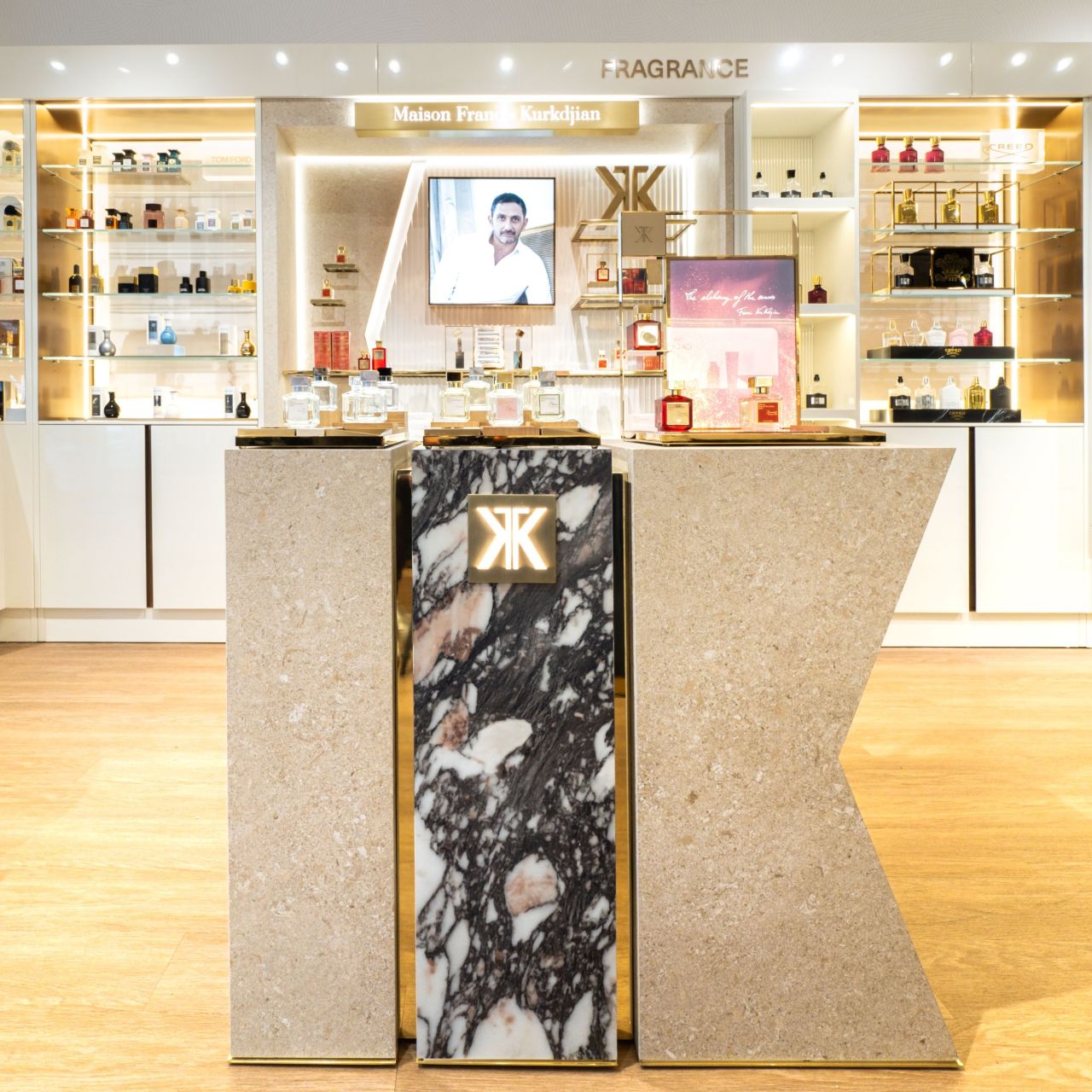
Why Luxury Perfume Display Counters Are Difficult to Produce
A custom perfume display counter is not ordinary retail furniture. A single unit usually combines stone or stone-look panels, plated or brushed metal trim, an illuminated logo, recessed LED shelf lighting, an internal electrical system, and cabinet storage with commercial-grade hardware. Each material behaves differently under factory conditions, and luxury brands are unusually strict about how these materials are expected to look once installed. Shopping malls add another layer of difficulty: most run fire safety and electrical inspections before a counter is allowed to open, so wiring and driver placement are not just a finishing detail, they are a condition of opening on schedule. A single weak point, an uneven panel join or a visible cable, is enough to make your otherwise well-designed counter look less than luxury.
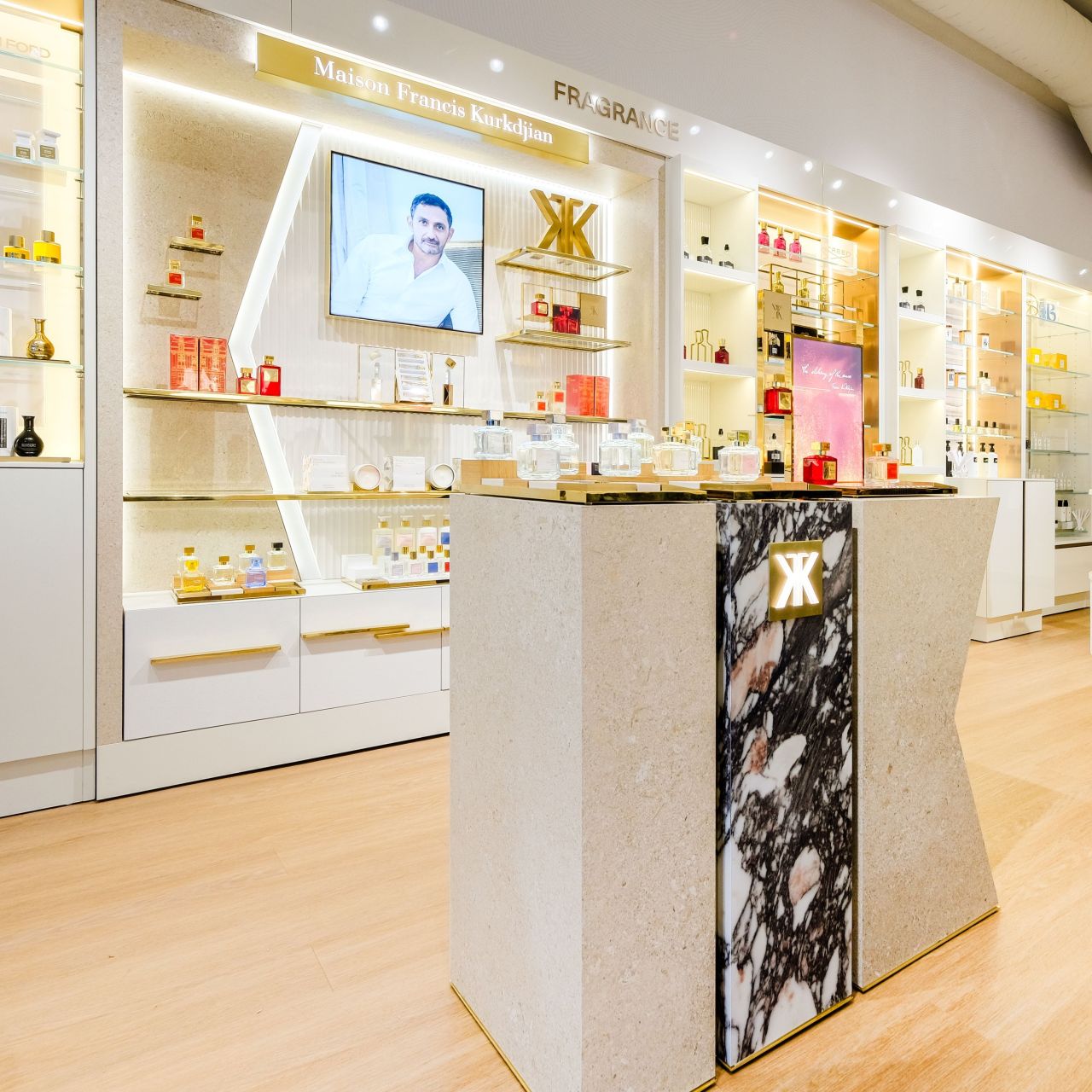
The Gap Between a 3D Rendering and Real Production
Your rendering is a useful starting point, but it will not show you several things that matter once a counter goes into fabrication:
| In the 3D Rendering | Risk in Real Production | What Gets Controlled Before Fabrication |
| Marble texture | Veining does not align at panel corners | Panel cutting and dry-fit layout |
| Gold trim | Color shifts under retail spotlights | Approved finish sample checked before plating |
| LED logo | Uneven brightness or flickering | Driver position, ventilation, color temperature |
| Storage cabinet | Door sagging after daily use | Commercial-grade hinges and test fitting |
| Wiring | Visible cable or failed inspection | Hidden cable channels built into the frame |
Closing this gap is what separates a basic workshop from a custom perfume display counter manufacturer that actually manages production risk.
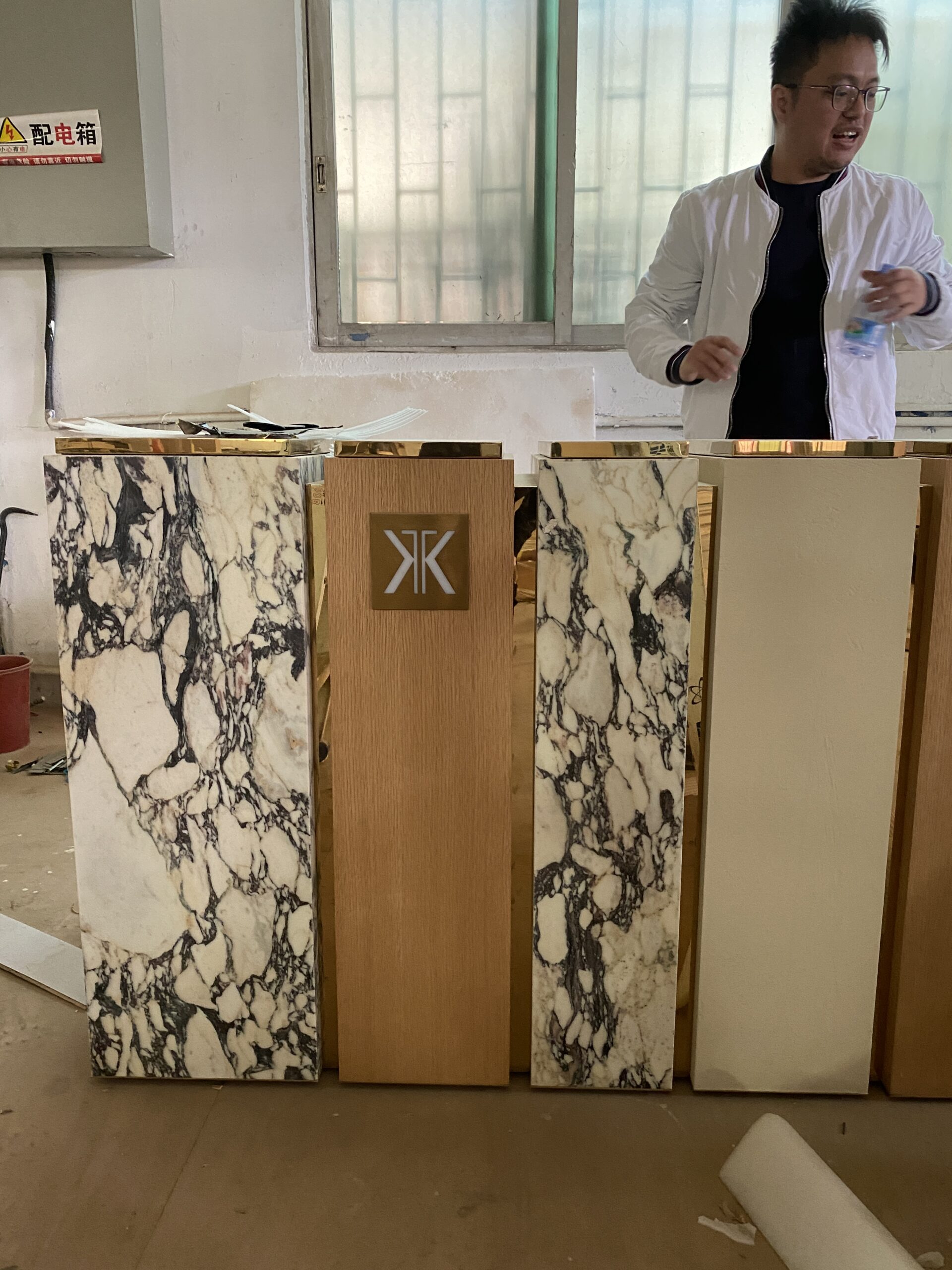
Material Choice for a Custom Perfume Display Counter: Engineered Stone vs. Natural Marble
If your brand has specified natural marble, you are getting a premium texture, but you are also taking on extra weight, a higher risk of cracking in transit, and the difficulty of aligning panels that never vein the same way twice. For most retail counters, engineered stone panels that replicate a marble pattern, such as Calacatta veining, offer more predictable results: consistent veining across panels, lower weight, and lower risk of cracking during shipping and installation. The trade-off is that engineered panels must be high quality to avoid looking artificial, and every panel still needs to be checked for vein alignment before assembly. Natural marble remains the right choice for projects where brand standards call for it specifically and the budget and timeline allow for the additional handling it requires.
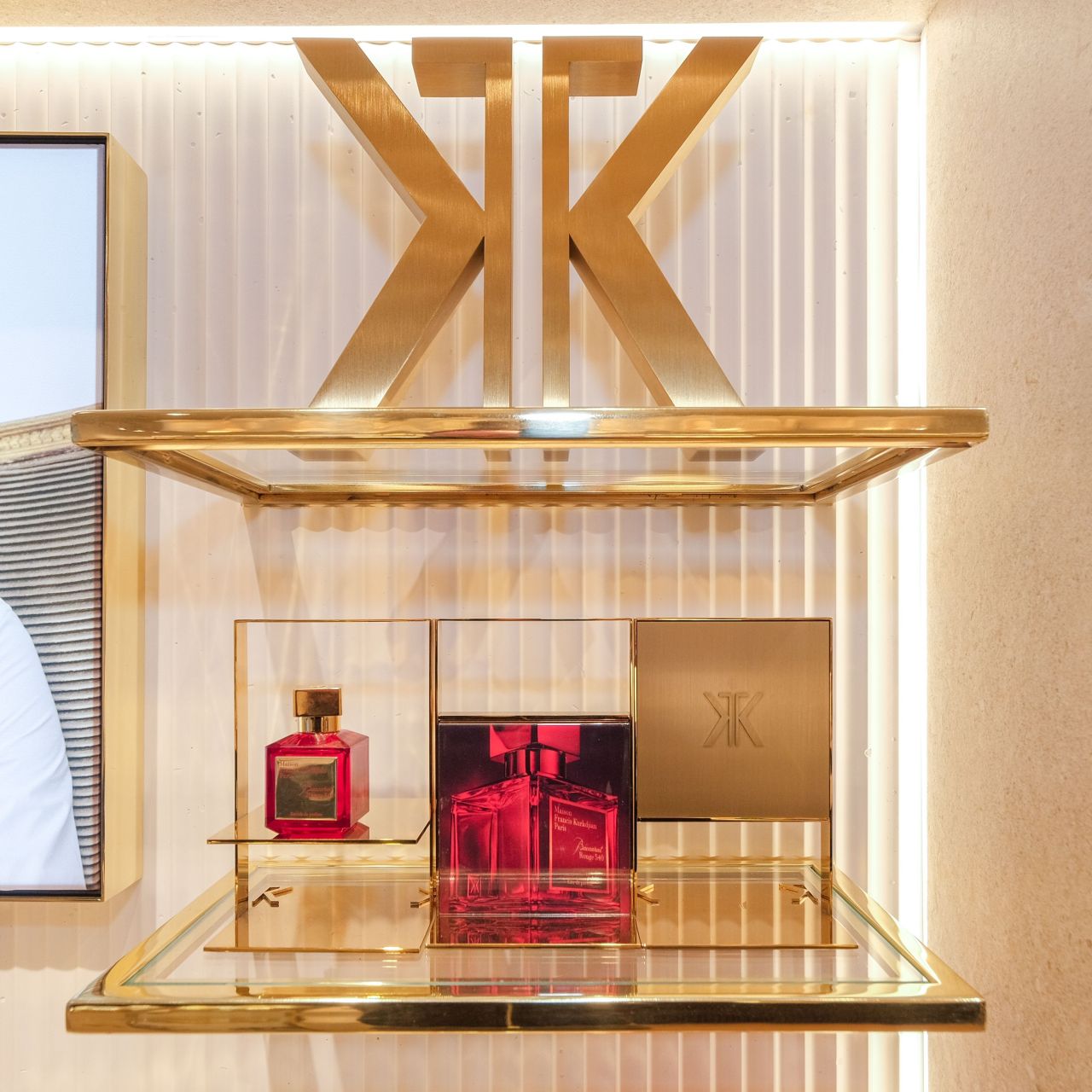
Metal Finish: Why Brushed Gold Trim Must Be Controlled Under Retail Lighting
If your counter specifies gold or champagne-gold trim, you are choosing one of the most common finishes on luxury fragrance counters, and also one of the easiest to get wrong. Under the strong directional spotlights used in department stores, raw weld seams, fingerprints, and uneven plating become visible in a way they never were in a rendering or under factory lighting.
Before mass production, the supplier should confirm:
- one approved gold finish sample
- surface treatment method: brushed, plated, PVD, or painted
- acceptable color tolerance
- inspection under retail-equivalent lighting
- a protection method for the finish during packing and installation
For projects rolling out across multiple stores, every batch should be checked against the same approved sample, so units installed months apart still look identical side by side.
Hidden Wiring and Driver Ventilation
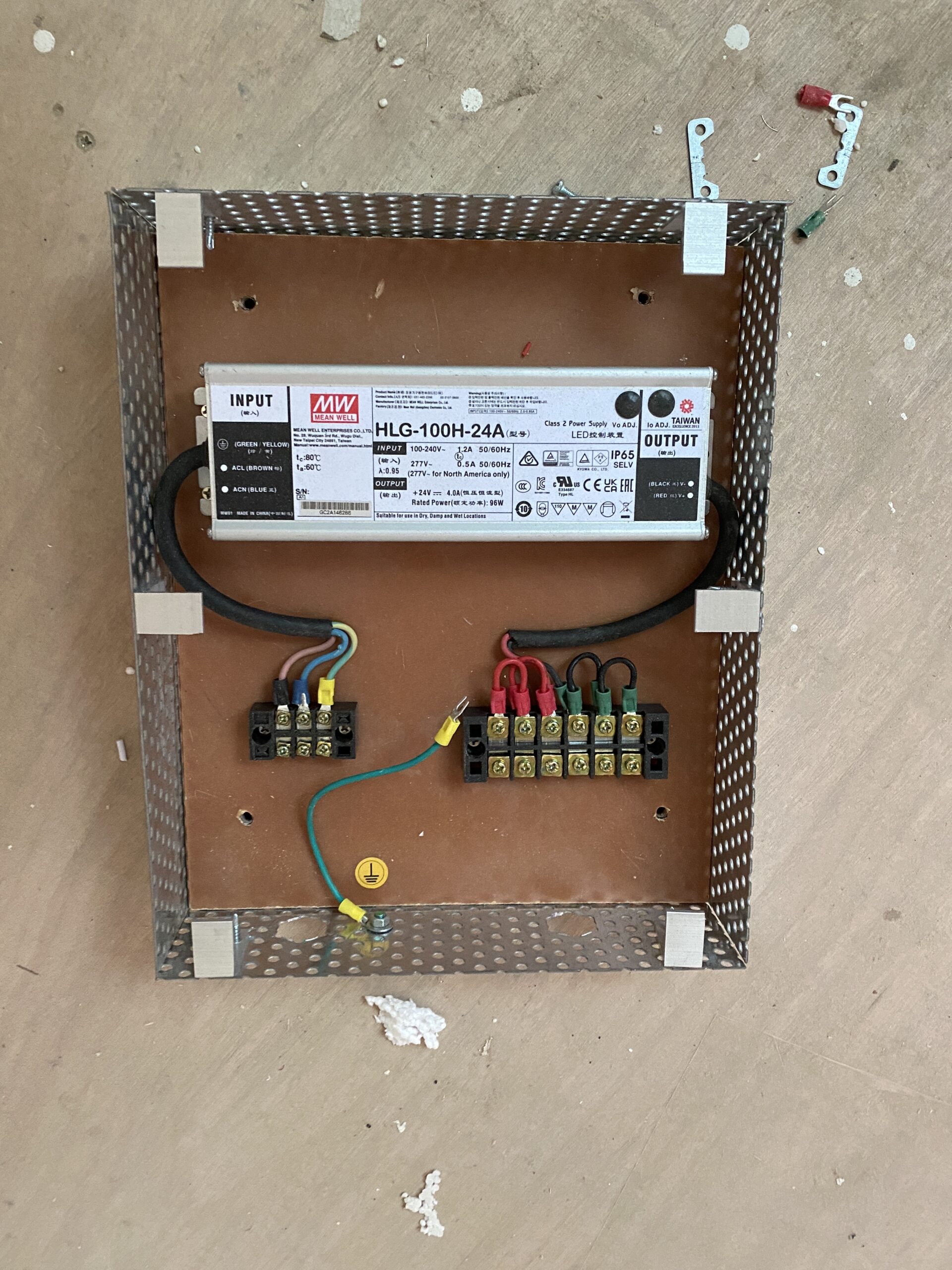
Visible cabling is one of the fastest ways to make your high-end counter look unfinished, and in many malls it will also fail inspection, not just look careless. Controlling this starts at the structural design stage: internal cable channels and a dedicated wiring slot are built into the frame before any panel is attached, so the cabling has a planned route rather than being fed through wherever there happens to be space afterward. The LED driver itself also needs attention. A driver enclosed without airflow will run hot, and heat buildup is one of the most common reasons LED lighting starts flickering or failing within the first few months of use. Housing the driver in a ventilated metal enclosure, with cabling kept inside the structure rather than visible at the counter surface, addresses both problems at once.
Commercial-Grade Cabinet Hardware
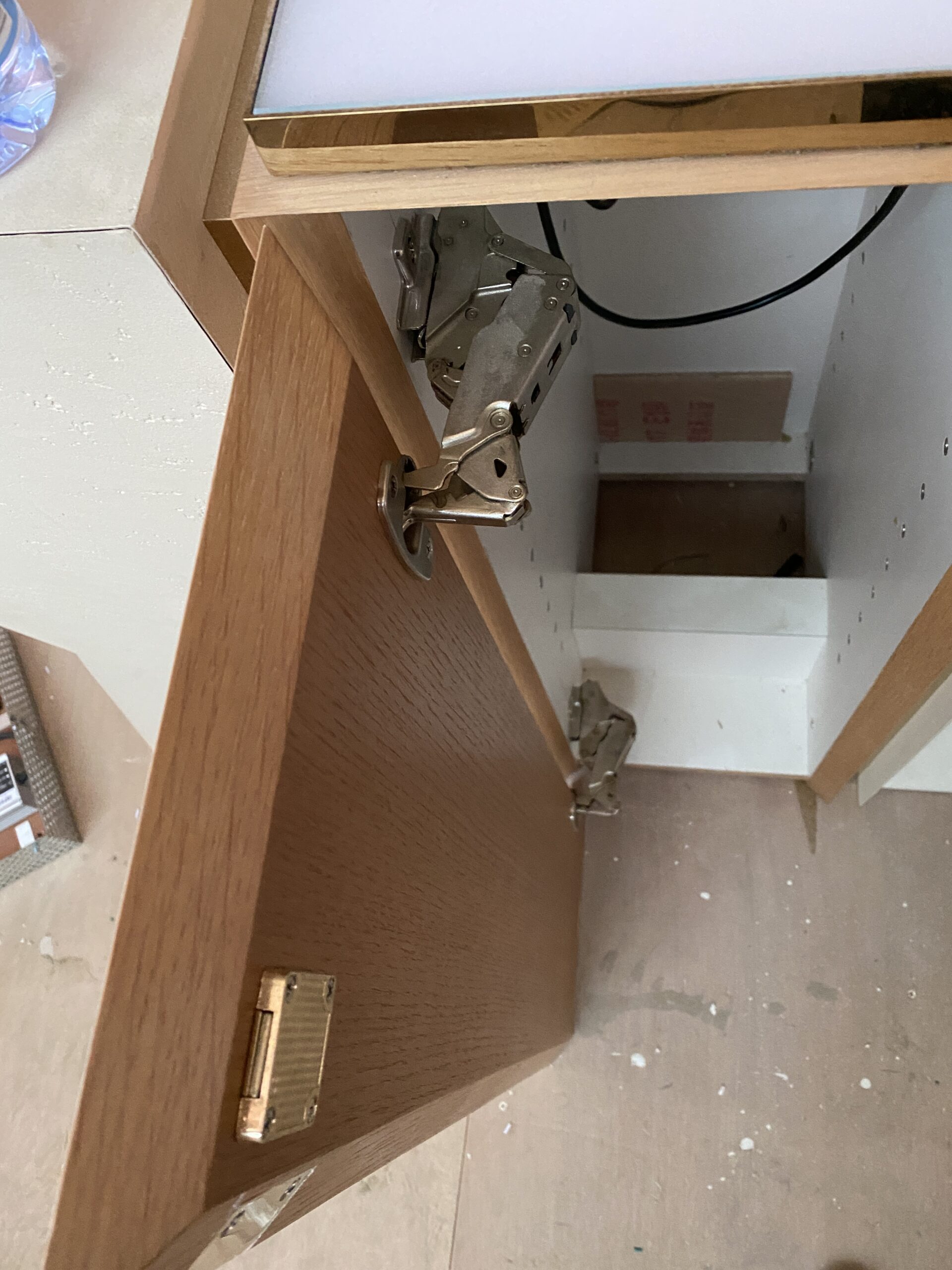
Your retail staff will open and close the counter’s storage cabinets many times during a single working day, far more than residential hardware is built to withstand. Standard hinges sag and doors fall out of alignment within weeks, which creates a daily frustration for staff and looks unprofessional to customers browsing nearby. Industrial-grade, wide-angle hinges and magnetic touch openers are built for this level of repeated use, keeping doors aligned and operating smoothly well beyond the point where standard hardware would have failed.
Why Pre-Assembly Is the Final Risk Control Before Shipping
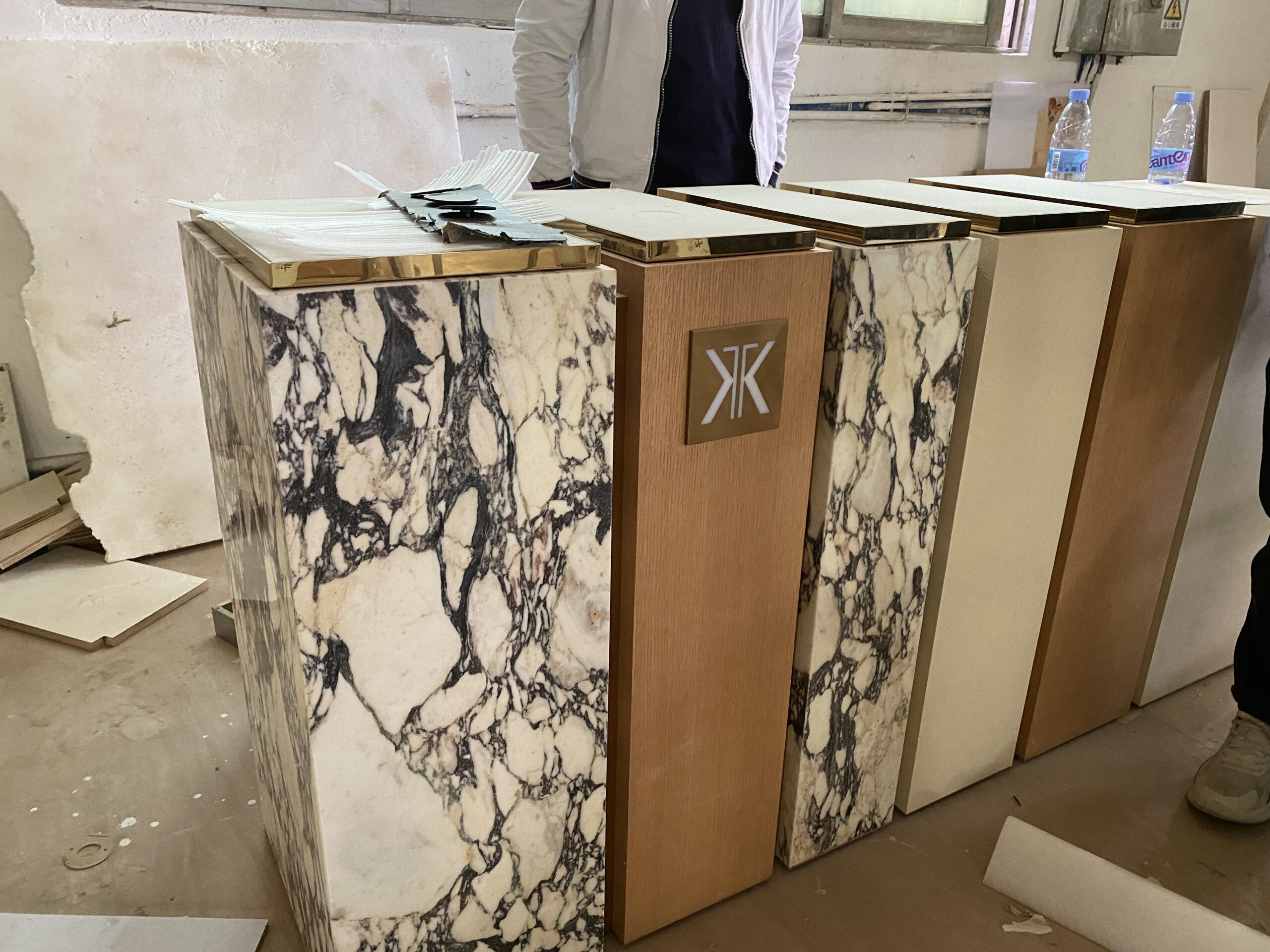
Pre-assembly means building the full counter in the workshop before it is broken down and packed for shipping. This is the step that catches problems while they are still cheap and fast to fix: stone veining that does not align at a join, an LED logo with an uneven glow, a cabinet door gap that is slightly off, or a packing sequence that does not match the planned installation order. Skipping this step does not remove these risks, it simply moves them to the retail floor, where a misaligned panel or a flickering logo is far more expensive and far more visible to discover.
What to Prepare Before Requesting a Custom Perfume Display Counter Quote
Before you contact a manufacturer for your custom perfume display counter, it helps to have your core project information ready: 3D renderings or technical drawings, store or counter dimensions, material and finish references, logo artwork, lighting requirements, target quantity, delivery location, and your planned installation date. The earlier a manufacturer can review these against real production constraints, the fewer surprises come up once fabrication is underway.