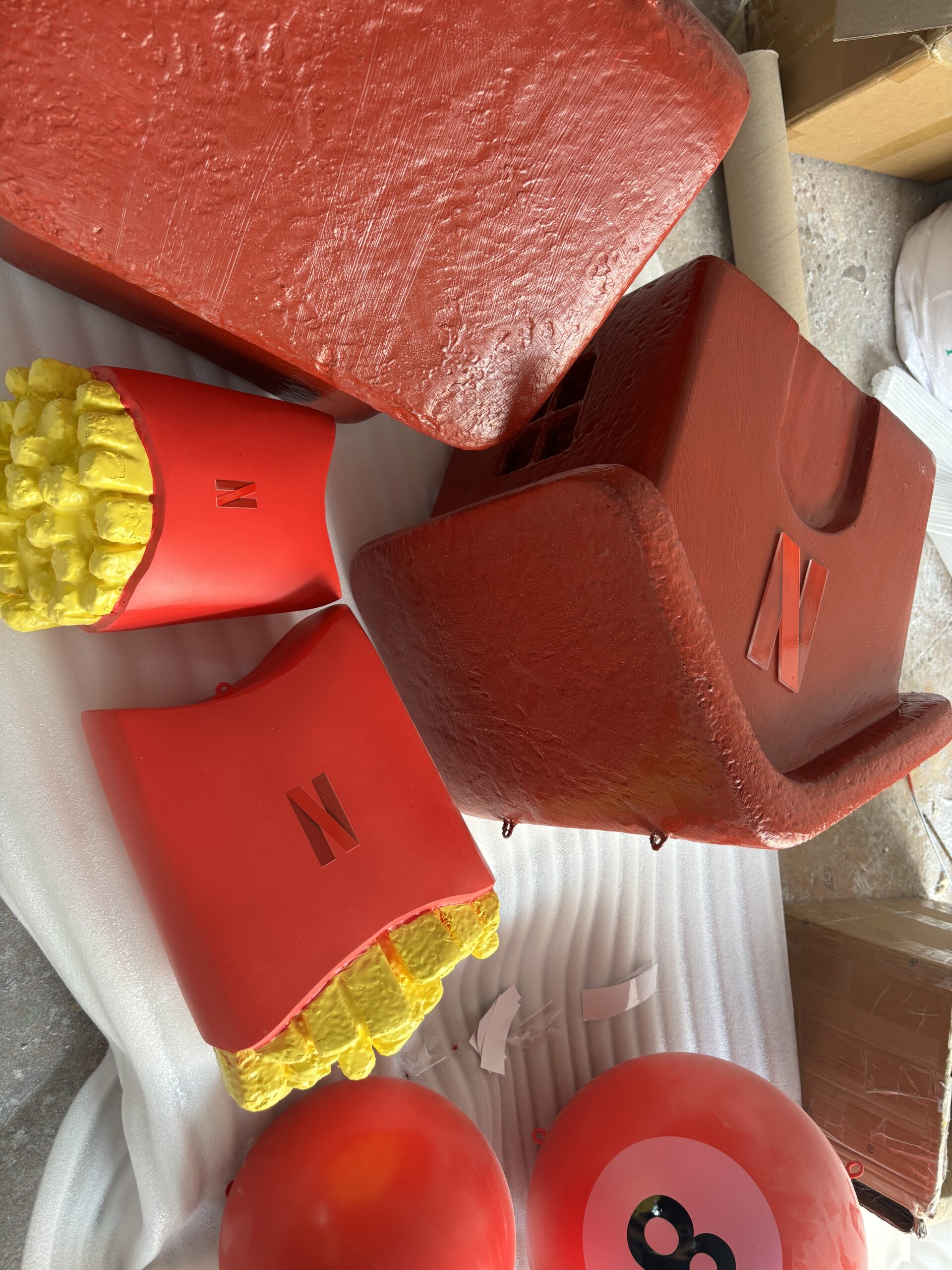

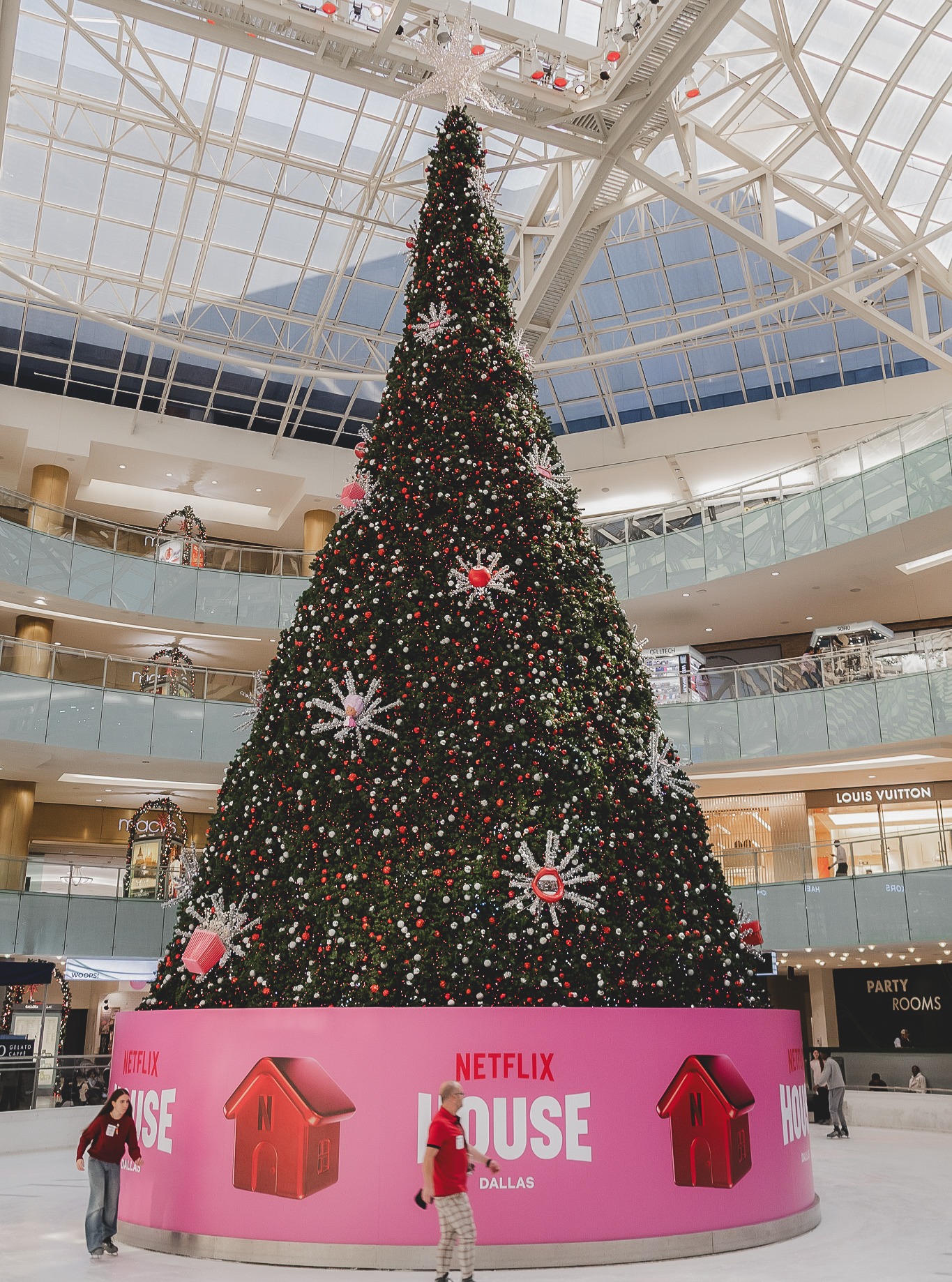
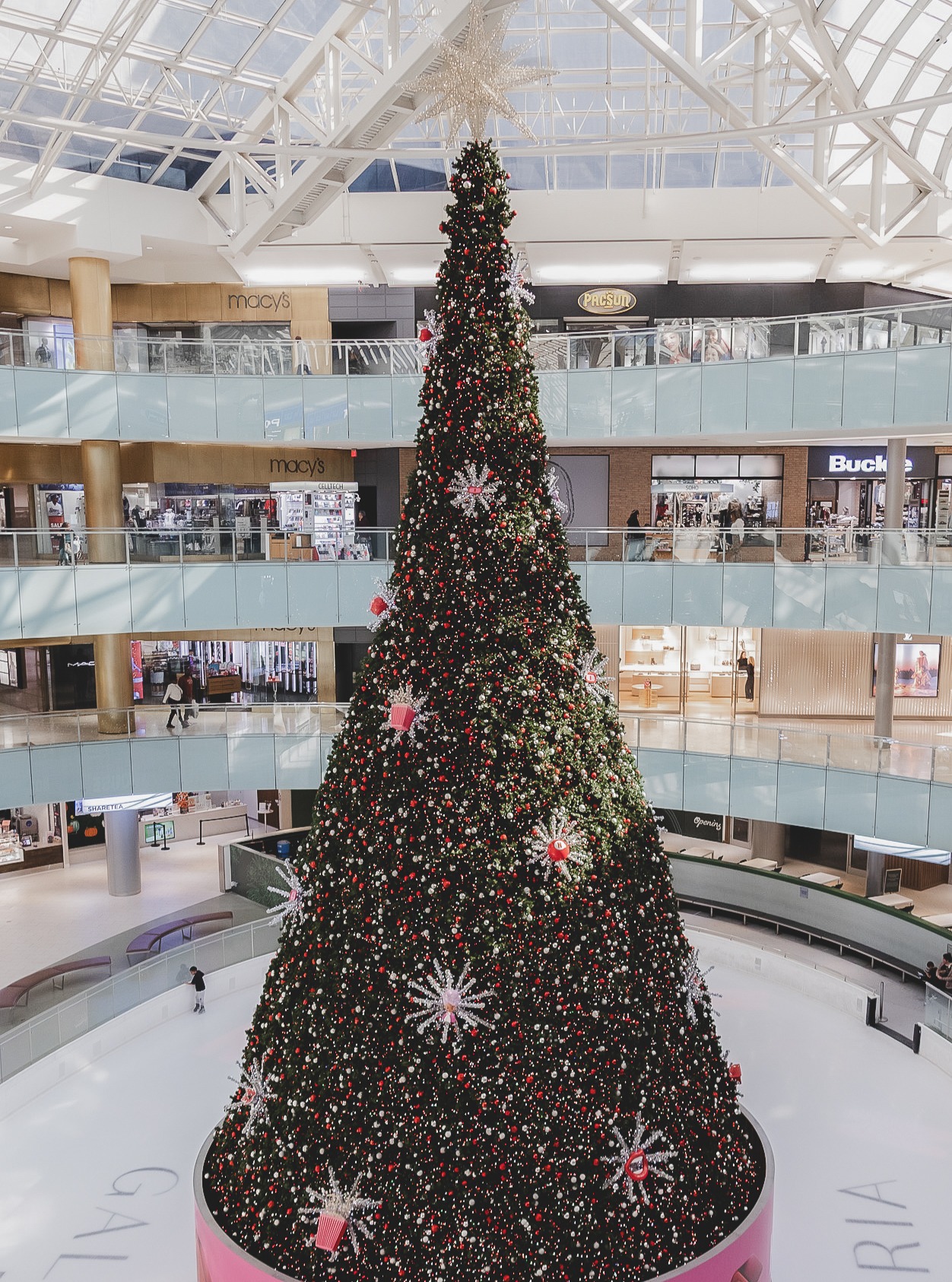
When international brands plan seasonal marketing, executing flawless holiday retail displays like a 95ft Christmas tree inside a shopping mall is not just a decoration project. The real challenge starts when hundreds of oversized props need to stay lightweight, pass through standard mall service corridors, assemble quickly during a short overnight window, and still match the brand’s color standard under bright retail lighting.
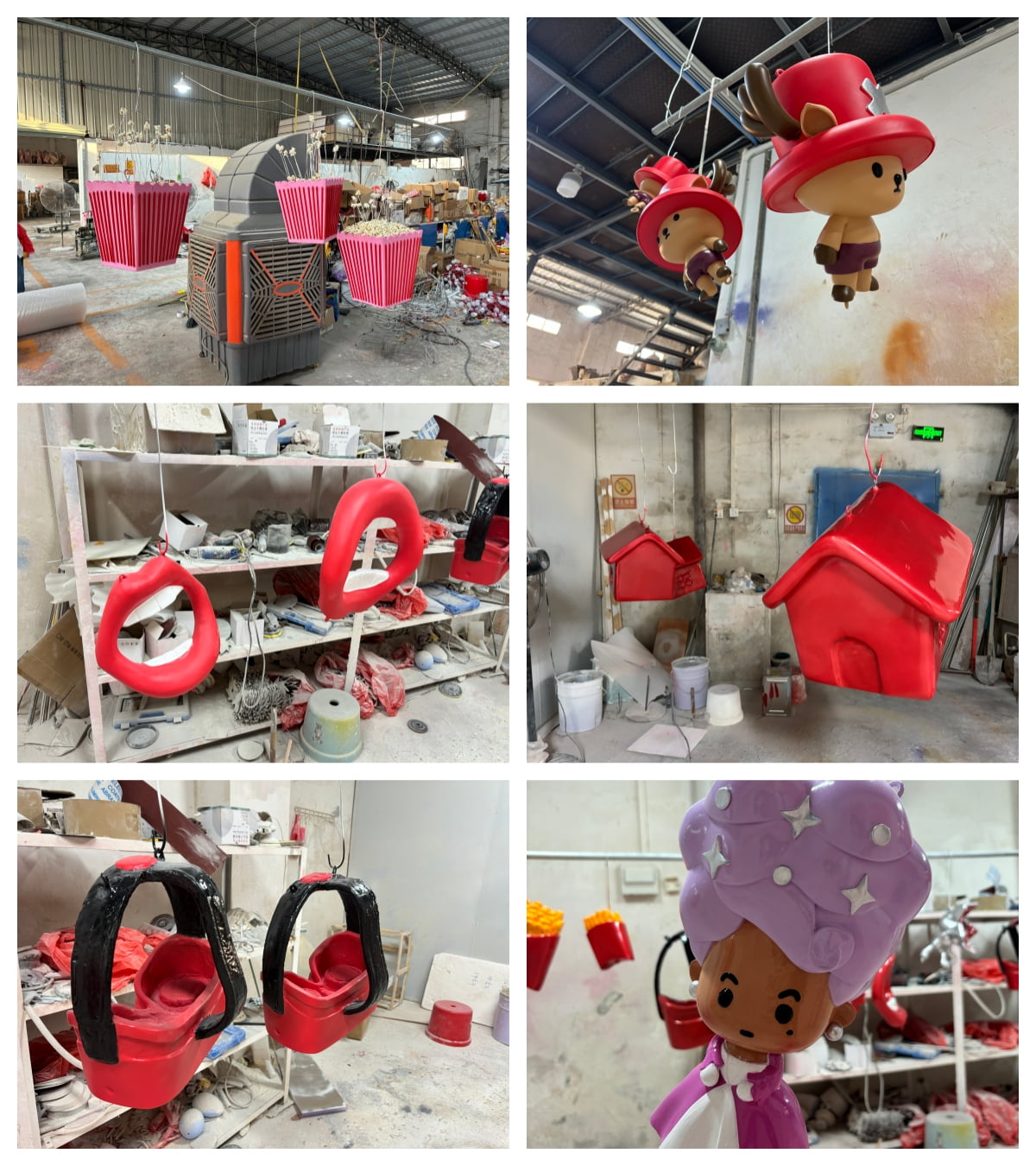
Custom props produced for a Netflix retail activation, Samtop produced modular decorative elements using foam, fiberglass, resin, acrylic and metal. This project involved much more than fabricating decorative props. Every piece had to be engineered around installation access, hanging safety, assembly speed, and brand color consistency. It was about designing each component around mall access limits, installation sequence, hanging safety and brand color consistency.
The Challenge: Engineering Large Scale Holiday Retail Displays for High-Traffic Commercial Spaces
Large mall Christmas installations look effortless to shoppers. But behind the scenes, the hardest part is rarely the decoration itself. Most oversized props look fine in renderings. Problems usually start after production — when the pieces become too heavy to hang safely, too large to pass through the mall entrance, or too complicated to assemble overnight. When Netflix House Dallas commissioned a 95-foot immersive Christmas tree for Galleria Dallas in the 2025 holiday season, the fabrication challenges were significant:
- Standard mall service corridors cannot accommodate a single oversized prop structure
- Installation windows are strictly limited to non-business hours — typically 2 to 3 nights
- Hundreds of decorative accessories must be lightweight enough to hang safely at height
- All props must match exact brand color standards across different materials
In many large retail installation projects, problems usually appear in four areas: the prop becomes too heavy, the color changes between materials, the connection points are unclear, or the installation team spends too much time figuring out the sequence on site.
To ensure the project could be executed to the brand’s standards, Samtop was selected as the production partner to handle these challenges. Here is how we addressed each of those problems.
Material Selection and Surface Finishing for Luxury Window Displays and Holiday Exhibits
One of the most common questions from retail designers and VM directors is: Which material should I use for large Christmas props? The answer depends on prop size, required detail, weight limits, and installation environment. Below is a practical guide based on Samtop’s production experience:
| Material | Best Use | Weight | Detail Level | Durability | Typical Application |
| Foam + Fiberglass | Oversized volume props | Very Light | Medium | Good | Giant food props, oversized ornaments |
| Fiberglass Shell/Fiberglass Reinforced Structure | Medium to large custom forms | Medium | High | Excellent | Character shells, logo elements, sculptural props |
| Resin | High-detail character figures | Medium-Heavy | Very High | Excellent | IP character ornaments, faces |
| Acrylic | Branded logos, flat graphics | Light | High | Good | Signage, logo cut-outs |
| Metal (internal) | Structural armatures | Heavy | N/A | Excellent | Hanging points, internal frames |
For the Netflix House Dallas project, Samtop used a hybrid approach to construct these massive holiday retail displays:
1. How do you design a 95-foot Christmas installation to fit through standard mall service corridors?
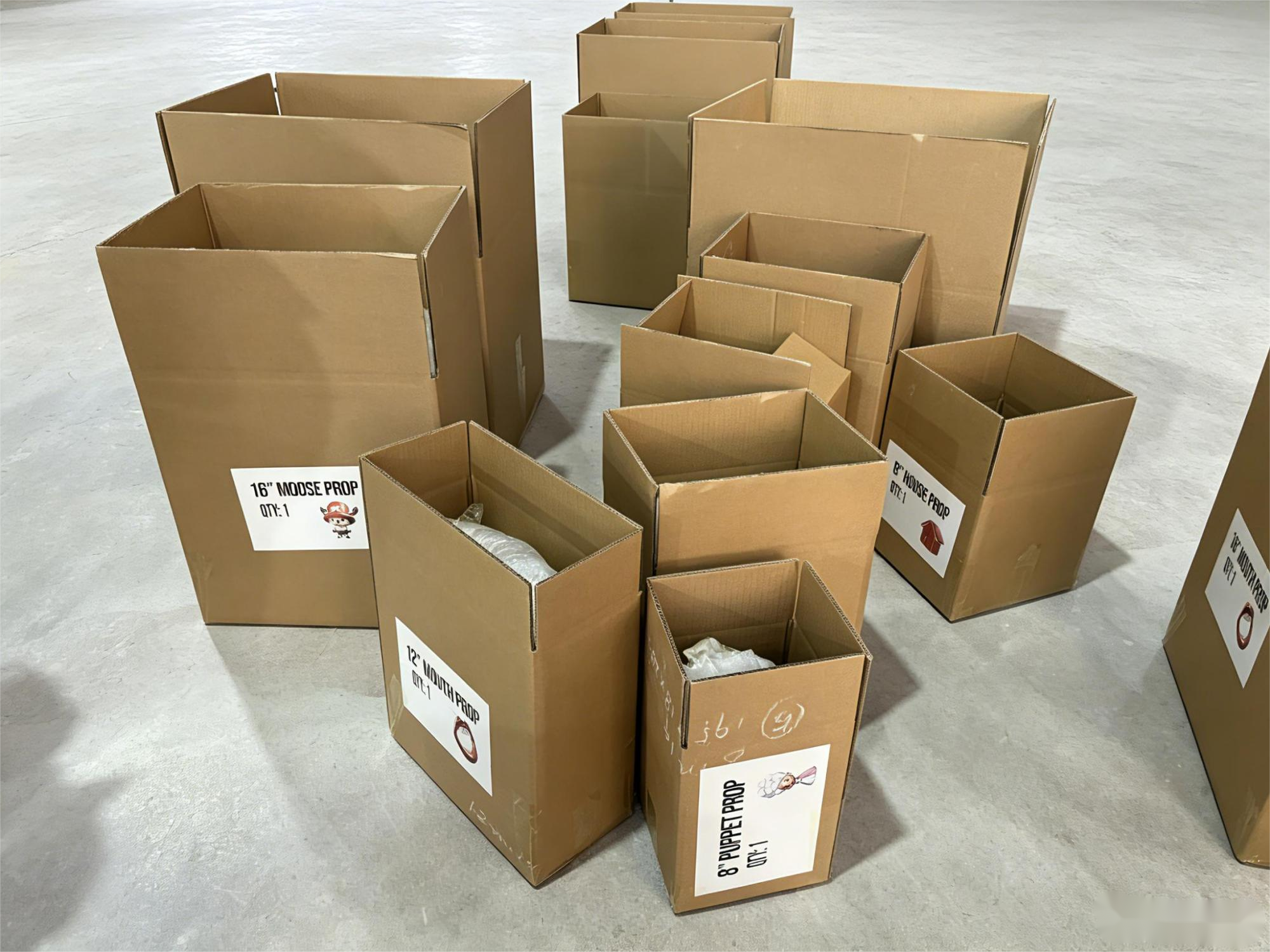
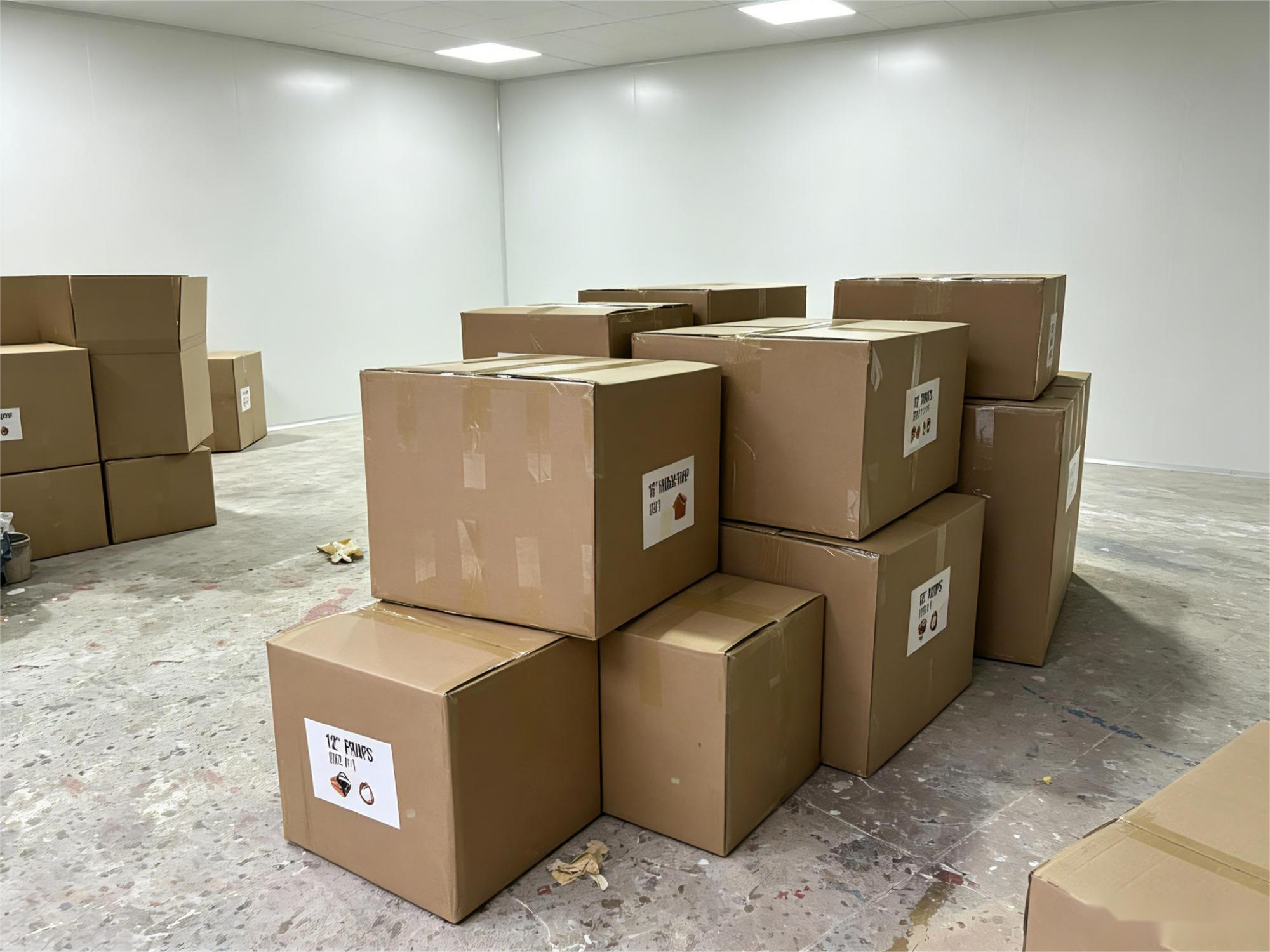
The biggest issue was not only making the props. When handling complex holiday retail displays, it is critical to ensure every module. Samtop engineering team designed each component around the actual dimensions of the service corridor and elevator. Because installation could only happen overnight, every module was pre-labeled according to assembly sequence before it left the factory. If a module is too large, it will never pass through the mall entrance. That is why corridor size, elevator access and service-door dimensions must be treated as design constraints from the beginning.
2. How do you create large visual scale without adding unnecessary weight?
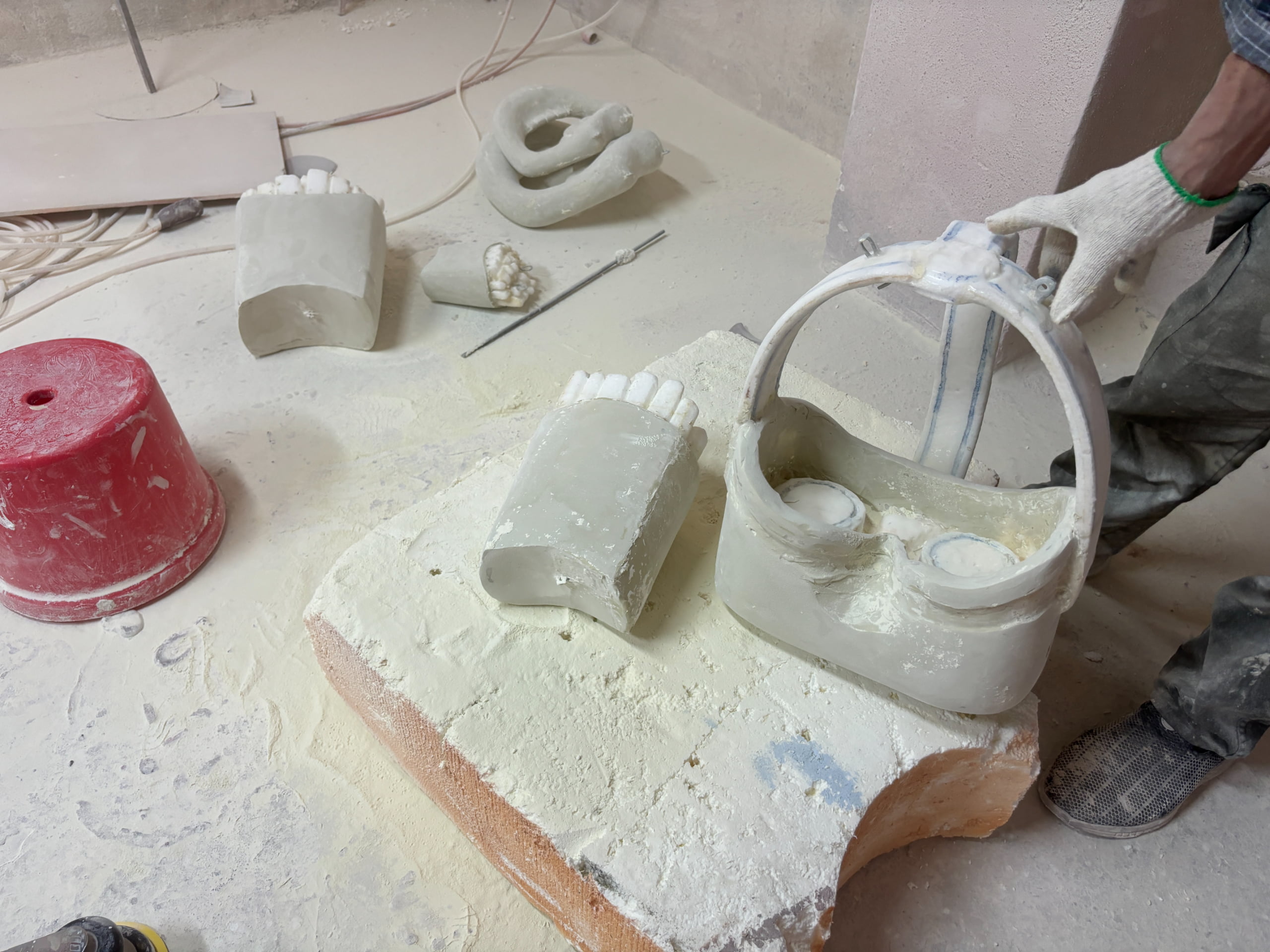
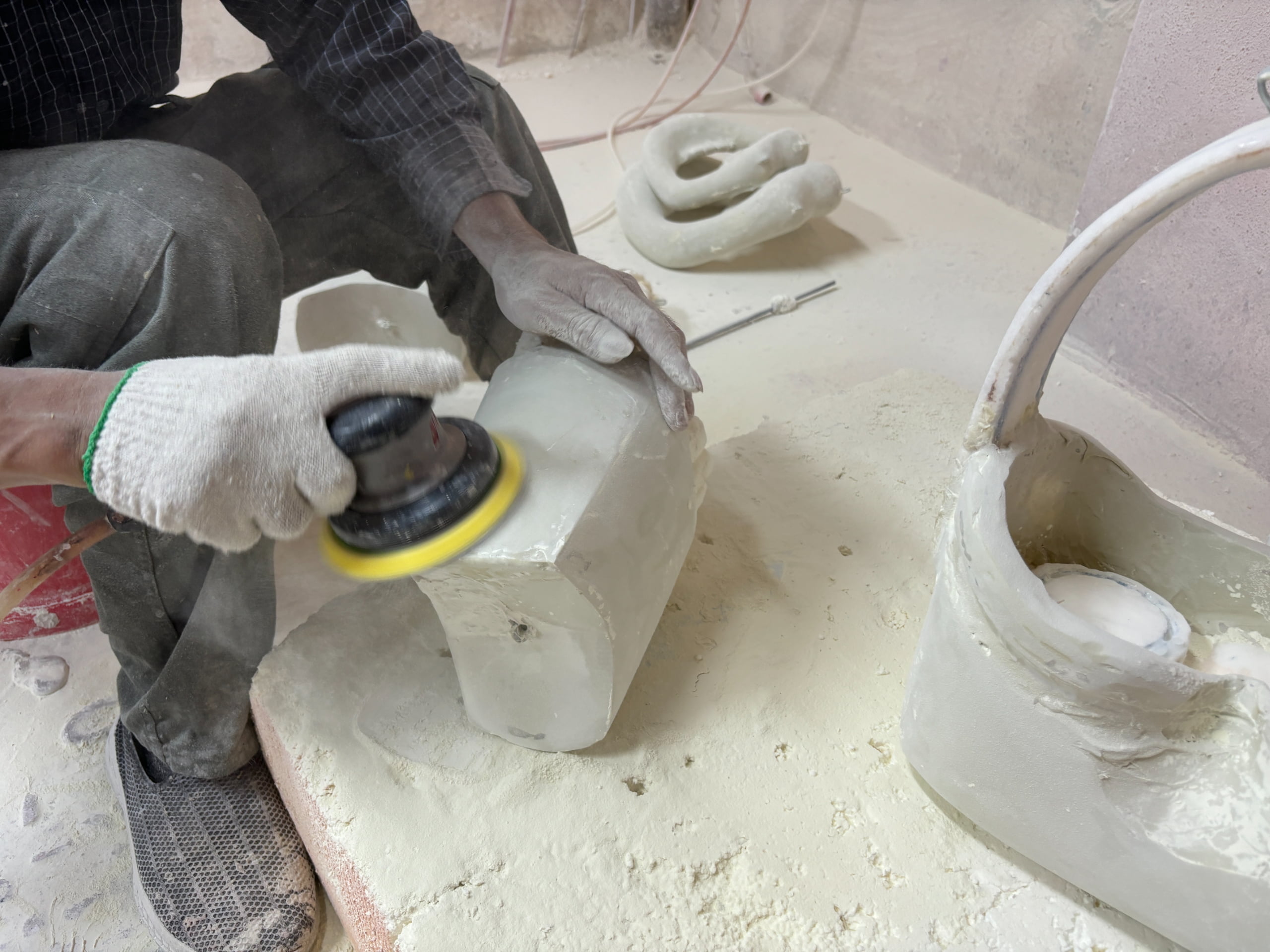
For oversized hanging props, we use foam cores with fiberglass reinforcement to reduce weight while keeping the surface rigid enough for sanding, painting and installation. Some oversized ornaments looked lightweight visually, but still required internal steel frames to stay stable once suspended at height. This approach allowed the props to look large from the shopper’s view without putting unnecessary load on the tree structure.
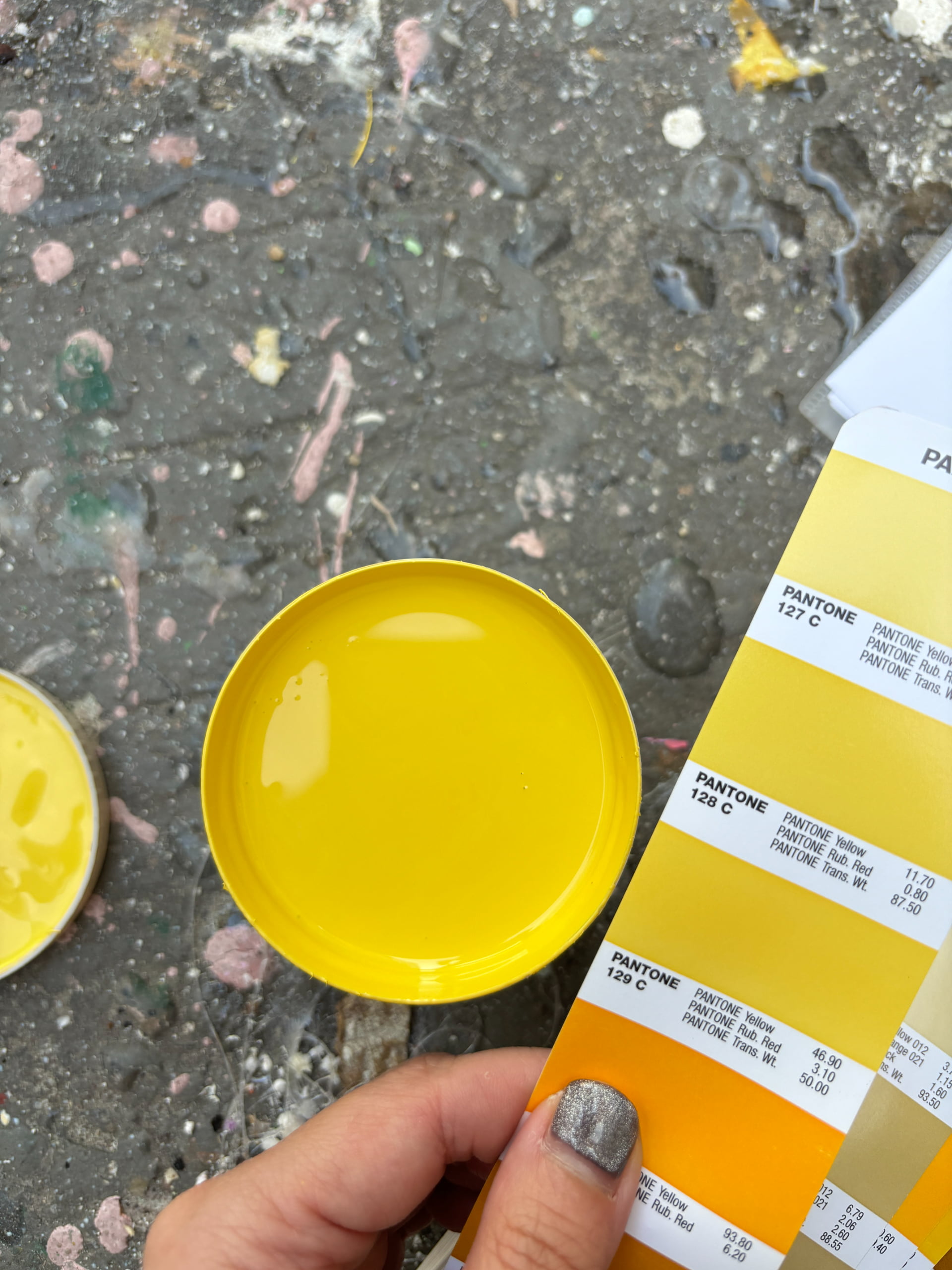
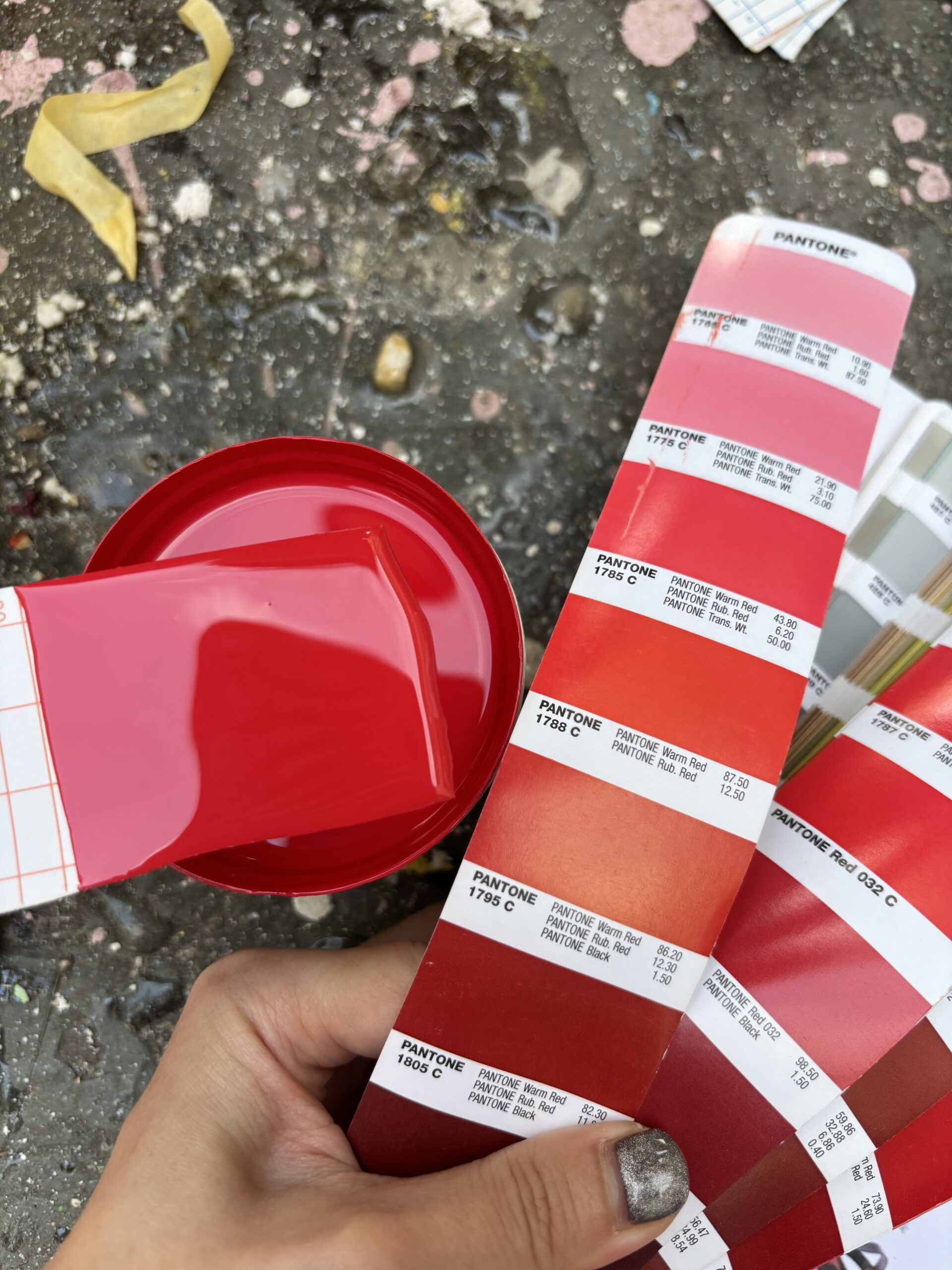
3. How do you keep brand color consistent across foam, fiberglass and acrylic?
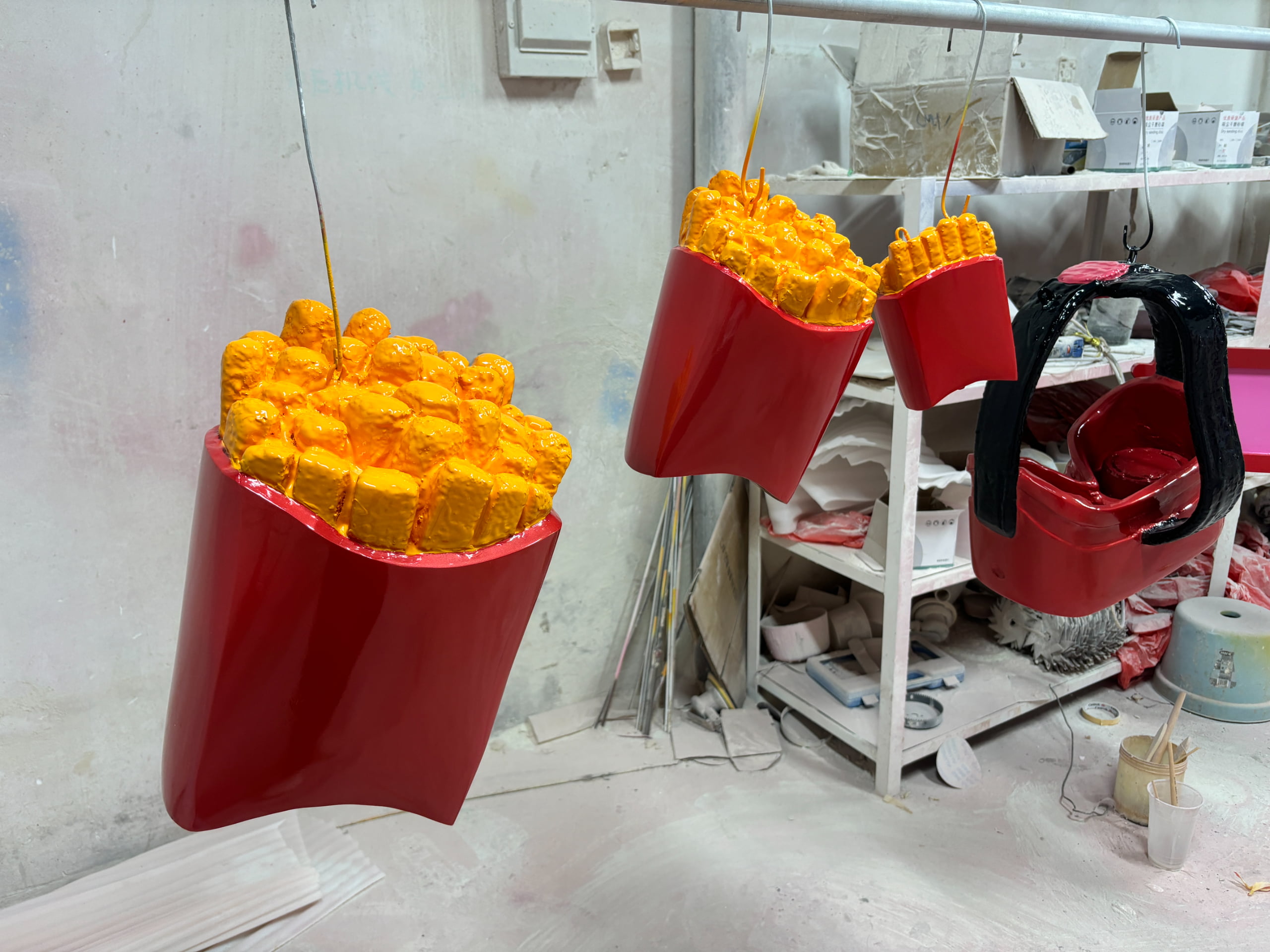
Under the bright lighting of a shopping mall, even a small color difference between a foam ornament and a resin figure is immediately visible. Foam usually absorbs paint unevenly, while fiberglass reflects light more directly. Under strong retail lighting, two props using the same Pantone color can still appear visually different if the primer and surface finish are not adjusted separately. This helped the painting team adjust primer, coating thickness, and finish before mass production started.
4. How do you keep a large holiday installation on schedule when many materials are produced at the same time?
The mall opening date was fixed and could not move. With dozens of individual props made from different materials, running the project step by step was not realistic. We divided the project into modules and moved several production stages forward in parallel. While one group of ornaments was being painted, another group was already in structural testing. While detailed figures went through QC, other modules were being checked, numbered, and prepared according to the installation sequence.
How Samtop Fabricates Custom Holiday Retail Displays: 5 Production Stages
Whether the project is a single character ornament or a 120-component mall Christmas tree installation, Samtop follows the same five-stage production process:
Stage 1: Structural Prototype and Base Fabrication
Every prop begins with 3D modeling to confirm proportions, structural integrity, and modular assembly logic. High-detail character figures move into resin or fiberglass molding; large volume props begin with precision foam sculpting.