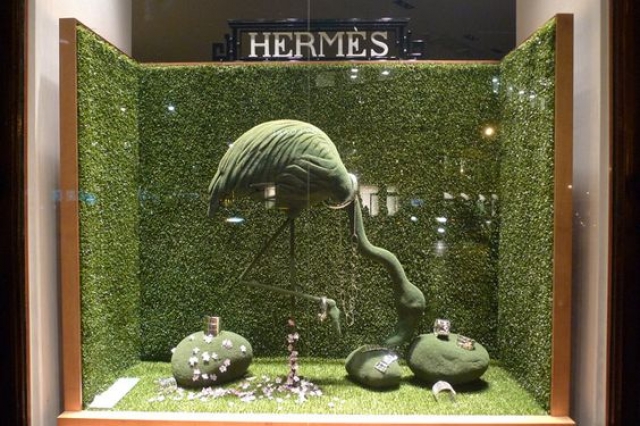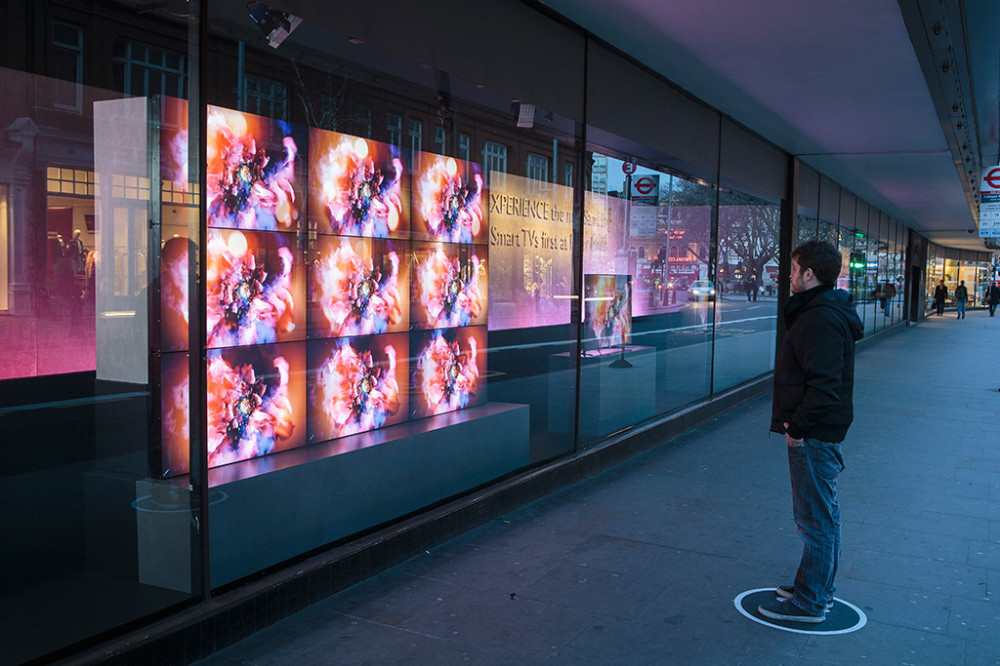

In today’s retail industry, visual merchandising has become an essential tool for attracting customers and driving sales. However, as competition intensifies, customer demands evolve, and budgets tighten, retailers often face multiple challenges when implementing effective visual merchandising. How can businesses create innovative and sales-driven displays within limited resources and a rapidly changing market? This article explores retailers' key pain points in visual merchandising and provides practical solutions to help you tackle these challenges.
Introduction: The Dilemma and Opportunities of Visual Merchandising
As the retail industry evolves, more brands realize the importance of visual merchandising in enhancing customer experiences and brand value. According to industry surveys, 68% of retailers cite visual merchandising as one of their biggest stressors. Challenges in design, material selection, supply chain management, and cross-cultural communication often leave retailers feeling overwhelmed. However, these challenges also present significant opportunities. By leveraging innovative solutions and efficient collaboration, retailers can overcome obstacles, optimize display performance, and strengthen their competitive position in the market.
How can retailers overcome the challenges of visual merchandising?
Successful retailers are addressing these challenges by building strong supplier partnerships, adopting innovative materials, employing effective time management strategies, and embracing sustainable design principles to enhance their visual merchandising efforts.
Keep reading to discover innovative solutions to common visual merchandising challenges and how they can elevate your customer’s brand experience.
1. Cross-Cultural Communication Challenges: The Complexity of Global Visual Merchandising Design
As retailers expand globally, they often face difficulties communicating across different cultures and markets. Misunderstandings in cross-cultural communication can lead to design misinterpretations, material procurement issues, and delays, ultimately affecting the final display.
Case Study: How AESOP Adapts Visual Merchandising for France and Dubai
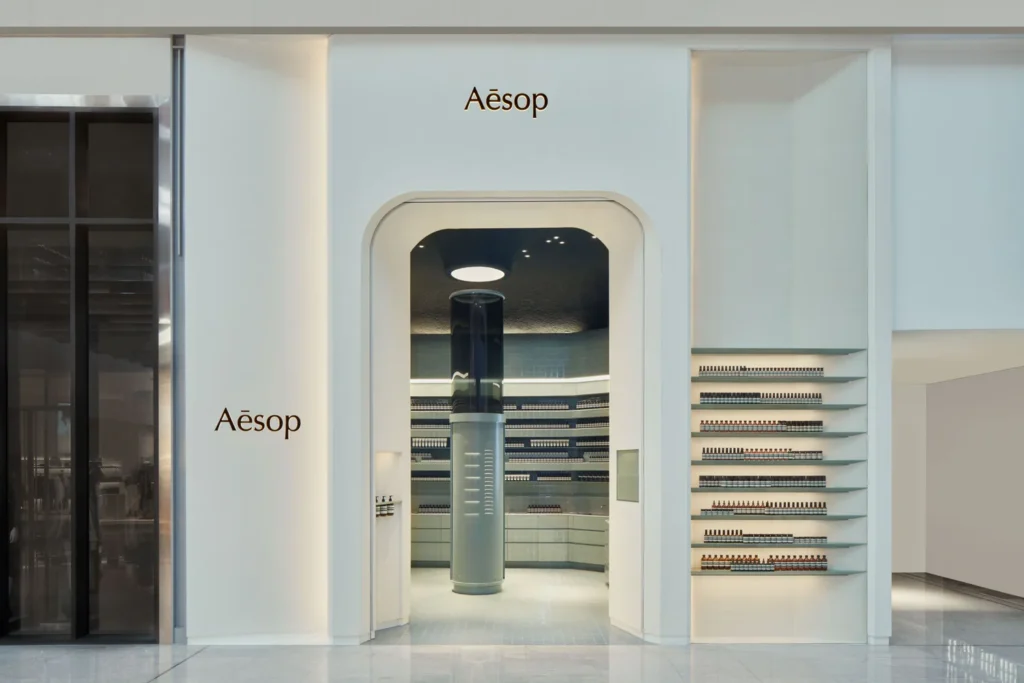
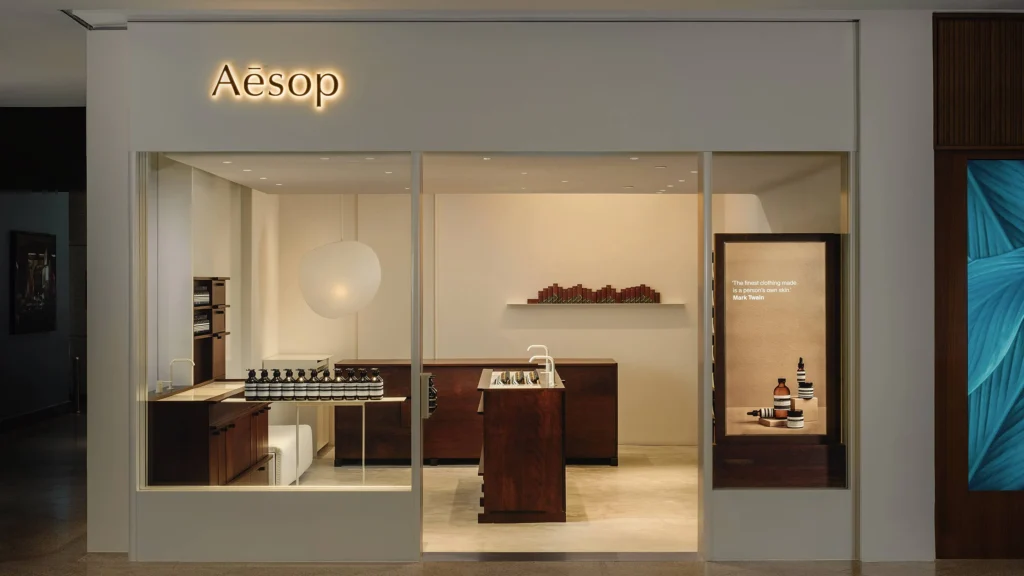
AESOP, the renowned Australian skincare brand, exemplifies how to adjust visual merchandising to suit different cultural contexts. In France, AESOP’s store designs emphasize minimalism, using natural materials such as wood, stone, and leather to align with French preferences for simplicity and elegance. However, in Dubai, AESOP takes a different approach, incorporating luxurious textures and rich colors to reflect the region’s affinity for opulence and traditional aesthetics. By seamlessly integrating cultural elements with brand identity, AESOP effectively connects with local customers.
2. Material Selection and Quality Control: Ensuring High-Quality Visual Merchandising
Material selection is critical in visual merchandising, influencing both the aesthetic and durability of displays. Retailers must balance cost, durability, and sustainability when selecting materials.
Case Study: POP UP Stores Using Acrylic Instead of Metal
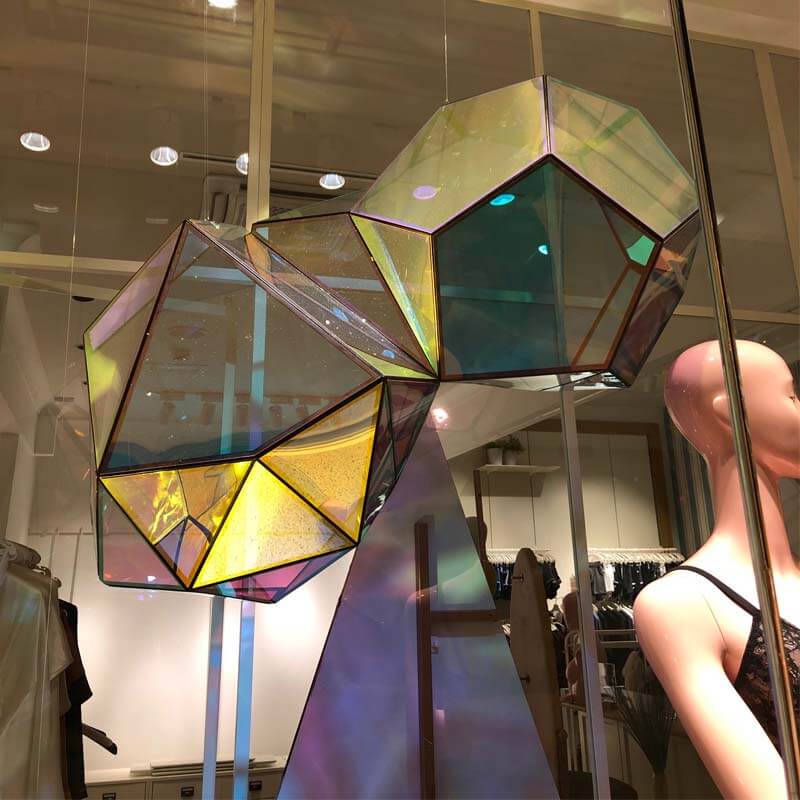
Faced with budget constraints, many brands turn to innovative materials to cut costs. For instance, POP UP stores often use acrylic sprayed with metallic finishes to mimic the look of metal. This approach significantly reduces production costs while achieving a high-end visual effect. Lightweight and easy to transport, acrylic is also reusable, making it a cost-effective and eco-friendly choice for temporary displays.
3. Time Management and Seasonal Demands: Navigating Holidays and Promotional Pressures
Seasonal demands often place immense pressure on retailers. Holiday promotions, festive events, and product launches require visual displays to be completed within tight timelines. Managing these deadlines efficiently is a significant challenge.
How to Manage Time and Seasonal Demands Effectively
Successful retailers build buffer time into project schedules to accommodate unexpected design changes or logistical delays. Many also utilize localized warehousing solutions to ensure timely delivery of display materials. These strategies reduce seasonal pressure and ensure optimal display outcomes.
4. Budget Optimization: Creating Effective Visual Merchandising Within Limited Budgets
Visual merchandising needs to be attractive yet cost-effective. Balancing creativity with cost efficiency is a major challenge for retailers.