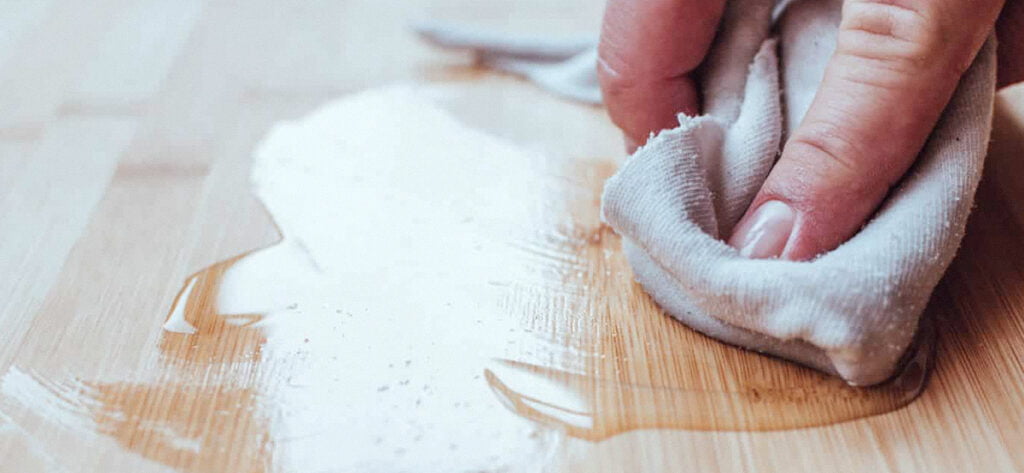

Wood has always been the most common material used in retail environments today, whether it is for store decoration or for displaying merchandise on shelves, because it is readily available and inexpensive with many different derivative material categories, and the manufacturing supply chain has become very sophisticated.
Wooden panels are often used in gondolas, wall shelves, counters, and other large permanent retail installations. They are environmentally friendly materials that do not age easily, are structurally strong, and can be disposed of in nature when abandoned. Sometimes wood materials are combined with metal to create sturdy displays with strong frames.
What are the common wooden materials used for retail displays?
Medium Density Fiber (MDF)
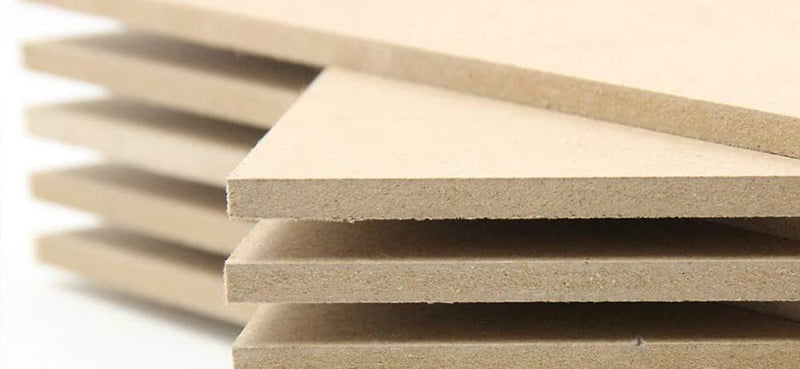
MDF is a type of lumber that is made by breaking wood into fiber-like chips and then gluing it together.
Advantages are cartable, easy to shape, affordable, environmentally friendly, and a smooth surface suitable for baking paint carving.
MDF is the most used material for display production, with a wide range of panel specifications, and is easy to polish. But easy to moisture, not load-bearing, easy to deformation, poor nail retention, so it needs to be stored or placed in a dry environment, while in the processing process to do a good job of primer treatment.
Melamine-Faced Chipboard (MFC)
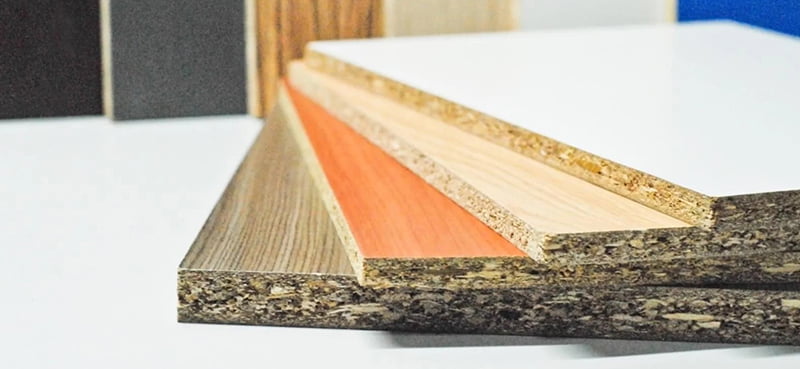
Melamine Faced Chipboard is chipboard made by breaking the wood into fiber-like pieces and then gluing them together; the two sides of the core material are usually covered with Melamine.
The advantages of MFC are moisture resistance, pressure resistance, impact resistance, low formaldehyde, affordable price, environmental friendliness, good resistance to change the strength, and various surface embossing treatments. However, it is difficult to be processed into special irregular shapes, and MFC is recommended for overall custom store furniture with a limited budget.
Veneer core plywood
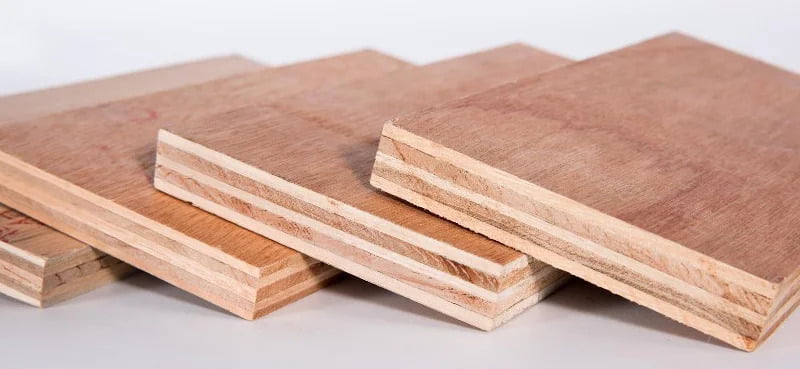
Plywood is made by stacking several layers of thin wood pieces, usually an odd number of veneers combined into one plywood, each veneer fiber direction intersects vertically, and the top and bottom veneer is the same wood direction.
The advantages are moisture resistance, good bending strength, and excellent load-bearing capacity. It is very suitable for large display cabinets that need to be load-bearing, but the price is higher than MFC and MDF.
Oriented Strand Board (OSB)
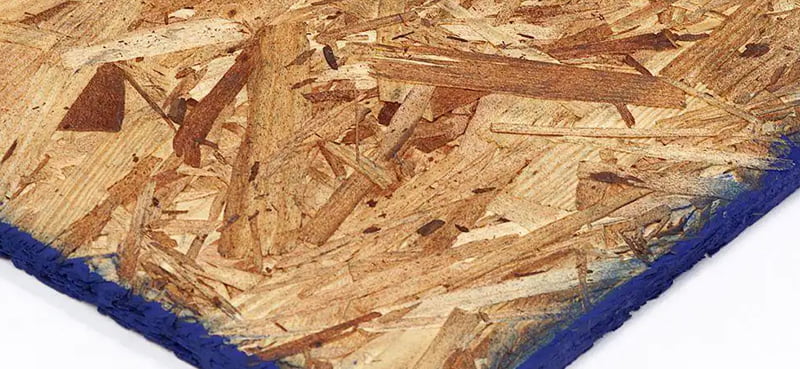
OSB is made by chopping the wood, stacking the wood chips, and then pressing them at high temperatures. The wood chips are stacked horizontally and vertically to effectively strengthen the density of the board and to create a special texture.
The advantages are environmentally friendly building materials, economical, good structural density, and not easily deformed & broken.
The disadvantages are heavyweight, lack of moisture resistance, and monotonous decoration. Sometimes it is used according to customers' design requirements, but usually, it is used less often.
Solid wood
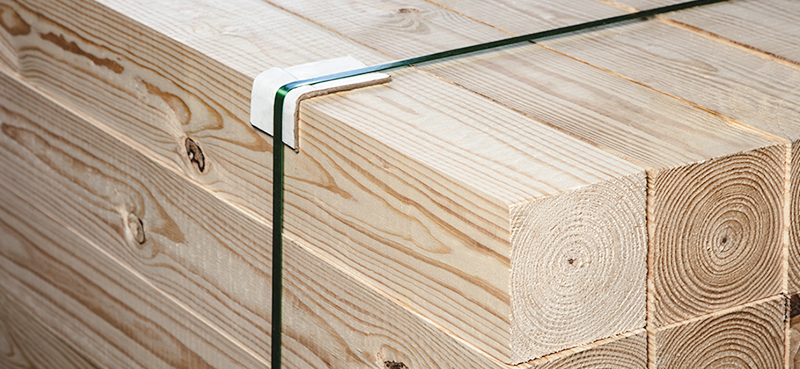
A solid wood panel is a wood panel made from whole wood (logs). Solid wood panels are generally classified according to the name of the panel substance (raw wood material), and there is no uniform standard specification.
The price is high but strong and durable, natural grain, mostly with the unique aroma of natural wood, with good moisture absorption and breathability, brands that advocate nature will use solid wood to produce retail displays.
Bamboo (also attached)
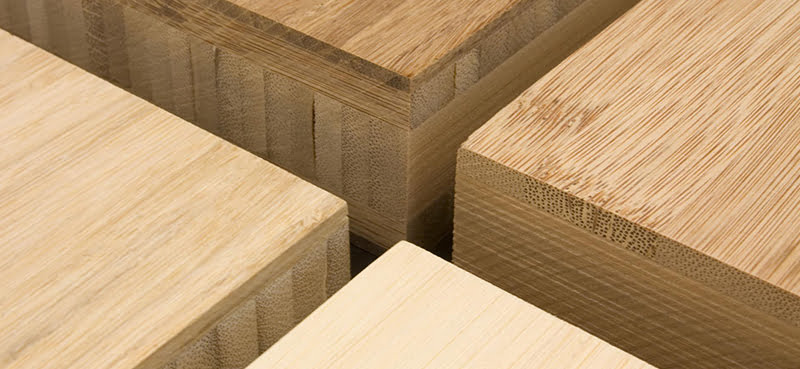
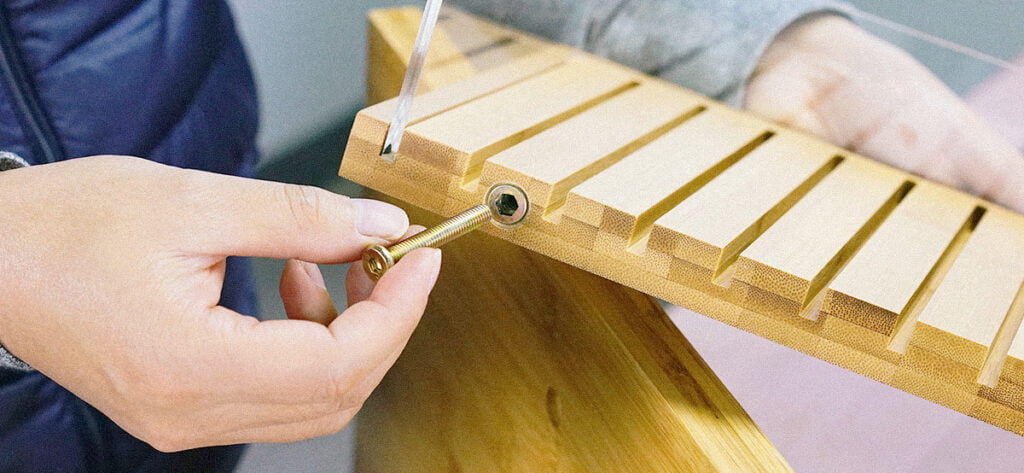
A panel made from a piece of processed bamboo sheets that are glued and pressed has the same natural grain as solid wood, but the grain is monotonous. Bamboo panels are prone to bursting edges in the process of making displays, and the surface needs to be polished several times to form a delicate and smooth effect. Bamboo retail displays (usually small) need to be placed in dry spaces, it is susceptible to moisture and mold, but it is an affordable retail display solution that demonstrates an environmentally friendly concept.
What are the common processes for wood displays?
Cutting
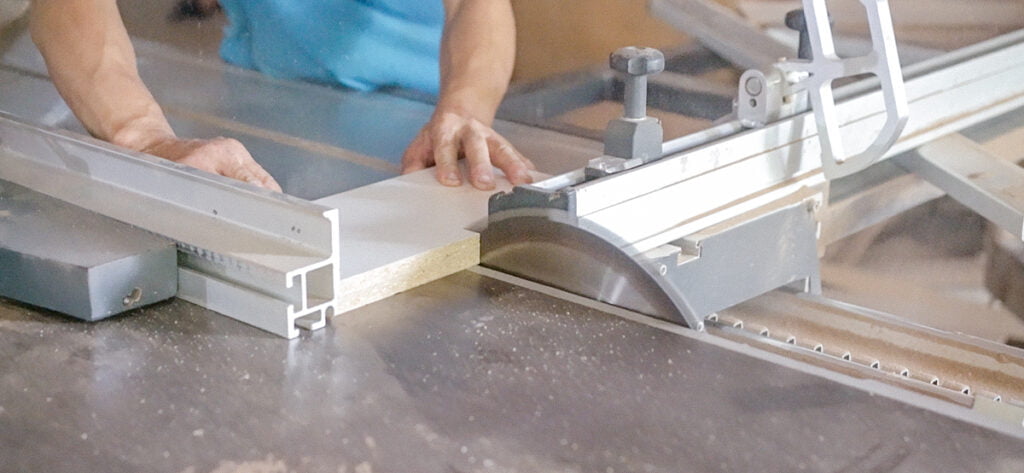
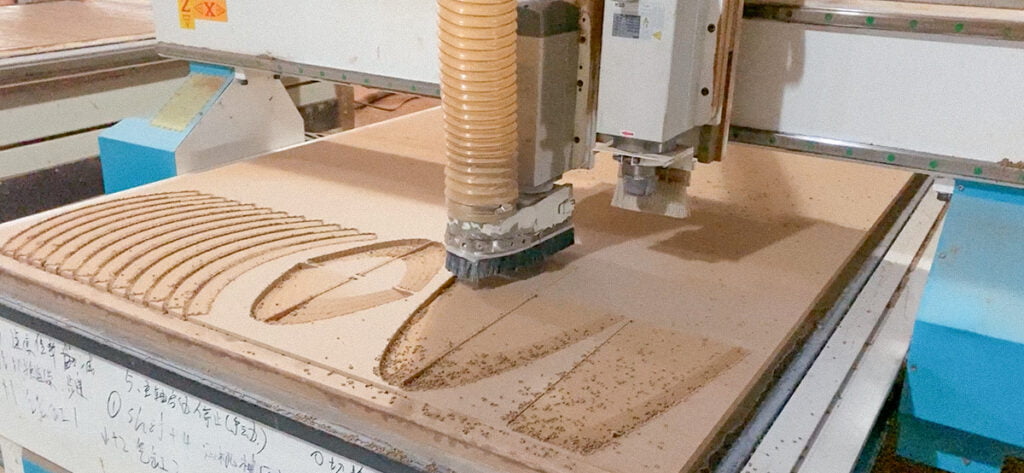
Change tools on time to prevent the cutting surface from bursting due to cutting. Straight cutting with a table saw if it is shaped cutting available to CNC or laser (it is worth noting that the laser will make the wood fiber scorched and blackened)
Trimming and grooving the edges
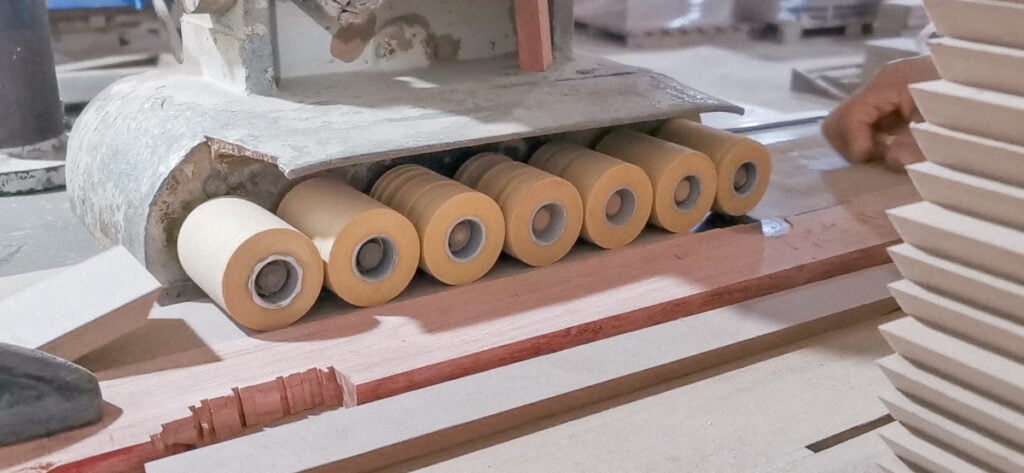
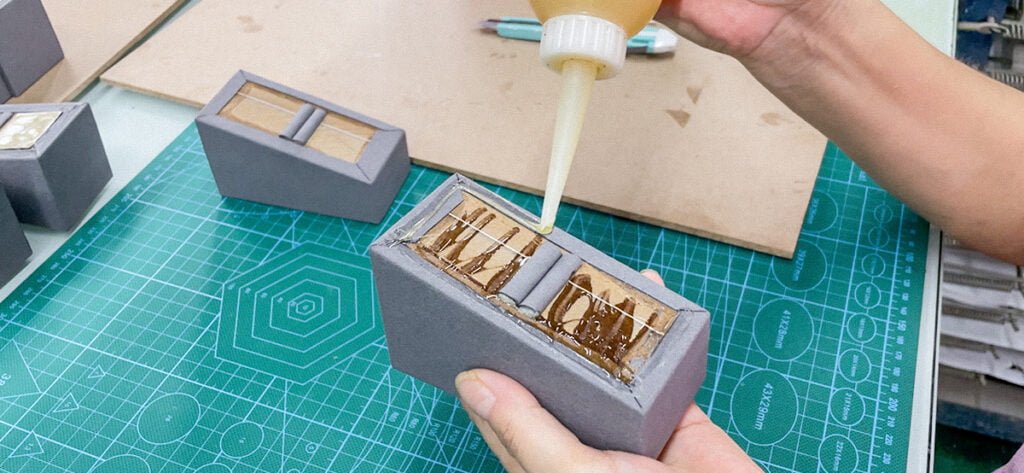
Cut the edges to the desired angle for bonding.
Sanding
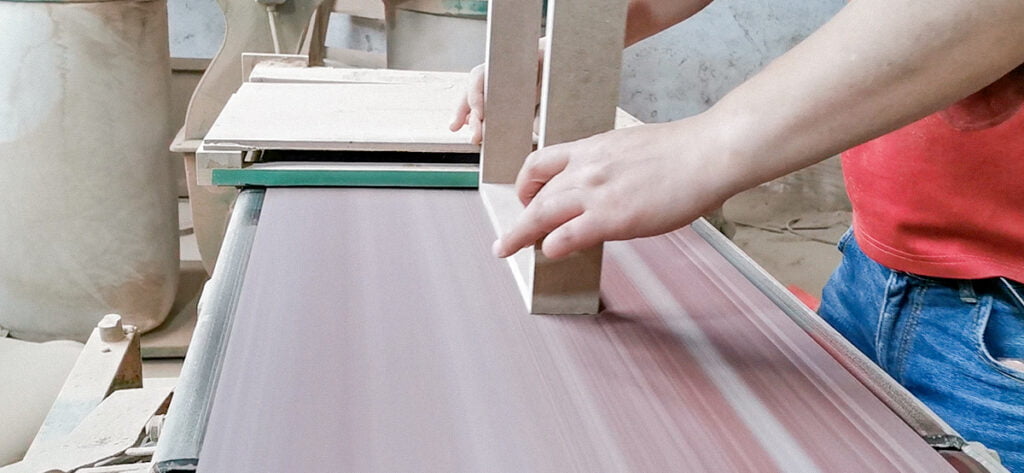
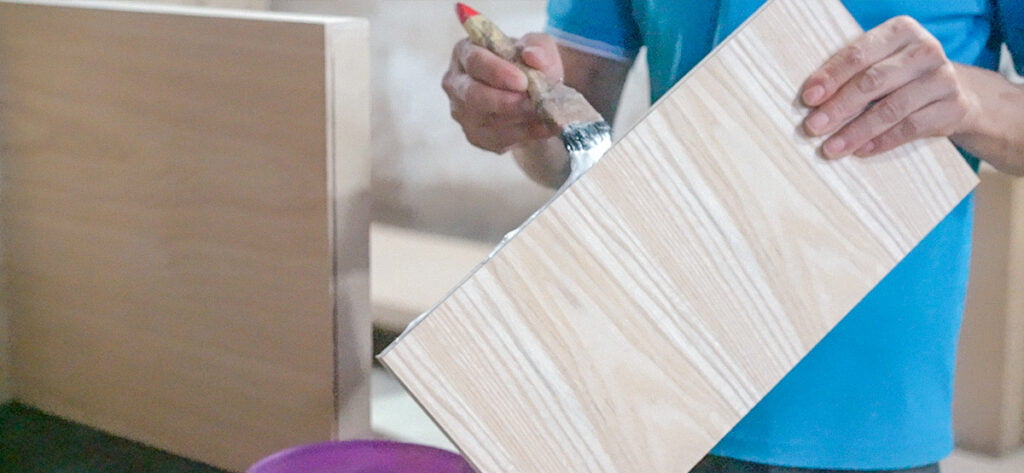
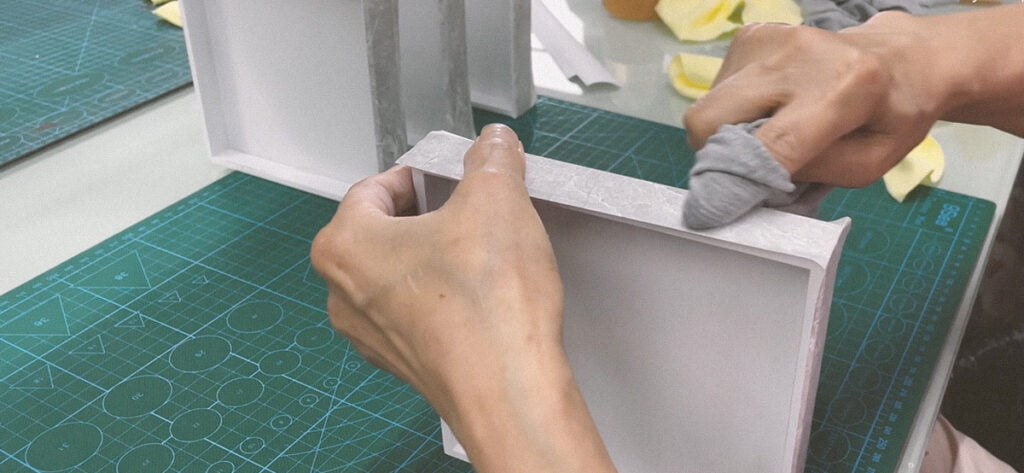
Before painting, you need to sand the panel flat, if there is a slight dent, you can make up the poly-putty base and then sand to ensure that the paint surface is flat after painting.