
Visual displays are much more than just decorations—they are powerful marketing tools that directly impact a company’s success. Without an effective visual display department, businesses risk losing their competitive edge, struggling with customer engagement, and missing sales opportunities. But how can your visual display department drive growth and reinforce your brand?
The visual display department plays a crucial role in enhancing customer engagement and driving sales. This department is responsible for creating attractive, strategically placed displays that not only showcase products but also align with the brand's identity. Well-executed displays increase foot traffic, foster brand loyalty, and drive overall sales by making products more appealing to customers.
Now that we’ve highlighted the essential role of visual displays in boosting sales and brand identity, let’s explore the specific responsibilities and strategies that can elevate your business further.
What Is the Purpose of Visual Display?
Visual display is not just about arranging products—it’s about creating an experience. A visual display department’s purpose is to design displays that attract attention, inform customers, and persuade them to make a purchase. For businesses, this means more than simply placing products on shelves or in windows. Displays need to reflect the brand’s identity, provide a clear message, and engage consumers in a way that compels them to act.
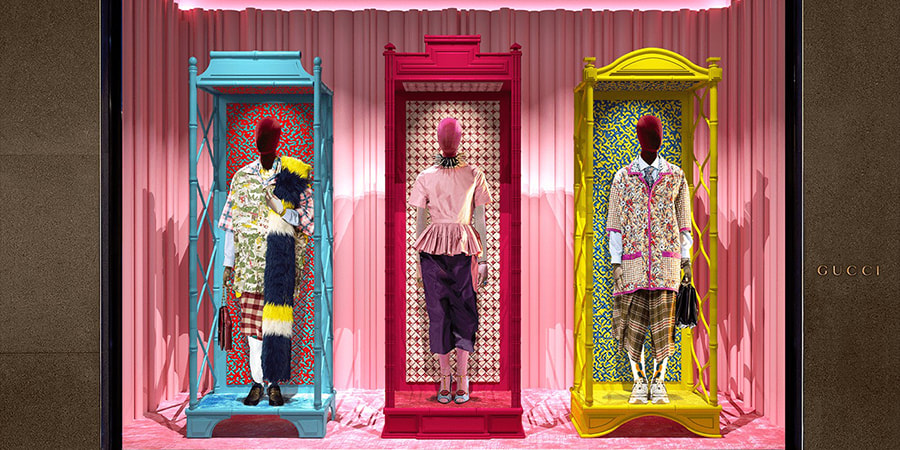
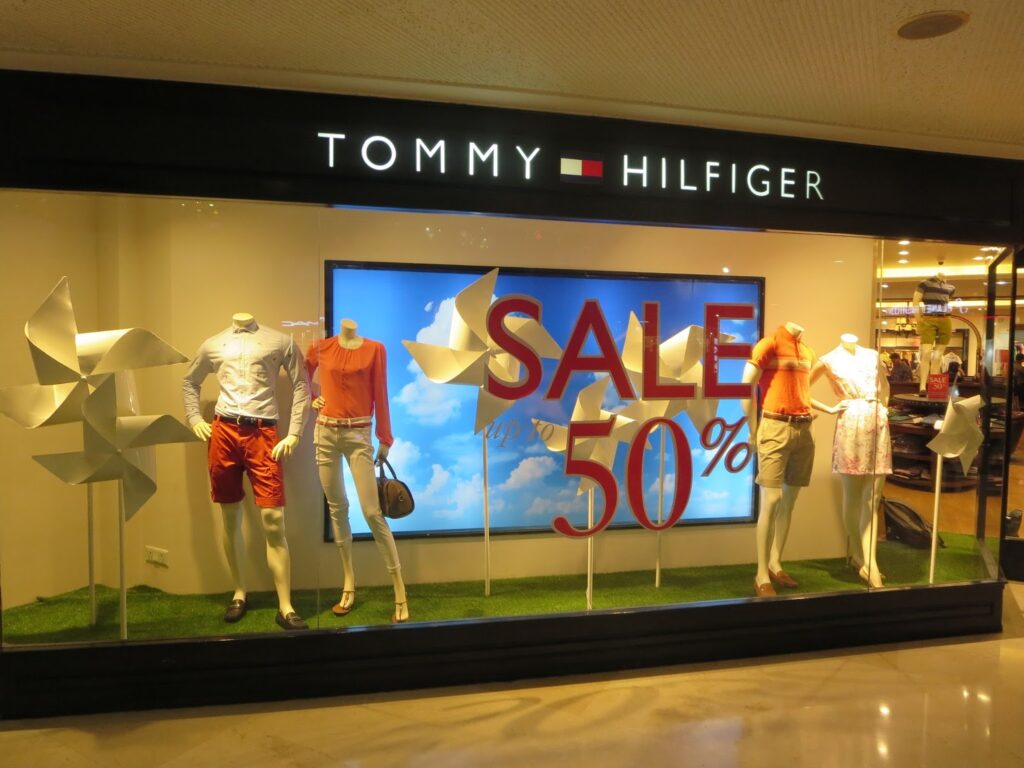
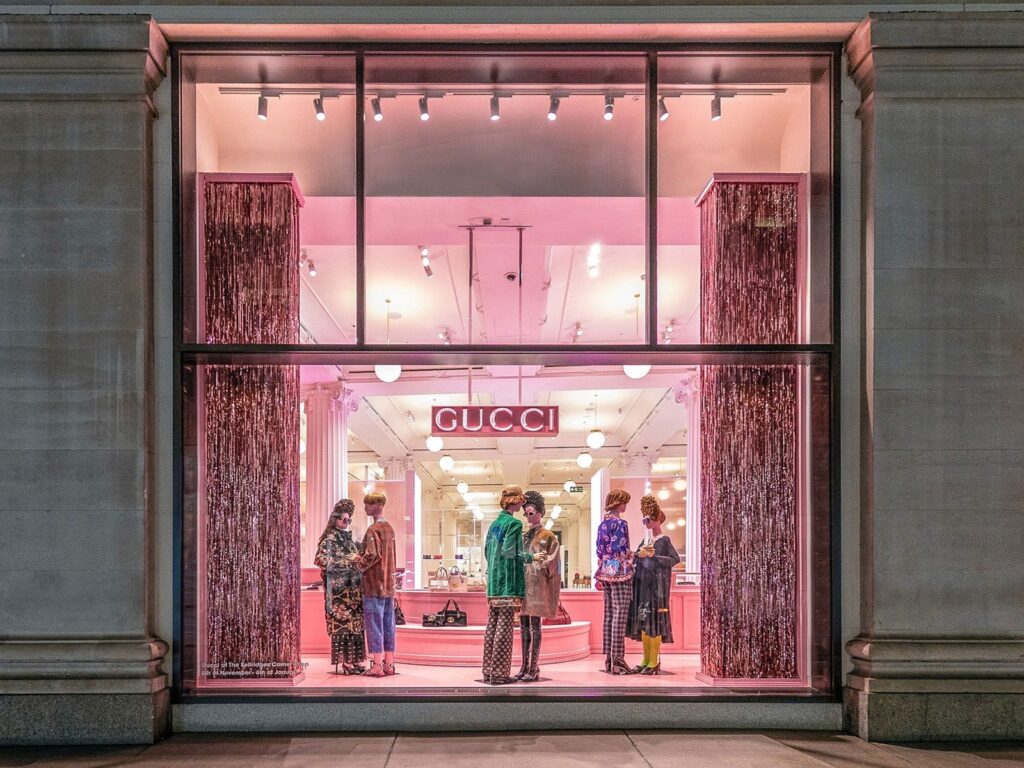
The visual display department ensures that displays are strategically placed to catch the customer’s eye while promoting key products. In retail, this could be a high-end watch in a glass case or a seasonal window display for the holidays. Each display is tailored to the brand’s style, creating a seamless connection between the customer and the product.
What Is the Role of the Visual Merchandising Department Primarily?
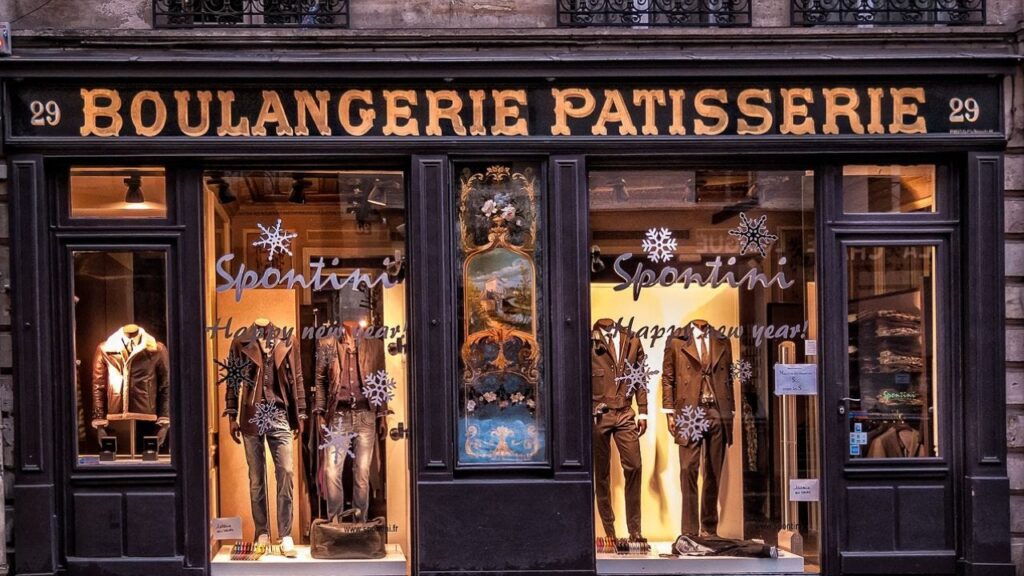
The primary role of the visual merchandising department is to create an inviting and engaging shopping environment that encourages consumers to explore and purchase. This team is responsible for the visual presentation of products, from window displays to in-store arrangements, ensuring that each item is showcased in the most appealing and effective way possible.
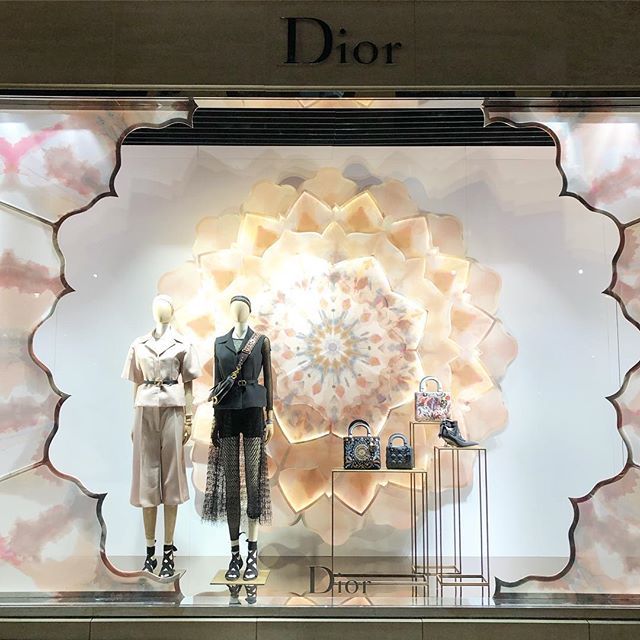
Through strategic placement, lighting, and thematic design, visual merchandisers craft experiences that resonate with customers. For example, luxury brands often use minimalist designs to highlight the quality and exclusivity of their products, while more affordable brands might use bold colors and large displays to catch the eye. The department’s work directly impacts customer behavior, encouraging them to spend more time in-store and ultimately increase their purchase volume.

What Is the Key Role of Visual Merchandising?
At its core, visual merchandising is about making products irresistible. Whether you’re showcasing a new line of jewelry or promoting seasonal items, the role of visual merchandising is to create displays that drive purchases. According to research, effective visual merchandising increases customer engagement, fosters brand loyalty, and directly influences sales.
Merchandisers utilize various tools to make this happen. These include creating “hero” displays that highlight high-margin products, using creative props, and strategically using colors and lighting. By manipulating these elements, the visual display department enhances the shopping experience, making the product the center of attention.
What Is the Role of a Visual Display Assistant?
While the head of the visual display department oversees the big picture, visual display assistants are crucial in executing the vision. Their job is to ensure that displays are set up correctly, materials are sourced, and timelines are adhered to. They assist with logistical tasks such as organizing props, setting up displays, and sometimes handling administrative duties like tracking budgets and scheduling.
Though they may not lead the creative direction, assistants are often the ones responsible for bringing those ideas to life. They work closely with designers, helping to install props, arrange products, and ensure that everything aligns with the overall aesthetic and strategic goals of the business.
Creating Visual Appeal to Engage Customers
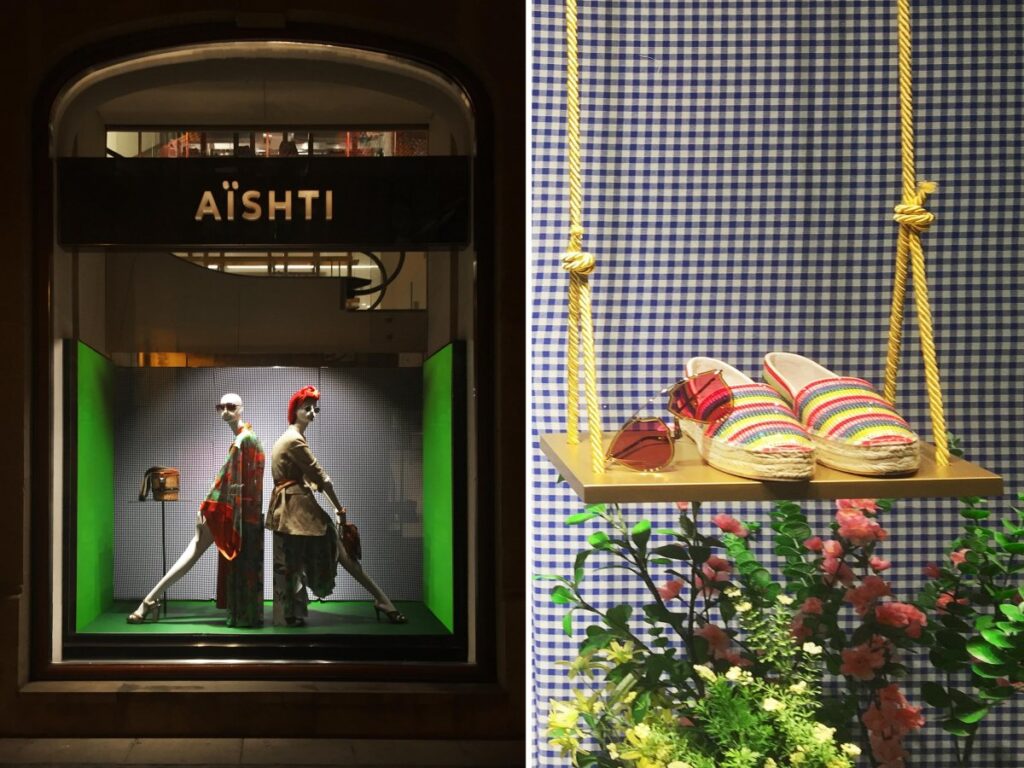
The visual display department is at the forefront of creating visual appeal. They are tasked with designing displays that attract customers, make them feel intrigued, and inspire them to purchase. This can include everything from creating intricate window displays that draw people off the street to designing in-store setups that guide the customer’s journey through the space.
For example, a store selling luxury watches might place its best-selling timepieces in a well-lit glass case with minimal distractions. This display not only highlights the product but also communicates the brand’s exclusivity and attention to detail. Conversely, a retail store targeting younger shoppers might use colorful and dynamic displays to reflect the vibrancy and excitement of the products.