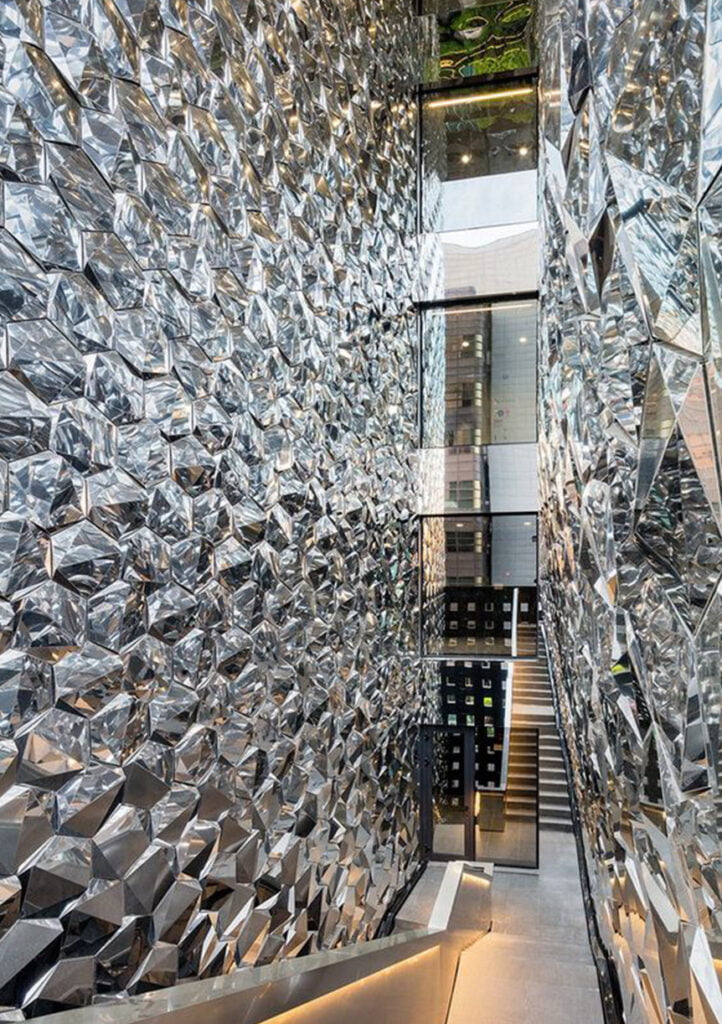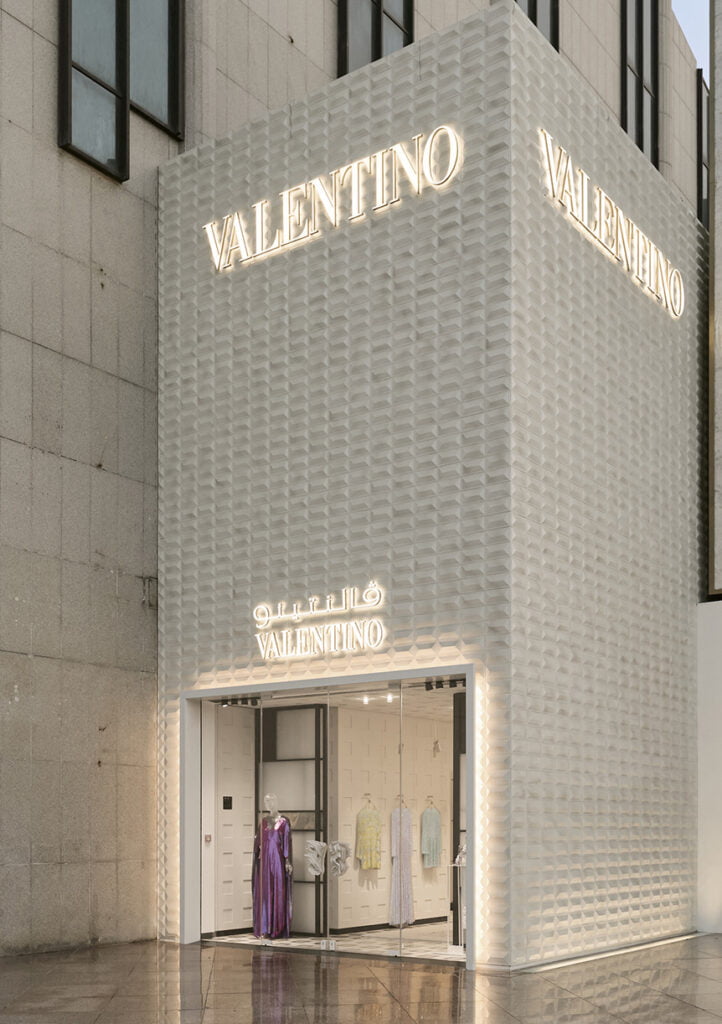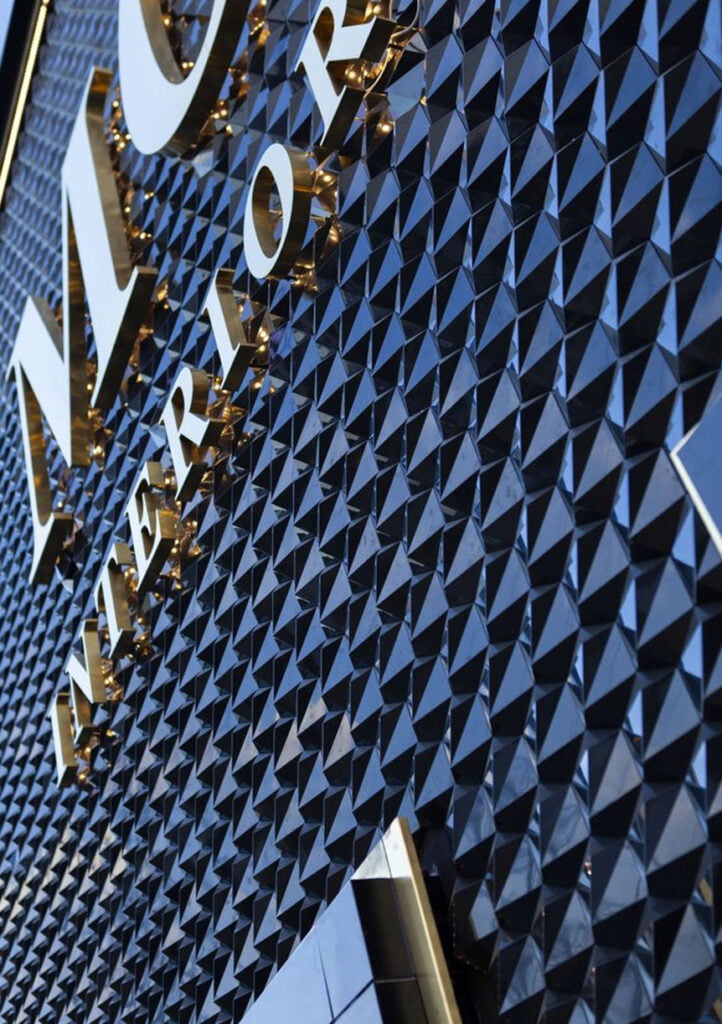

Retail displays play a vital role in the retail industry, serving as not just a tool for attracting customers but also as a medium for conveying a brand image, showcasing products, and creating unique shopping experiences. Well-designed and arranged retail displays can generate increased foot traffic, sales growth, and brand recognition for stores.
Among them, the rear area of the product display area holds significant importance in creating visually appealing effects, enhancing the attractiveness of product showcases, and conveying brand messaging. The design and arrangement of retail display backdrops are crucial in capturing customers' attention, communicating brand image, and creating a distinctive shopping experience.
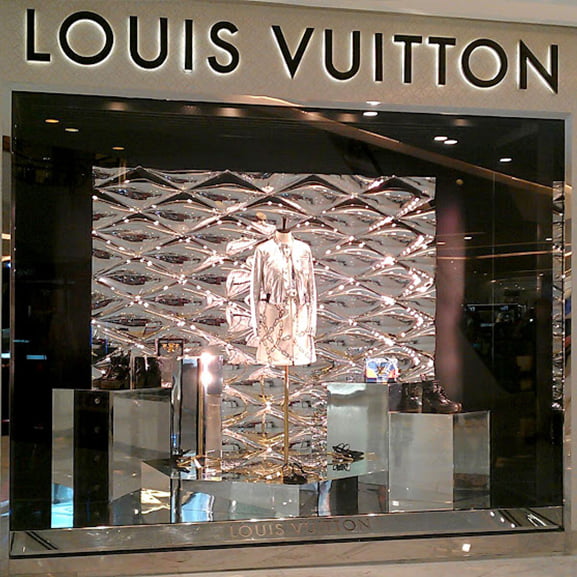
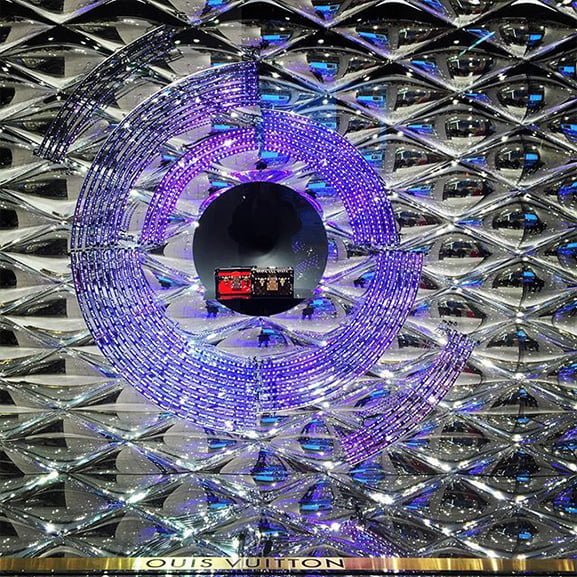
Common options for retail display backdrops include wall coverings, decals, fabrics, vacuum-formed panels, decorative panels, and more. Vacuum-formed panels are a popular choice for retail display decorations, utilizing the vacuum forming process. These backdrops are made using vacuum-formed sheets, which are heated and softened before being molded to achieve the desired shape and texture, similar to 3D wall panel.
Vacuum-formed retail display backdrops offer advantages such as being lightweight, durable, easy to clean, and maintain. The vacuum-formed sheets can be manufactured in various shapes, textures, and patterns according to design requirements, creating unique visual effects and branding elements that align with the product style. Vacuum-formed backdrops can be painted or undergo surface treatments such as electroplating, providing a wide range of color and texture options to suit different commercial store styles and needs.
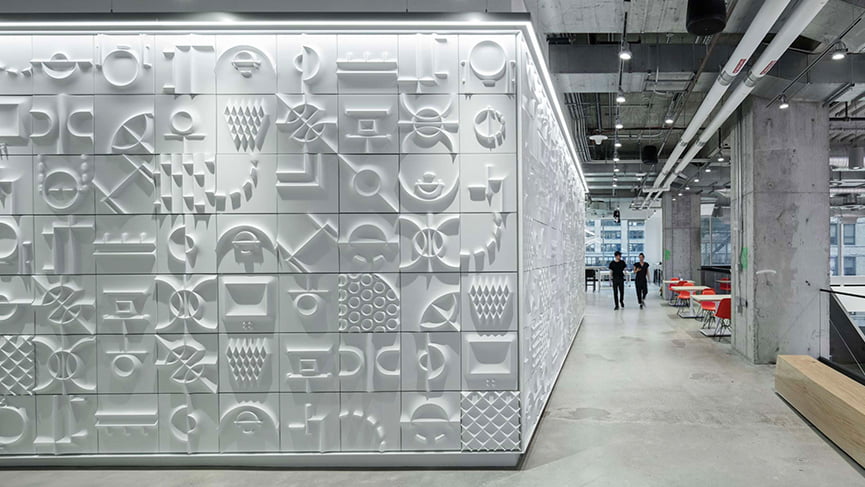
The manufacturing process of vacuum-formed backdrops for retail displays is similar to that of other vacuum-formed products and involves the following specific steps:
Design and Mold Preparation: Based on the dimensions and shape requirements of the window, design a backdrop with the desired shape and texture. A matching mold can be created using 3D printing, woodworking, or other manufacturing techniques.