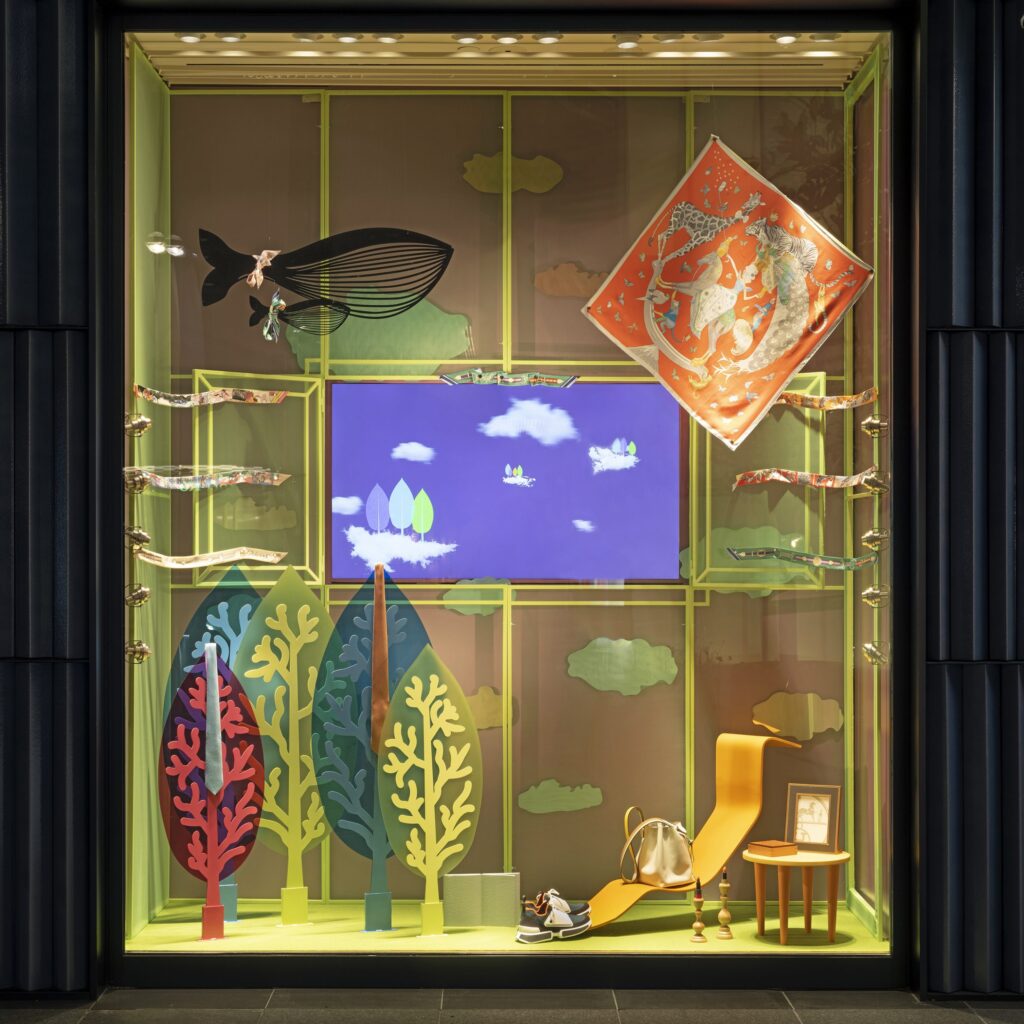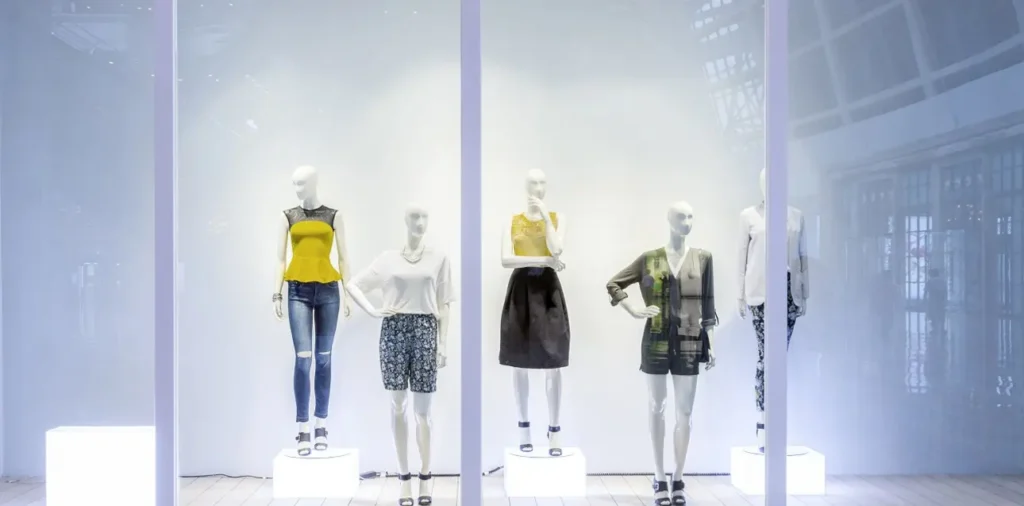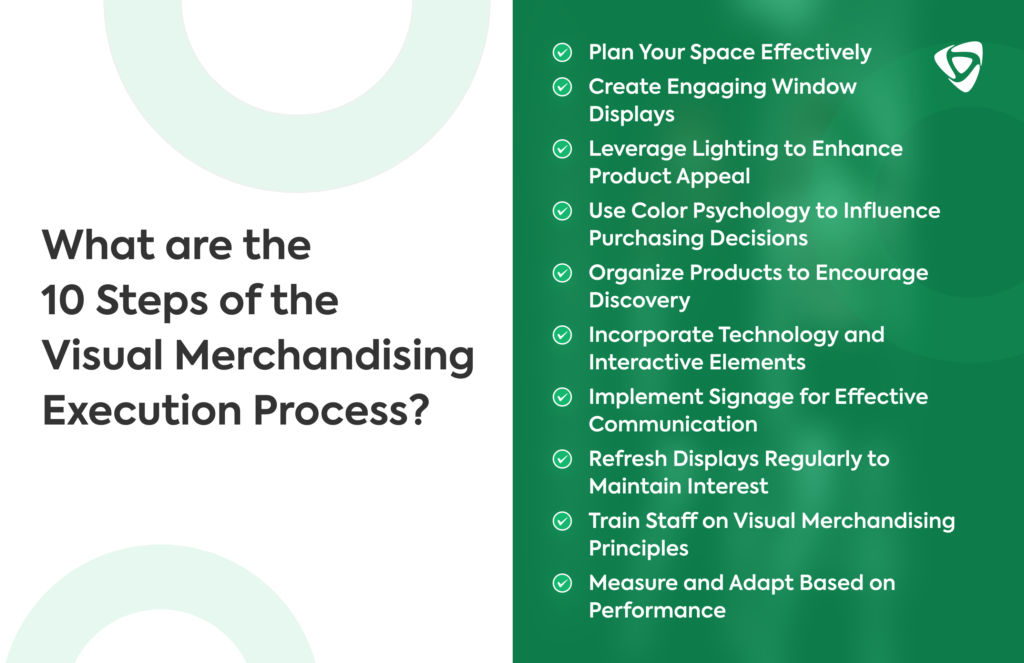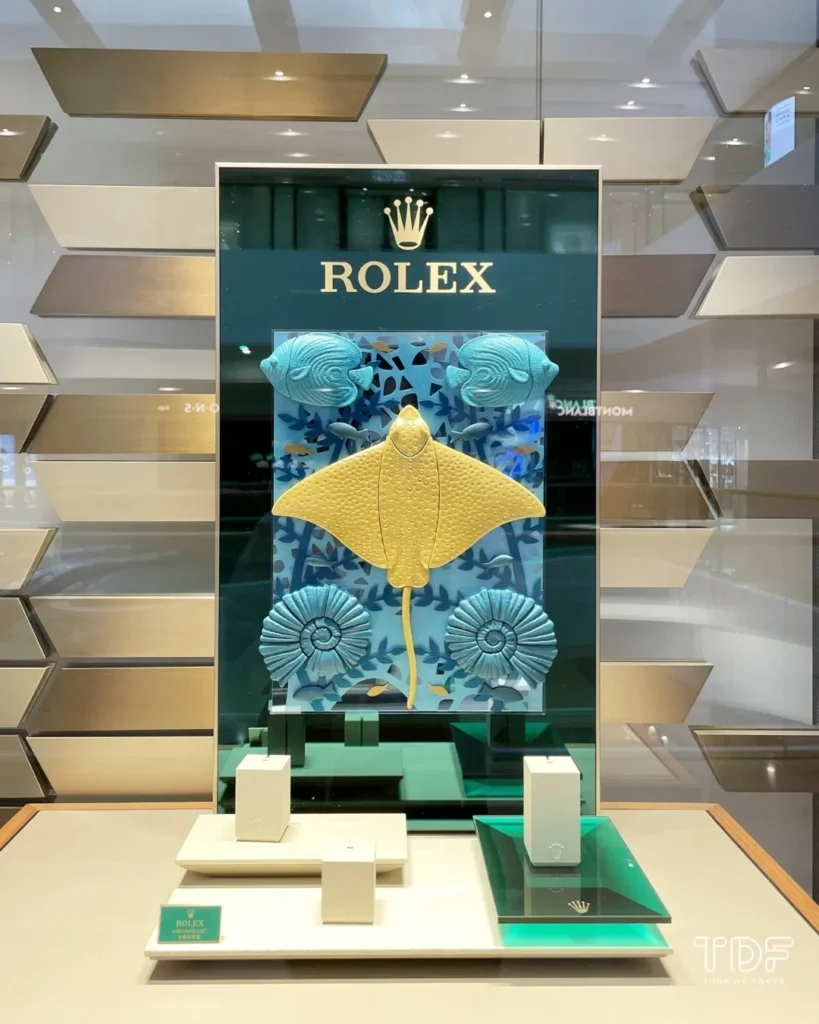

A creative window display can increase foot traffic by up to 40%, according to retail behavior research by ShopperTrak. In today’s competitive retail environment, your window is no longer just decoration — it’s your most powerful conversion tool at street level.
But most retailers still struggle because:
-
Their windows look flat or outdated
-
Displays lack story, depth, or focal hierarchy
-
The design doesn’t match shopper psychology
-
They rely only on seasonal decoration, not strategy
This guide breaks down how creative window displays — when engineered with deliberate storytelling, lighting, and motion — transform any retail storefront into a powerful customer magnet.
Why Creative Window Displays Work: The Psychology Behind Them
A retail window succeeds when it does three things:
1. Stops shoppers (“Interrupt Effect”)
Dynamic visuals or unexpected shapes activate curiosity.
2. Makes them feel something (“Emotional Trigger”)
Colors, themes, metaphors activate emotional memory.
3. Guides their eyes to the hero product (“Visual Hierarchy”)
Effective displays create a clear focal point → more conversions.
A good window is not decoration — it’s behavioral design.
-
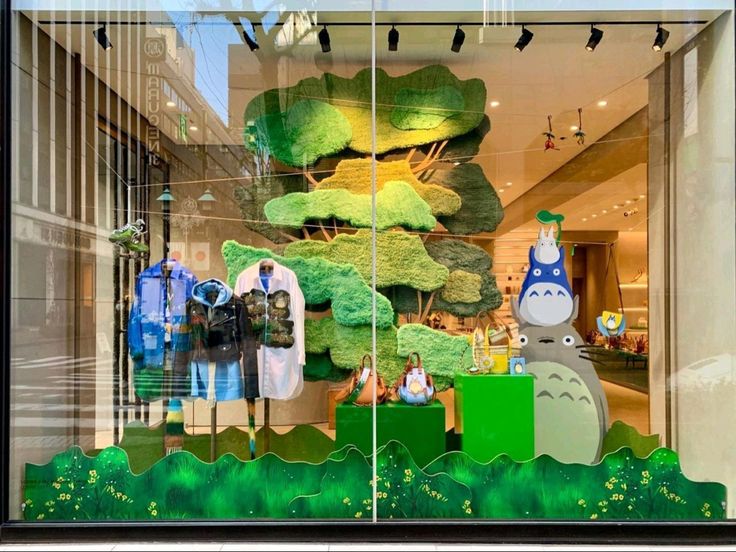
1. Storytelling Windows: Turning Your Products Into Characters
Creative windows anchor everything around a story.
Customers remember stories far longer than they remember props.✔ Seasonal Storytelling Example
“Workshop of Dreams” — mechanical miniature artisans crafting watches.
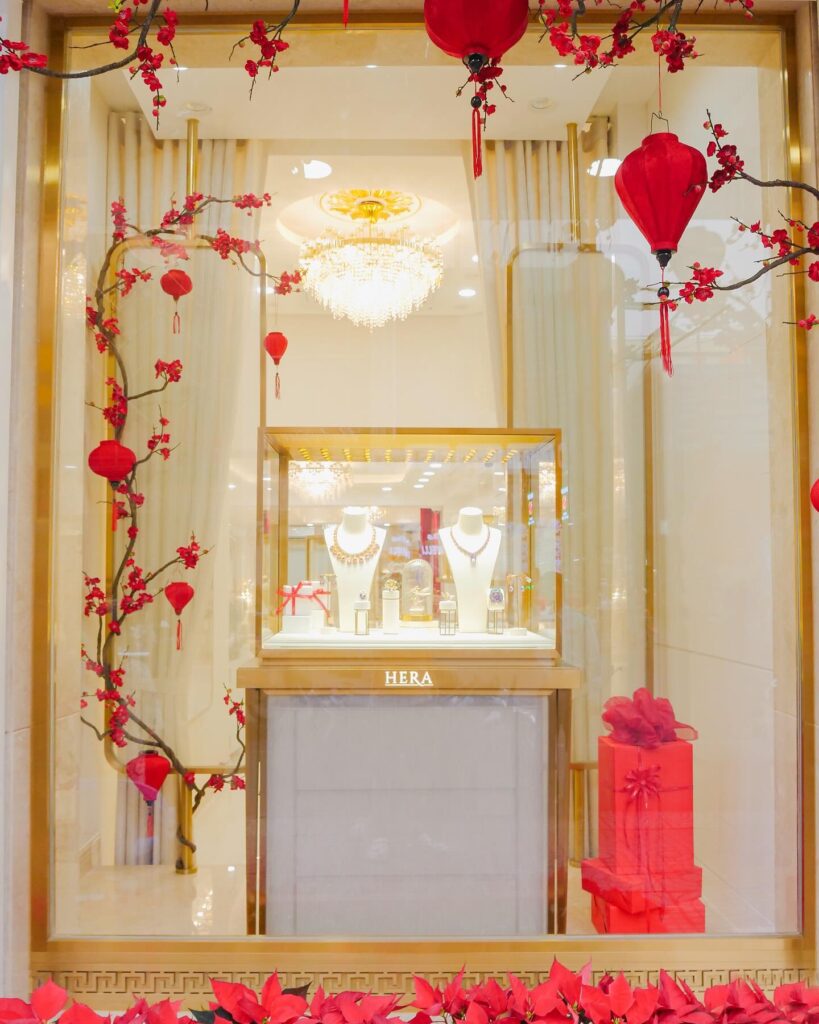
Effect: Emotion + motion + high perceived value.✔ Cultural Storytelling Example
Floating lanterns for Lunar New Year, lighting jewelry pieces like blessings.
Effect: Cultural relevance + soft cinematic glow.Story-first windows outperform product-first windows — always.
2. Interactive Displays: From Passive Viewing to Active Engagement
Shoppers engage longer when the display reacts to them.
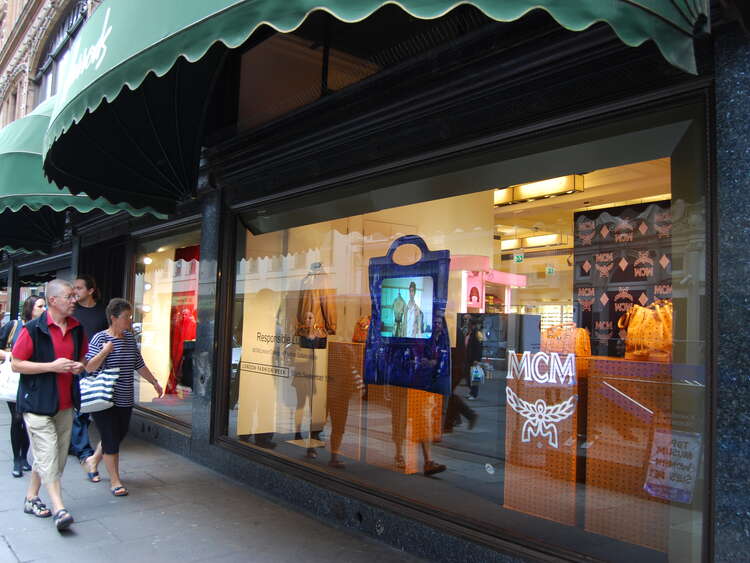
✔ Motion Sensors
Lights brighten or props rotate when someone approaches.
✔ Augmented Reality Windows
QR codes unlocking AR product visualizations or storytelling.
(Supported by Google ARCore & WebAR frameworks.)
✔ Gesture or Light Painting
Let customers “paint” a glow over jewelry using motion tracking.
These create micro-dopamine moments — proven to increase foot traffic.
3. Strategic Product Presentation: Make Your Product the “Hero”
Creative windows don’t overwhelm the merchandise —
they frame it.
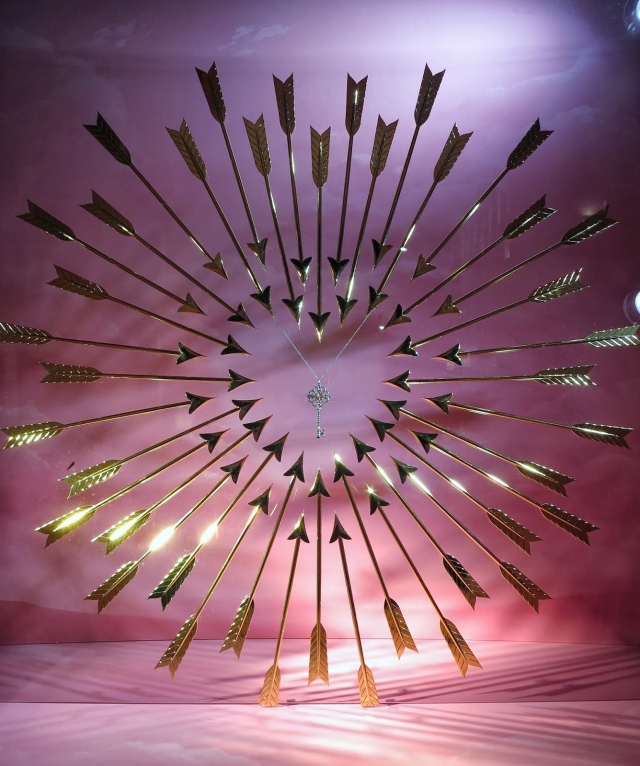
✔ Floating Product Illusion
Clear rods or thin suspension wires → jewel-like product elevation.
✔ Directional & Layered Lighting
High-CRI LEDs (CRI 90–95) enhance product brilliance.
Reference: Lighting Research Center → CRI impact on retail sales
https://www.lrc.rpi.edu/programs/lightHealth/index.asp
✔ 3-Layer Composition
-
Foreground — motion or depth effect
-
Mid-ground — hero product
-
Background — brand atmosphere
This "cinematic layering" is a signature of luxury window design.
🌿 4. Seasonal Innovation: Going Beyond Standard Holiday Themes
✔ Winter Concept: “Frozen in Time”
Acrylic “ice” sculptures holding watches or perfume.
✔ Spring Concept: Mechanical Blooming Flowers
Flowers opening automatically to reveal jewelry.
Seasonal displays must be reusable, modular, and designed for flat-pack shipping to reduce costs.
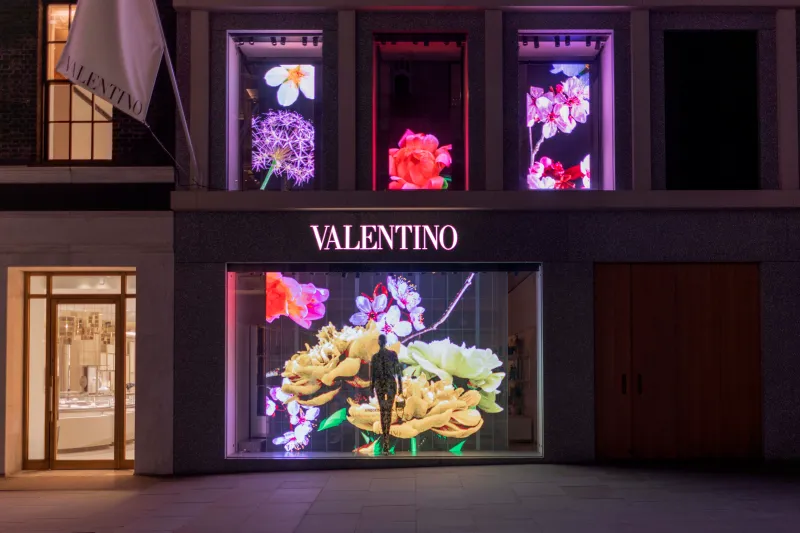
5. Artistic Collaborations: Bringing Cultural Value Into Retail
✔ Local Artist Partnerships
Murals, hand-painted backdrops, textile installations.
Generates organic social media traction.
✔ Mixed Media Hybrid Designs
Paper art × light projection
Digital screens × handcrafted props
This elevates your display from “retail” to retail-art hybrid.