

Metal is also an essential material in display displays, with metal trim for small displays, frame supports for large displays, and some custom metal accessories.
The special metallic shine creates a luxurious atmosphere and the sturdy structure provides security for the consumer products on display.
Metal has different processes and requires a large workshop. There are almost no factories that include metal wood and plastic, and the factories that produce sophisticated retail displays send out the metal parts to metal factories, which is why the delivery time for display prototypes with metal parts is longer.
Here are the metal materials we often use in the production of retail displays.
Stainless Steel
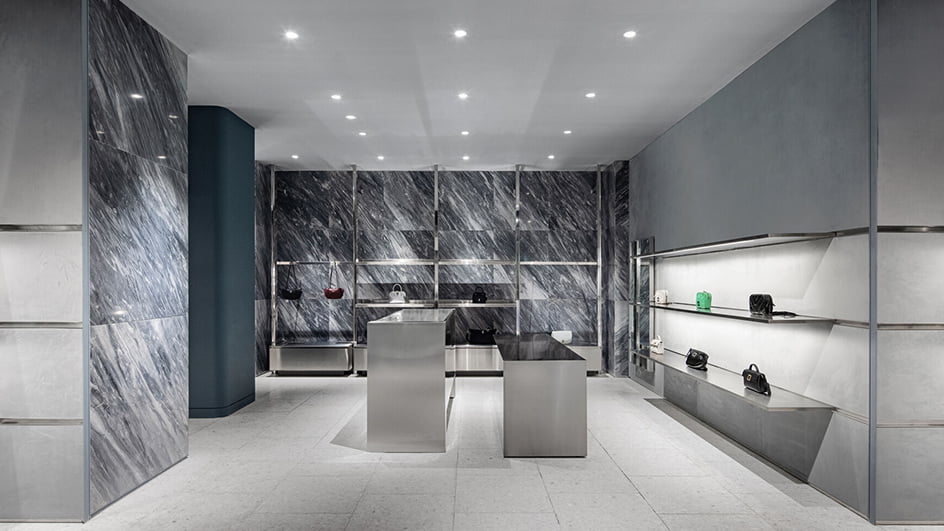
Stainless steel has a wide range of applications in daily life, but also in the retail display of the most used metal. Its processing technology has been very mature, and can be welded and bent into a variety of shapes, while the surface treatment process is also diverse, electroplating paint polishing brushed can be. The color of the stainless steel itself is also very impressive, many display shelves are directly exposed to the fingerprint-resistant oil stainless steel and even use it as decoration.
Aluminum alloy
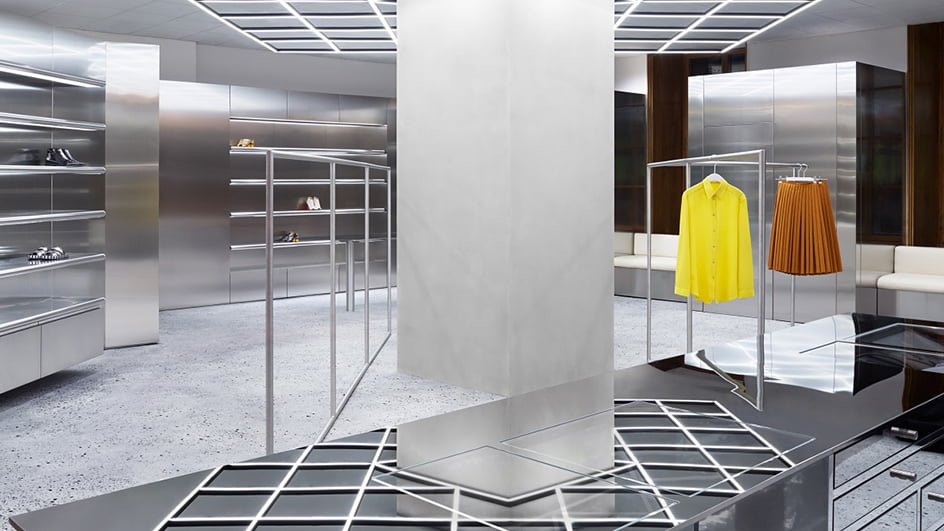
Aluminum alloy is light, when using aluminum alloy instead of stainless steel, the weight can be reduced by more than 50%, but the appearance of aluminum alloy treatment is relatively single. Aluminum alloy has a large number of standard parts, we generally buy ready-made profiles for cutting and processing, used as the housing of the light bar or the glass cabinet frame.
Copper
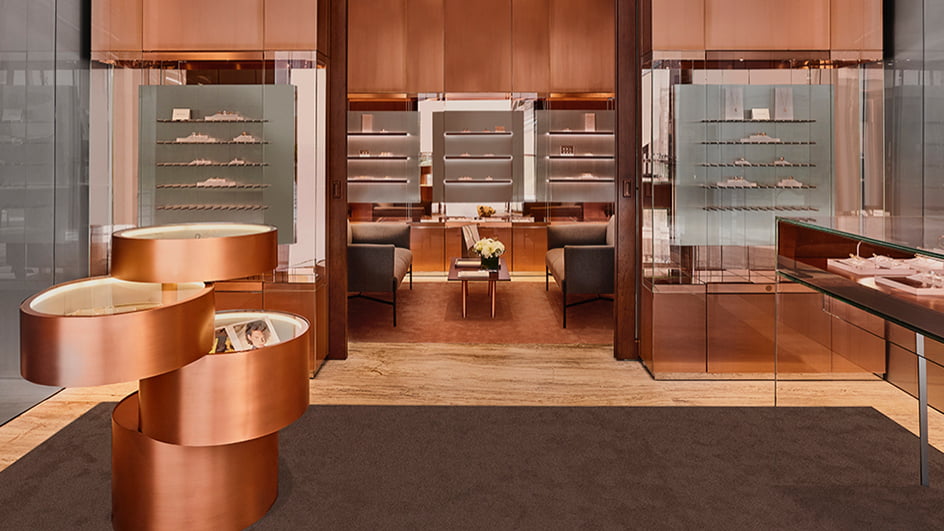
Copper is the most outstanding pure metal and has its own special color. If not surface treatment of copper, it will slowly oxidation reaction to form a vintage style. However, copper processing is complex, not easy to bend, and the price is also higher, while stainless steel can also be plated with a copper surface effect, the pursuit of vintage quality brands will require the use of copper as a material.